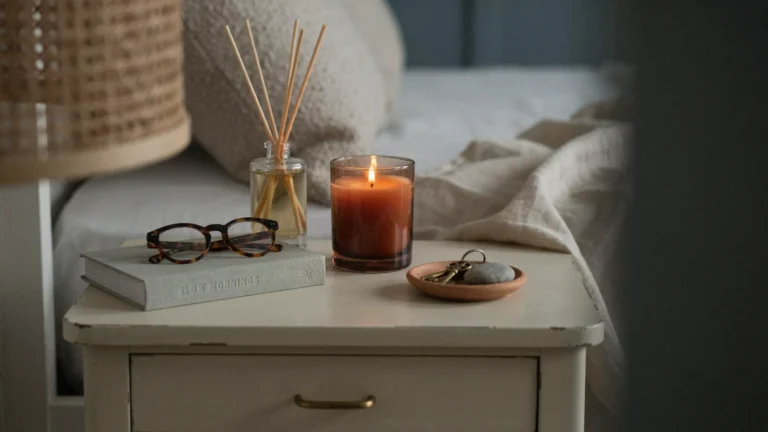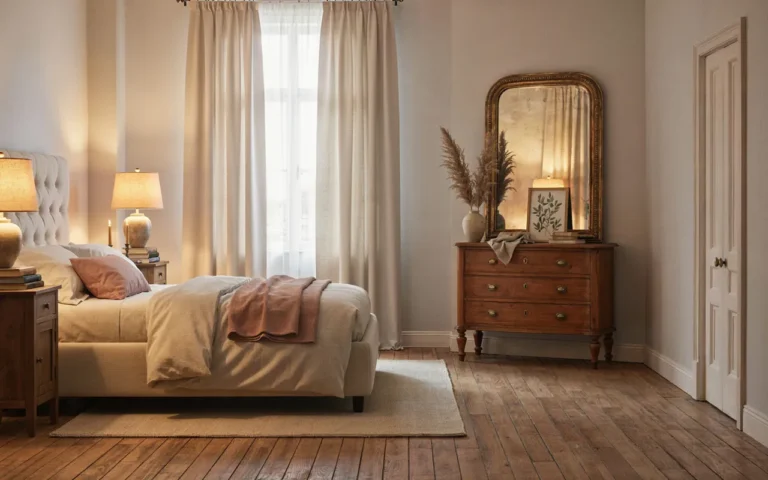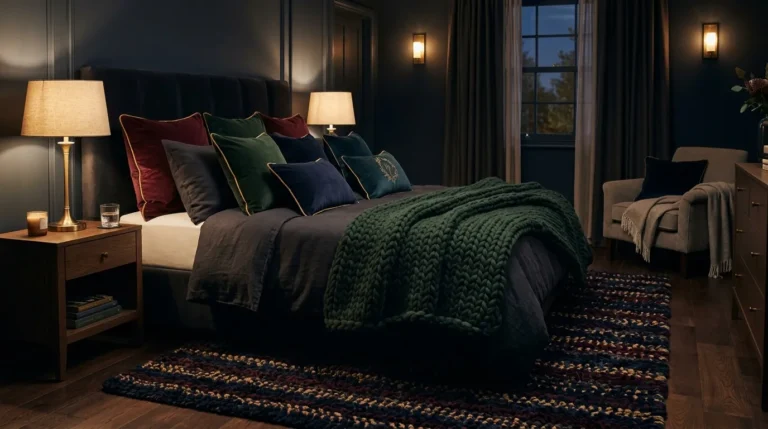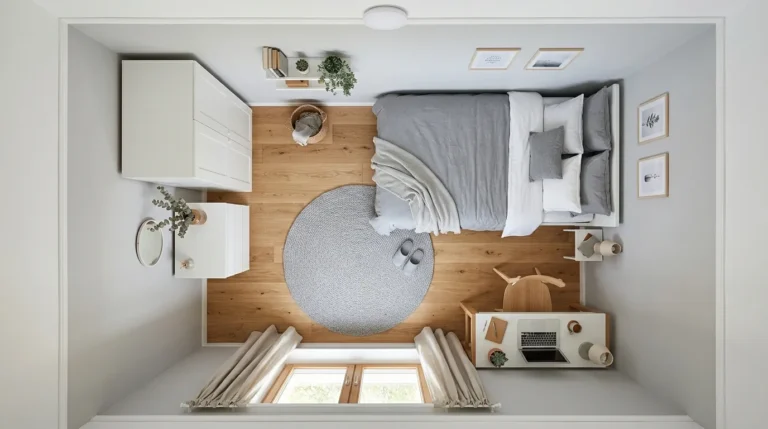
Gray trim paint ideas work because they turn the trim from background into a feature. Instead of the usual white baseboards, door frames and window casings, you paint them a soft or medium gray while the walls stay white or a light neutral. The gray outlines the room, frames the windows and doors, and gives the whole space a finished, intentional look without a single new piece of furniture.
The trick is choosing the right gray and the right finish, then prepping the wood properly before the first coat goes on. Get those three things right and a guest bedroom can look completely different by Sunday evening. Get them wrong and the trim can look dirty, heavy or unfinished. This guide walks through the whole project in order, from picking the color to styling the room once the paint is dry.
Why Gray Trim Works When White Trim Feels Flat
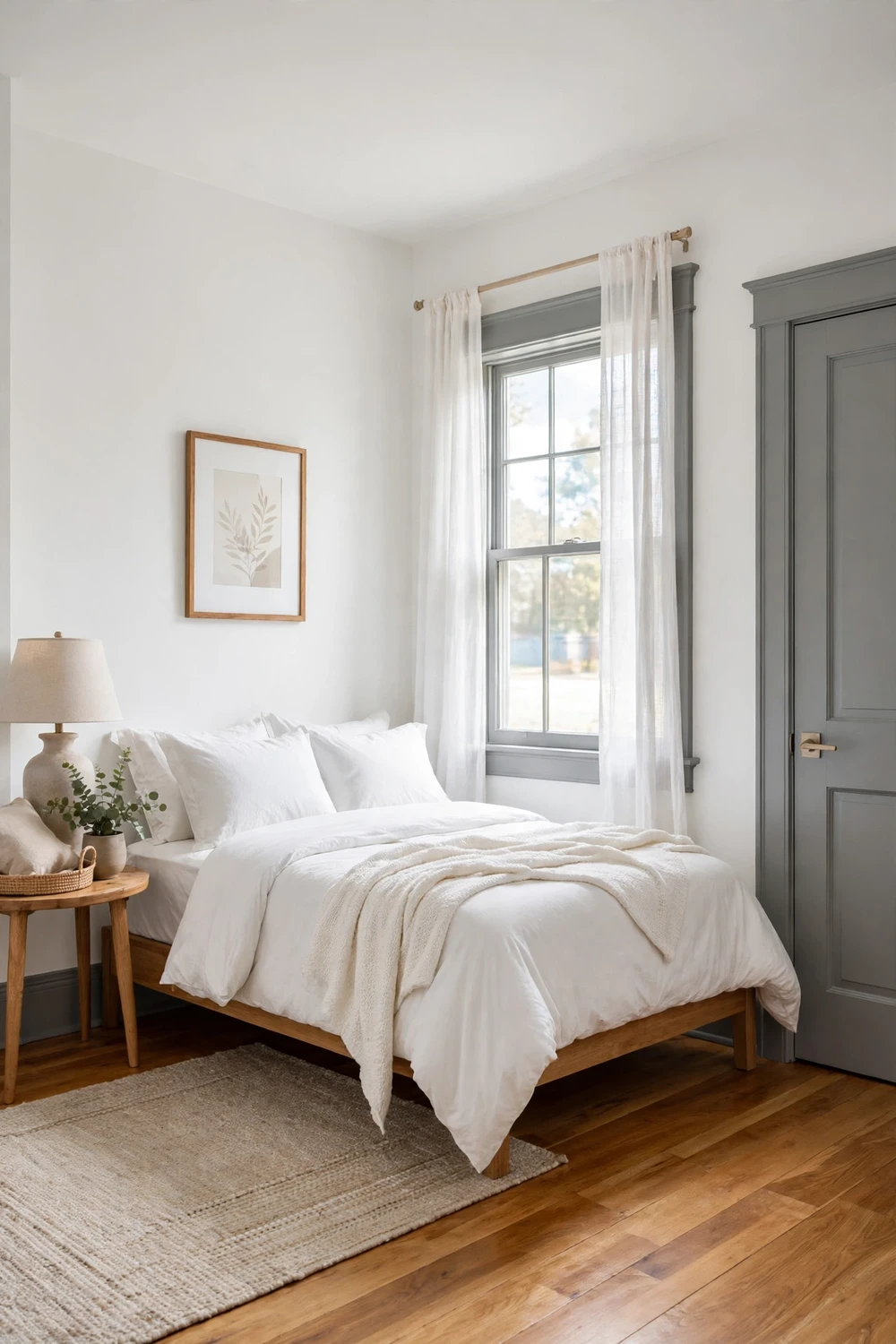
White trim is the default in most homes, and defaults are rarely chosen on purpose. They are simply what the builder used. In a guest bedroom, white trim can disappear against white walls, and that is exactly the problem. The room has no edges: the windows blend into the wall, the door looks unfinished, and the baseboards do nothing at all. Gray trim gives the room its lines back.
Contrast is the whole idea. A medium gray against a light wall creates a quiet frame around every opening in the room. The eye notices the shape of the windows and the height of the doors, and the ceiling line looks cleaner. Nothing shouts, but everything looks more considered. That is why it suits a guest bedroom, a room you want to feel welcoming and cared for rather than renovated from scratch.
Gray also hides the small scuffs that white trim collects. Guest rooms get suitcases bumped against baseboards and shoes near door frames, and white shows every mark. A mid-tone gray is far more forgiving, and the sheen keeps it looking clean. That matters in a room used in bursts and then left empty for weeks.
There is a warmth question too. A cool gray can make a north facing room feel cold, while a warm gray makes a small room feel snug. The shade you pick decides whether the room feels calm or chilly, and the next section deals with that choice in detail.
One more reason to consider it: the project is genuinely small. You are painting narrow strips of wood, not whole walls. A typical 15 by 15 foot bedroom takes about two hours to prep and prime and two to four hours to paint the trim, baseboards, door frames and two window trims, longer for a first timer. That is a weekend project, not a renovation, and trim is easy to repaint if you change your mind.
Gray Trim Paint Ideas: Choosing the Right Gray for Your Room
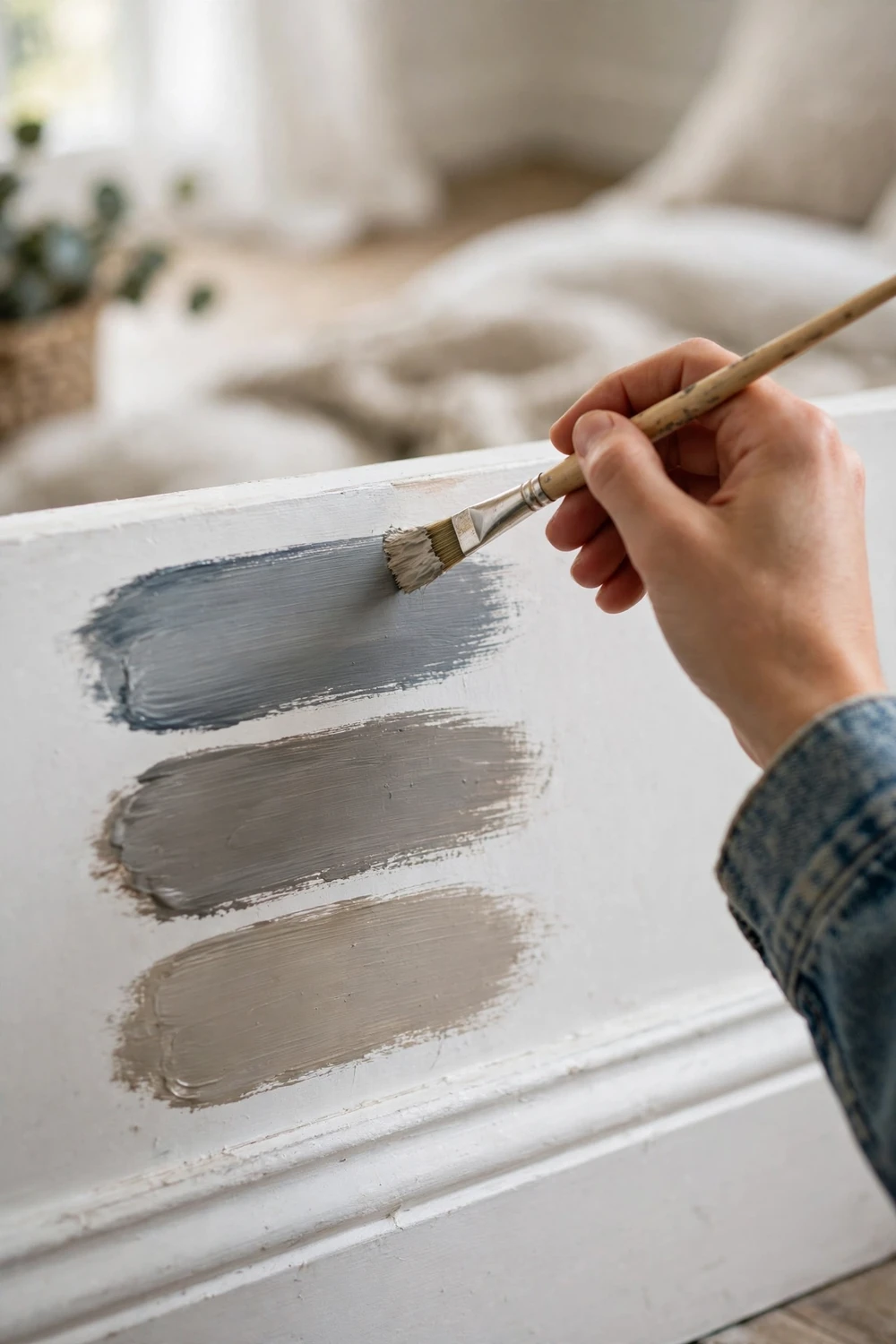
Choosing the gray is the decision that matters most, and it is also the one people rush. A gray that looks perfect on a paint chip can turn blue, green or purple on the wall, because trim catches light differently from a flat wall. The narrow surface, the sheen and the angle of the light all change how the color reads. So the first rule is simple: test on the trim itself, not on paper.
Buy sample pots of two or three grays and paint a short stretch of baseboard. Live with it for two days and look at it in morning light, afternoon light and lamplight. If it looks blue in the evening, it has a cool undertone you missed in the shop. If it looks muddy in daylight, it is too dark for the room. The sample step costs very little and saves you from repainting the whole room.
Undertones are the hidden trap with gray. Every gray leans somewhere: blue, green, violet or warm beige. A blue leaning gray can feel icy in a cool room, and a green leaning gray can clash with warm wood floors. A warm gray, often called greige because it sits between gray and beige, is usually the safest choice for a guest bedroom. It works with wood tones and white bedding, and it rarely turns an unexpected shade on the wall.
The wall color decides how strong the contrast feels. Against bright white walls, a medium gray gives a clear outline. Against a pale warm neutral, a slightly deeper warm gray keeps the room soft while still defining the trim. If your walls are already light gray, the trim needs to be at least two shades darker, or the contrast disappears. Contrast trim only works when you can actually see the contrast.
Here is a quick comparison of the main options.
| Gray type | Best for | Watch out for |
|---|---|---|
| Warm gray (greige) | Most guest bedrooms, wood floors, warm bedding | Can look beige in yellow lamplight, so test at night |
| Cool medium gray | Bright rooms, white walls, modern furniture | Can feel cold in north facing rooms |
| Light gray | Small rooms where you want gentle contrast | Too close to white walls, so the effect can vanish |
| Charcoal gray | Large rooms, a single feature door or window wall | Too heavy for all the trim in a small room |
| French gray (soft, slightly green) | Vintage and cottage style rooms, painted furniture | Can read green next to warm wood, so test first |
My own view is that a warm greige is the best starting point for most guest bedrooms, because it is the hardest one to get wrong. It flatters wood floors, it sits happily next to white bedding, and it does not fight with the other colors in the room. A cool gray can look striking in photos, but a guest room is a real room that people sleep in, and warmth matters more there than drama. If you love a cool gray, test it twice, once in daylight and once under the bedside lamps, before you commit.
Gray Trim vs White Trim: An Honest Comparison
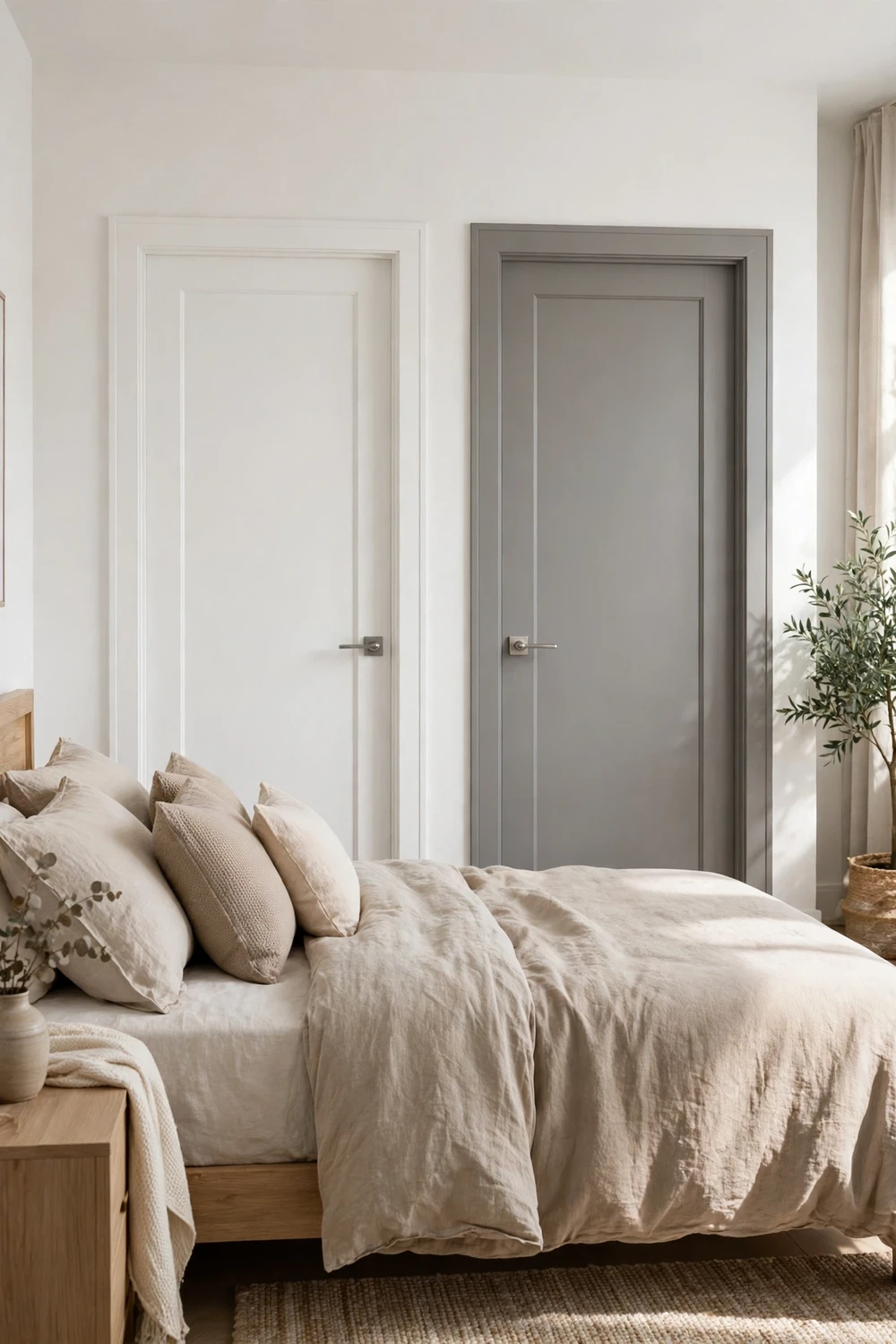
Before you buy paint, it helps to compare gray trim vs white trim properly, because each one suits a different kind of room. White trim is clean, bright and familiar. It works in almost every home and it never fights with anything. Gray trim is more deliberate. It adds character and depth, but it also asks more of the room around it. Neither is wrong. The question is which one your guest bedroom needs.
White trim suits rooms that already have a lot going on. If the bedroom has patterned bedding, bold art or a busy rug, white trim stays quiet and lets those pieces do the talking. It also suits very small rooms and rooms with little natural light, where you want every surface to feel as light as possible.
Gray trim suits rooms that feel plain or unfinished. If the guest bedroom has white walls, plain bedding and simple furniture, white trim adds nothing, while gray trim gives the room a layer it was missing. It also suits rooms with good natural light, where the gray reads as a soft outline, and homes with a clear style, such as modern cottage or vintage, where the trim can carry a bit of the design.
The honest summary is this: white trim is the safe choice and gray trim is the interesting choice. If your guest bedroom already feels finished and calm, white trim is fine and you can spend your weekend elsewhere. If the room feels flat, plain or a little unfinished, gray trim is the smallest change that can fix it. The elegant guest bedroom ideas on this site show how much a room gains when its details are chosen on purpose rather than left as default, and trim is one of those details.
Choosing the Finish: Semi-Gloss Trim Paint

The finish matters as much as the color, because trim is handled, bumped and cleaned far more than walls. Semi-gloss trim paint is the standard choice for a reason. It has enough shine to stand out from flat or eggshell walls, which is exactly what contrast trim needs, and it wipes clean with a damp cloth. Scuffs from suitcases and shoes come off a semi-gloss surface without taking the paint with them.
Gloss is the next step up in shine. It looks sharp and almost lacquered, and it is the toughest finish you can buy. The problem is that gloss shows every flaw in the wood underneath: a dent, a rough patch of filler or a brush mark all stand out. Gloss suits new, smooth trim in a modern room, but it punishes old wood.
Satin sits just below semi-gloss. It has a soft sheen, hides small imperfections better, and makes the gray read as softer and less defined. Satin is a good choice if you want the gray to feel gentle rather than graphic, or if your trim is older and a little rough. It still cleans well, just not quite as easily as semi-gloss.
Flat and matte finishes have no place on trim. They mark easily, they are hard to clean, and they make the gray look dusty. A matte gray baseboard will show every scuff within a month, and you cannot wipe it without leaving a mark. Save flat paint for the walls.
When you are choosing, also think about the rest of the house. If the trim in the hallway outside the guest room is white semi-gloss, a gray semi-gloss inside the room still feels connected, because the sheen matches even though the color changes. That small consistency keeps the house feeling coherent. A guest room should feel special, but it should still belong to the same home, and matching the finish is the easiest way to do that. If you are also thinking about upgrading the trim itself, the guide to upgrading crown molding and baseboards covers the carpentry side before the paint goes on.
Prep Work: The Quiet Step That Decides the Result
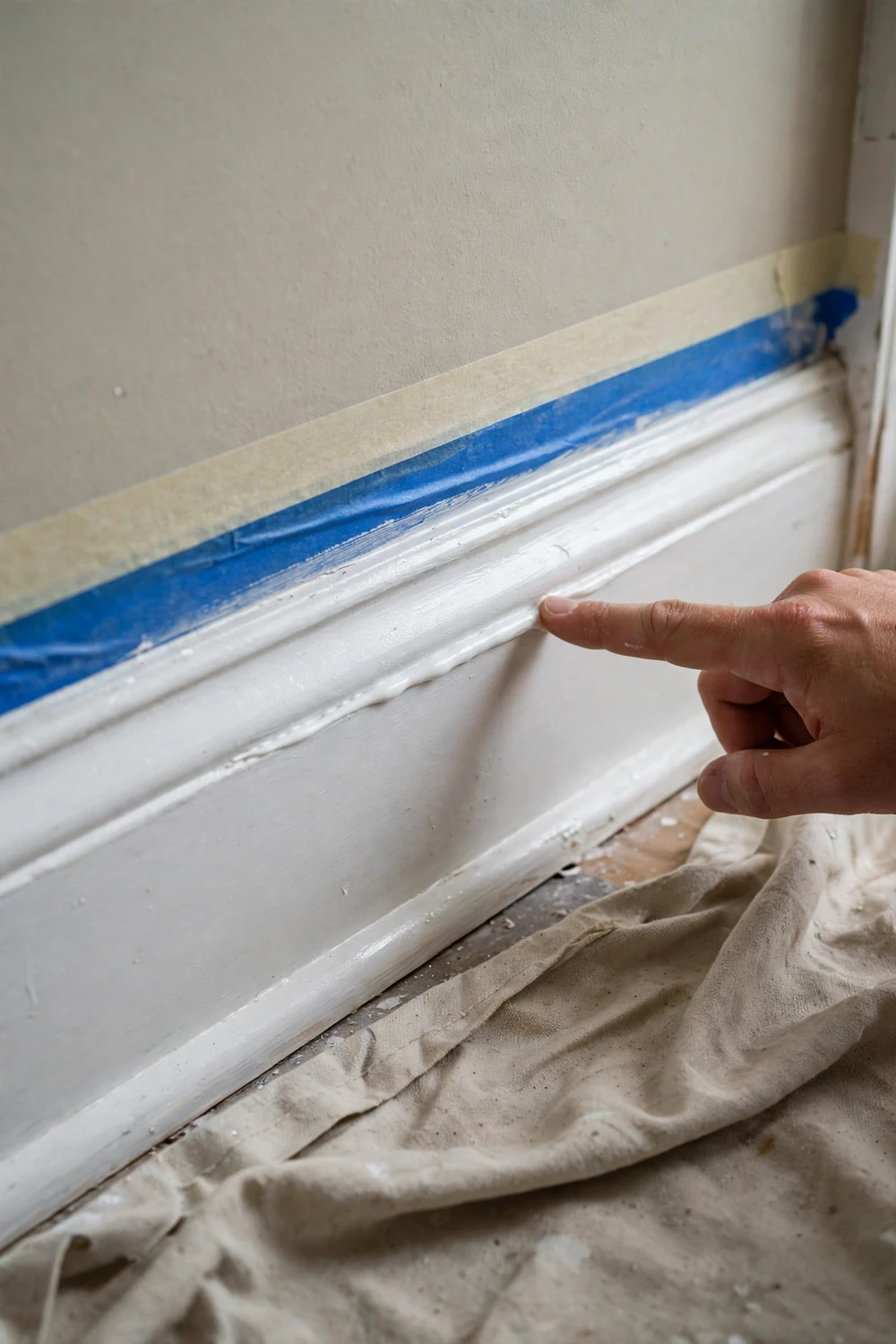
Prep is the boring part of painting trim, and it is also the part that decides whether the result looks professional or amateur. Paint cannot hide a dirty surface, a gap or a rough patch. It can only cover them thinly, and they will show through within weeks. A good prep job takes time, but it is the difference between trim that looks painted and trim that looks finished.
Start by cleaning the trim. Wipe every surface with a damp cloth and a little mild detergent, then let it dry fully. Guest bedrooms collect dust on top of baseboards and around window frames, and paint will not stick to dust. Pay attention to the tops of the baseboards and to the edges of door frames, where hands leave marks over the years.
Next, fill the gaps and holes. Run paintable caulk along the seam where the baseboard meets the wall and where the trim meets the door frame. These gaps are normal, houses settle and wood moves, but they look like mistakes once the trim is a contrasting gray. Use paintable caulk only, because silicone caulk will not take paint. Smooth the caulk with a damp finger and wipe away the excess before it dries.
Fill nail holes and small dents with wood filler, let it dry, then sand it smooth. Old trim often has dents from furniture and holes from removed hooks, and a gray finish makes them more visible, not less. Sand the whole surface lightly with fine sandpaper, around 120 to 150 grit, just enough to dull the old shine and give the new paint something to grip. Wipe away the dust and let the surface dry.
Primer is the step people most often skip, and the one they regret skipping. It is needed on bare wood, on stained wood, and on any surface where the old paint is glossy or stained. It seals the wood, stops stains bleeding through, and gives the topcoat an even base. If your trim is already painted white in good condition, a light sanding may be enough, but over a dark stain or raw wood, primer is not optional. Let it dry fully before the first topcoat.
Finally, protect the room. Tape the wall edge along the baseboards and around the door and window frames, lay drop cloths on the floor, and remove any hardware you can unscrew. Good masking takes twenty minutes and saves an hour of cleaning later. The whole prep routine for a typical room takes about two hours, and it is time well spent. Paint on a clean, filled, sanded and primed surface lasts years longer than paint on a surface that was rushed.
Painting the Trim in the Right Order
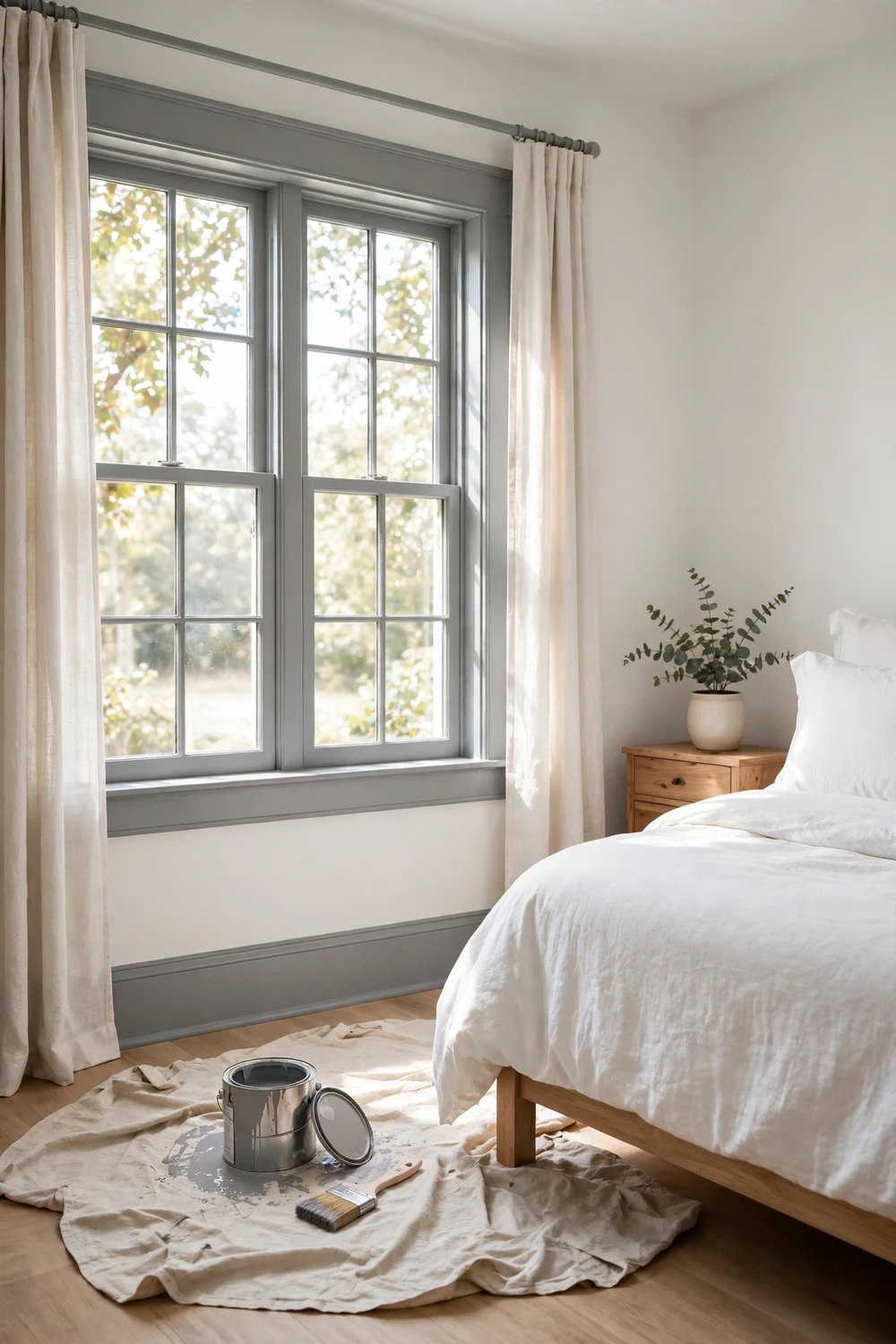
The order you paint in matters, because it decides how much taping and touching up you have to do. Painting trim gray rewards patience more than speed, so work slowly and let each coat dry. The standard advice from painters is to paint the trim first and the walls second, and it holds up well for a contrast trim project. When the trim is painted first, you can be generous along the edges, then cover any overlap when you paint the walls. Taping is easier too, because you tape the freshly painted trim rather than trying to protect a finished wall.
Start with the ceiling edge and work down, but within the trim itself, start with the parts that are hardest to reach. Paint the tops of the door frames and the window casings first, then the sides, then the baseboards last. Baseboards catch drips from everything above them, so painting them last means any drips land on wet paint that you can smooth out, not on a finished surface.
Use a good angled brush, about two inches wide, and load it lightly. Trim paint is thicker than wall paint and shows brush marks easily, so thin coats beat one heavy coat. Lay the paint on in smooth strokes along the grain, and avoid going back over paint that has started to dry. That is how brush marks form. If a coat looks thin, let it dry and add a second coat.
Two coats are the norm for gray over white, and they are worth the time. The first coat often looks patchy, with the white showing through in thin spots. That is normal. The second coat gives the color its full depth and evens out the sheen. Wait for the first coat to dry fully, and follow the drying time on the tin rather than guessing. Rushing the second coat pulls at the first and leaves a rough texture.
For a typical 15 by 15 foot room, expect two to four hours of painting for the trim, baseboards, door frames and two window trims, on top of the prep time. A first timer should plan for the longer end of that range. Work in daylight if you can, because gray paint changes under artificial light and thin patches are easy to miss in the evening. Open the windows for ventilation, and do not push furniture back against the baseboards until the paint has cured. It may feel dry within a few hours, but it stays soft for a day or two, and a chair leg will leave a mark.
If you are also repainting the walls, do them after the trim. The grid molding wall guide is useful reading if your guest bedroom has paneled or molded walls, because the same care applies when paint meets molding.
Styling the Guest Bedroom Around the New Trim
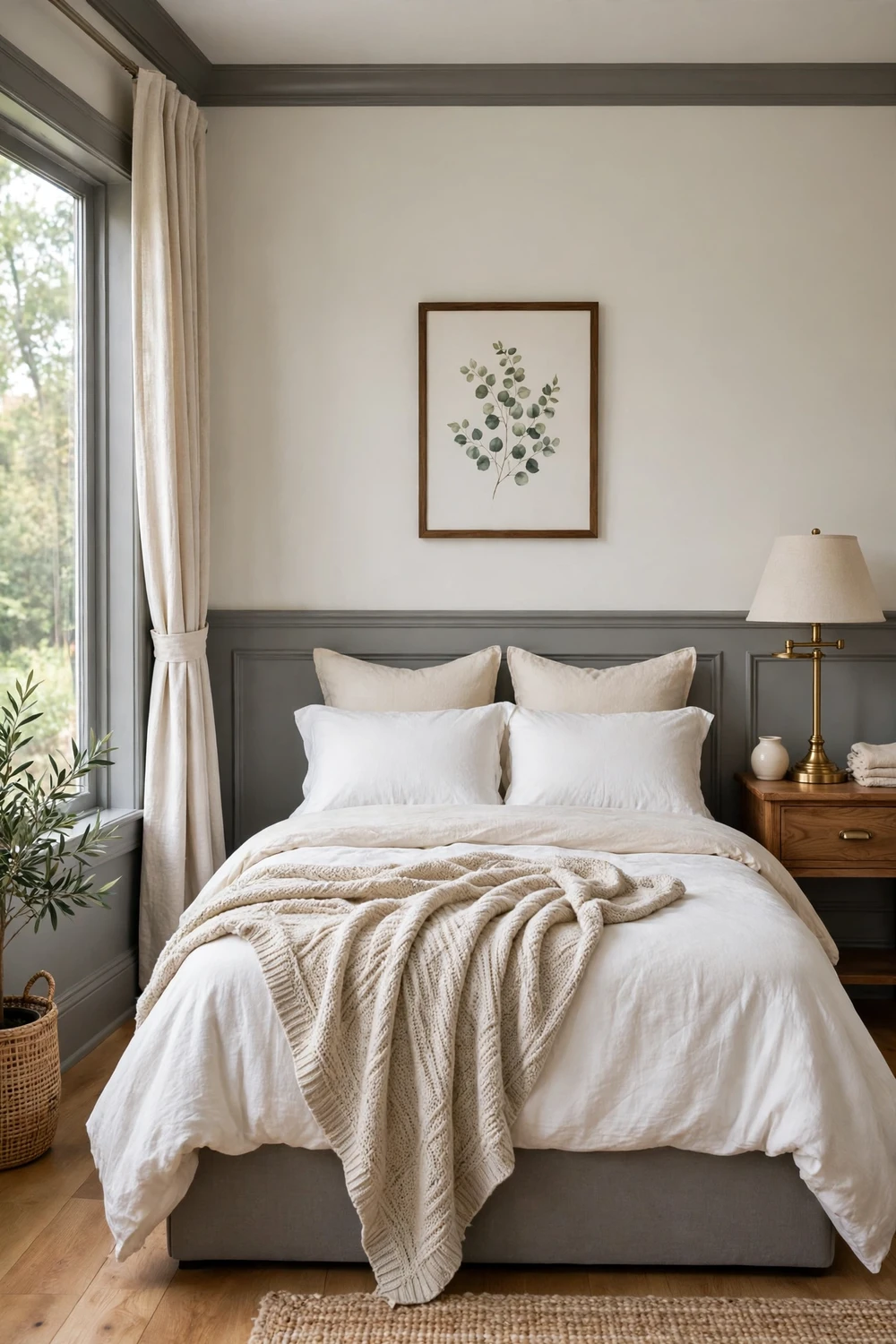
Once the paint is dry, the room needs styling that works with the new trim rather than fighting it. Gray trim is a neutral, but it is a cooler neutral than white, so the bedding, textiles and art need to add the warmth. This is the part the competitor posts usually skip, and it is the part that makes the difference between a room that looks painted and a room that looks finished.
Start with the bed, because it is the largest surface in the room. White or cream bedding looks crisp against gray trim and keeps the room feeling fresh. If white bedding feels too plain, add a throw in a warm tone such as oatmeal, dusty rose or sage. Avoid bedding in the exact same gray as the trim, because the bed and the trim will blend and the contrast you just created will disappear.
Wood tones matter more once the trim is gray. Warm wood, such as oak or walnut, balances a cool gray beautifully, while pale or whitewashed wood can make the room feel washed out. If your bedside tables are light wood, warm them up with a brass lamp. The aim is a mix of warm and cool, not a room that is all one temperature.
Lighting is the last piece, and it changes how the gray reads at night. Warm bulbs soften a cool gray and make the room feel welcoming, while cool white bulbs can push it toward blue. Use bedside lamps with fabric shades rather than bare bulbs, because the shade spreads the light evenly across the trim.
Finally, add the small guest touches that make the room feel considered: a carafe and glass on the bedside table, a spare blanket at the foot of the bed, and a hook or two by the door. These are the details guests actually notice, and they cost very little. For more ideas on the room as a whole, the luxury guest bedroom design ideas and the luxury guest suite ideas show how small details add up to a room guests remember. Gray trim is the frame. The styling is the picture inside it.
Mistakes That Make Gray Trim Look Wrong
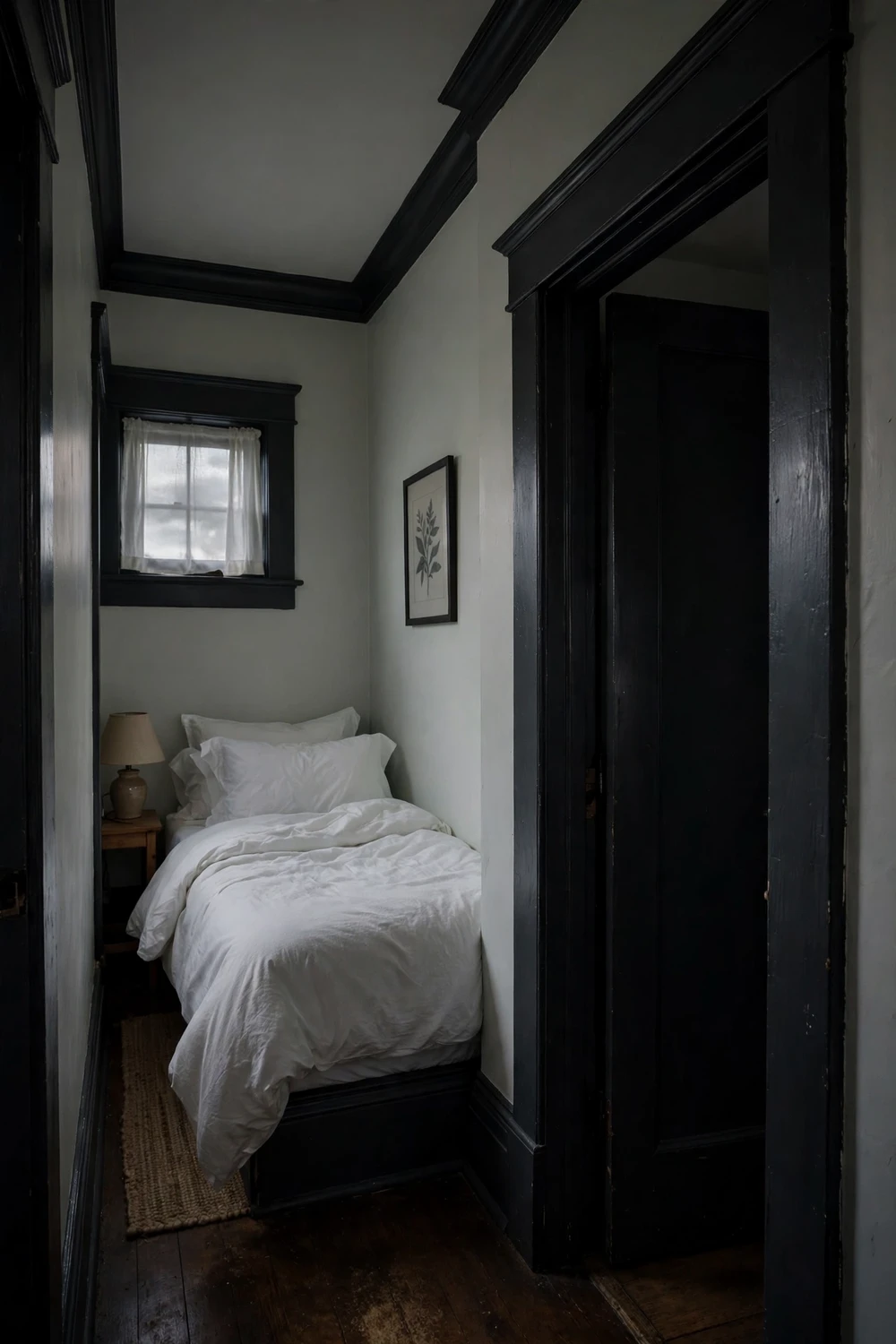
Gray trim is forgiving in many ways, but a few mistakes can spoil the result. The most common one is choosing a gray that is too dark for the room. A charcoal trim can look dramatic in a large, bright room, but in a small guest bedroom it closes the walls in. If you love a dark gray, use it on one feature, such as a single door, and keep the rest of the trim in a medium tone.
The second mistake is skipping the sample test. Paint chips lie, and so do photos online. A gray that looks warm and soft in a shop can turn cold blue on your north facing baseboard. The fix costs almost nothing: paint a test strip on the actual trim and look at it in different light over two days. Skipping this step is the fastest way to end up repainting the whole room.
The third mistake is using the wrong finish. Flat paint on trim looks dusty within weeks, and gloss on old, rough wood shows every dent. Semi-gloss is the safe middle ground for most rooms, with satin as the softer alternative. Choose the finish before you buy, and use the same finish throughout the room so the sheen stays consistent from the baseboards to the window frames.
The fourth mistake is painting over dirty or glossy trim without prep. Paint will not stick to dust, grease or a slick old finish, and it will peel or chip within months. The prep steps in this guide are not optional extras. Cleaning, filling, sanding and priming take a couple of hours, but they are what make the paint last. A rushed prep job shows in the finished trim, usually as peeling edges or a rough texture.
The fifth mistake is forgetting the rest of the room. Gray trim next to yellowed, cream colored walls can look muddy, and gray walls can look blue if the trim is actually cream rather than white. Check the true color of your trim before you judge the wall color. If the walls are old and yellowed, a fresh coat of white or a pale neutral will make the new gray trim look clean and intentional.
The last mistake is stopping at the paint. A freshly painted room with bare walls and no bedding looks unfinished, and guests will notice the gap more than the paint. Style the room before the next guest arrives, even if it is just fresh bedding, a lamp and a piece of art. The paint is the frame, but the room still needs its contents. For small rooms, the small bedroom design ideas show how to place furniture so the new trim lines stay visible instead of hidden behind an oversized bed or wardrobe.
Frequently Asked Questions
Does gray trim make a small guest bedroom look smaller?
Not if the gray is mid-tone and the walls stay light. A soft or medium gray outlines the room without closing it in. Very dark gray on all the trim can make a small room feel tighter, so keep dark shades to one door.
What color walls go best with gray trim?
White and pale warm neutrals work best. A warm greige trim pairs well with cream walls, while a cool gray suits bright white walls. Avoid walls that are nearly the same gray as the trim.
Should trim be lighter or darker than the walls?
For contrast trim, darker. The trim should sit at least one or two shades darker than the walls so the outline is visible. If the trim is lighter, the effect reverses and the walls become the feature instead.
Can I paint gray trim over white trim without primer?
Usually yes, if the old paint is in good condition. Clean it, sand it lightly to dull the shine, and wipe away the dust. You need primer on bare wood, stained wood, or glossy and stained surfaces, and over any marks that might bleed through.
Is gray trim a trend that will date quickly?
A soft warm gray reads as a neutral, not a fashion statement, so it ages well. Very dark or very cool grays are the versions most likely to feel dated. Trim is also easy to repaint, so it is a low risk place to try the look.
Start With One Door Frame and See
Of all the guest bedroom paint ideas that cost almost nothing, gray trim is one of the best. It is a small project with a visible payoff. Choose a warm gray, test it on the trim in real light, use a semi-gloss finish, and give the prep the time it deserves. Then paint in order, let it dry properly, and style the room with warm bedding and soft light. If you are still unsure, paint one door frame first and live with it for a week. That single frame will tell you more than any paint chip can.