Working from home has changed the way we think about productivity, and one thing has become clear: a cluttered space leads to a cluttered mind. If you’ve been searching for Top 15 Minimalist Home Office Ideas That Inspire Focus ideas that actually help you focus instead of just looking pretty on Pinterest, you’re in the right place.
A minimalist home office isn’t about stripping your room down to a bare desk and a chair. It’s about intentional design keeping only what serves a purpose, letting natural light do the heavy lifting, and creating a visual calm that carries into your workday. That’s exactly what this list of Top 15 Minimalist Home Office Ideas That Inspire Focus is all about. Whether you have an entire spare room or just a quiet corner by the window, these 15 ideas will help you build a workspace that feels calm, functional, and genuinely inspiring.
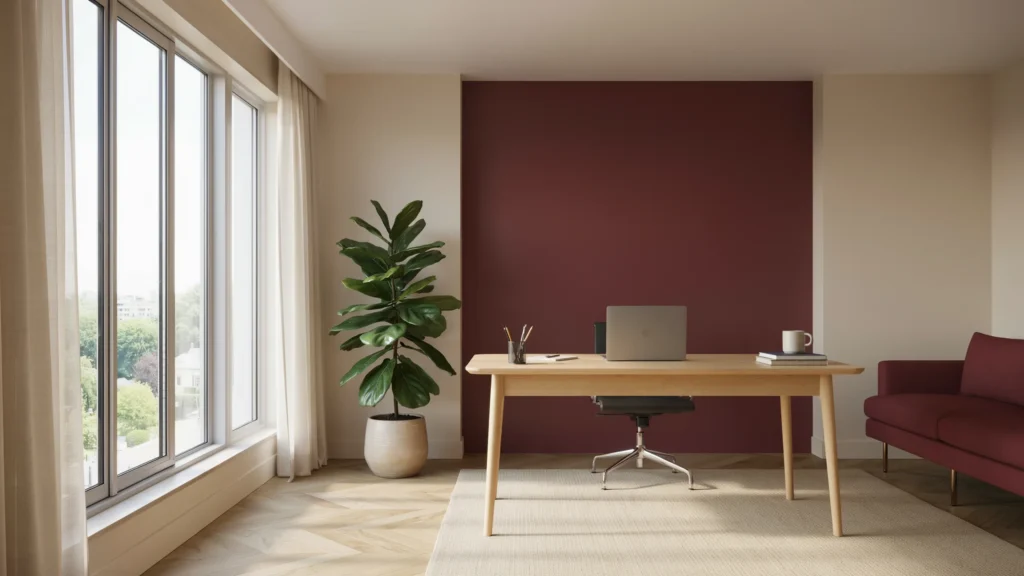
1. Start With a Floating Desk
Floating or wall-mounted desks are one of the smartest choices for anyone short on square footage. Because they don’t rest on legs, they keep the floor visually open, making even a tiny nook feel more spacious. Pair a floating desk with a slim, armless chair and you instantly have a workspace that doesn’t dominate the room. This setup works especially well in bedrooms, hallway corners, or apartment living rooms where every inch counts.
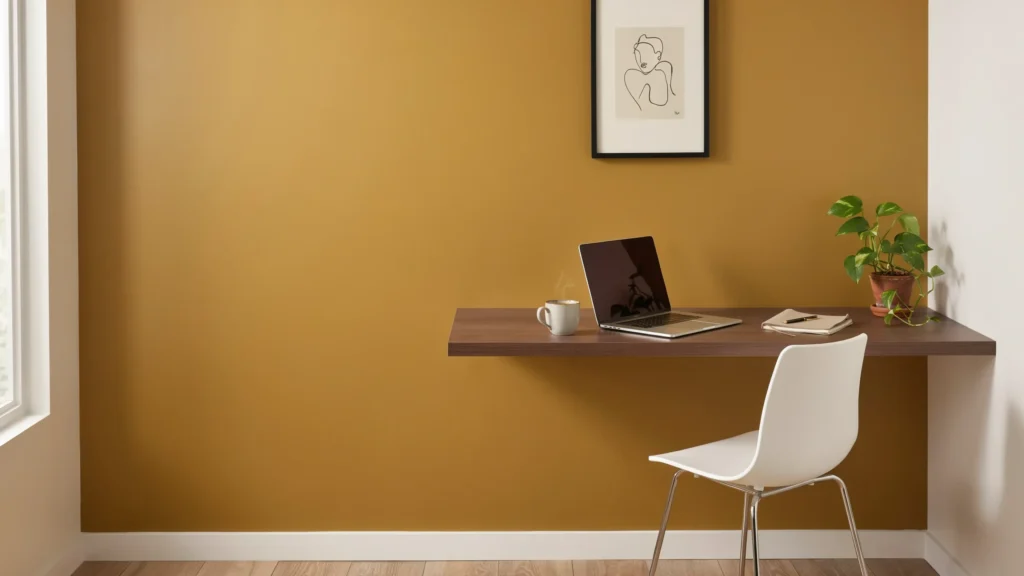
2. Embrace an All-White Colour Palette
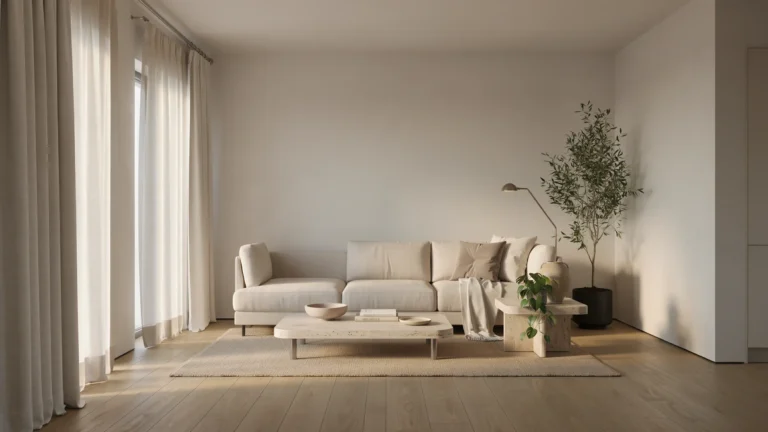
Nothing communicates clarity quite like white. An all-white home office reflects light beautifully, making the room feel bigger and brighter than it actually is. To keep it from feeling clinical or cold, layer in natural textures a woven jute rug, a linen curtain, or a light oak shelf. The contrast of soft materials against crisp white walls creates warmth without breaking the minimalist rule.
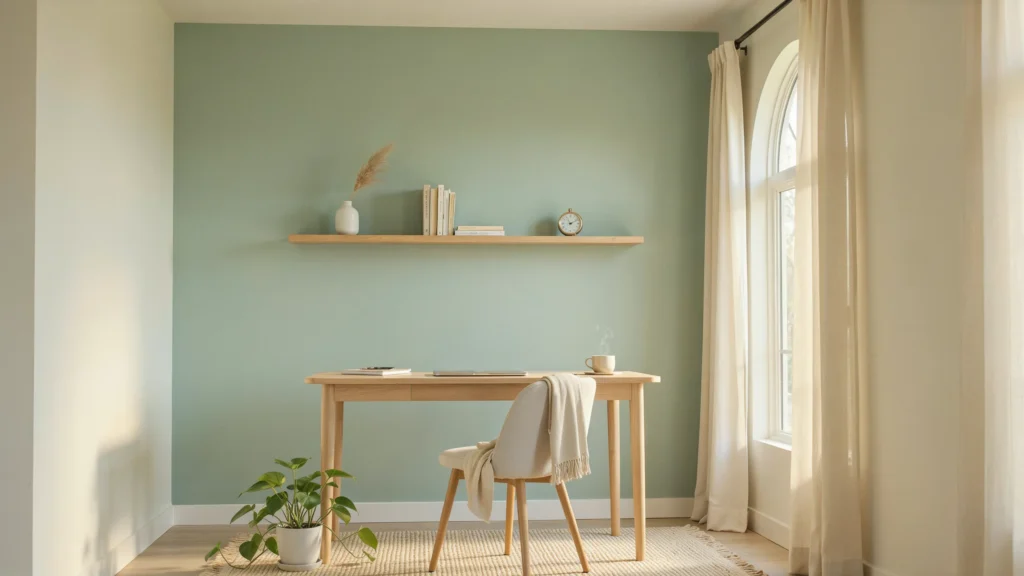
3. Create a Multi-Functional Corner
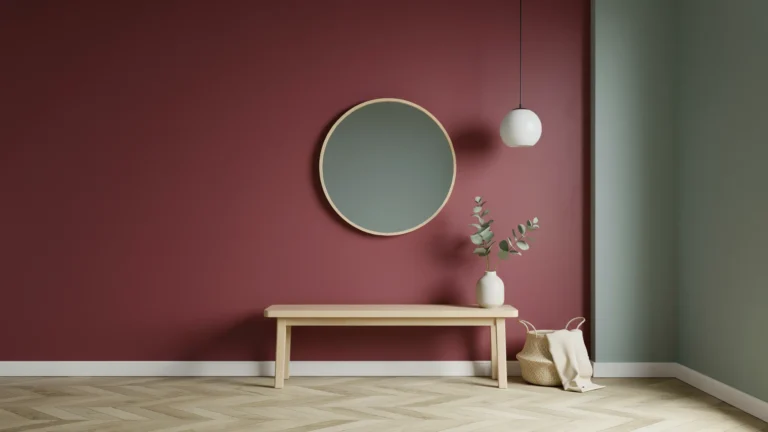
You don’t need an entire spare room to have a proper home office. A compact desk tucked into a living room or bedroom corner works just as well, especially when you define the zone subtly. A change in wall colour, a small rug underfoot, or a pendant light overhead can visually separate “work mode” from “home mode” without needing walls or doors.
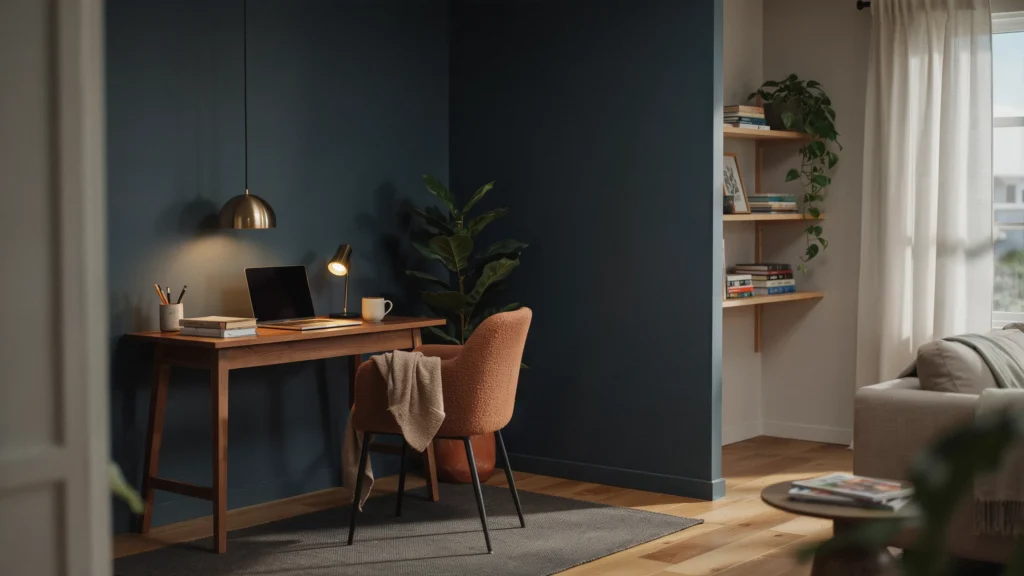
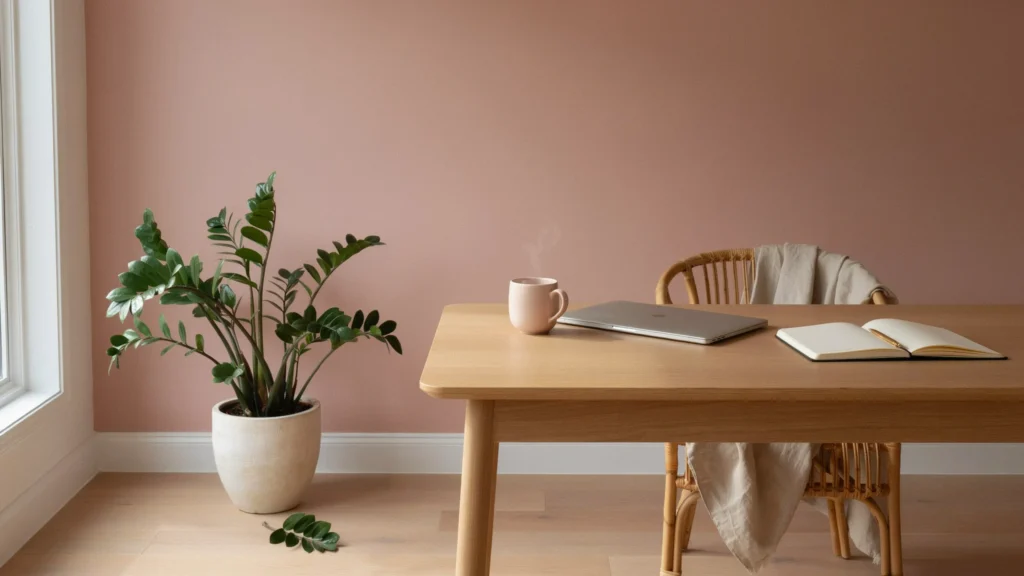
4. Bring in a Statement Plant
Minimalism doesn’t mean sterile. A single, well-placed plant can completely transform the energy of a workspace. Low-maintenance greens like pothos, ZZ plants, or a snake plant thrive indoors with minimal care and add a much-needed dose of life to an otherwise neutral room. Greenery has also been linked to lower stress and better concentration, making it one of the easiest upgrades you can make.
Image Prompt: A minimalist desk setup with a large potted ZZ plant beside it, neutral tones, natural window light.
5. Prioritise Natural Light
Positioning your desk near a window is one of the simplest yet most powerful minimalist home office ideas. Natural light boosts mood, energy, and focus far better than any overhead bulb. If your layout allows it, face your desk toward the window, or place it perpendicular to avoid glare on your screen while still soaking up the daylight.
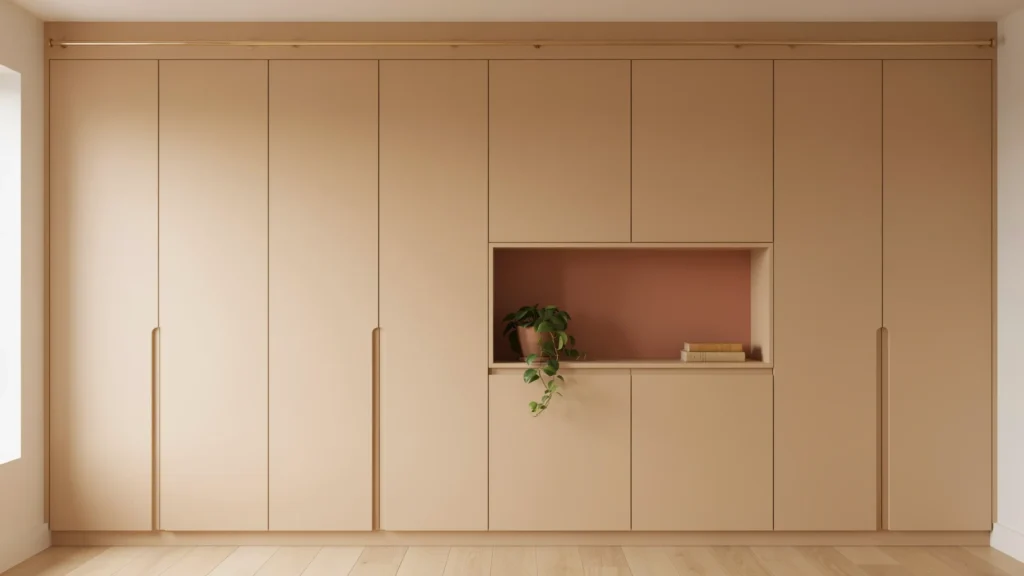
6. Choose Concealed, Clutter-Free Storage
Open shelving looks lovely in photos, but too much of it quickly turns into visual noise. For a genuinely calm office, invest in closed cabinetry or drawer units that hide printers, cables, and paperwork out of sight. Keep only a few curated items on display a plant, a notebook, a small ceramic tray and let everything else disappear behind clean cabinet fronts.
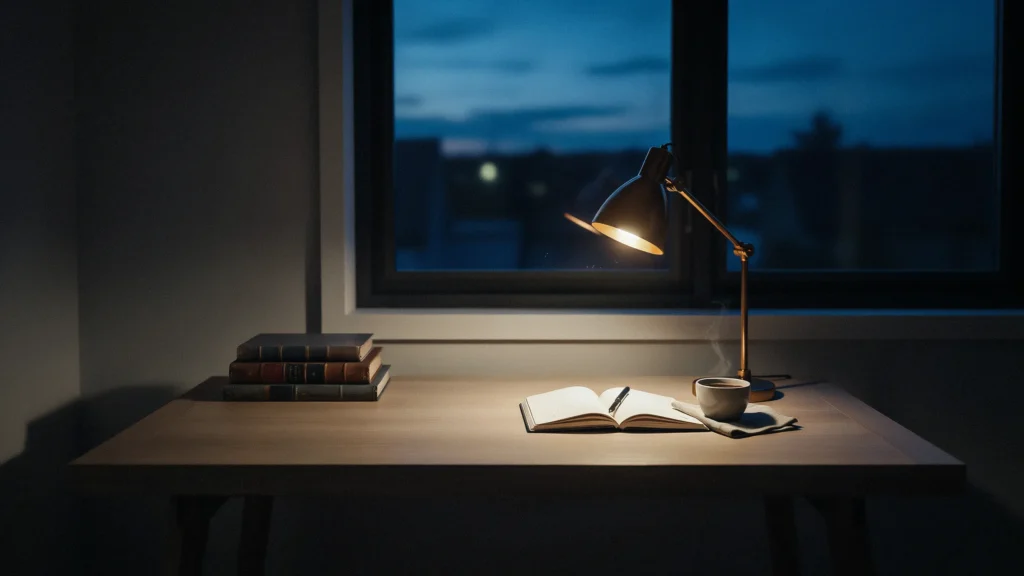
7. Layer in Warm, Soft Lighting
Harsh overhead lighting can make even the most beautifully designed office feel cold and uninviting. Instead, layer your lighting: start with ambient light for general warmth, add a slim task lamp at your desk for focused work, and consider a small accent light for evenings. Stick to warm bulbs in the 3000K–3500K range for a soft, welcoming glow that doesn’t strain your eyes during long hours.
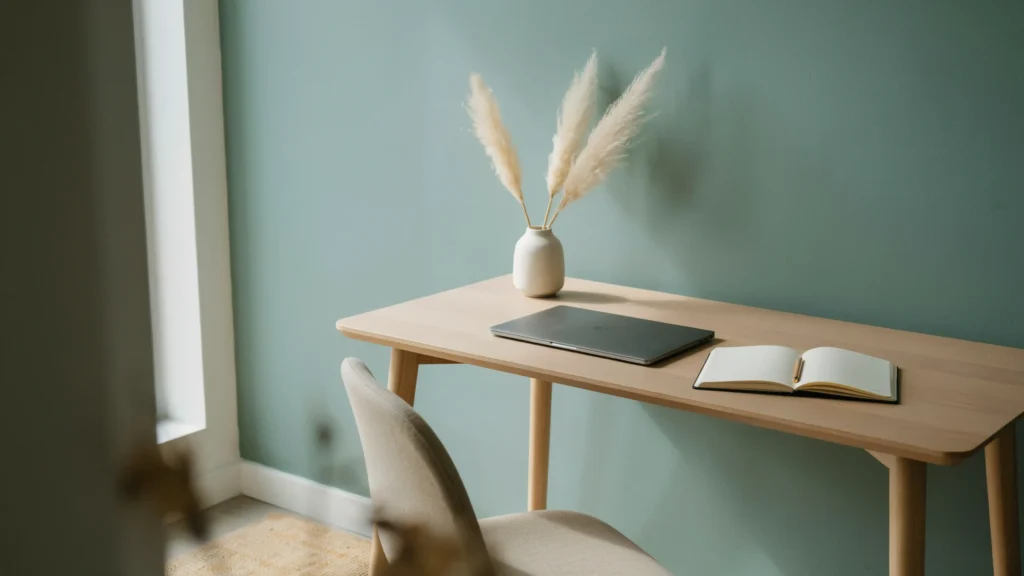
8. Stick to a Soft, Calming Colour Palette
Colour has a direct effect on how you feel while you work. Soft neutrals whites, warm greys, sandy beiges create a spacious, distraction-free backdrop that suits almost any minimalist design. If you want a touch of personality, sage green and dusty blue are excellent choices; both are known to support focus and a sense of calm without overwhelming the senses.
9. Hide Your Cables Completely
Few things break the calm of a minimalist office faster than a tangle of visible wires. Built-in cable trays, under-desk organisers, or simple adhesive clips can instantly clean up your setup. Route your cords along the back of the desk or through a designated channel so your workspace stays visually seamless from every angle.
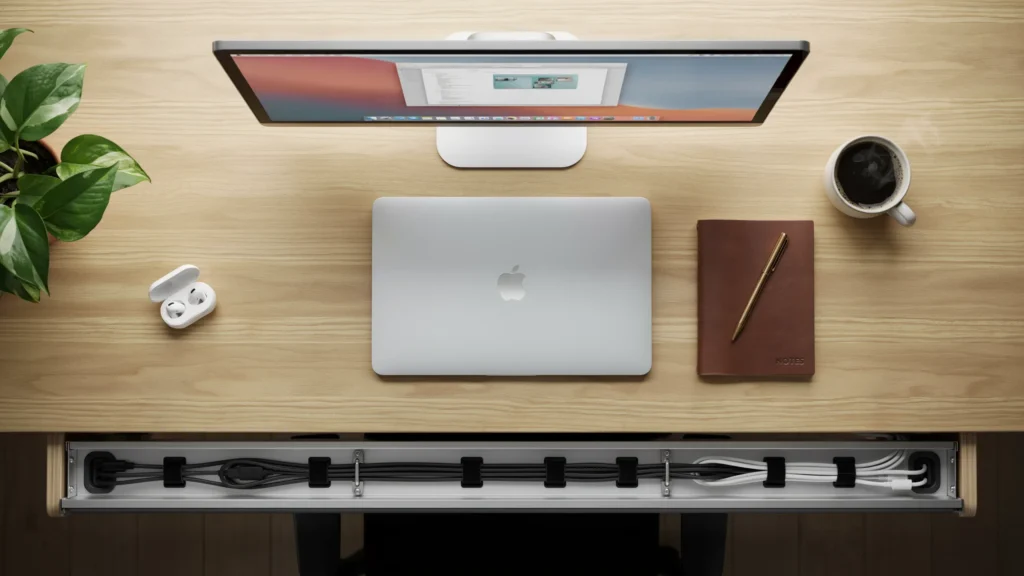
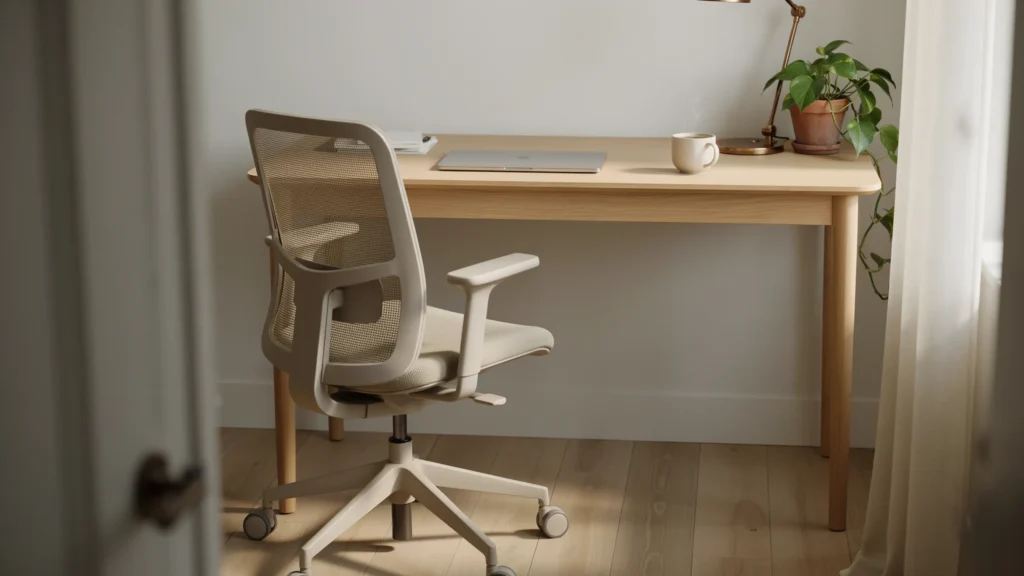
10. Invest in an Ergonomic (but Sleek) Chair
Minimalist doesn’t have to mean uncomfortable. Look for a chair with clean lines and neutral upholstery that still offers proper lumbar support and adjustable height. Your body will thank you during long work sessions, and a well-chosen chair can actually become the design anchor of the whole room rather than an eyesore you have to work around.
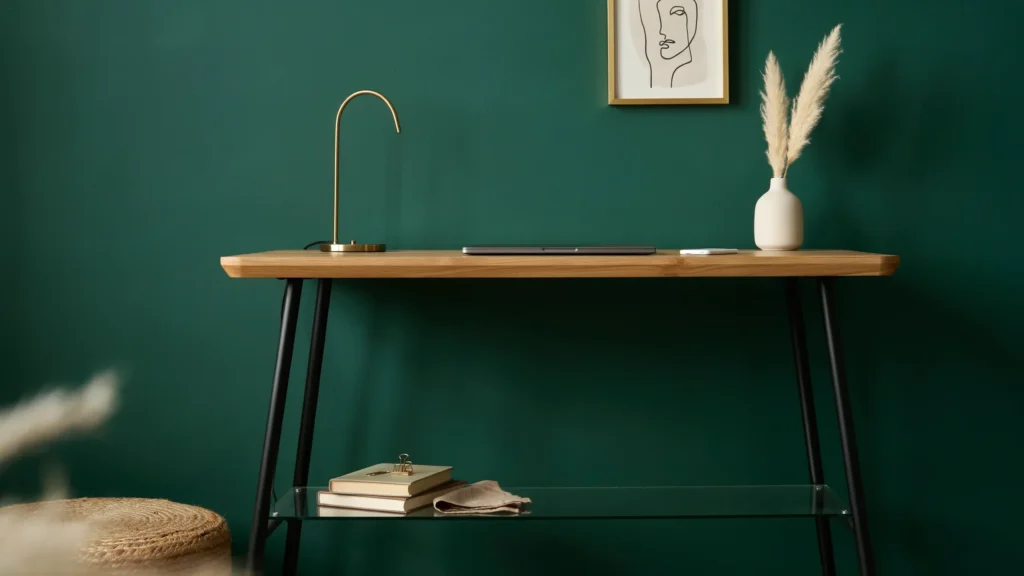
11. Mix Materials Instead of Adding Clutter
Instead of decorating with more objects, add personality through material contrast. Combine light oak or walnut wood with matte black metal accents, or introduce a touch of frosted glass for depth. This layering technique keeps the eye interested without adding a single extra item to your desk.
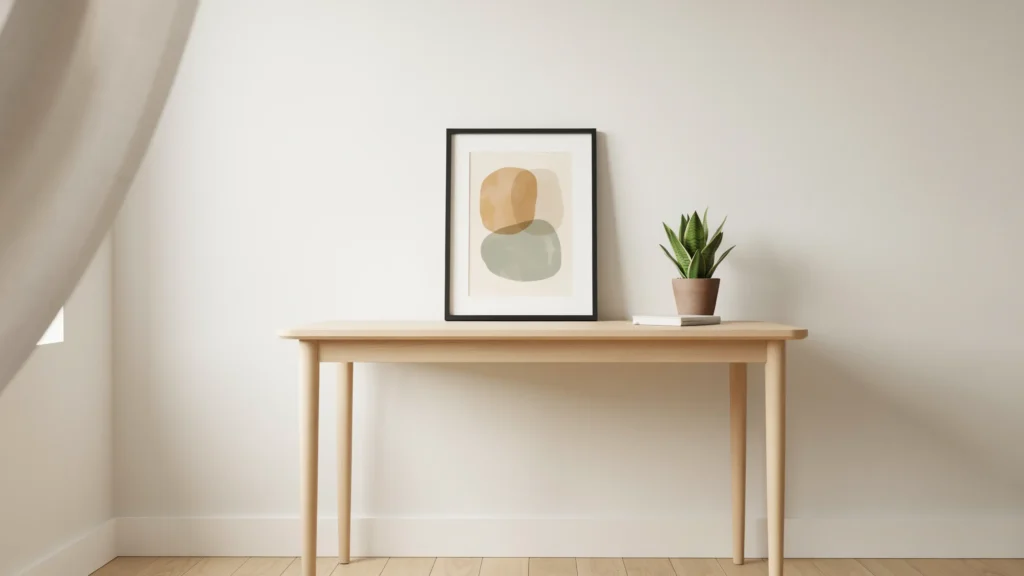
12. Use a Single Piece of Meaningful Decor
Rather than filling shelves with trinkets, choose one meaningful piece a framed print, a ceramic vase, or a small sculpture that reflects your personality. This single focal point gives the room warmth and character while keeping the overall look intentional and uncluttered.
13. Add Texture Through Textiles
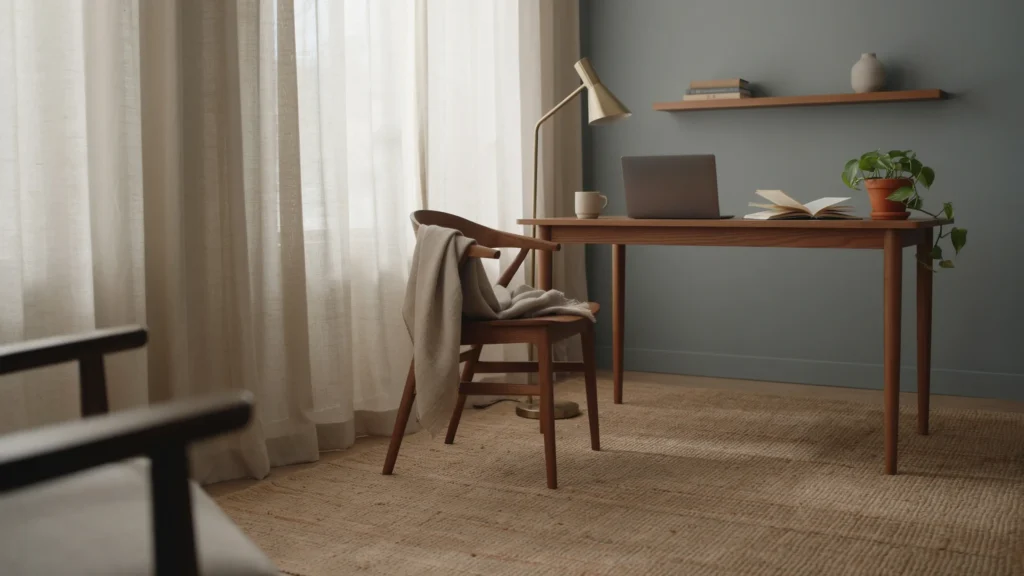
A minimalist room can sometimes feel flat if every surface is smooth and hard. Introduce texture through a linen curtain, a wool throw over your chair, or a woven rug underfoot. These soft layers add warmth and even help absorb sound, making your workspace feel more comfortable during long hours.
14. Keep Your Desk Surface Almost Empty
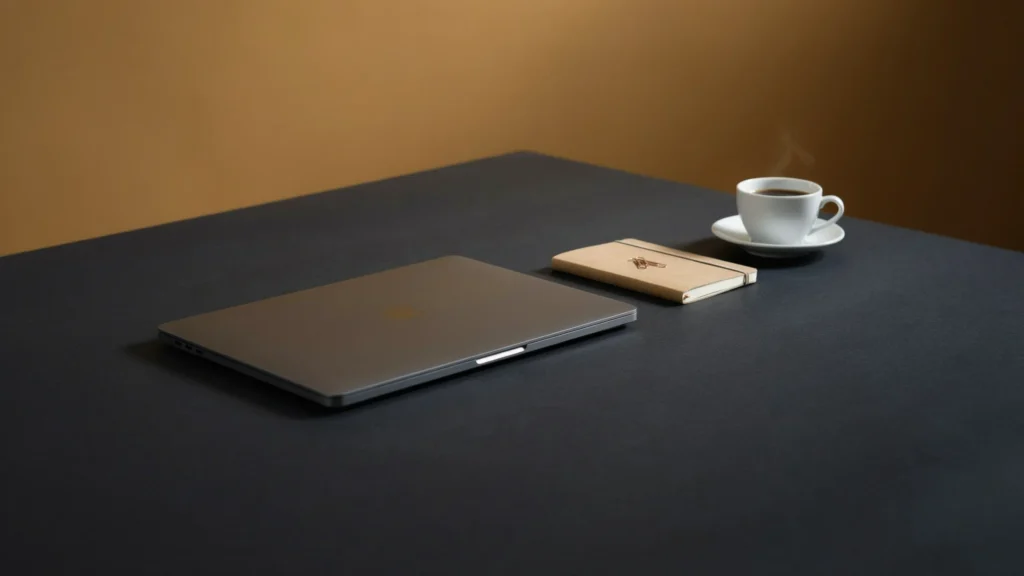
The golden rule of minimalist design is simple: if it’s not used daily, it doesn’t belong on your desk. Keep only your laptop, a notebook, and perhaps a small plant or cup in view. Everything else chargers, extra pens, paperwork should live in a drawer. An empty desk surface is proven to reduce visual distraction and helps your brain settle into focus mode faster.
15. Define the Space With a Rug or Flooring Change
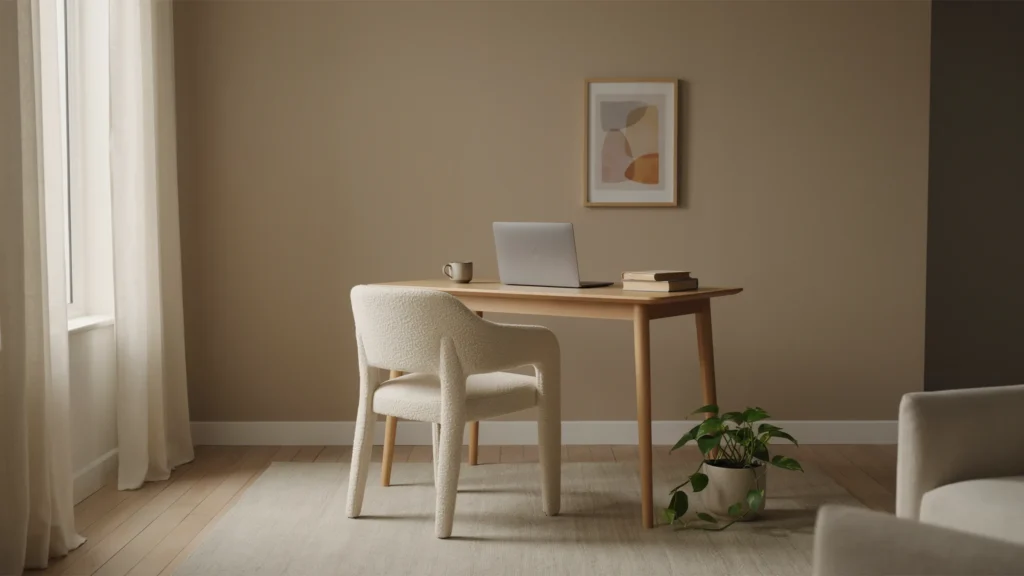
If your office lives inside a larger room, a rug is one of the easiest ways to anchor the space without adding walls. A simple, low-pile rug in a neutral tone visually separates your “work zone” from the rest of the room, adding both warmth and a sense of purpose to the corner.
Common Mistakes to Avoid in Minimalist Home Office Design
Even with the best intentions, it’s easy to get minimalism wrong. Here are a few pitfalls to watch out for:
- Over-simplifying: A room that’s too bare can feel cold rather than calm. Balance emptiness with natural textures like wood or linen.
- Ignoring ergonomics: A stylish chair that hurts your back isn’t minimalist, it’s impractical.
- Leaving cables exposed: Even one visible tangle of wires can undo an otherwise clean setup.
- Decorating without purpose: Minimalism is about editing, not filling gaps with random objects.
- Using too many colours: Stick to two or three tones maximum to keep the space cohesive.
Why a Minimalist Home Office Actually Improves Productivity
A clean, distraction-free environment isn’t just visually pleasing, it has a real impact on how your brain functions. Fewer visual distractions mean fewer interruptions to your train of thought. Soft, neutral tones lower visual stress, while natural light and greenery have both been linked to improved mood and concentration. In short, a minimalist home office design isn’t just a trend, it’s a practical tool for getting more done with less mental clutter.

Frequently Asked Questions (FAQ)
1. How do I design a minimalist home office in a small space? Choose a compact or wall-mounted desk, stick to neutral tones, and use concealed storage to keep the floor and surfaces clear.
2. What are the essential items for a minimalist home office? A functional desk, an ergonomic chair, focused task lighting, and minimal tech clutter are really all you need to start.
3. Is a minimalist office setup actually good for productivity? Yes. A clean, organised space reduces visual distractions and mental fatigue, helping you focus for longer stretches.
4. What colours work best for a minimalist home office? Soft whites, warm greys, beige, and muted sage green are the most popular choices for creating a calm, balanced look.
5. How do I keep cables and wires organised in a minimalist setup? Use under-desk cable trays, adhesive clips, or wireless accessories to keep your desk surface completely clutter-free.
6. What kind of lighting suits a minimalist home office? Warm white bulbs in the 3000K–3500K range work best. Layer ambient light with a slim task lamp for focused work.
7. Can a minimalist home office still feel warm and personal? Absolutely. Adding one meaningful decor piece, a soft rug, or natural textures like linen and wood keeps the space personal without adding clutter.
8. Do I need a separate room for a minimalist home office? Not at all. A well-defined corner in your bedroom or living room, marked with a rug or a subtle colour shift, works just as well.