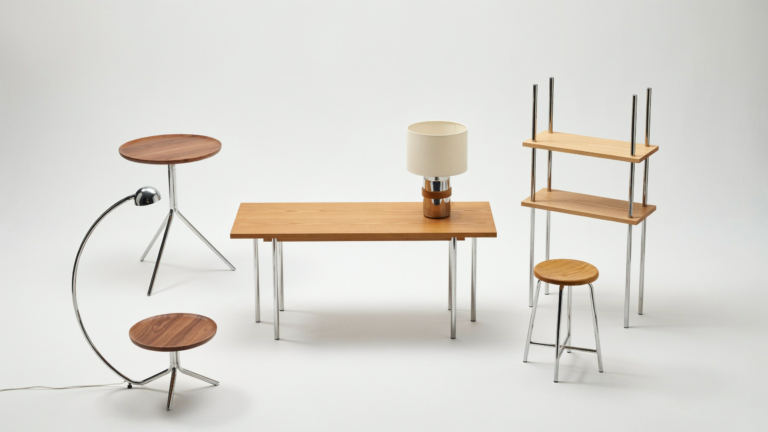
Yes, you can learn how to make your home look luxurious on a budget, and the secret is that luxury is mostly about light, scale and order, not money. The changes that read expensive are usually the cheapest ones: warm layered lighting, curtains hung high, a rug that is big enough, and surfaces with room to breathe.
This guide ranks 12 changes by impact per cost and walks through them room by room, starting at the front door. None of them needs new furniture. Most of them cost less than a takeaway dinner, and a few cost nothing at all.
How to Make Your Home Look Luxurious on a Budget: Start at the Front Door
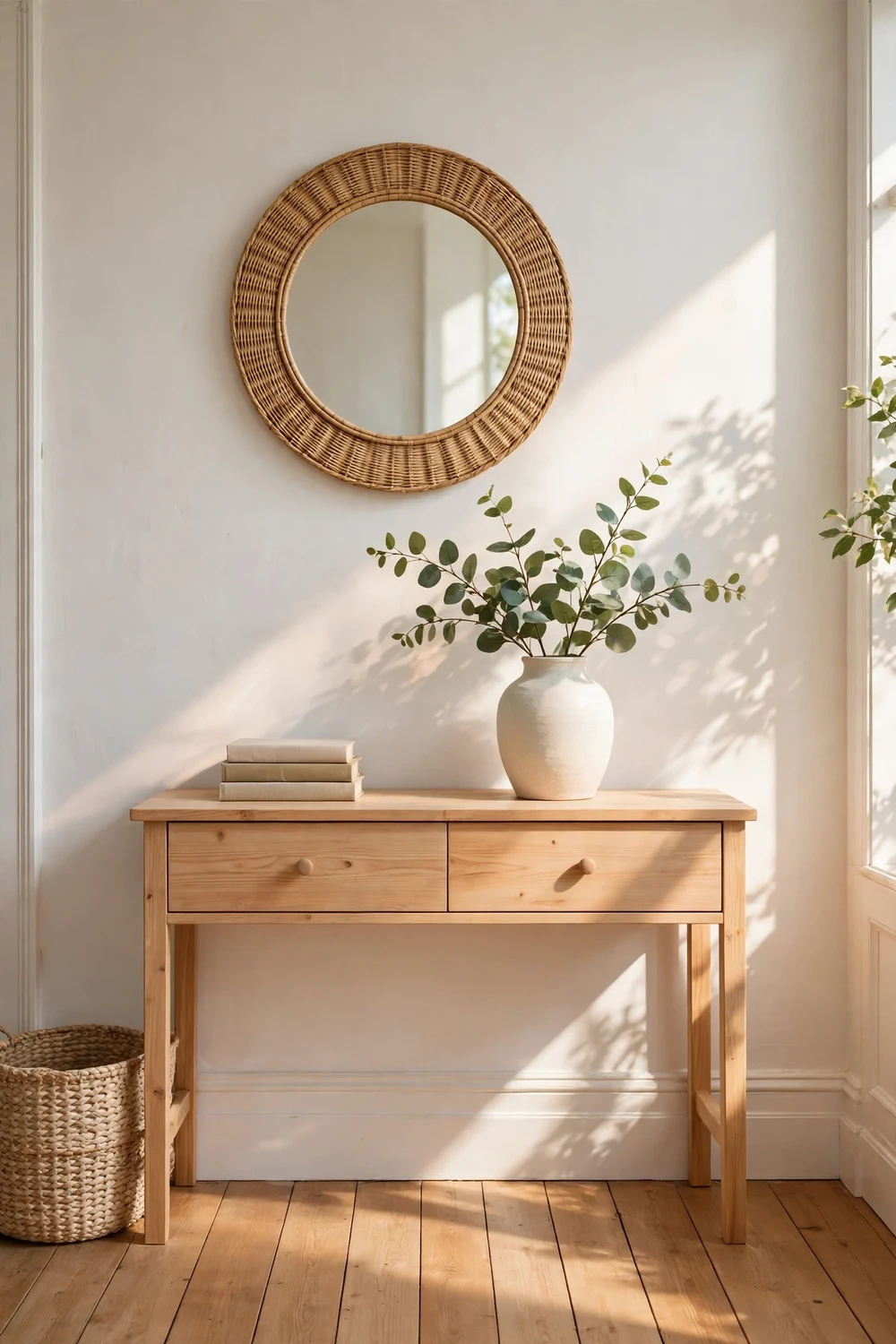
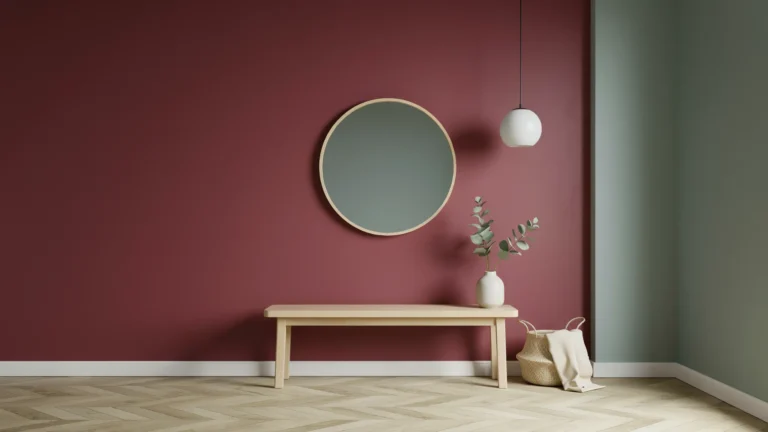
The entryway is the first thing you see when you come home and the first thing a guest sees, so it sets the price tag for the whole house in about five seconds. A bare wall with a pile of shoes says one thing. A small console, a mirror and one vase of greenery says something completely different, and the difference costs very little.
Start with the mirror. A round mirror above a console table bounces light around and makes a narrow hallway feel wider, which is exactly what expensive homes do with space. Hang it so the centre sits at eye level, usually around 150 to 160 cm from the floor. If you already own a mirror, move it here before you buy anything.
Next, give the entryway one clear surface. A console table, a narrow bench or even a small shelf will do. Keep it nearly empty: a tray for keys, a small lamp or a candle, and one vase. That is all. The empty space around those few things is what makes the arrangement look considered rather than crowded, and considered is the word luxury is built on.
Add something alive. A small bunch of eucalyptus, a few stems from the garden, or a hardy potted plant on the floor beside the console changes the whole feeling of the space. Fresh greenery is one of the cheapest ways to make your home look expensive on a budget, because it brings in colour and life that no object can fake. If real plants die on you, one good faux stem in a simple vase is better than a crowded shelf of dusty ornaments.
Finally, hide the mess. A woven basket by the door holds shoes, scarves and dog leads without a fuss, and a row of matching hooks beats a pile of coats on a chair every time. Put a small rug or runner at the door too, one that is wide enough to step onto fully. A tiny mat that your feet miss looks like an afterthought.
Here is the ranking that shapes the rest of this guide: the changes below are ordered by how much they show for how little they cost.
| Change | Typical cost | Impact | Why it works |
|---|---|---|---|
| Warm layered lighting | Low | Very high | Light sets the mood of every room |
| Curtains hung high and wide | Low to medium | Very high | Taller windows make the room feel grander |
| Rug in the right size | Medium | High | Grounds the furniture and finishes the room |
| Declutter and style surfaces | Free | High | Empty space reads as calm and considered |
| Hardware swaps | Low | High | New knobs make old furniture feel custom |
| Large-scale art | Low to medium | High | One big piece beats a wall of small frames |
| Textiles: velvet, linen, boucle | Low to medium | Medium to high | Touch is how a room feels expensive up close |
| Fresh flowers and scent | Low | Medium | Signals care the moment someone walks in |
| Entryway mirror and console | Low to medium | Medium | Sets the first impression of the home |
| Bedroom hotel touches | Low | Medium | Crisp bedding changes how the room feels |
| Matching hangers and baskets | Low | Medium | Uniform storage looks calm and intentional |
| Paint in one warm neutral | Medium | Medium | A calm backdrop lets everything else shine |
Keep this table in mind as you read. The order is the point. If you only have a weekend and a small budget, start at the top and stop when you run out of time.
The Living Room: Layering That Reads Expensive
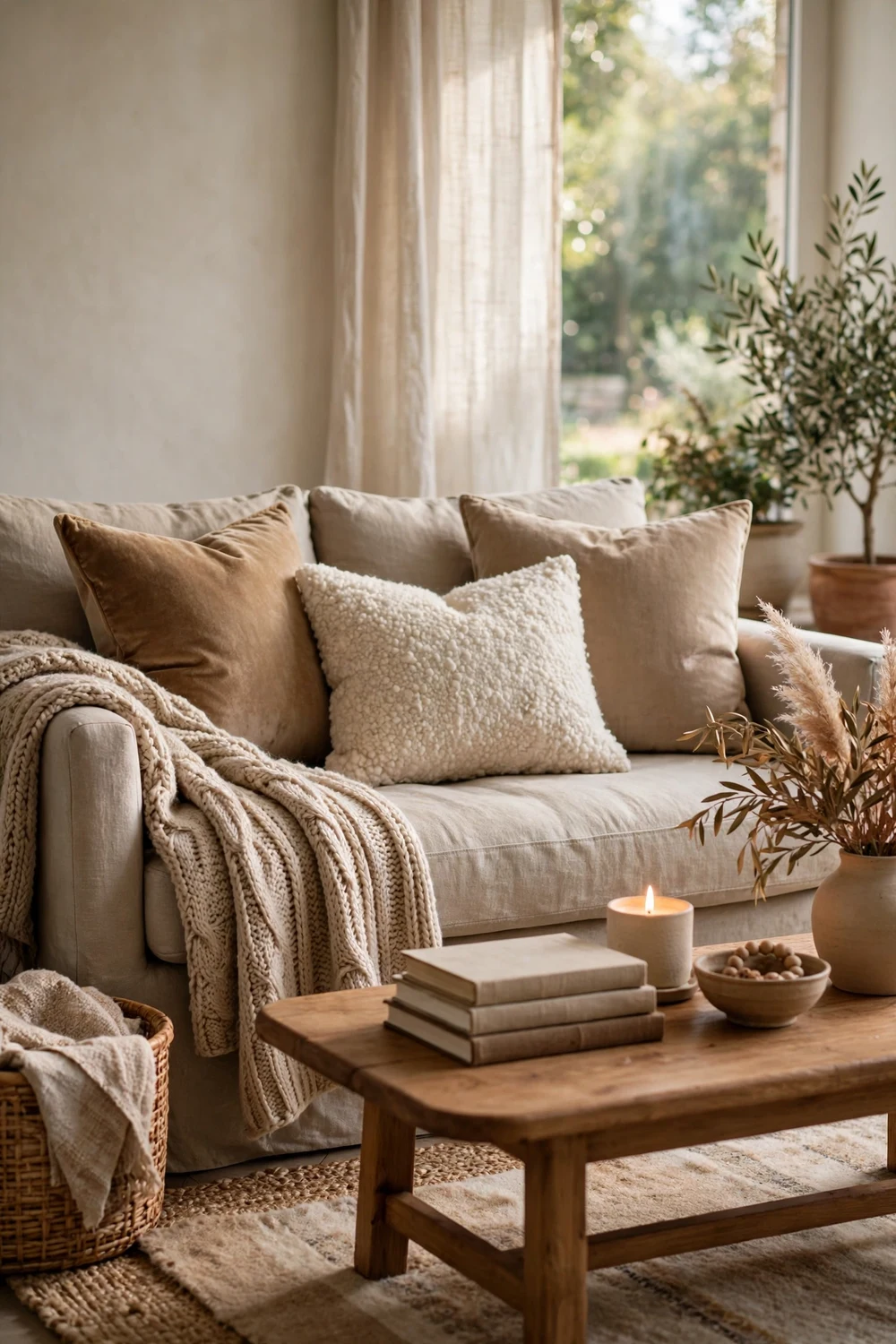
The living room is where budget luxury living room ideas matter most, because this is the room you live in and the room guests see. The good news is that a living room looks expensive when it looks layered, and layering is mostly about arranging what you already own with a little more care.
Start with the sofa, since it is the biggest thing in the room. If the sofa itself is plain, that is fine. Plain is a good base. What makes it look high end is what sits on it: two or three cushions in different textures, not matching sets. Try one velvet cushion, one linen cushion and one in boucle or a soft knit. Keep the colours close together, warm neutrals with one deeper tone, so the mix feels rich rather than random. Oversized inserts are the quiet trick here. A 50 cm cushion cover stuffed with a 55 cm insert looks plump and full, while a flat insert looks tired no matter how nice the fabric is.
Add a throw, but drape it like you mean it. A throw folded neatly over one arm looks staged. A throw tossed loosely over the back of the sofa with one corner folded looks lived in and inviting, which is what luxury actually feels like. Choose a throw with some weight to it, a chunky knit or a soft wool blend, rather than a thin shiny one.
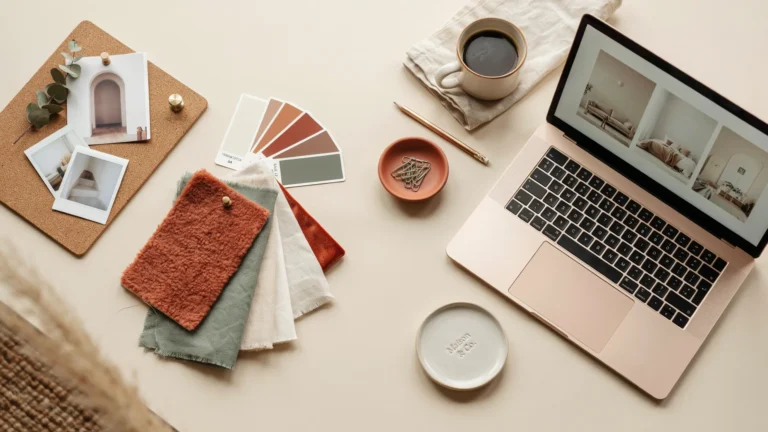
Now look at the coffee table. A coffee table with nothing on it looks unfinished, and a coffee table covered in clutter looks stressed. The middle ground is three things: a stack of two or three books, one object with height like a vase or a candle holder, and one low object like a small bowl. That mix of heights is what stylists do, and it works because your eye moves around the arrangement instead of sliding off it. If you want colour ideas for the cushions and throws, these interior colour trends for cozy homes are a good place to start, since a warm palette does half the work before you buy anything.
Finally, check the layout. Pull the sofa and chairs a few centimetres away from the walls if you can, and angle them slightly toward each other. Furniture pushed flat against every wall makes a room feel like a waiting area. A small gap behind the sofa, even just 10 cm, makes the room feel designed rather than parked. If your sofa itself is the problem, these comfortable sofa ideas for relaxing living rooms show how shape and fabric change the feel of a whole room.
Lighting: The Cheapest Luxury in the House
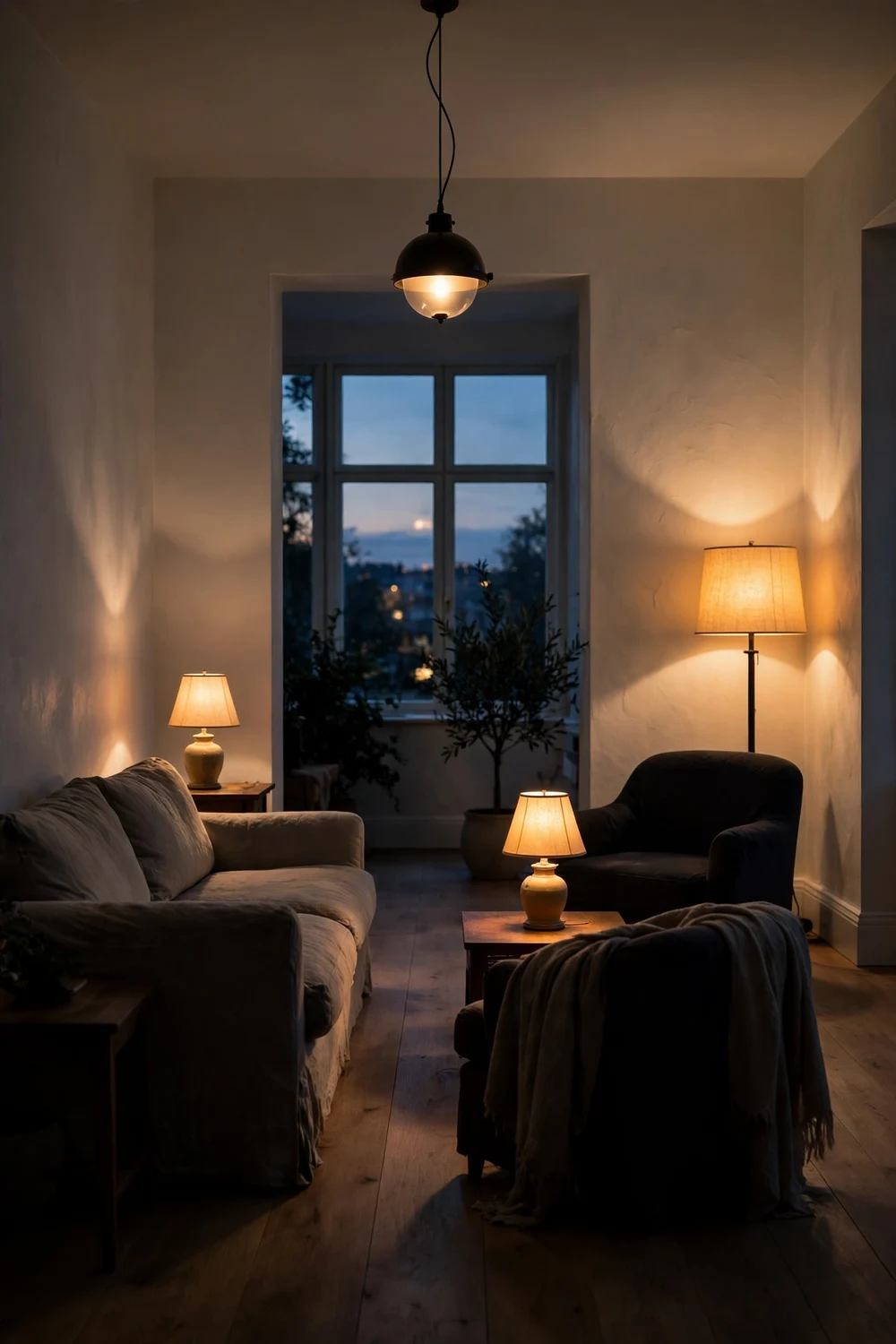
If you change one thing in this whole guide, change the lighting. Nothing else transforms a room so fast for so little money. A single bright ceiling light in the middle of a room flattens everything. It lights the ceiling, casts hard shadows, and makes even a beautiful room feel like an office. Warm layered light does the opposite. It pools in corners, softens edges, and makes the room glow.
Layering means three kinds of light in one room. The ceiling light is the base layer, but it should rarely work alone. A floor lamp in a corner is the second layer, and a table lamp on a side table or console is the third. When all three are on at a low level, the room feels deep and warm. When only the ceiling light is on, the room feels flat. You probably own at least one lamp already. Move it into the living room tonight and see the difference before you buy another.
Colour temperature matters as much as brightness. Look for bulbs marked warm white, around 2700K. Cool white bulbs, the ones that look slightly blue, make skin look tired and wood look grey. Warm light makes wood glow, makes fabric look richer, and makes people look better, which is the real reason expensive hotels and restaurants use it everywhere. Swapping cool bulbs for warm ones is one of the cheap ways to make home look expensive, and it takes five minutes a room.
Dimmers are the upgrade that pays for itself in feeling. A dimmer switch on the main living room light lets you turn the brightness down in the evening so the lamps do the work. If your wiring does not allow a dimmer, use smart bulbs or plug in lamps with a dimmer on the cord. The goal is the same: light you can turn down. Bright light is for cleaning and working. Low warm light is for living, and it is the light that makes a room feel luxurious.
Finally, think about where the light lands. A lamp beside the sofa lights the reading spot. A small light on a shelf or inside a bookcase makes the objects on it look curated. A candle on the coffee table adds a flicker that no bulb can copy. None of this needs to be expensive. Thrifted lamps with new shades or a simple paper lantern all work, because the warmth is what matters, not the brand on the base.
Curtains Hung High and Wide
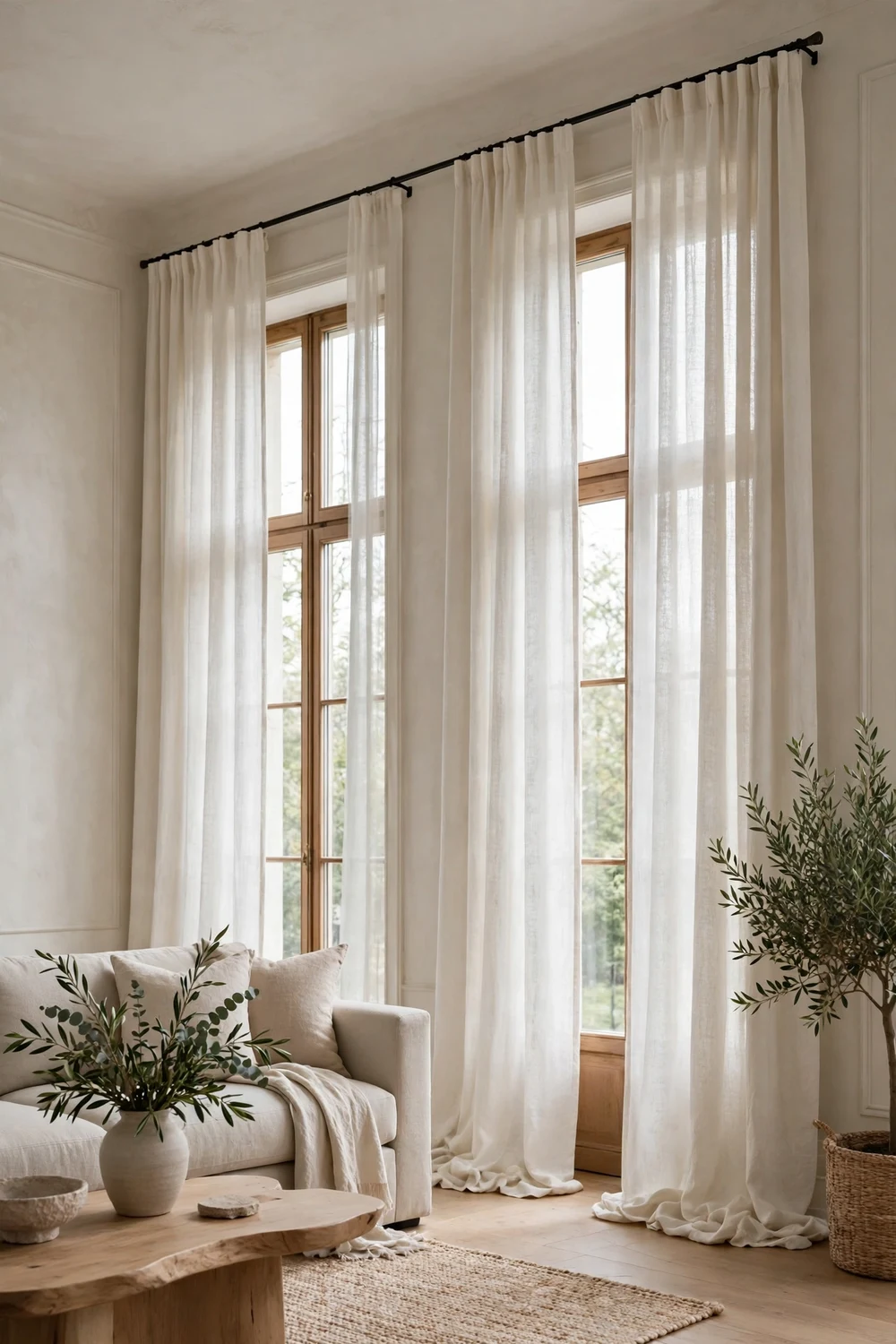
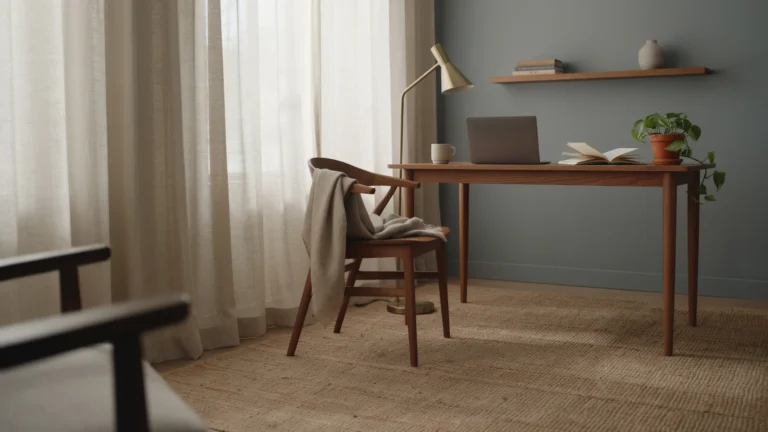
Short curtains are one of the fastest ways to make a room look unfinished. A curtain that stops at the window sill chops the wall in half and makes the window look small, and a small window makes the whole room feel small. Floor length curtains hung high and wide do the opposite. They make the window look taller, the ceiling look higher, and the room look grander, all for the price of a rod and two panels.</
Here are the measurements that matter. Hang the rod 10 to 15 cm above the window frame, or halfway between the frame and the ceiling if the gap is large. Extend the rod 15 to 25 cm past the frame on each side, so the curtains stack over the wall rather than over the glass when they are open. That way the window looks wider and more light comes in. The panels themselves should just touch the floor, or pool by 2 to 3 cm for a softer, more formal look. Curtains that hover a few centimetres above the floor look like they shrank in the wash.
Fabric choice matters more than pattern. Plain linen, cotton or a linen look fabric in warm white, soft cream or pale greige reads expensive in almost any room. Heavy blackout lining is worth having, because it makes the panels hang in smooth, full folds instead of flapping flat. Avoid shiny satin and busy prints unless the rest of the room is very plain. In luxury home decor on a budget, plain fabric with a good drape beats a fancy pattern every time.
Width is where most people go wrong. Two narrow panels pulled tight across a window look stretched and mean. For a full look, the combined width of the panels should be at least one and a half times the width of the window, and twice is better. That fullness is what makes curtains look generous rather than stingy.
One honest note: hanging curtains properly takes a drill, a level and a bit of patience, and it is worth doing it right. A rod that sags in the middle or sits crooked will undo all the good work. Measure twice, use wall plugs in plasterboard, and step back to check the line before you tighten everything.
Rugs and Hardware: Two Small Swaps With a Big Payoff
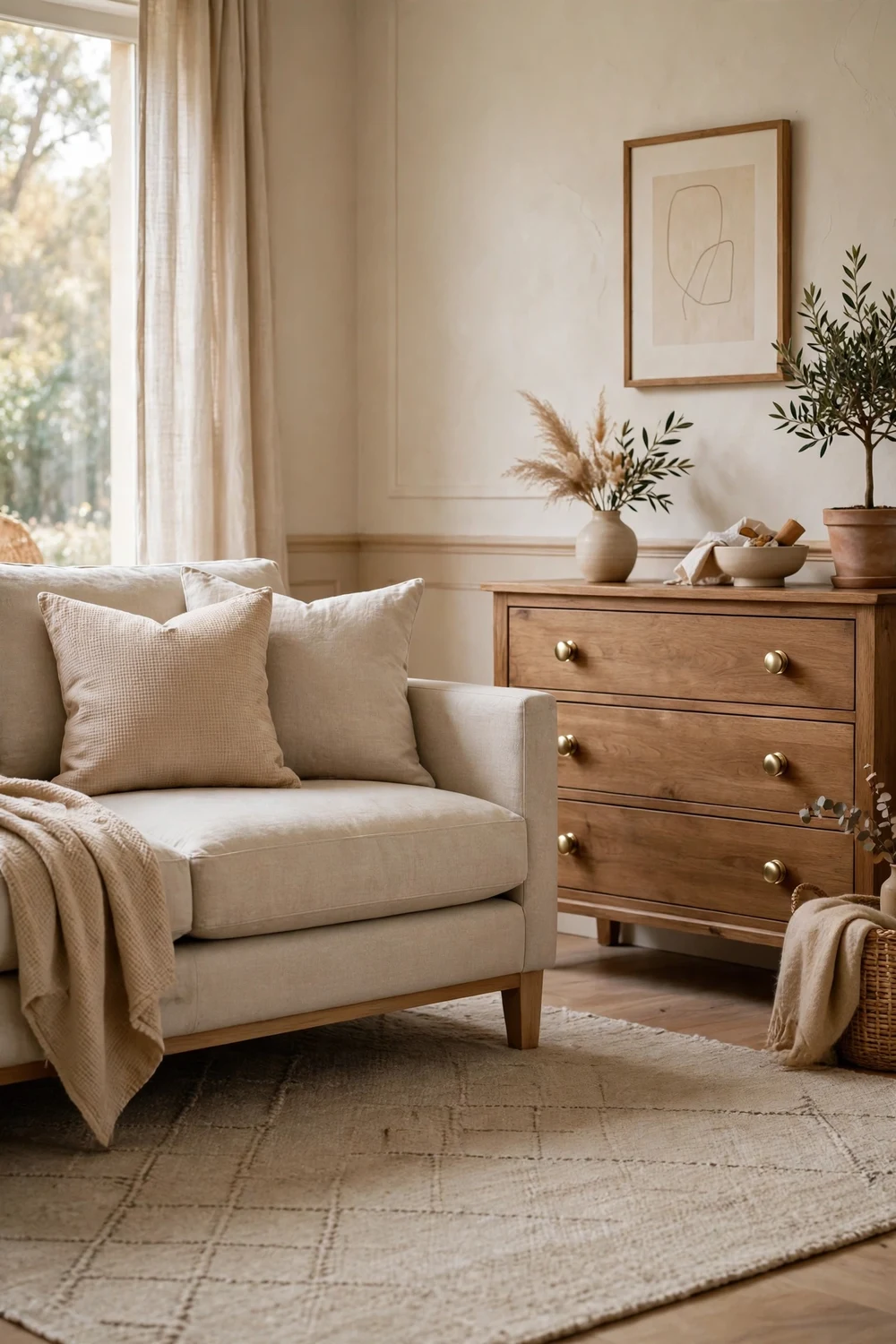
A rug that is too small is one of the most common mistakes in home decor, and it is also one of the easiest to fix. A small rug floating in the middle of the floor makes the furniture look scattered, like pieces that do not belong together. A rug that is big enough pulls the furniture into one group, and the room suddenly looks finished. The rule is simple: the front legs of the sofa and chairs should sit on the rug. If only the coffee table sits on it, the rug is too small.
For a standard living room, a rug around 240 by 300 cm usually works, and a room with a three seater sofa often needs 270 by 360 cm. Measure the seating area, not the room. Lay out the shape with painter’s tape on the floor before you buy, and live with the outline for a day. As for colour, a plain rug in a warm neutral with a subtle texture is the safest choice. It will outlast trends, it hides everyday marks, and it lets the cushions and art carry the colour.
Hardware is the other half of this section, and it is the smallest spend with the most visible return. The knobs and pulls on a dresser, a kitchen cabinet or a bathroom vanity are the jewellery of the furniture. It is the classic high end look low budget trick: change the smallest visible detail and the whole piece reads custom. Swap plain plastic or dated brass knobs for brushed brass, matt black or simple leather pulls, and an ordinary piece of furniture looks custom. The change takes a screwdriver and half an hour, and you can do one piece at a time as the budget allows.
Before you buy, check the hole spacing on your existing handles. Most drawer pulls have holes 96 mm or 128 mm apart, and buying the same spacing means no new holes to drill. Buy one first and test it on a drawer before ordering a full set.
Match the finish across a room, but do not obsess over matching it across the house. Brushed brass in the living room, matt black in the kitchen and chrome in the bathroom can all live in one home quite happily. What looks cheap is mixing three finishes on the same piece of furniture. Pick one finish per piece, keep it consistent, and the whole room will feel more intentional.
Large Art and Rich Textiles

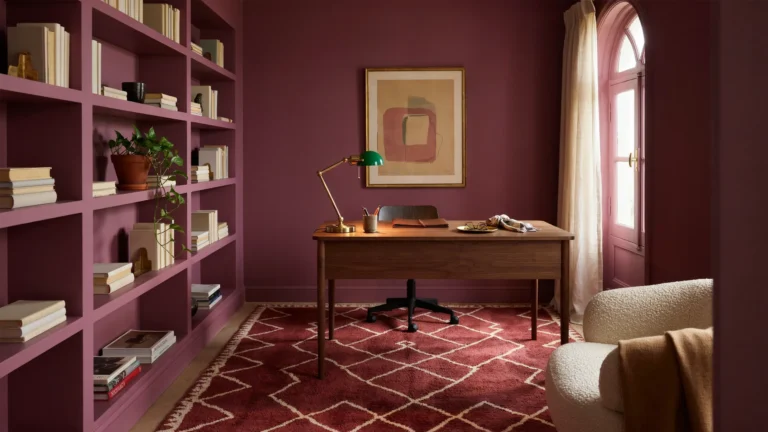
A wall covered in small frames looks busy and uncertain, like a room that could not decide what it wanted. One large piece of art does the opposite. It gives the eye a place to rest, it anchors the wall, and it makes the room feel confident. Scale is the secret. Art above a sofa should be about two thirds the width of the sofa, and its centre should sit at eye level, around 145 to 150 cm from the floor. A small picture hung high above a big sofa is the most common art mistake there is, and it makes both the art and the sofa look smaller.
You do not need an expensive original. A large framed print, a piece of fabric stretched over a frame, or a canvas you paint yourself in two or three warm neutrals can all fill a wall beautifully. What matters is size, a simple frame, and colours that talk to the rest of the room.
Textiles work the same way art does: they add richness you can feel. Velvet, linen and boucle are the three fabrics that read expensive most reliably, because they catch the light and invite touch. A velvet cushion, a linen throw, a boucle ottoman or even a linen table runner adds a layer of texture that flat cotton cannot. You do not need all three in one room. One or two rich textures, repeated in small doses, is enough. Too many textures at once feels restless.
My own view, after years of styling rooms on small budgets, is that texture matters more than colour when you are trying to make a room feel luxurious. A room in plain warm neutrals with velvet, linen and boucle feels rich. A room in bold colours with flat, shiny fabrics feels loud. If you have to choose where to spend a little money, spend it on the fabric your hands touch every day: the cushion covers, the throw on the sofa, the bedding. Those are the textures that tell you, every evening, that the room was made with care.
One practical tip: buy cushion covers, not whole cushions, when you want to change the look. Covers are cheaper, easier to store, and you can swap them with the seasons. Keep the inserts and change the covers. A set of velvet covers for winter and linen covers for summer gives you two rooms for the price of one.
Clear Surfaces, Fresh Flowers and a House That Smells Good
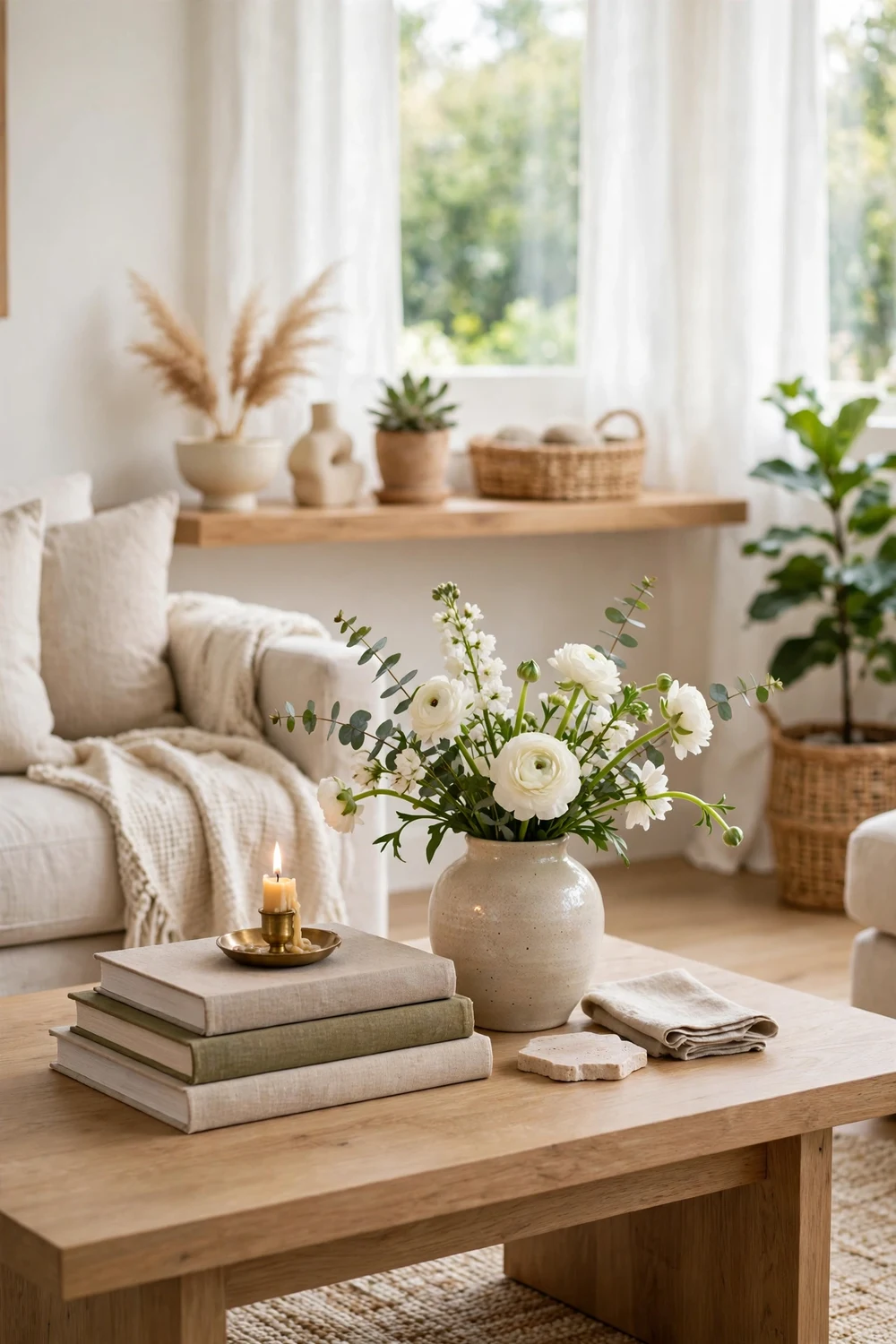
Here is the change that costs nothing and shows the most: clear the surfaces. Luxury homes are not empty, but they are calm. Every surface has a few chosen things and a good amount of empty space. Most homes have the opposite: every surface holds a little bit of everything, and the eye has nowhere to rest. Walk through your home with a basket and remove half of what sits on the tables, shelves and counters. Put the extras in a box for a month. If you do not miss them, they were clutter, not decor.
Once a surface is clear, style it on purpose. The rule of three works well: one tall thing, one medium thing and one low thing. A vase, a stack of books and a candle on a coffee table. Leave gaps between the groups, since those gaps are what make the things you kept look chosen instead of dumped. A reading corner styled the same way feels like a small luxury of its own, and these reading nook ideas with bookshelves show how little it takes to make one feel deliberate.
Fresh flowers are the finishing touch that no object can replace. A small bunch of white flowers, a few stems of eucalyptus or a branch cut from the garden costs very little, and it tells everyone who walks in that someone cares about this house. Put them where you see them most: the kitchen counter, the coffee table, the bedside table. Change the water every two days and trim the stems, and a modest bunch will last a week.
Scent works the same way flowers do, quietly and powerfully. A home that smells clean and warm feels luxurious before anyone has looked at anything. Open the windows for ten minutes a day, even in winter, because fresh air is the cheapest scent there is. Then add one scent, not five: a candle, a diffuser or a simmer pot on the stove with citrus and cinnamon. One scent reads as calm. Five scents competing with each other reads as a shop.
Do not forget the hidden surfaces. A tidy shelf inside a glass fronted cabinet, matching hangers in the wardrobe, folded towels stacked neatly in the bathroom: these are the details guests notice when they open a door, and they cost nothing but ten minutes.
The Bedroom Hotel Test, and Where to Spend vs Where to Save
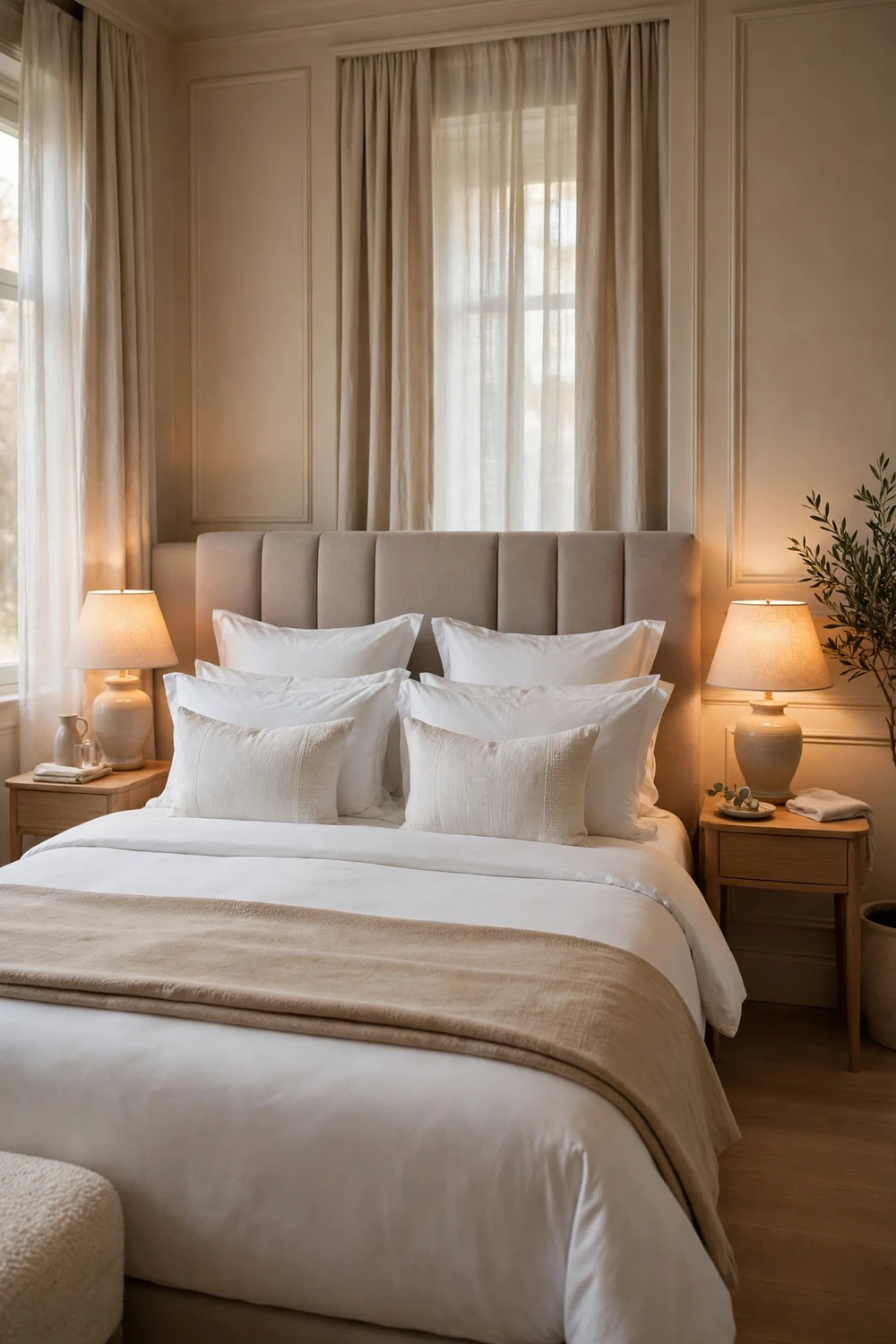
The bedroom is the easiest room to make feel like a hotel, and the test is simple: does the bed look like someone made it with care, or does it look like someone just got out of it? A hotel bed is layered, crisp and inviting, and you can copy that feeling without copying the price tag. Start with white or pale bedding. It looks clean, it makes the room feel brighter, and it hides nothing, which is exactly why hotels use it. Wash it well, iron the pillowcases if you can, and the bed will look fresh every morning.
Layer the bed the way hotels do. A fitted sheet, a flat sheet folded back, a light duvet, and a throw folded across the foot of the bed. Add two sleeping pillows and two larger European pillows behind them, then one small cushion in front. That is the whole formula. It takes two extra minutes in the morning and it changes the room completely. A bedside lamp on each side, both warm and low, finishes the look. If you want more bedroom inspiration, these elegant guest bedroom ideas for adults and these luxury guest bedroom design ideas show how the same layering works in any size of room, and these romantic bedroom ideas for a dreamy makeover show how soft light and layered fabric change the mood at night.
Now the part that saves you money: spend on the things your body touches every day, and save on things that only decorate. Good bedding and solid lighting are worth the money, because you feel them every night. Trendy ornaments and a statement vase are not, so buy those secondhand or on sale.
| Item | Spend or save | Why |
|---|---|---|
| Bedding and mattress topper | Spend | You feel it every night, and it sets the bedroom mood |
| Lighting and warm bulbs | Spend | Light shapes every room, every evening |
| Curtain fabric and lining | Spend | Good drape is visible from across the room |
| Rug in the right size | Spend | Too small is the mistake you see every day |
| Paint in a warm neutral | Spend a little | A calm backdrop lifts everything else |
| Cushion covers and throws | Save | Covers are cheap to swap, inserts last for years |
| Knobs, pulls and hooks | Save | Small hardware is cheap and easy to change |
| Large art prints and frames | Save | Prints and thrifted frames look the same on the wall |
| Vases, candles and ornaments | Save | Thrifted and sale pieces do the same job |
| Fresh flowers | Save | A small bunch or garden stems is enough |
One last note on the bedroom: keep the surfaces beside the bed clear, just like the living room. A lamp, a book and a glass of water is enough. A bedside table piled with chargers, bottles and old magazines undoes all the hotel feeling in one glance.
Questions About How to Make Your Home Look Luxurious on a Budget, Answered
What is the cheapest way to make a home look luxurious?
Warm layered lighting, followed closely by clearing the surfaces. Swap cool white bulbs for warm white ones, add a floor lamp and a table lamp, and remove half of what sits on your tables and shelves. Both changes cost very little, and together they change the feeling of every room.
How can I make my living room look expensive on a small budget?
Layer texture on the sofa, hang floor length curtains high and wide, and put a rug under the front legs of the furniture. Add one large piece of art instead of many small frames. Those four changes cover most of what the eye reads as expensive, and none of them needs new furniture.
Do curtains really make a room look more expensive?
Yes, when they are hung properly. Curtains that are long enough to touch the floor, hung 10 to 15 cm above the frame and wide enough to stack on the wall, make windows look taller and ceilings look higher. Short, narrow curtains do the opposite, so the measurements matter more than the price of the fabric.
What colours make a home look luxurious?
Warm neutrals do the most work: soft white, warm cream, pale greige, warm grey and muted taupe, with one deeper tone like olive, rust or navy for depth. Keep the palette calm and let texture carry the richness.
Can I make my home look luxurious without buying new furniture?
Yes. Almost every change in this guide works with the furniture you already own: new hardware, new cushion covers, better lighting, better curtains, a bigger rug, and clear styled surfaces. The furniture is rarely the problem. The light, the scale and the order around it are what make the difference.
Where should I spend money first?
Spend on the things you touch and see every day: bedding, lighting, curtain fabric and a rug in the right size. Save on decoration: vases, candles, ornaments and art prints can all be thrifted or bought on sale. Start at the top of the ranking table in this guide and work down as the budget allows.
Start With One Room This Weekend
You do not need to do all twelve changes at once. In fact, you should not. Pick one room, the one you spend the most time in, and do the three cheapest changes in it this weekend: warm the light, clear the surfaces, and hang the curtains properly. Live with that room for a week and notice how it feels in the evening. Then move to the next room. Start at the front door, work your way in, and let the house catch up with the way you want to live in it.