
A living room can look beautiful and still feel uncomfortable if the sofa is difficult to sit on. Your sofa is usually the largest piece of furniture in the room, so its shape, depth, fabric, and placement can influence how the entire space feels. The best sofas ideas living room designs do more than fill an empty wall. They create a comfortable place for reading, watching movies, talking with friends, or simply stretching out after a long day.
Comfort does not have to mean sacrificing style. A deep sectional can look polished with the right cushions, while a compact loveseat can make a small apartment feel warm without taking over the room. Curved silhouettes, soft upholstery, textured fabrics, warm colors, and practical layouts can all make a noticeable difference. These 18 ideas show how to choose and style comfortable sofas while keeping the living room attractive, balanced, and easy to use.
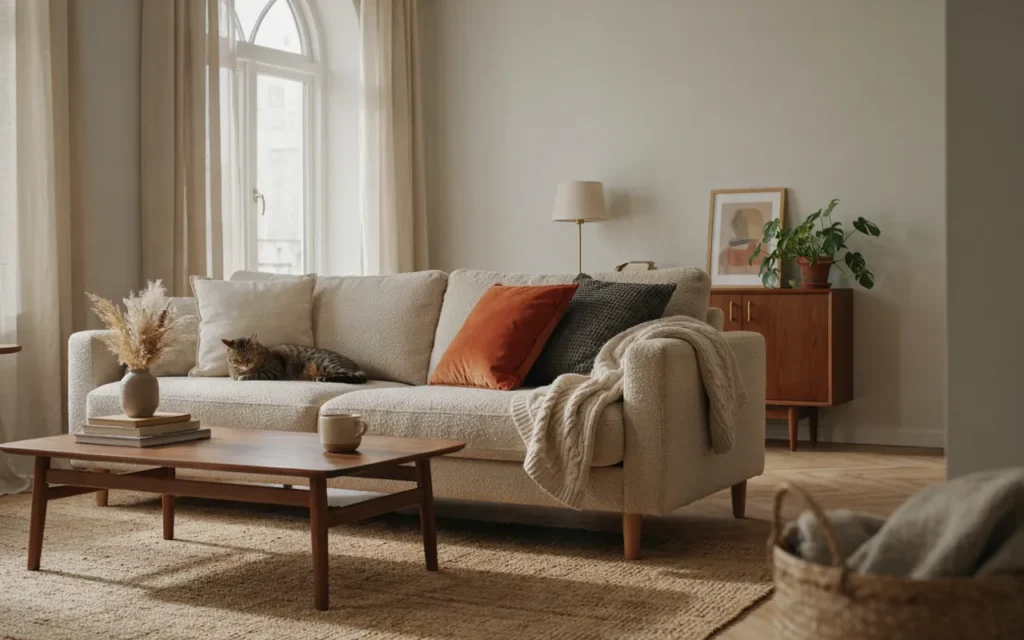
1. Deep Sectional Sofa for Maximum Comfort
A deep sectional is one of the easiest choices when relaxation is the main priority. Its generous seating area gives you enough room to sit upright or stretch your legs while watching television. This makes it particularly useful for families and anyone who spends several hours in the living room.
Choose a sectional with supportive back cushions rather than one that feels excessively soft. A medium-depth seat usually offers a better balance between lounging and everyday sitting. Add two or three oversized cushions in different textures to make the arrangement feel inviting without covering every inch of the sofa.
For a large room, position the sectional away from the walls when possible. Leaving a little breathing space behind the furniture can make the seating area feel more intentional and can also help define an open-plan layout.
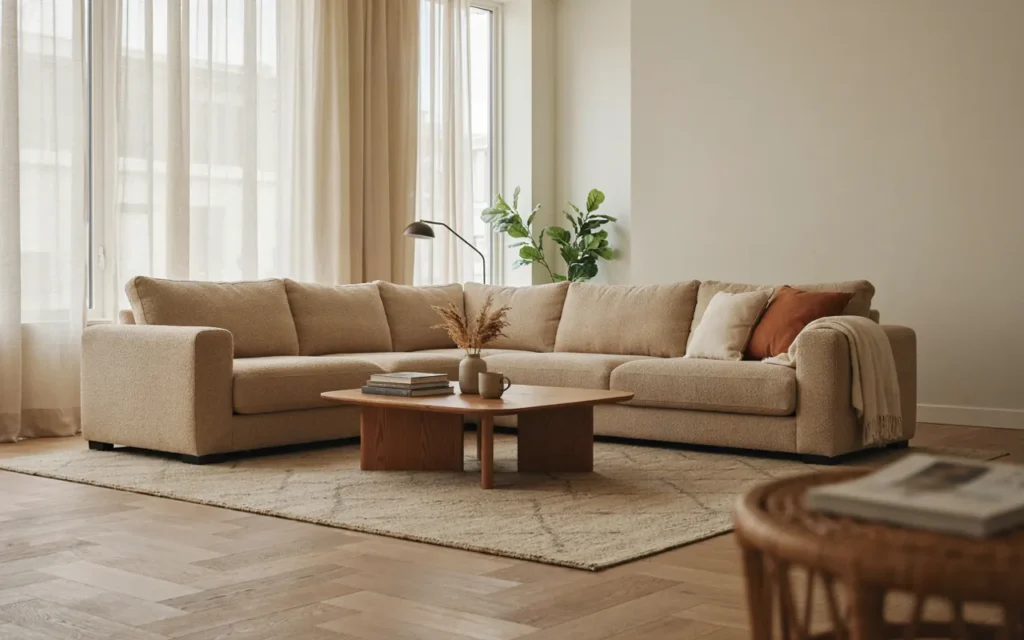
2. Curved Sofa for a Softer Living Room
Straight lines dominate many contemporary interiors, which is why a curved sofa can immediately make a living room feel softer. Rounded edges create a more relaxed visual flow and remove some of the formality associated with boxy furniture.
A curved sofa works especially well in rooms where you want conversation to feel natural. Instead of facing directly toward a television, the rounded seating encourages people to sit toward one another. Pair it with a circular coffee table or rounded side tables to repeat the shape without making the room look overly coordinated.
Keep the surrounding furniture relatively simple. The sofa already has a strong silhouette, so a restrained palette of cream, taupe, warm gray, or muted green can let its shape become the main feature.
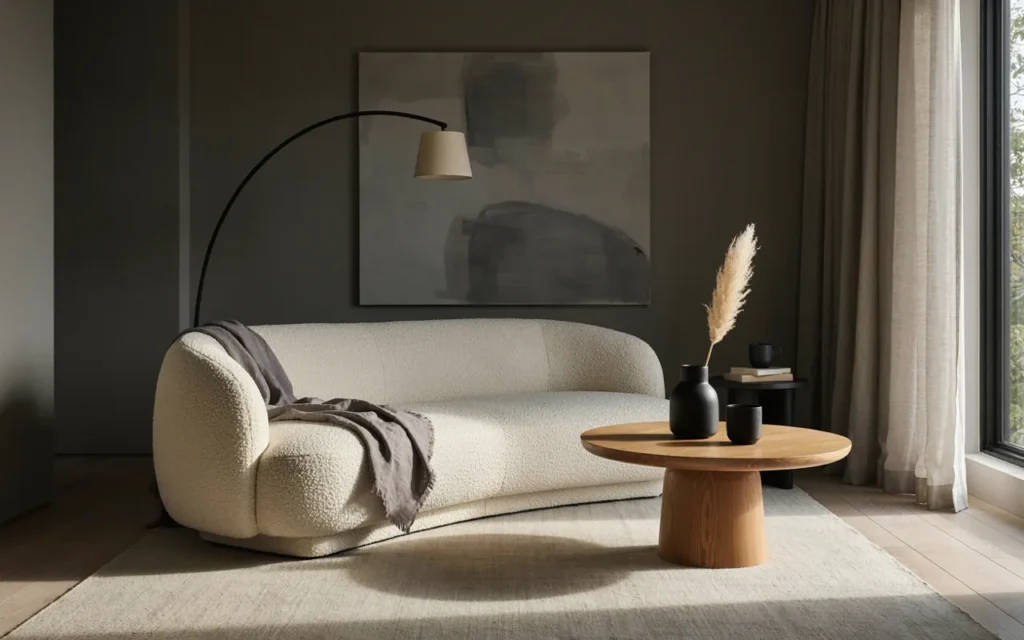
3. Bouclé Sofa for Soft Texture
Bouclé upholstery has become a favorite for rooms that need softness and visual warmth. Its nubby texture catches light differently across the surface, giving a simple sofa more depth than a completely smooth fabric.
A bouclé sofa works beautifully in a neutral living room because the interest comes from texture rather than strong color. Combine it with linen cushions, a wool rug, pale wood, and ceramic accessories for a calm layered look.
If your room receives heavy daily use, check the upholstery specifications before choosing bouclé. A fabric that looks beautiful in photographs still needs to suit your household, especially if children or pets regularly use the sofa.
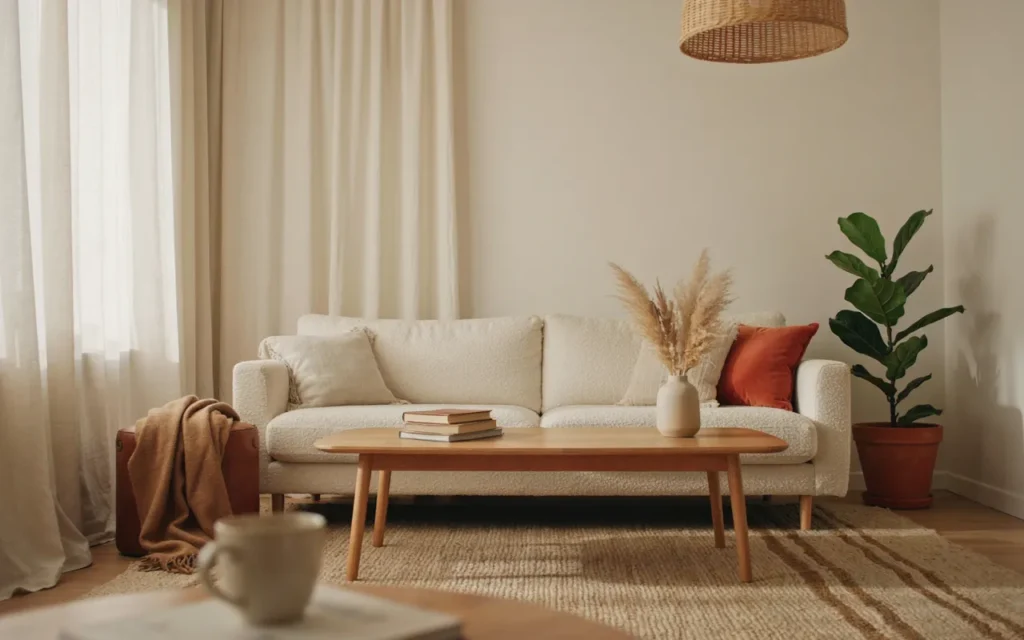
4. Oversized Sofa for Family Lounging
Sometimes the best living room sofa is simply the biggest practical option your room can handle. An oversized sofa gives family members enough space to sit together without constantly competing for the comfortable corner.
The key is proportion. A large sofa should have enough space around it for people to walk easily. Measure doorways, hallways, and staircases before ordering because an oversized design can be surprisingly difficult to bring into a home.
Keep the styling relaxed with a large rug underneath the front legs and a few cushions arranged loosely across the back. This creates a lived-in look rather than making the sofa appear too formal.
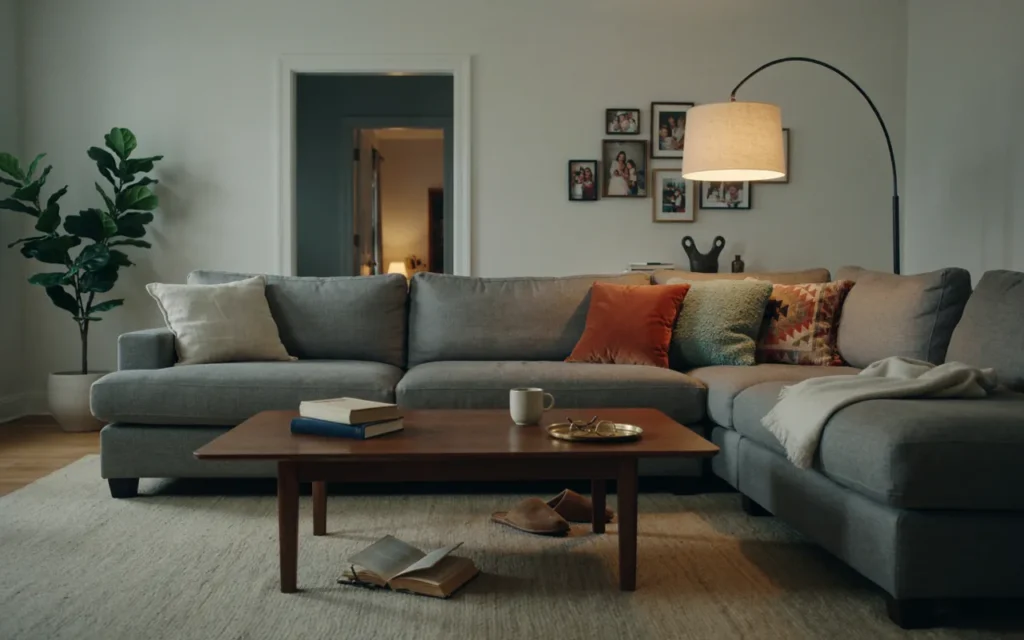
5. Cozy Beige Sofa for a Timeless Look
Beige remains one of the safest choices when you want a sofa that can adapt as your decorating style changes. It works with warm woods, black accents, natural fibers, colorful artwork, and almost every neutral palette.
The trick is preventing beige from looking flat. Introduce different textures through cushions, curtains, rugs, and blankets rather than adding many unrelated colors. A chunky knit throw and woven basket can give a plain beige sofa much more character.
This approach is particularly useful if you like changing accessories seasonally. The same sofa can feel coastal in summer, earthy in autumn, and more luxurious during winter simply by changing the surrounding textiles.
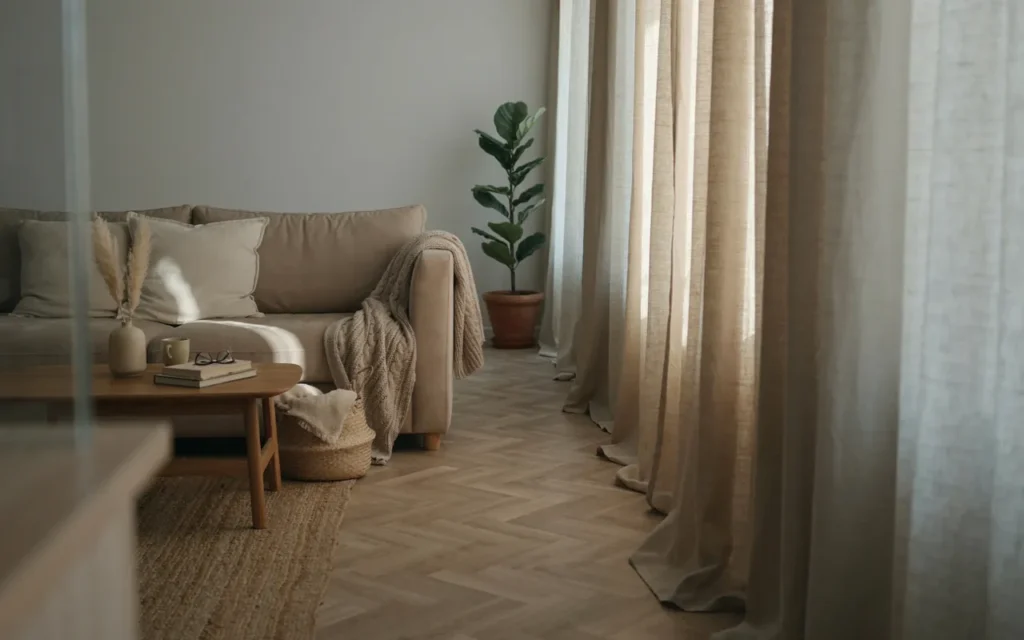
6. Modular Sofa for Flexible Spaces
A modular sofa gives you more freedom than a fixed seating arrangement because individual sections can often be moved or rearranged. This makes it a smart option for people who regularly change their living room layout.
You can create a traditional straight sofa arrangement today and turn it into a larger lounging configuration when guests arrive. Some modular designs also allow you to create a chaise section without buying a separate piece.
Choose modules with consistent upholstery and sturdy connections so the arrangement remains visually neat. A low-profile modular sofa can look especially attractive in contemporary rooms with simple furniture and large windows.
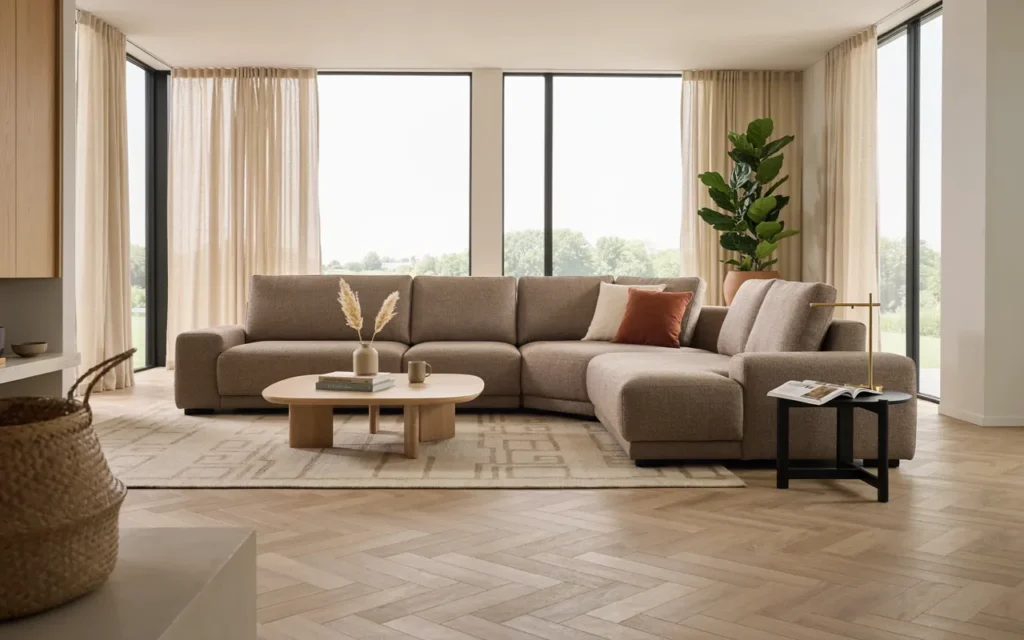
7. Soft Gray Sofa With Layered Cushions
Gray is practical, but a gray sofa does not have to feel cold. The surrounding materials determine much of its character. Warm wood, cream textiles, natural rugs, and soft lighting can turn a gray sofa into a comfortable centerpiece.
For a more polished appearance, combine cushions in slightly different shades rather than using identical gray cushions. Cream, oatmeal, charcoal, and muted olive can work together without making the arrangement feel busy.
Avoid placing a dark charcoal sofa in a very small room unless you want it to become the strongest visual element. Lighter gray upholstery can blend more naturally with pale walls and smaller spaces.
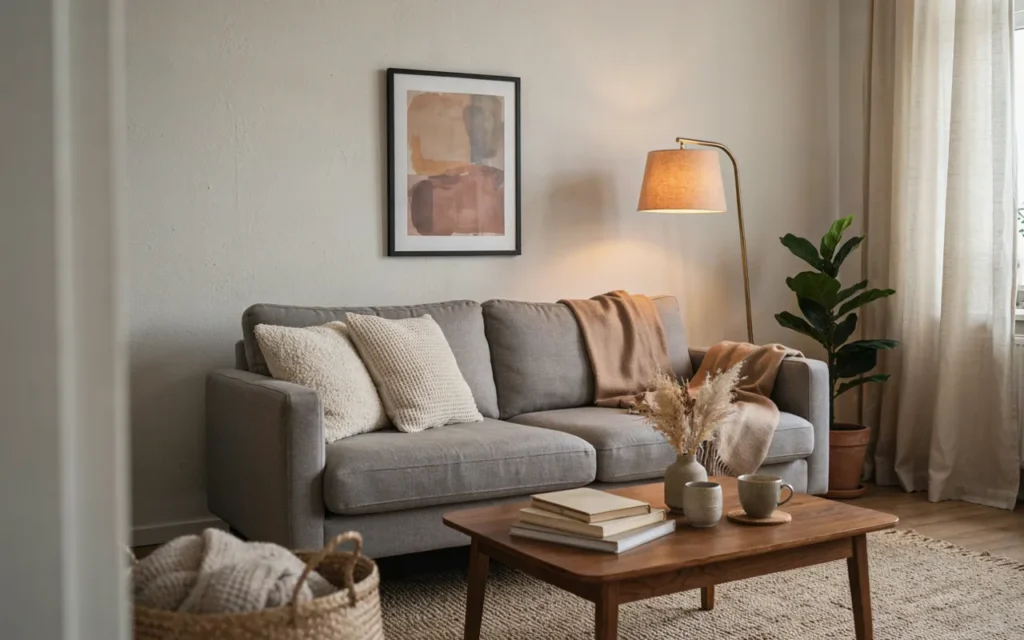
8. Low-Profile Sofa for Modern Relaxation
A low-profile sofa creates a relaxed atmosphere because its proportions feel casual rather than formal. This style is especially effective in contemporary rooms with clean architectural lines.
Because the sofa sits closer to the floor, balance it with a low coffee table and a large rug. The furniture should feel connected rather than scattered around the room.
Choose supportive cushions if you use the sofa frequently. A beautiful low sofa that is difficult to get up from may not be the best choice for everyday living, especially in a home shared by different age groups.
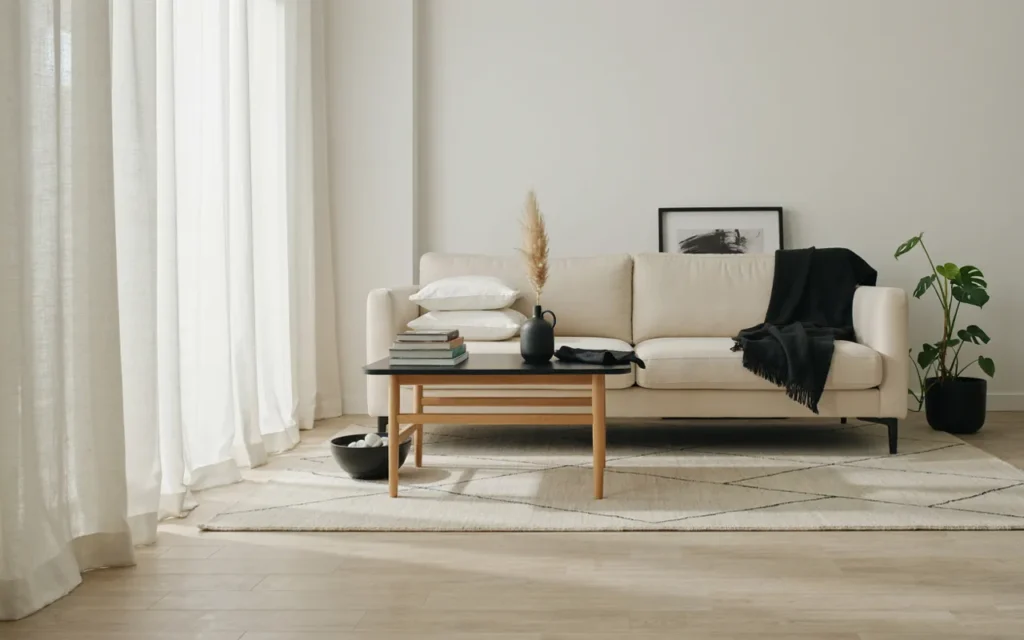
9. L-Shaped Sofa With a Chaise
An L-shaped sofa with a chaise gives you a dedicated place to stretch out without requiring a separate recliner. It is one of the most practical sofas ideas living room options for movie nights and relaxed weekends.
Place the chaise where it does not block the main walking route. In a television-focused room, orient the longer section toward the screen while leaving enough space between the sofa and other furniture for comfortable movement.
A neutral sectional becomes more interesting when paired with one accent cushion or a textured throw. You do not need dozens of accessories to make it look finished.
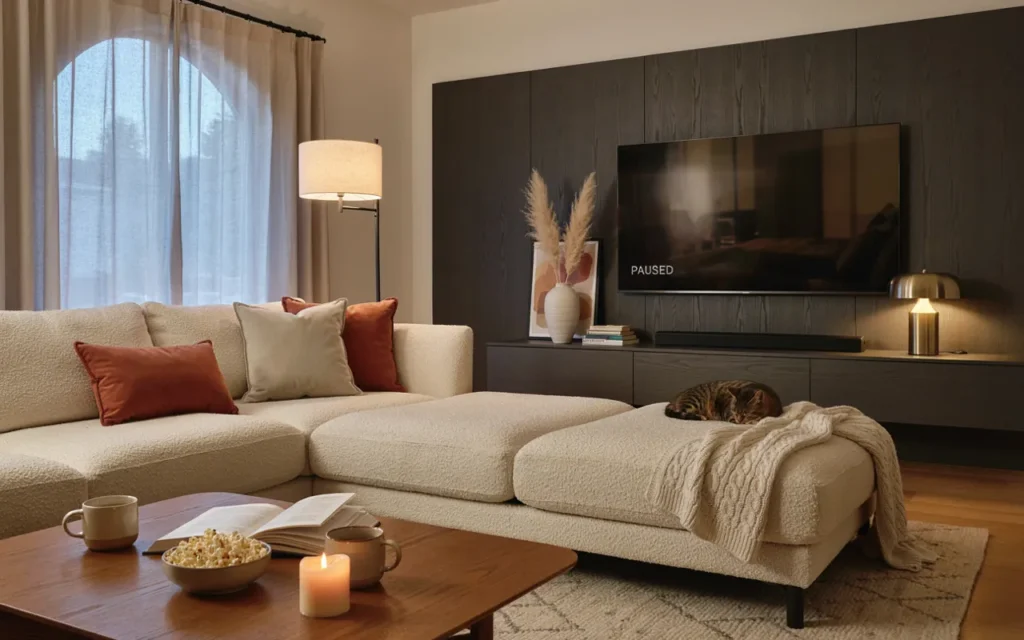
10. Rich Green Sofa for a Statement
If your living room needs more personality, a deep green sofa can become the focal point without looking excessively bright. Forest, olive, and emerald shades work particularly well with warm wood and brass details.
Keep the rest of the palette controlled. Cream walls, natural rugs, and simple artwork allow the green upholstery to stand out without turning the room into a collection of competing colors.
Velvet can enhance the richness of the color, while linen or textured woven upholstery creates a more casual appearance. Think about the atmosphere you want before choosing the fabric.
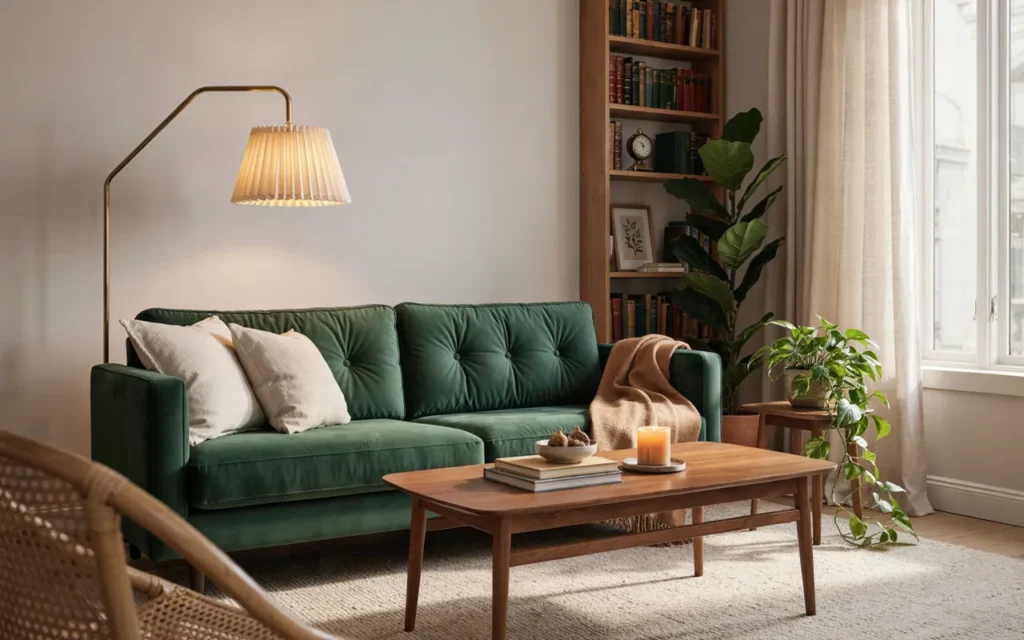
11. Cloud-Like Sofa for Casual Lounging
A generously padded sofa with rounded cushions creates the visual impression of a soft place to land. This style is ideal when your living room is designed primarily around relaxation rather than formal entertaining.
Use a restrained color palette because oversized cushions already create plenty of visual volume. Cream, ivory, soft taupe, and warm gray are excellent choices for this look.
Keep the styling intentionally imperfect. A slightly rumpled cushion or casually placed throw can make the sofa feel usable rather than staged.
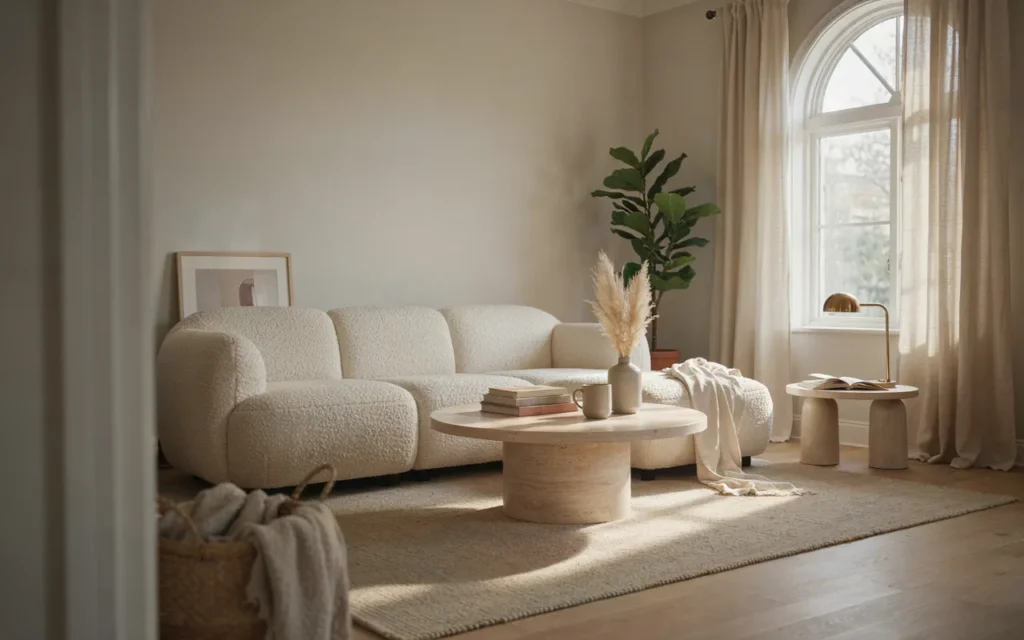
12. Leather Sofa With Warm Textiles
Leather brings structure and durability to a living room, but it can sometimes look too hard when surrounded by other smooth surfaces. Warm textiles solve that problem quickly.
Add a wool rug, linen cushions, a knitted throw, and wooden furniture around a leather sofa. These materials soften the visual weight of the leather while preserving its timeless character.
Brown leather is particularly effective in earthy interiors, while black leather can create a sharper contemporary or industrial look. Choose the shade based on the mood you want rather than simply following a trend.
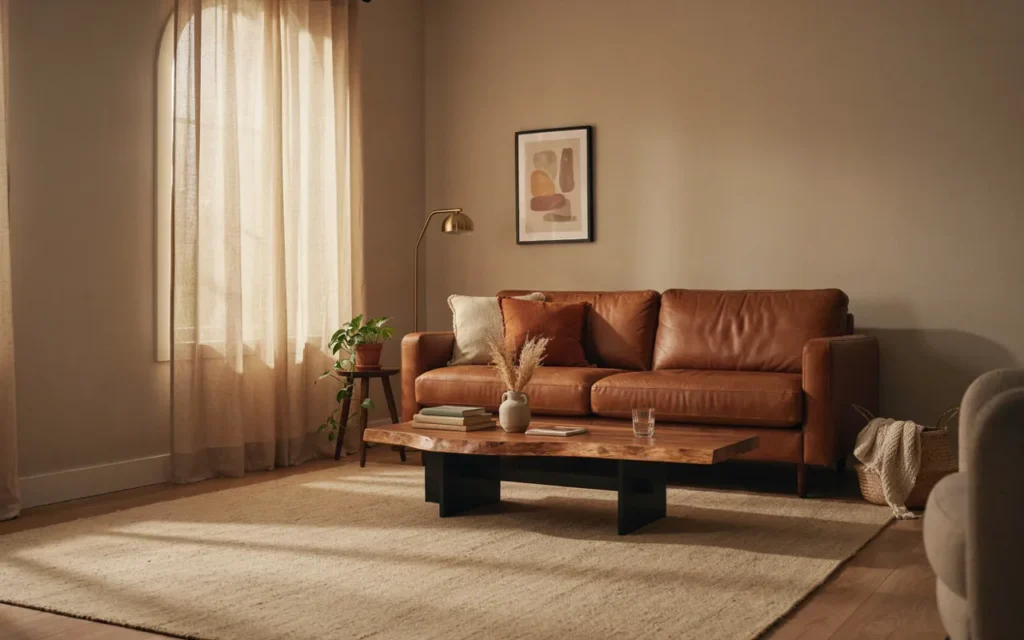
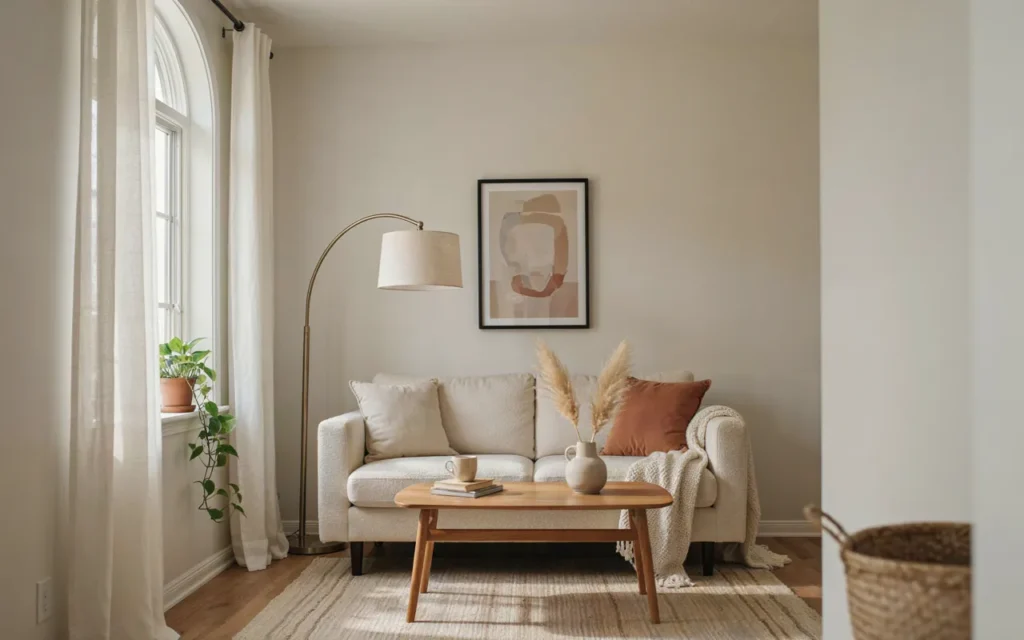
13. Compact Loveseat for Small Living Rooms
A small living room does not require a tiny-looking sofa. A compact loveseat with good proportions can provide comfortable seating while preserving valuable floor space.
Look for arms that are not excessively wide and a seat depth that allows comfortable sitting without making the room feel crowded. Raised legs can also help a smaller space appear more open because more of the floor remains visible.
Complete the seating area with one compact coffee table and a small floor lamp. Keeping the number of furniture pieces low often makes a small living room feel significantly larger.
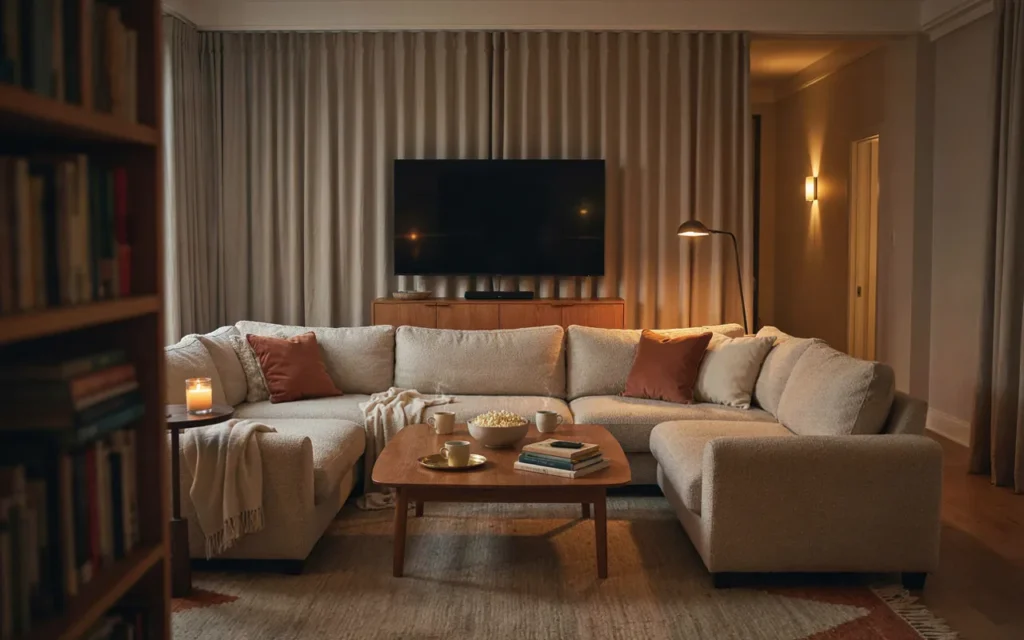
14. U-Shaped Sectional for Movie Nights
A U-shaped sectional is made for households that want everyone facing the same central area. It creates a generous seating zone and works particularly well in larger family rooms or dedicated media spaces.
Because the sofa occupies substantial floor area, measure the room carefully before choosing this configuration. You need clear circulation around the open side and enough space for a coffee table that does not interfere with people’s legs.
Use one large rug to visually connect the entire seating arrangement. This prevents the sectional from looking like a separate object placed inside an otherwise empty room.
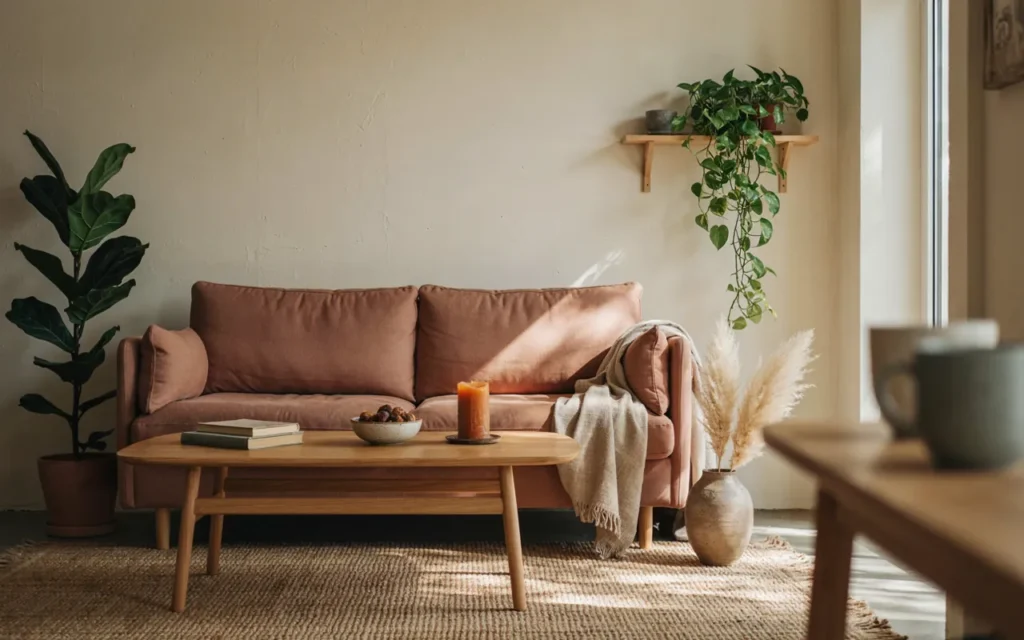
15. Warm Terracotta Sofa for an Earthy Room
Terracotta upholstery brings warmth without relying on excessive decoration. It works particularly well with cream walls, natural wood, woven accessories, and indoor greenery.
This color is ideal when you want something more expressive than beige but less intense than a bright red or orange sofa. Balance it with neutral surroundings so the room remains comfortable to live with over time.
If a terracotta sofa feels too bold, introduce the color first through cushions or an accent chair. You can then decide whether you want the stronger commitment of a full sofa.
16. Scandinavian Sofa With Clean Lines
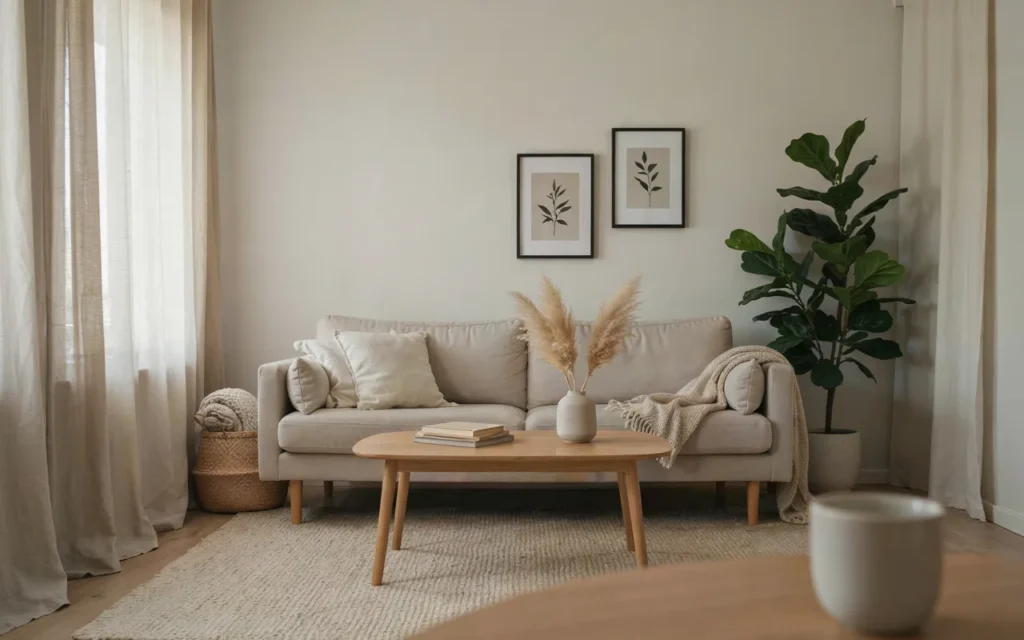
Scandinavian-inspired sofas usually combine simple silhouettes with practical comfort. Their clean lines make them easy to place in modern homes, while pale upholstery and wooden legs keep the design visually light.
The room should not become too sterile. Add wool, linen, woven baskets, plants, and warm wood to introduce the softness that a minimalist sofa may lack.
This is one of the most adaptable living room sofa ideas because it can work with both contemporary and slightly traditional accessories.
17. Sofa With a Matching Ottoman
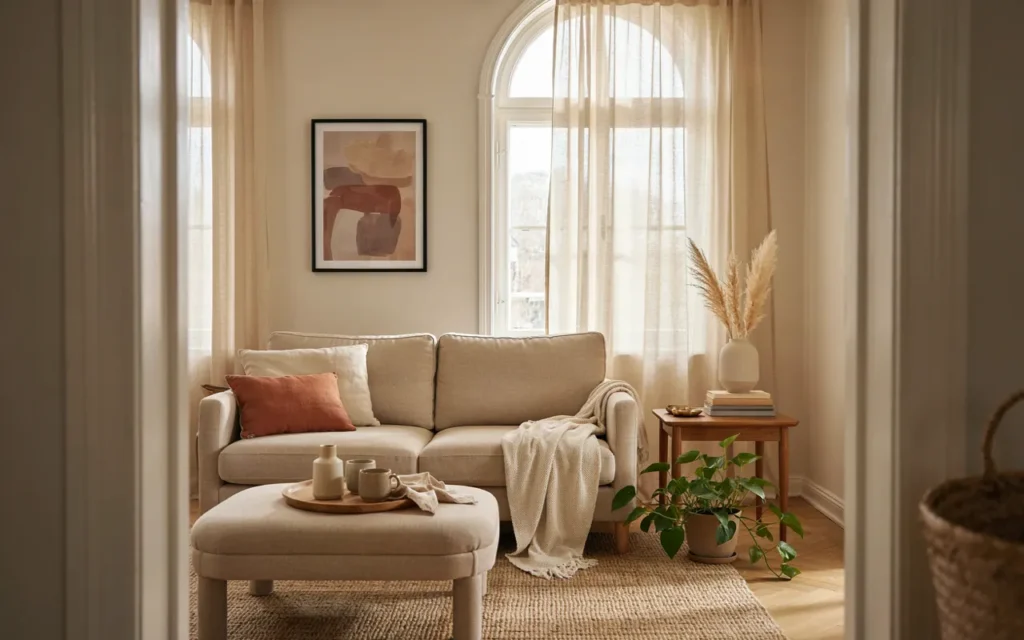
A sofa and ottoman combination can provide much of the comfort of a sectional while offering more flexibility. The ottoman can act as a footrest, extra seating, or a temporary coffee table when paired with a tray.
Choose an ottoman that is either upholstered in the same fabric or designed in a complementary texture. Keeping the proportions similar helps the arrangement look intentional.
This setup is particularly useful when you want a relaxed living room but still need to move furniture around when guests visit.
18. Layered Neutral Sofa for a Calm Retreat
A neutral sofa does not have to mean a boring living room. Layering different shades and materials can create a sophisticated space that feels calm without becoming visually empty.
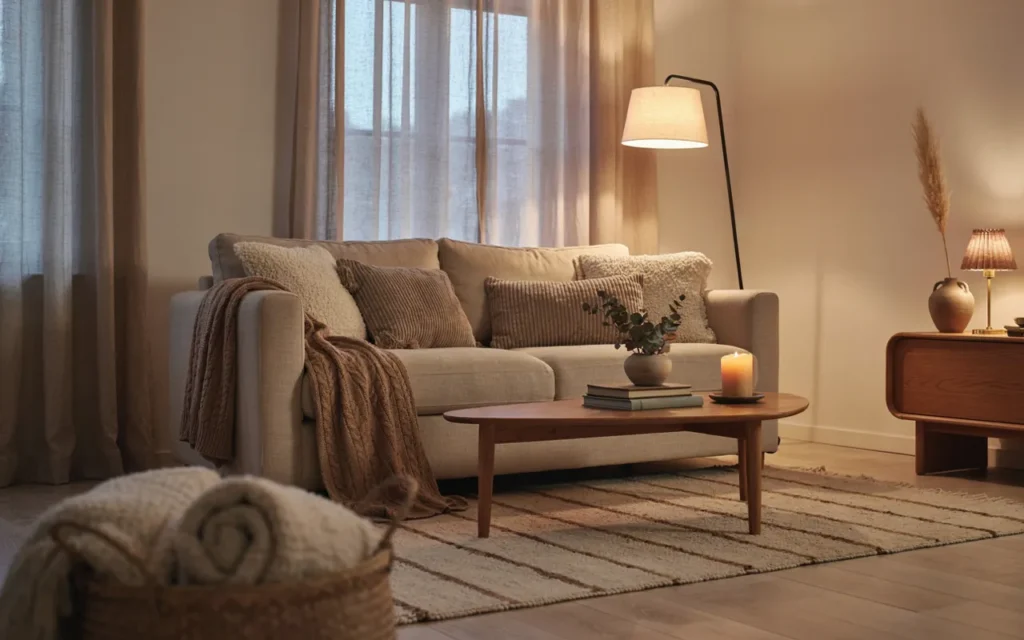
Start with the sofa as the largest neutral element, then add cushions in cream, oatmeal, taupe, and soft gray. Bring in contrast through wood grain, woven materials, ceramics, and a textured rug.
Lighting matters just as much. Warm floor lamps and table lamps can make neutral upholstery feel considerably softer after sunset, while harsh cool lighting can make the same room appear flat.
The result is a living room that feels comfortable enough for everyday use but polished enough to welcome guests.
How to Choose the Most Comfortable Sofa for Your Living Room
Comfort starts with the way you actually use the room. If you mostly watch television, a deeper sofa with a chaise may suit you better than a formal upright design. If you entertain often, choose supportive seating that allows guests to sit comfortably for longer conversations.
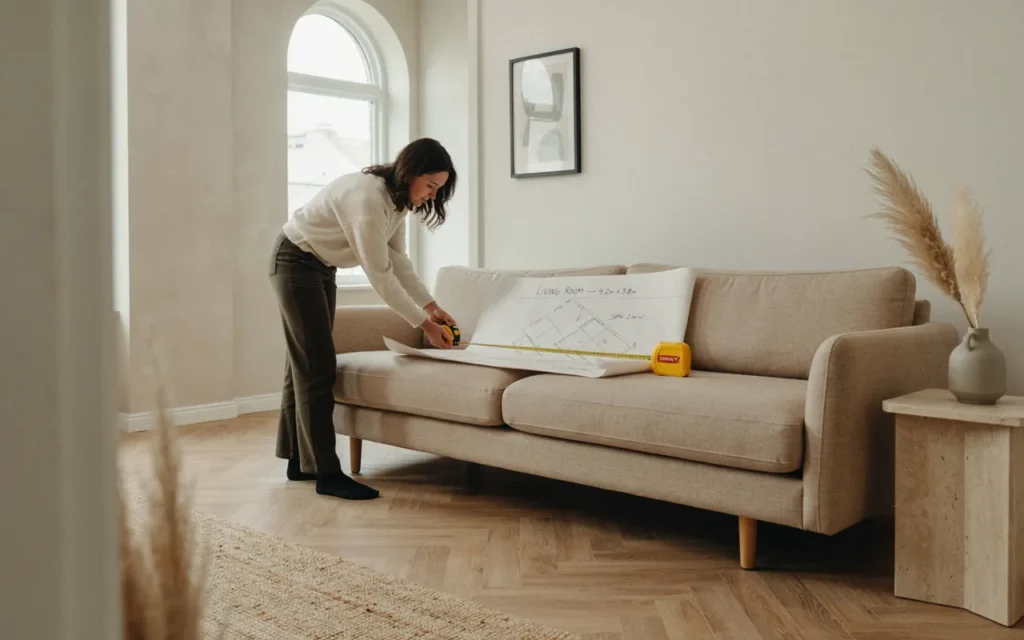
Measure the room before shopping, but also measure the route into the room. A sofa can fit perfectly against your wall and still fail to make it through a narrow doorway or hallway.
Pay attention to seat depth, cushion firmness, arm height, back support, and upholstery. The softest sofa in a showroom is not automatically the most comfortable sofa for your body.
How to Style Comfortable Sofas Without Making the Room Cluttered
Start with the sofa and build outward. Instead of buying every accessory at once, choose a rug, coffee table, lighting, and cushions that support its shape and color.
Texture is often more useful than adding more colors. A neutral sofa can become much richer with linen, wool, bouclé, cotton, wood, and woven materials.
Keep enough empty space around the seating area. A living room needs room for people to walk, sit, stand, and reach tables without constantly moving furniture.
Best Sofa Colors for a Relaxing Living Room
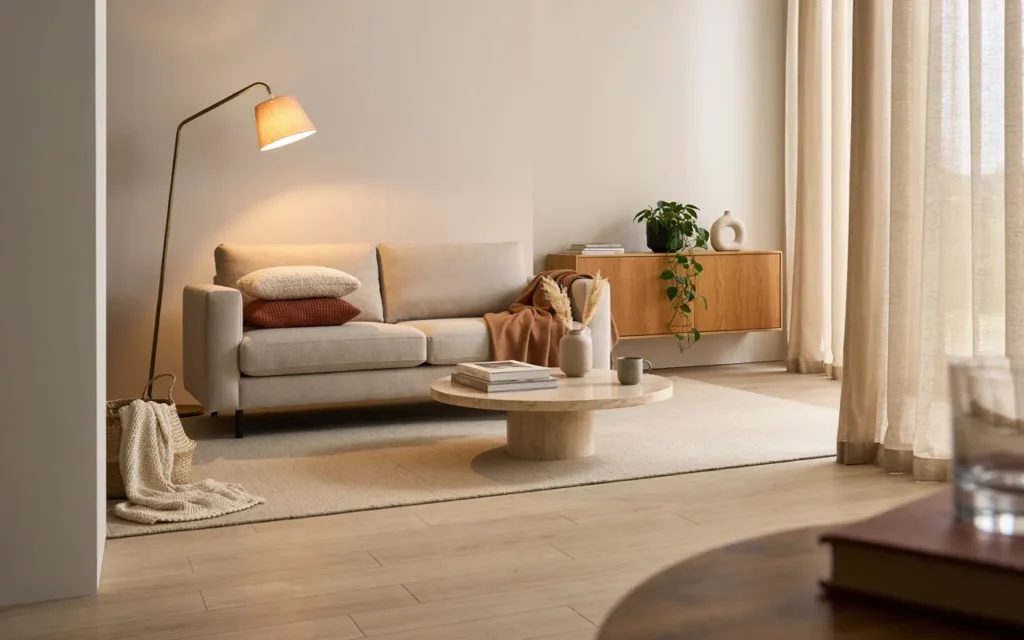
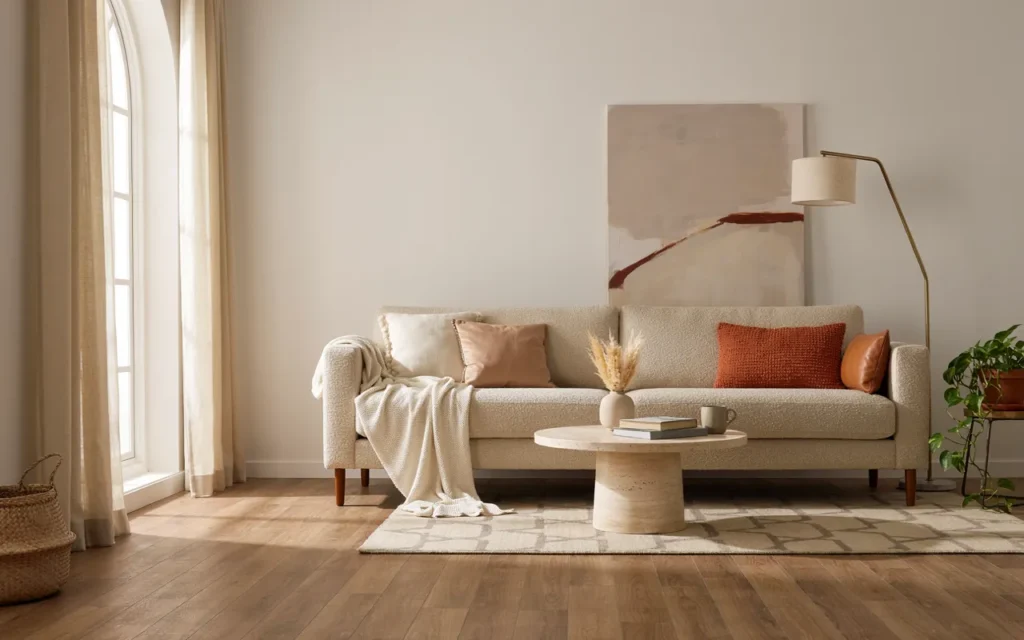
The best sofa color depends on the mood you want. Beige, cream, oatmeal, and warm gray create an understated backdrop that is easy to decorate around. Green, terracotta, navy, and brown create more personality while remaining relatively versatile.
Consider the existing wall color and flooring before choosing upholstery. A sofa should connect with the room rather than appear completely separate from it.
If the walls and floor are already busy, a quieter sofa can provide balance. If the room is very plain, a colored sofa can become the feature that gives the space character.
Frequently Asked Questions
What type of sofa is most comfortable for a living room?
Deep sectionals, chaise sofas, and generously cushioned designs are often excellent for relaxing because they provide more room to stretch out. However, comfort depends on seat depth, cushion firmness, back support, and your preferred sitting position.
What sofa color is best for a relaxing living room?
Neutral colors such as beige, cream, oatmeal, and warm gray are popular because they create a calm foundation. Earthy shades such as olive green, terracotta, and brown can also create a warm and welcoming atmosphere.
Are sectional sofas good for small living rooms?
A sectional can work in a small living room if its dimensions match the available floor space. A compact L-shaped sectional or apartment-sized chaise sofa can provide generous seating without requiring several separate chairs.
How many cushions should I put on a sofa?
There is no fixed number, but avoid covering the entire seating area. A combination of two to five cushions can provide comfort and visual layering while leaving enough room for people to sit naturally.
What fabric is best for a comfortable sofa?
The best fabric depends on how you use the sofa. Bouclé and velvet offer rich texture, linen creates a relaxed appearance, and leather provides durability with a structured feel. Always consider cleaning requirements and household use before choosing upholstery.
How can I make my existing sofa more comfortable?
You can improve an existing sofa by adding supportive cushions, a soft throw, a textured rug underneath, and suitable side lighting. Rearranging the sofa can also improve comfort if its current position makes television viewing or conversation awkward.
Should a sofa match the living room exactly?
A sofa does not need to match every piece of furniture. It usually looks more interesting when it coordinates with the room through color, texture, or material rather than repeating the exact same finish everywhere.
What is the best sofa shape for relaxing?
A chaise sectional, deep L-shaped sofa, curved lounge sofa, or oversized modular design can be excellent for relaxing. The best shape depends on your room layout and whether you prefer sitting upright, reclining, or stretching out.


