Almost any room in your house has the potential to become a workout space you just have to look at it a little differently. A spare bedroom, an underused dining room, a corner of the garage, even a closet under the stairs can all be transformed into a functional, motivating gym with the right layout and a bit of creativity. The best home gym setups don’t require a dedicated architect-designed room; they require intention.
Below are Top 35 Best Room Ideas for a Home Gym Setup, covering everything from full basement conversions to clever corner nooks that fit into the smallest apartments. Whatever space you’re working with, there’s an idea here to help you turn it into a room you actually want to work out in.
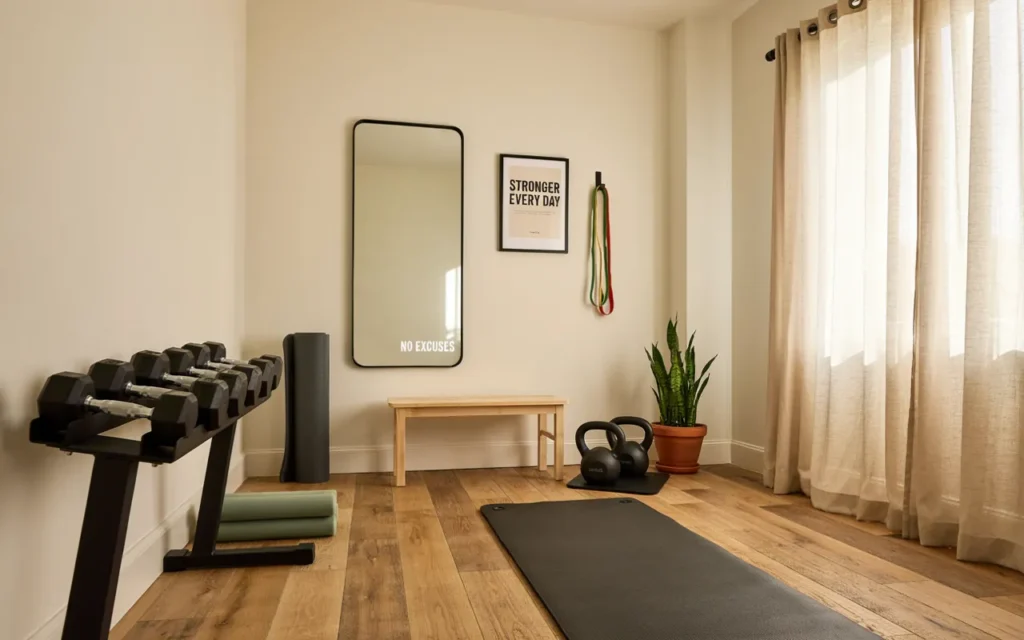
1. Convert an Unused Spare Bedroom
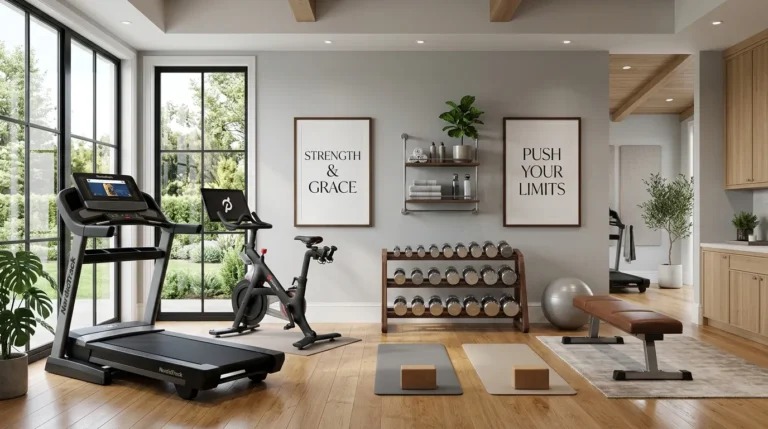
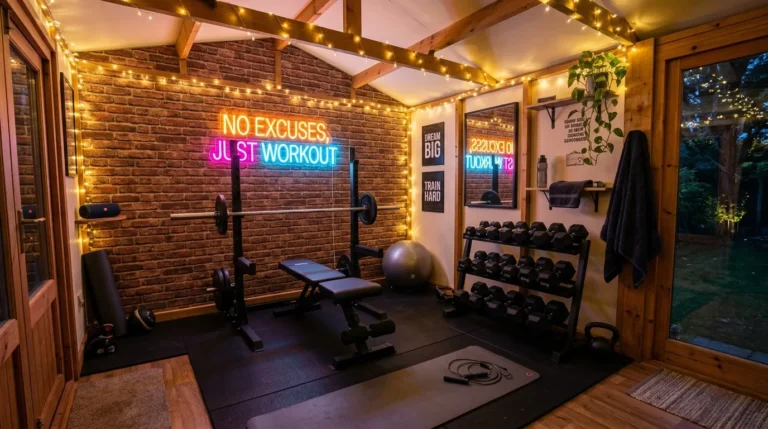
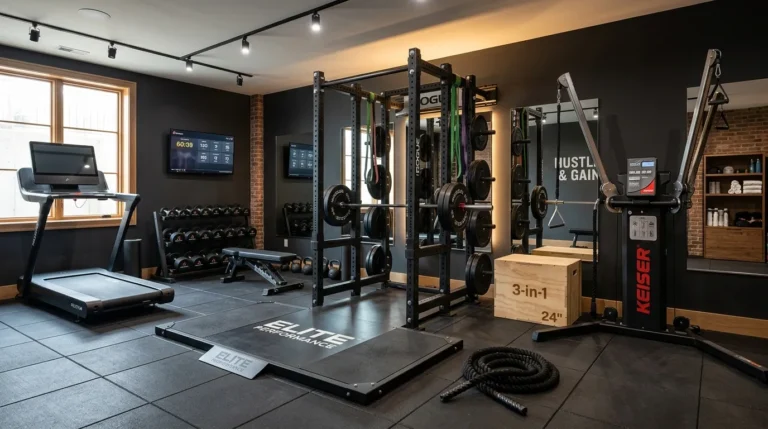
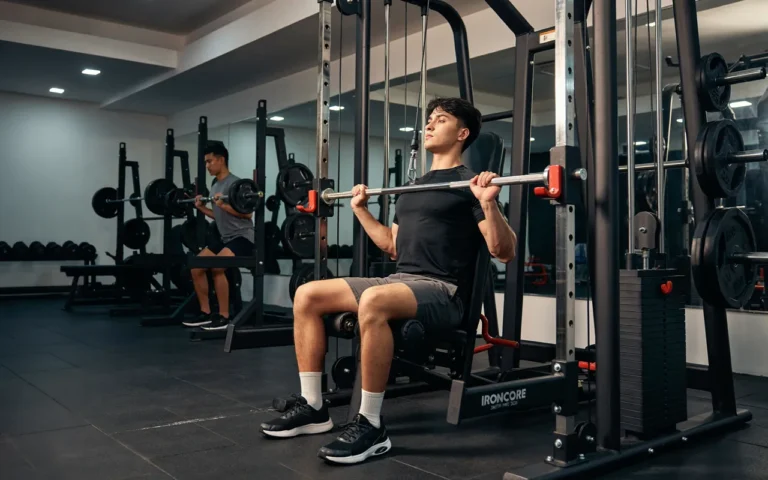
A spare bedroom that’s collecting dust is one of the easiest rooms to transform into a full home gym. With four walls and a door already in place, you get built-in privacy and a blank canvas to add flooring, mirrors, and equipment without any structural changes required.
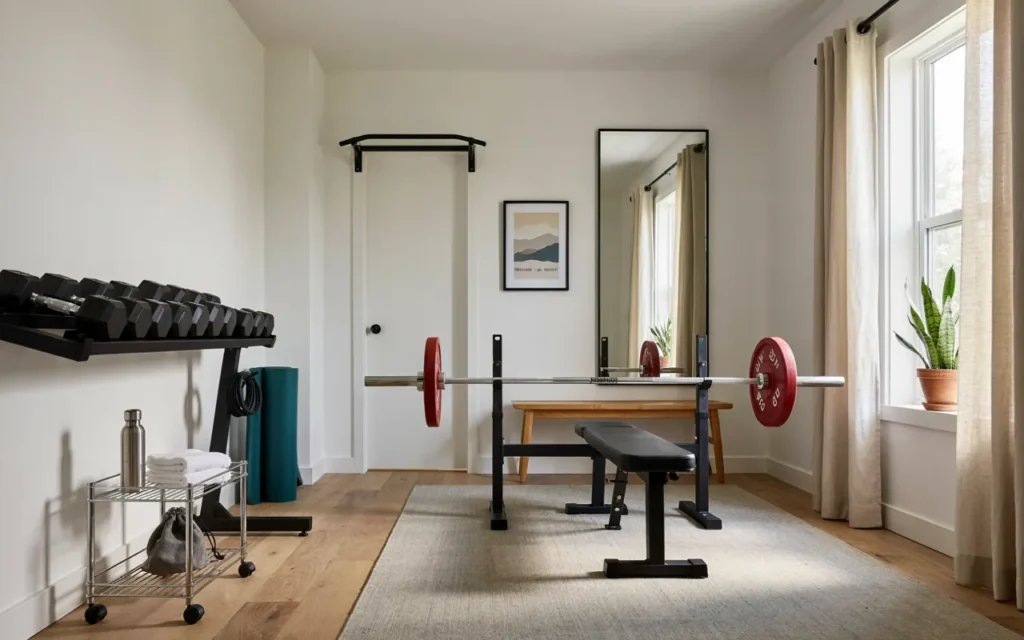
2. Repurpose a Rarely Used Dining Room
If your dining room only sees action a few times a year, consider giving it a new purpose as a yoga or workout space. A cozy rug, a collapsible side table, and a full-length mirror can transform the room while an old bar cart doubles as hydration and storage.
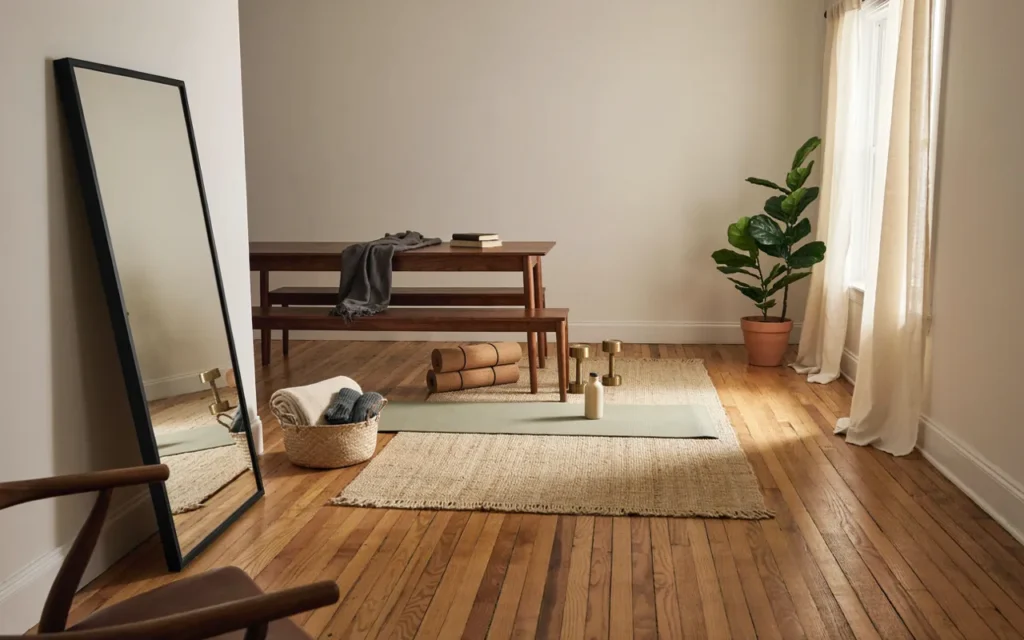
3. Build a Focal Wall Gym Setup
Designate one wall in any room as your gym’s focal point using bold wallpaper, an inspiring quote, or blown-up photos. This design trick keeps the room feeling intentional and motivating, even if the rest of the space serves other purposes throughout the week.
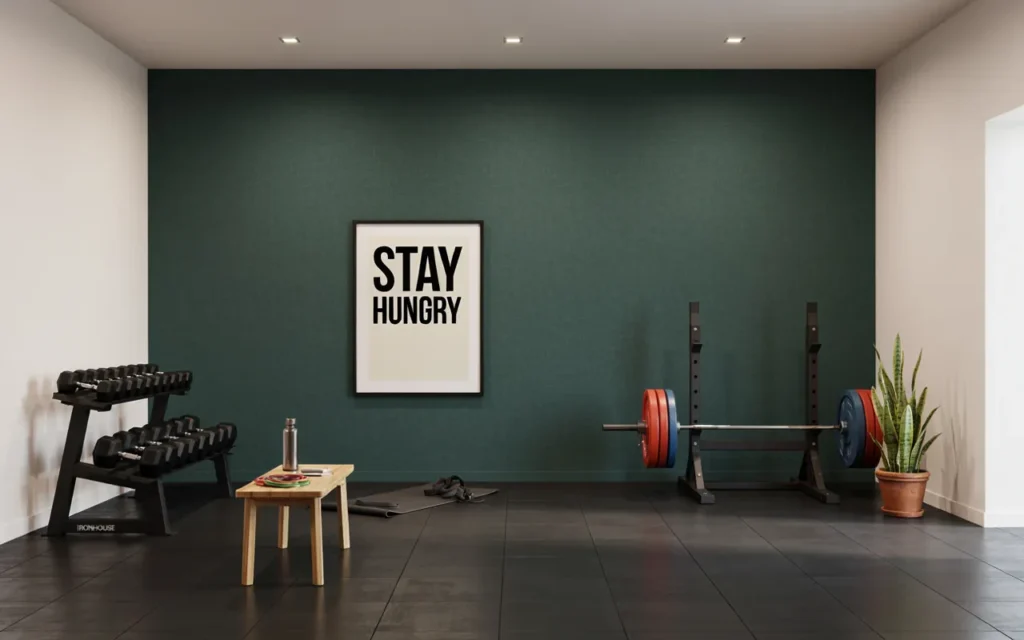
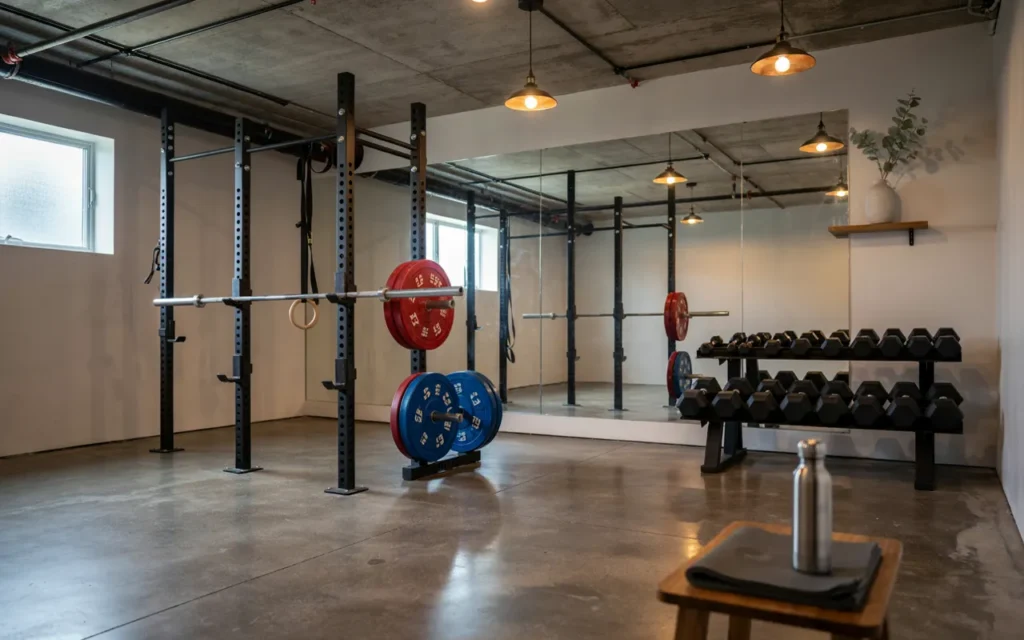
4. Finish Out a Basement Rec Room
A basement doesn’t need finished floors or drywall to become a functional workout space exposed concrete can look modern and fresh with the right styling. Add floor mats, a mirror, and a few pieces of equipment for a fully functional gym in very little time.
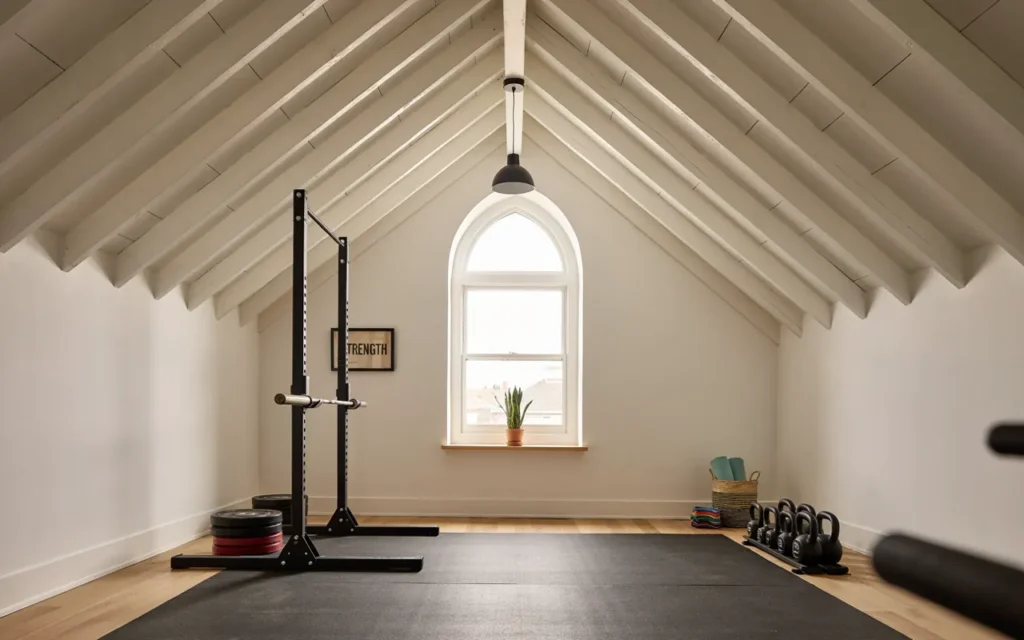
5. Convert an Attic Into a Workout Room
Odd angles and vaulted ceilings make attics uniquely charming spaces for a home gym, especially when paired with light, airy colors. The cathedral-like feel of exposed beams can turn an awkward, underused space into one of the most peaceful rooms in the house.
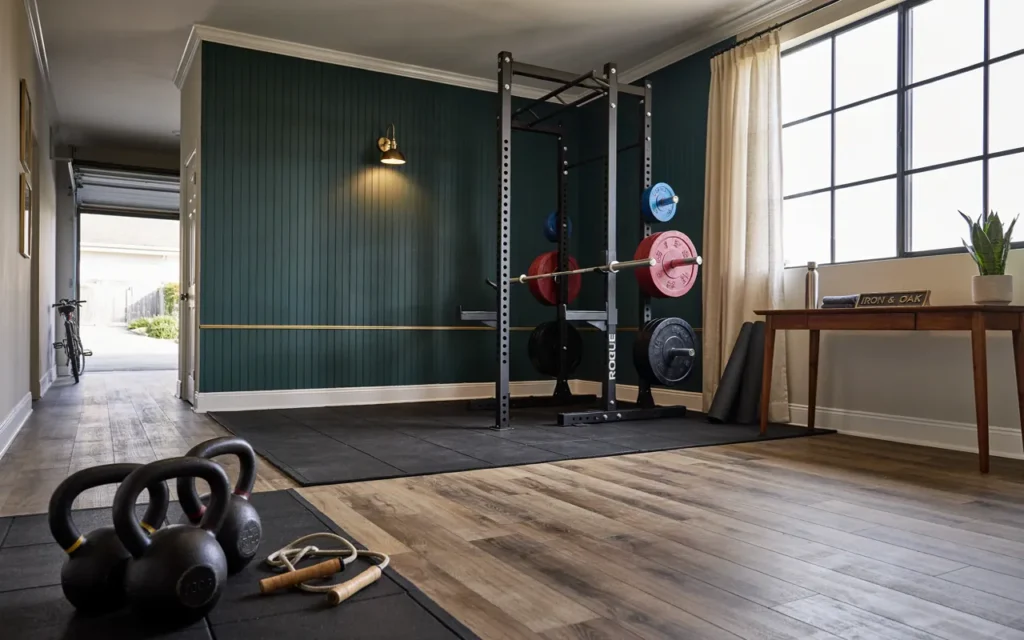
6. Declutter and Style a Garage Gym
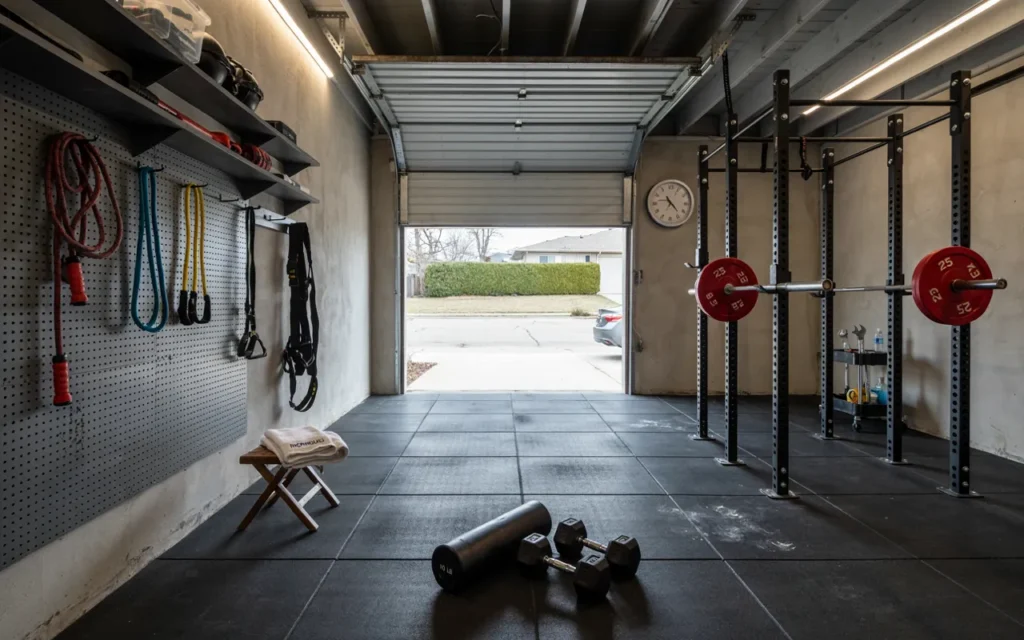
A cluttered garage can become a polished fitness studio with peel-and-stick wallpaper, budget-friendly decor, and some organizing effort no construction required. This is one of the most accessible room conversions since most garages already have the open floor space a gym needs.
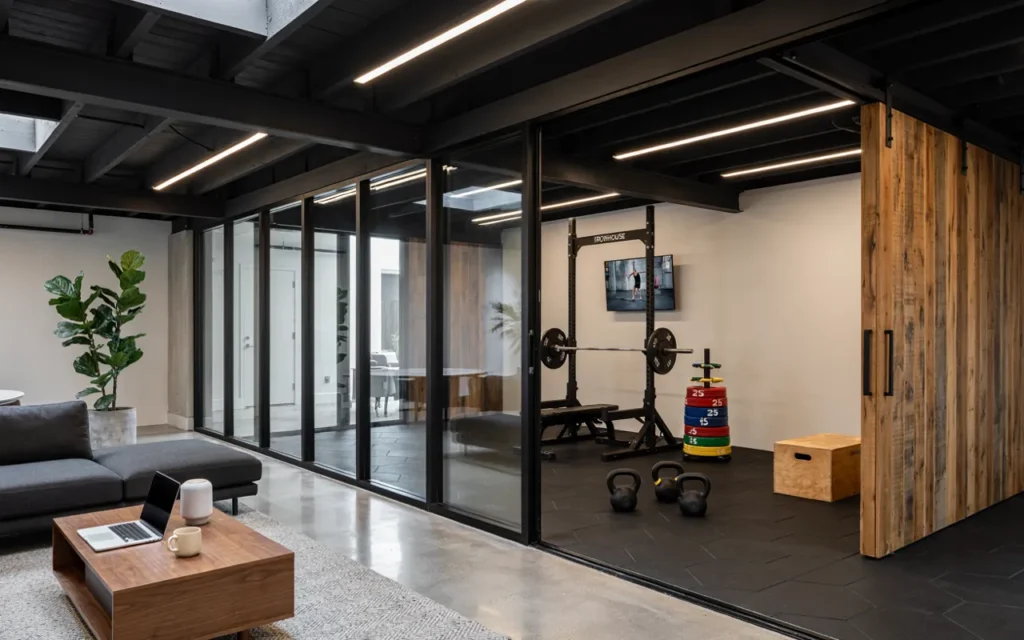
7. Separate a Weight Room With Glass Panels
Glass panels and a sliding barn door can carve a dedicated weight room out of a larger basement while keeping the spaces visually connected. This approach gives you a sense of privacy for focused training without fully closing off the room from the rest of the level.
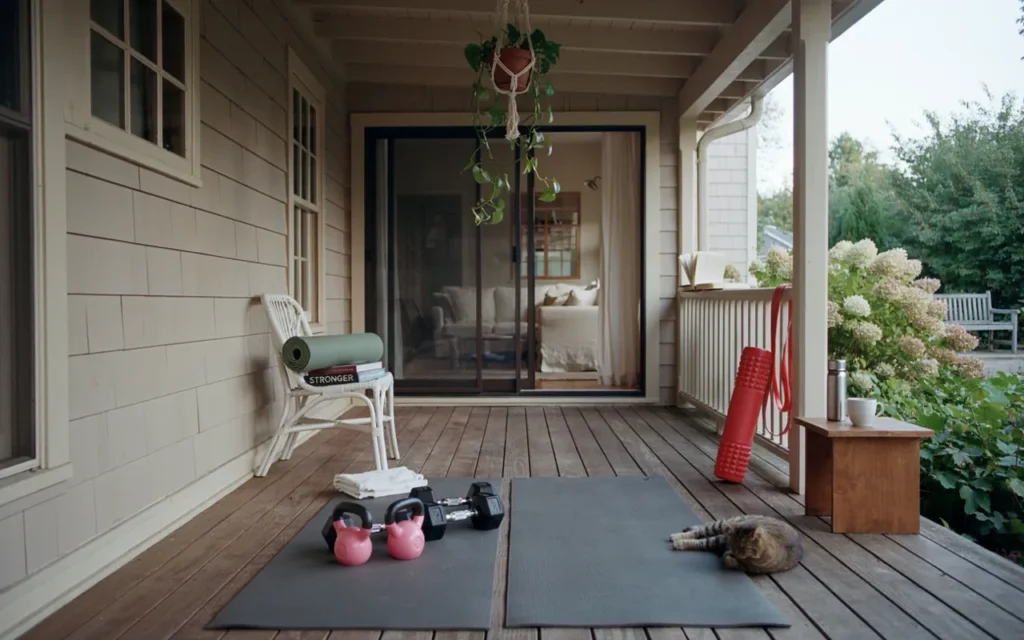
8. Turn a Covered Porch Into an Outdoor Gym
A covered porch offers the best of both worlds fresh air and protection from the elements making it an ideal spot for a workout space. Hang yoga mats and resistance bands on an exterior wall and you’re ready to exercise rain or shine.
9. Use a Living Room Corner
Even the smallest apartment has room for a gym if you’re willing to dedicate a single corner to it. Positioning equipment thoughtfully and adding a motivational wall element keeps the space feeling inviting rather than like clutter intruding on your living area.
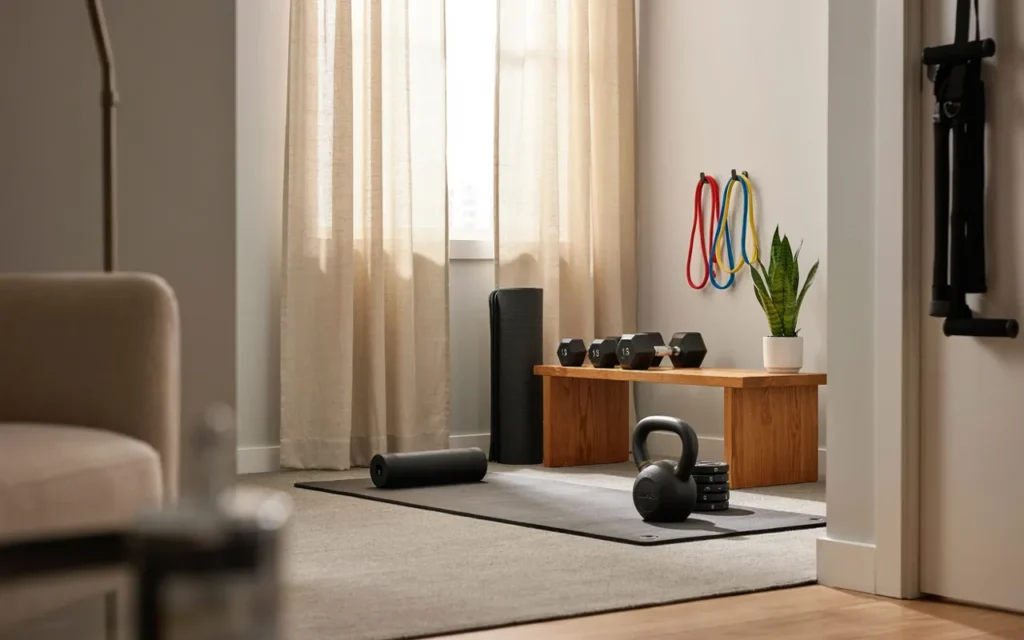
10. Convert a Closet Into a Micro Bar-Gym Hybrid
If you have an underused closet, consider a creative conversion that combines storage with a small workout nook hooks for resistance bands, a shelf for weights, and just enough floor space for a mat. Even a few square feet can serve a focused routine.
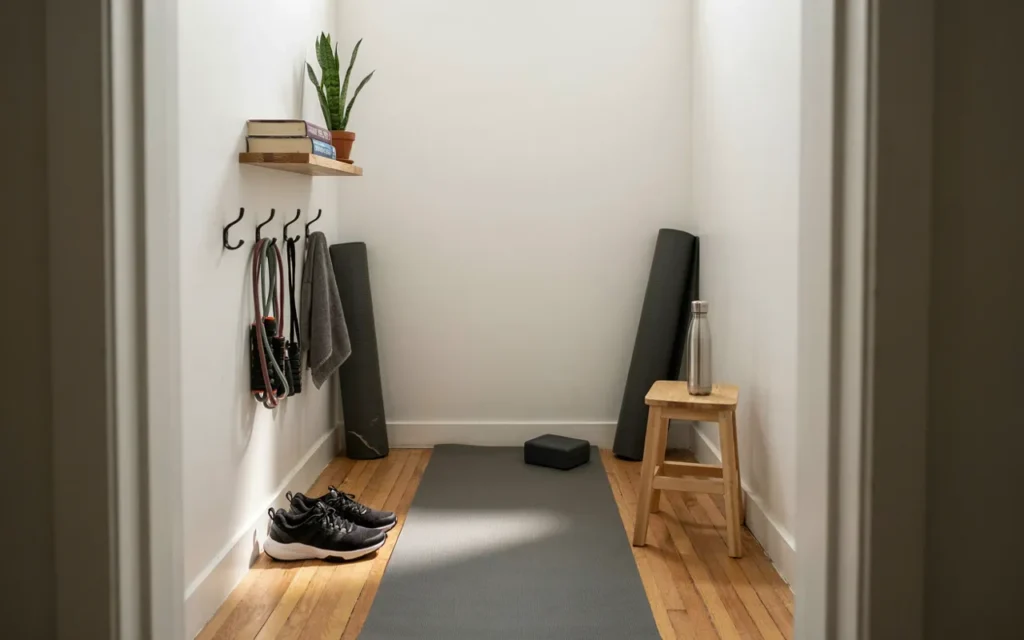
11. Combine a Bathroom and Cardio Corner
If your bathroom is spacious enough, a low-impact cardio machine positioned near a window can create a spa-like workout experience. This unconventional pairing works surprisingly well in larger primary bathrooms with room to spare.
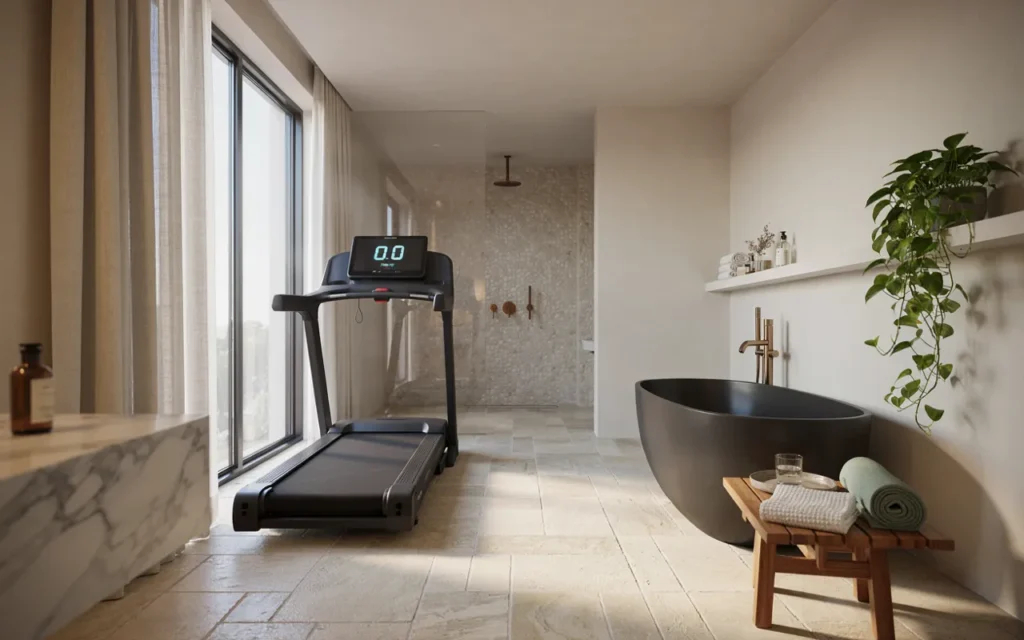
12. Use a Vacant Garage Stall
If you have a multi-car garage, converting one stall into a home gym lets you keep parking for the rest of the vehicles while still carving out dedicated workout space. A simple mat and basic equipment are often all you need to get started.
13. Add a Beverage Station to Your Gym Room
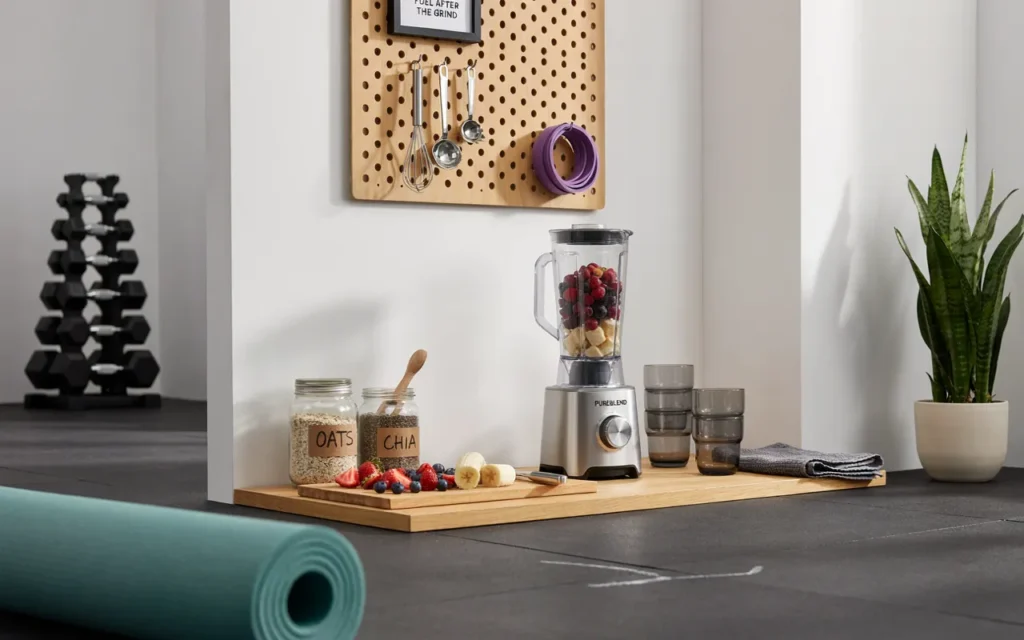
Whatever room you choose, consider dedicating a small corner to a beverage station stocked with a blender for smoothies or protein shakes. This small addition makes post-workout recovery more convenient and keeps you from constantly running back to the kitchen.
14. Design a Dedicated Yoga Room
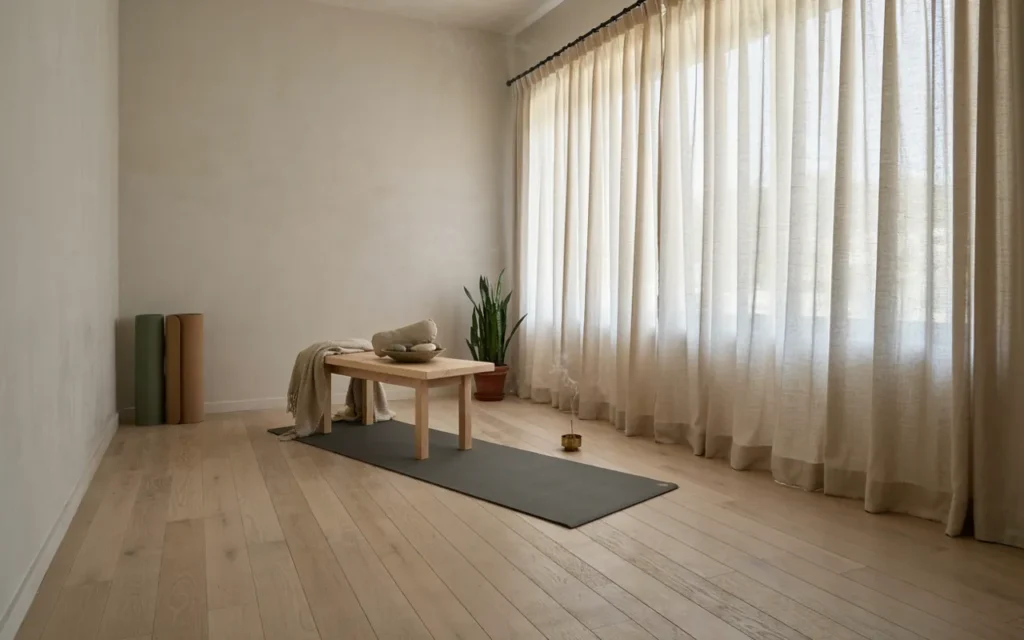
A room set aside purely for yoga and meditation should stay minimal and distraction-free no phones, no clutter, just soft lighting and calming hues. This dedicated space helps signal to your mind that it’s time to slow down and focus inward.
15. Maximize a Large Basement for Multiple Zones
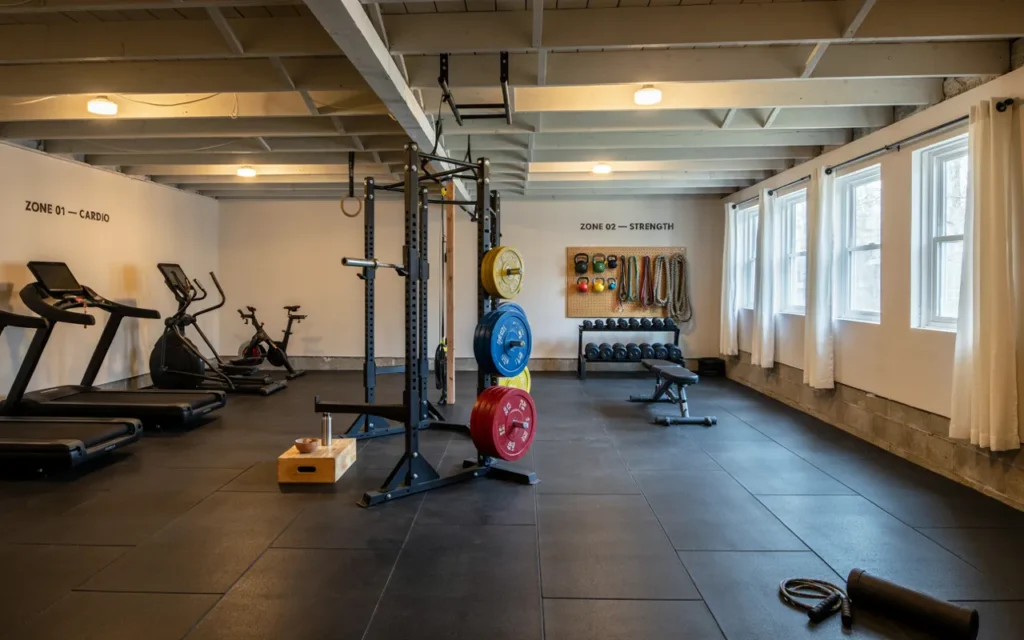
A spacious basement can accommodate rubber floor tiles, an industrial fan, and distinct zones for cardio, strength training, and stretching all in one room. This setup gives every type of workout its own dedicated area without feeling cramped.
16. Repaint a Small Room in Light, Bright Colors
Light-colored spaces feel larger, making a fresh coat of white or pale paint one of the most effective upgrades for a small home gym room. Combined with neat equipment organization, this simple change can make a cluttered space feel like an exercise oasis.
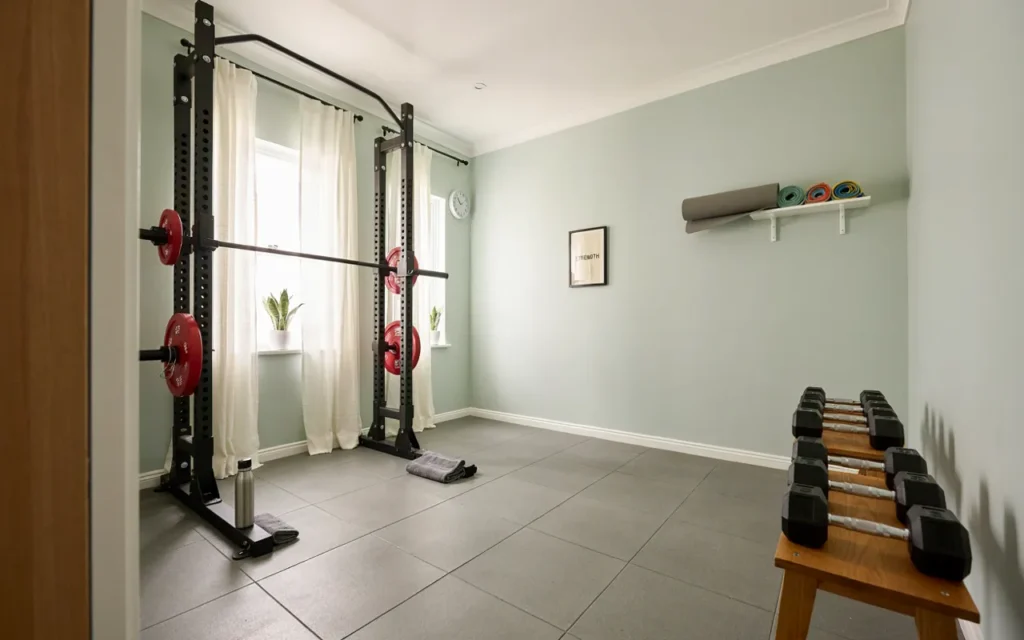
17. Create a Double-Duty Gym and Lounge
If your gym room has extra square footage, add comfortable seating and a television to create a space that functions as both a workout room and a relaxation lounge. This dual-purpose approach makes the room useful even when you’re not actively exercising.
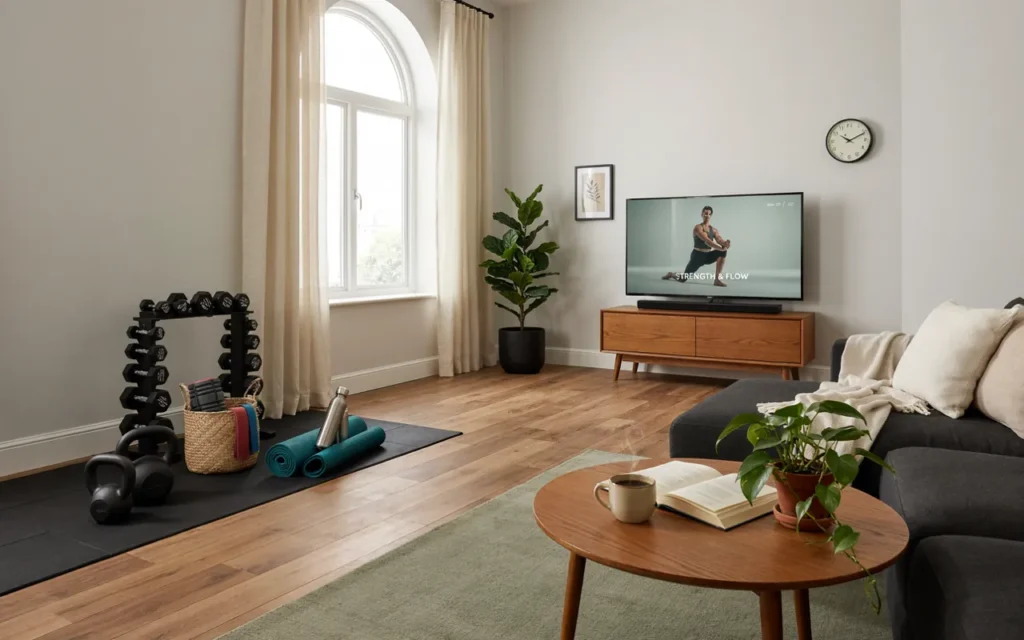
18. Keep a Modern Room Minimal for Focused Training
A gym room used primarily for pilates or targeted training doesn’t need to be filled with equipment you won’t use. Concrete floors, large windows, and clean lines create a serene, modern space that keeps the focus entirely on your workout.
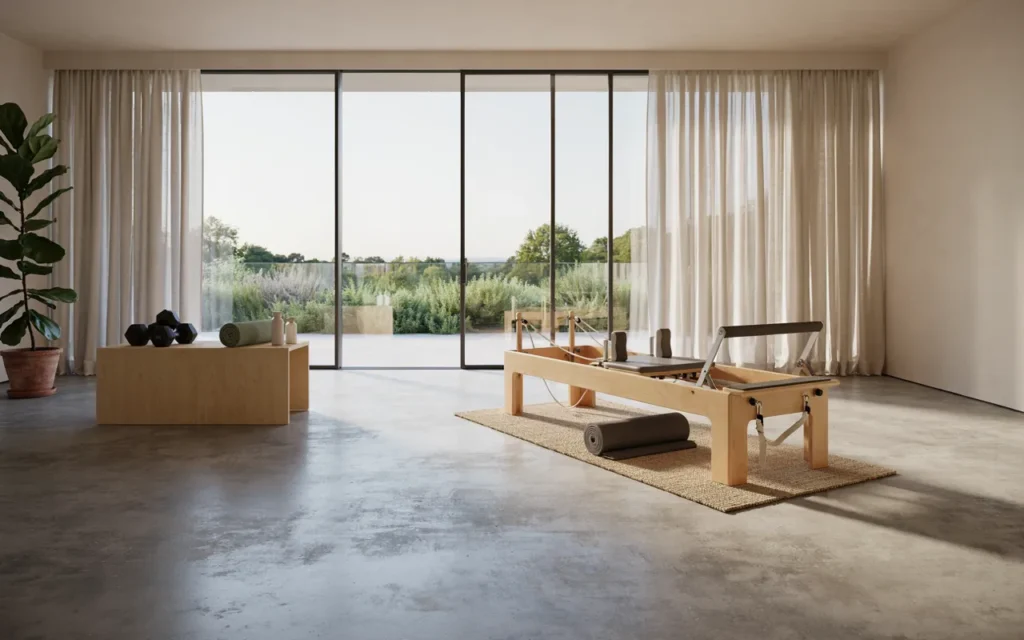
19. Warm Up an Acoustic Room With Wood Paneling
If your workout routine involves dance or movement requiring good acoustics, a wood-paneled room adds both warmth and natural sound insulation. This detail makes the space feel calmer while also improving the practical experience of moving and stretching.
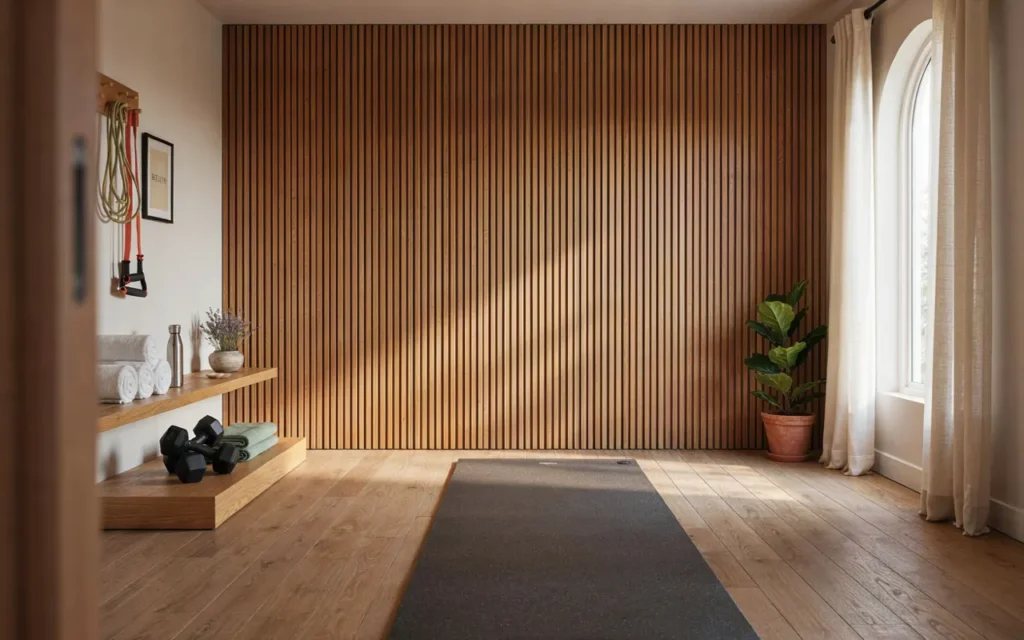
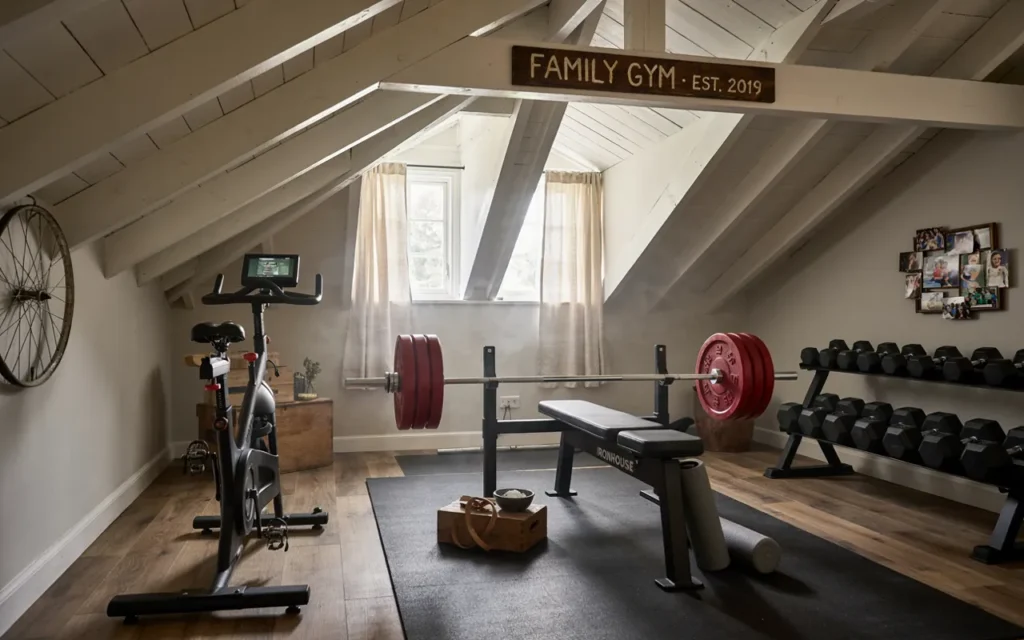
20. Convert an Attic for the Whole Family
A large attic room can comfortably fit an exercise bike, bench, dumbbells, and enough open space for the whole family to work out together. This shared setup encourages consistency, since everyone has easy access to the equipment at the same time.
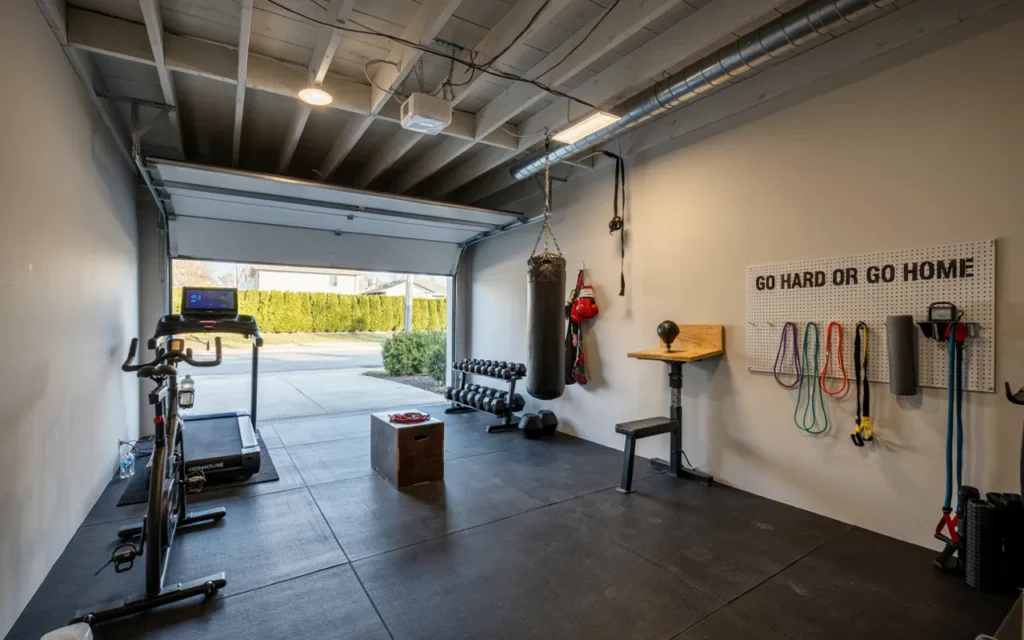
21. Use a Spacious Garage for Cardio and Boxing
A garage with generous square footage can comfortably house both cardio machines and boxing equipment without feeling overcrowded. Converting this space keeps workout clutter out of the main house while still giving you plenty of room to move.
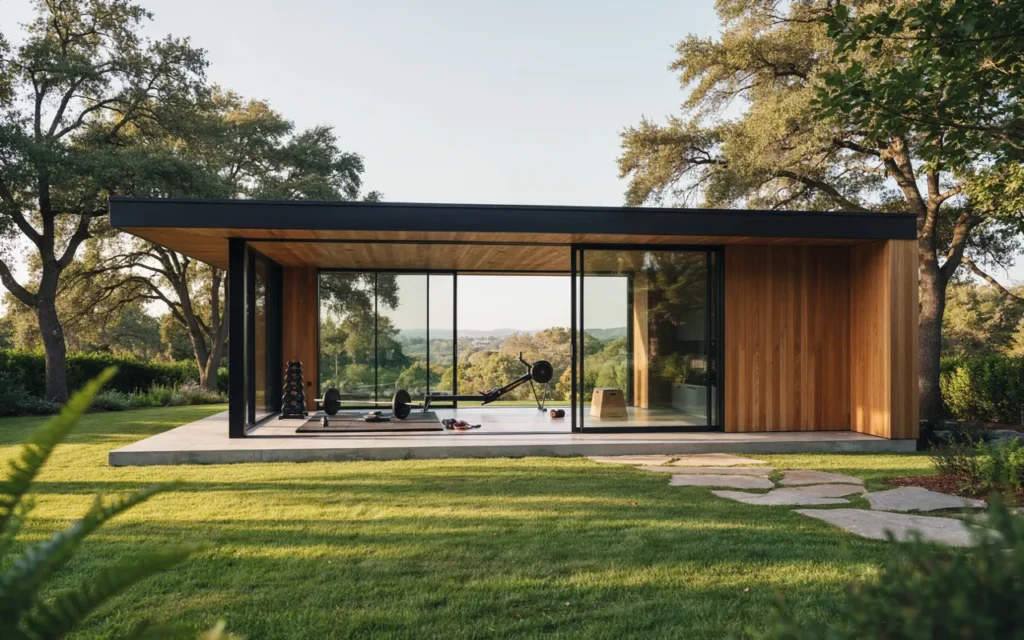
22. Build a Standalone Gym Structure
For those with the space and budget, a freestanding workout studio separate from the main house offers a true escape, often complete with wide windows and expansive views. This setup makes exercising feel like a dedicated retreat rather than another household chore.
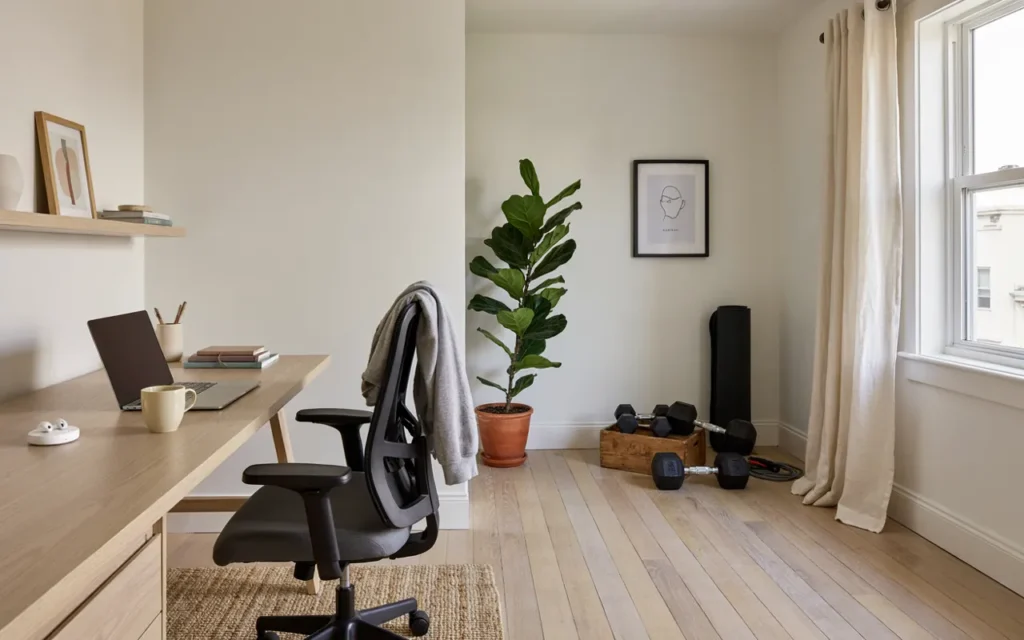
23. Set Up a Gym in a Home Office
If your gym is closed or your schedule is unpredictable, placing basic exercise equipment in your home office keeps a quick workout just steps away. This overlap makes it easier to fit in short movement breaks throughout a busy workday.
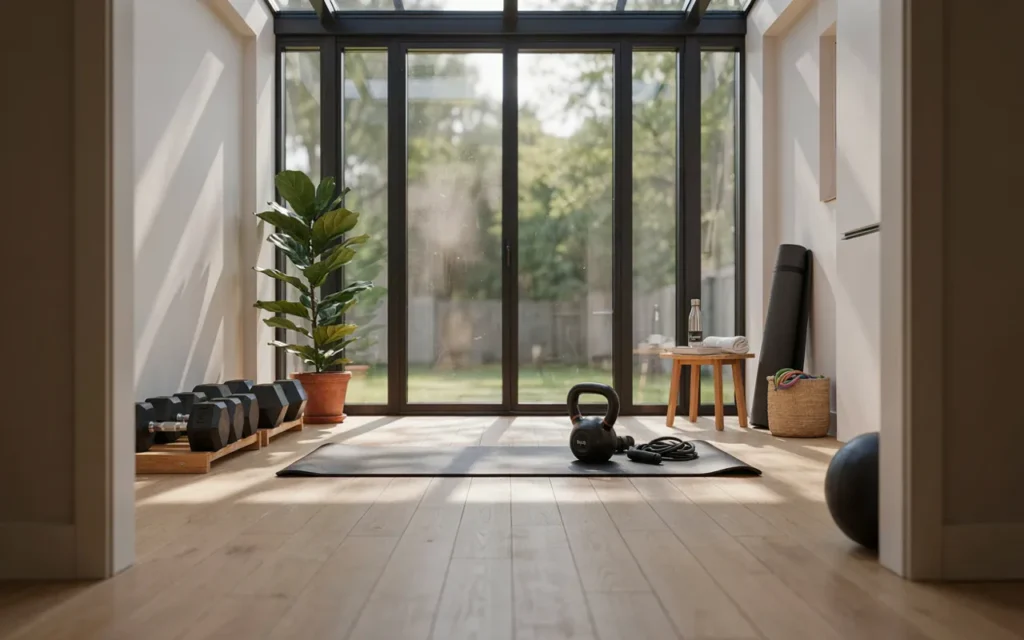
24. Turn a Sunroom Into a Light-Filled Gym
A sunroom’s abundance of natural light makes it one of the most energizing rooms to convert into a workout space. Large windows create the sensation of exercising outdoors while keeping you comfortable with climate control.
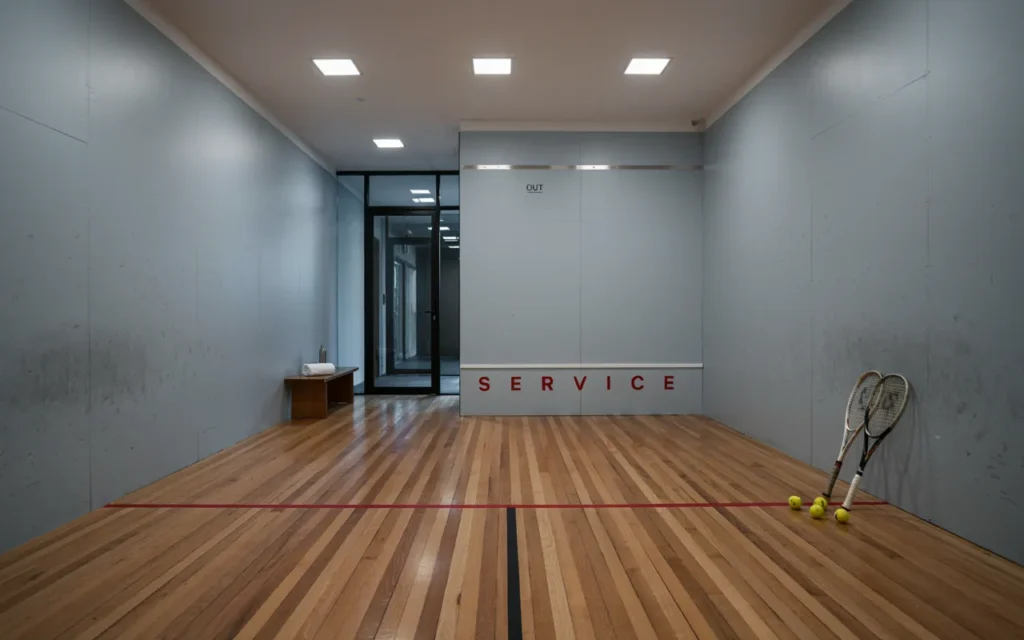
25. Add a Home Squash or Racquet Court
For dedicated racquet sport lovers with room to spare, a home squash court offers a unique and highly rewarding room conversion. Durable wall materials and even lighting are essential considerations if you decide to take on this larger project.
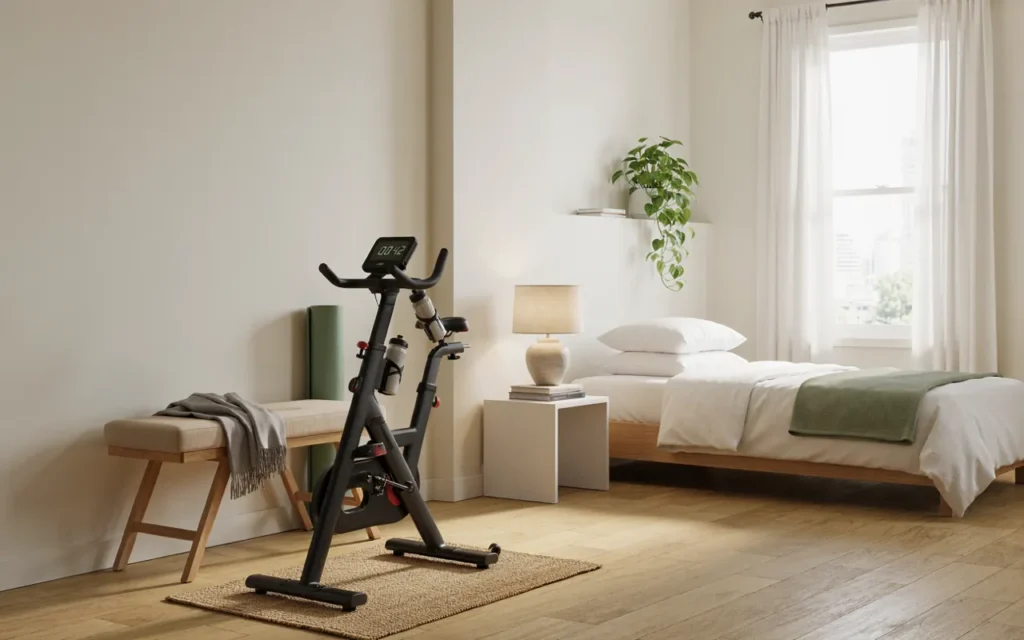
26. Convert a Guest Bedroom Corner
If a full room conversion isn’t practical, dedicating one corner of a guest bedroom to a compact gym setup still provides meaningful workout space. A foldable bench, resistance bands, and a compact stationary bike fit easily without disrupting the room’s primary function.
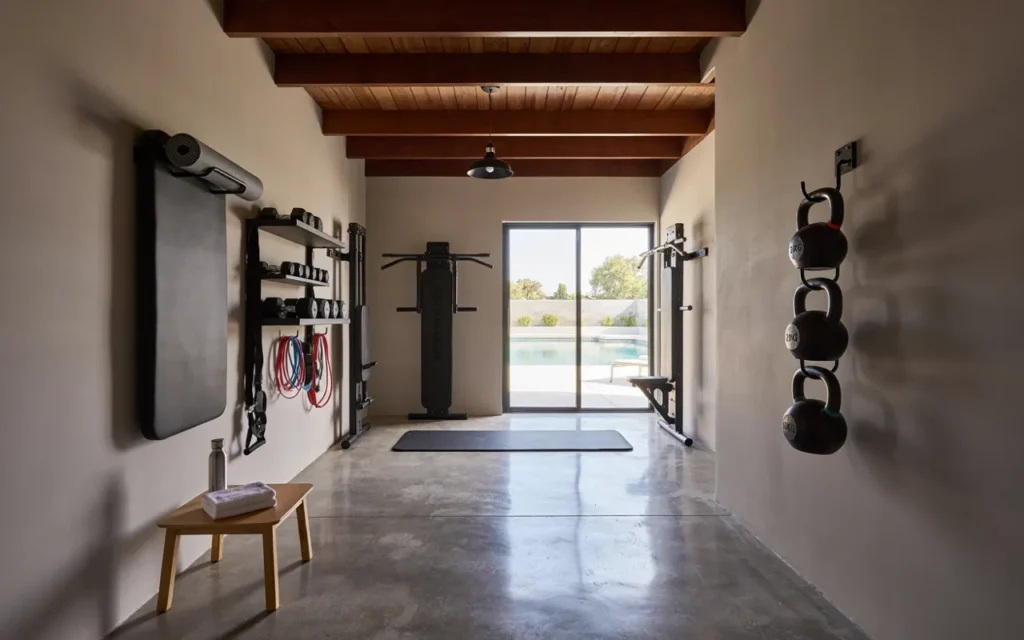
27. Repurpose a Pool House Into a Gym
An underused pool house or wet bar space can be reimagined as a compact home gym, especially if you choose equipment that folds up or hangs on the wall when not in use. This creative repurposing makes the most of a structure that might otherwise sit empty.
28. Set Up a Home Gym With a View
Positioning your workout equipment in a room with plenty of windows and a scenic outlook makes exercising feel less like a chore and more like an escape. Even a modest view of greenery can make a significant difference in how motivated you feel to use the space.
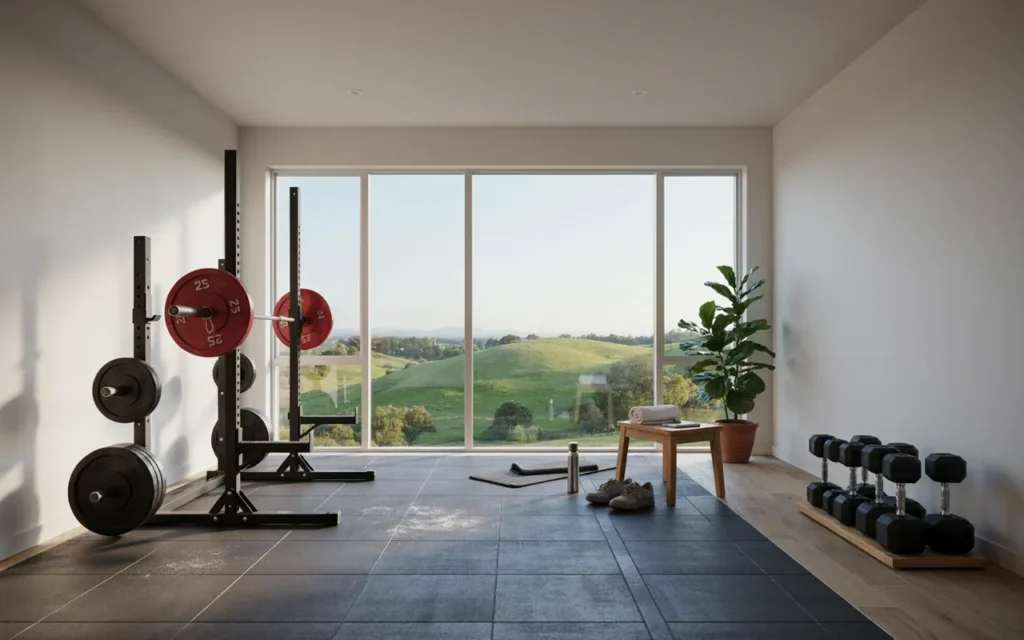
29. Move Your Weight Rack Outdoors
If your climate allows, setting up a weight rack on a patio or backyard deck offers a luxury gym experience with the added bonus of fresh air and sunshine. This outdoor setup works particularly well for strength training routines that don’t require enclosed space.
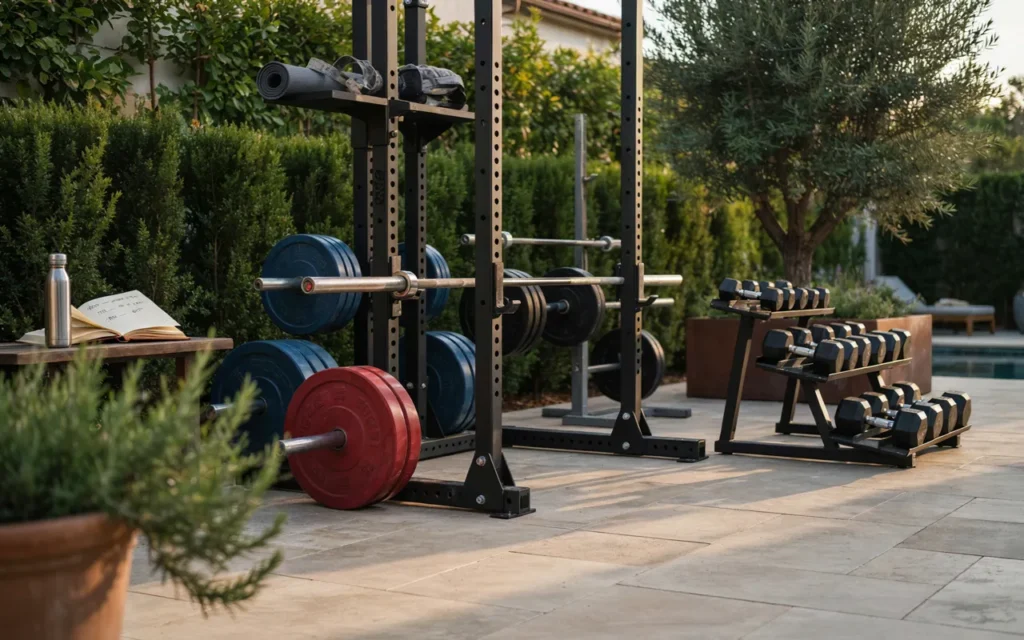
30. Repurpose a Backyard Shed or Barn
A whitewashed backyard shed or barn can become a serene, designer-worthy yoga studio with minimal renovation. Neutral-toned accessories and simple furnishings help create a cohesive, tranquil aesthetic separate from the main house.
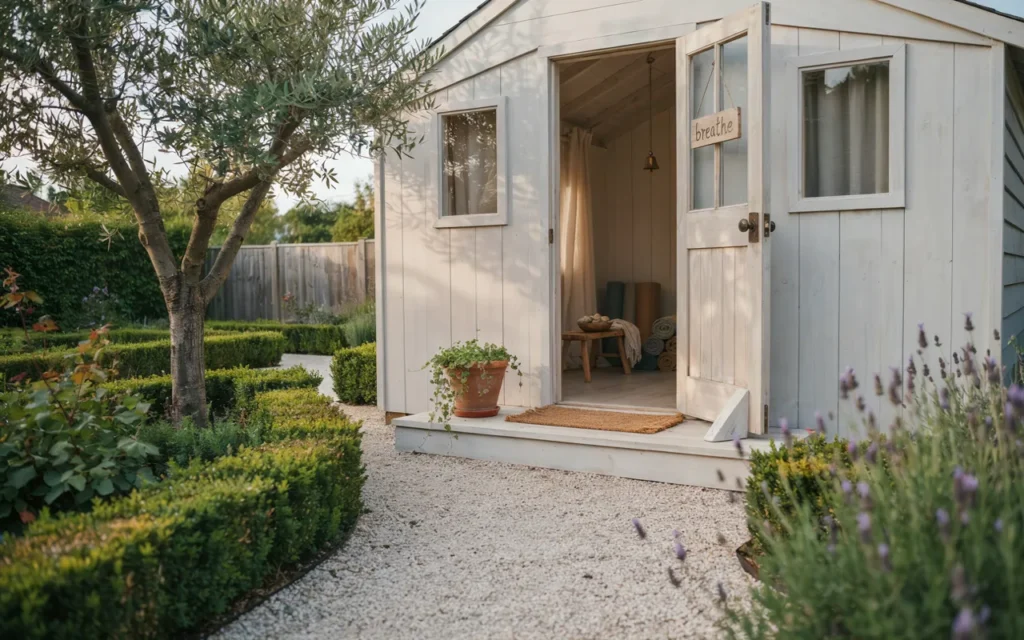
31. Combine a Gym With a Home Sauna
If space and budget allow, pairing your workout room with a home sauna creates a complete recovery experience after intense training sessions. Backlit wood paneling and heat-resistant lighting fixtures add a spa-like touch to this dual-purpose setup.
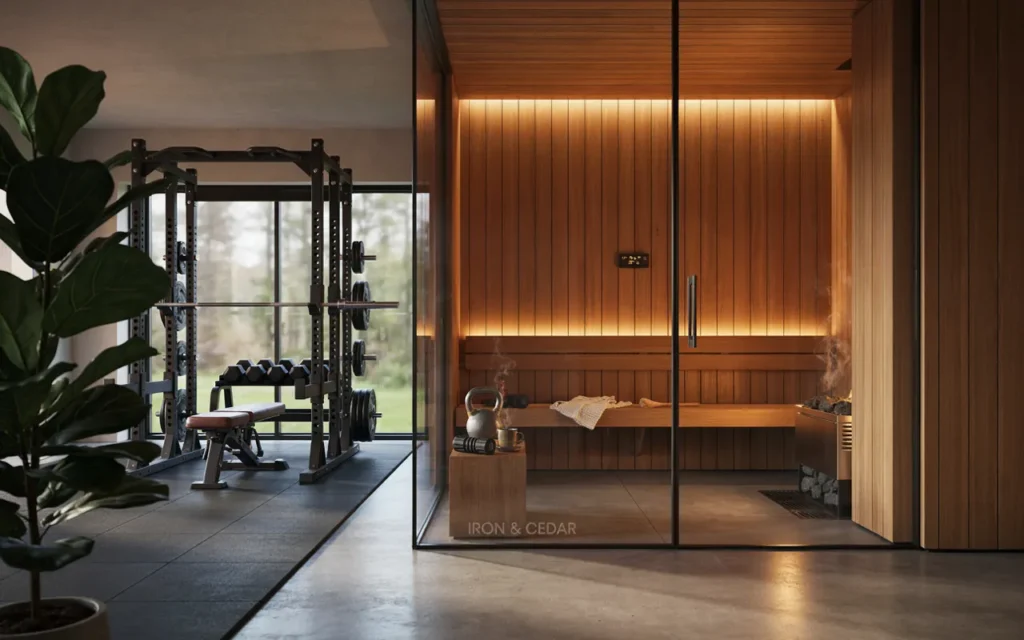
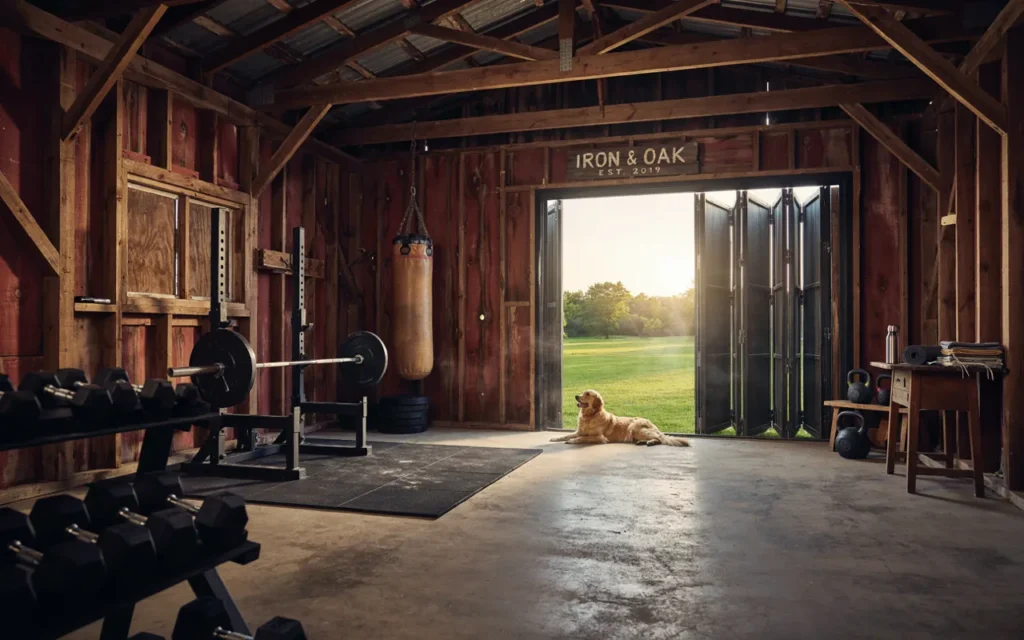
32. Set Up a Home Gym in a Converted Barn
A converted barn with accordion doors that open fully offers a unique combination of enclosed workout space and outdoor access. This setup is ideal for those who want fresh air during exercise without fully committing to an outdoor-only gym.
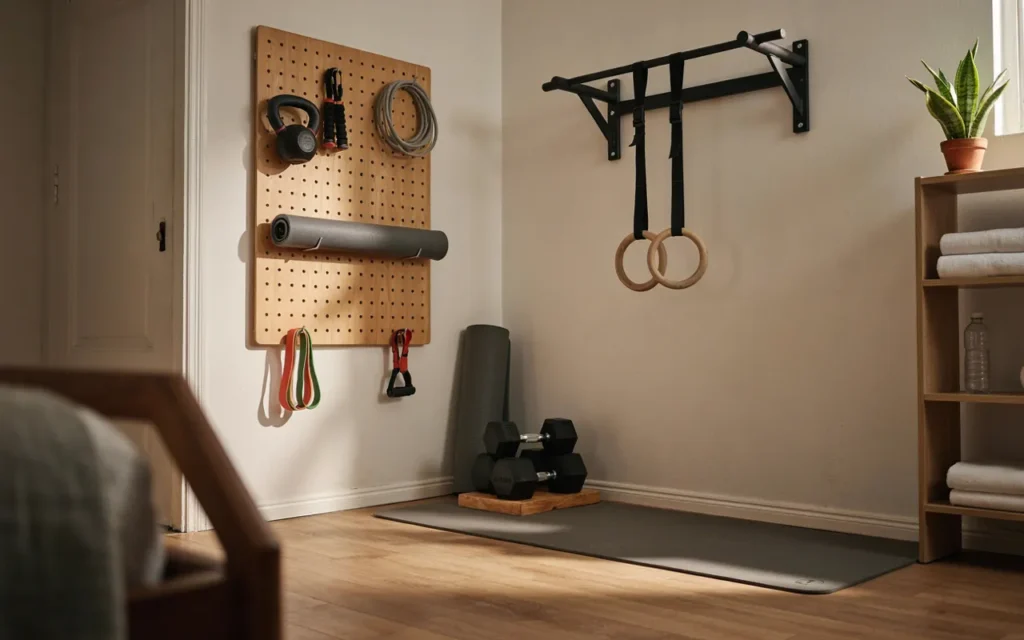
33. Build a Compact Corner Gym in a Small Apartment
Apartment dwellers can still enjoy a functional home gym by dedicating a single wall or corner to vertical storage and compact equipment. Wall-mounted racks, pegboards, and foldable gear make the most of limited square footage without sacrificing function.
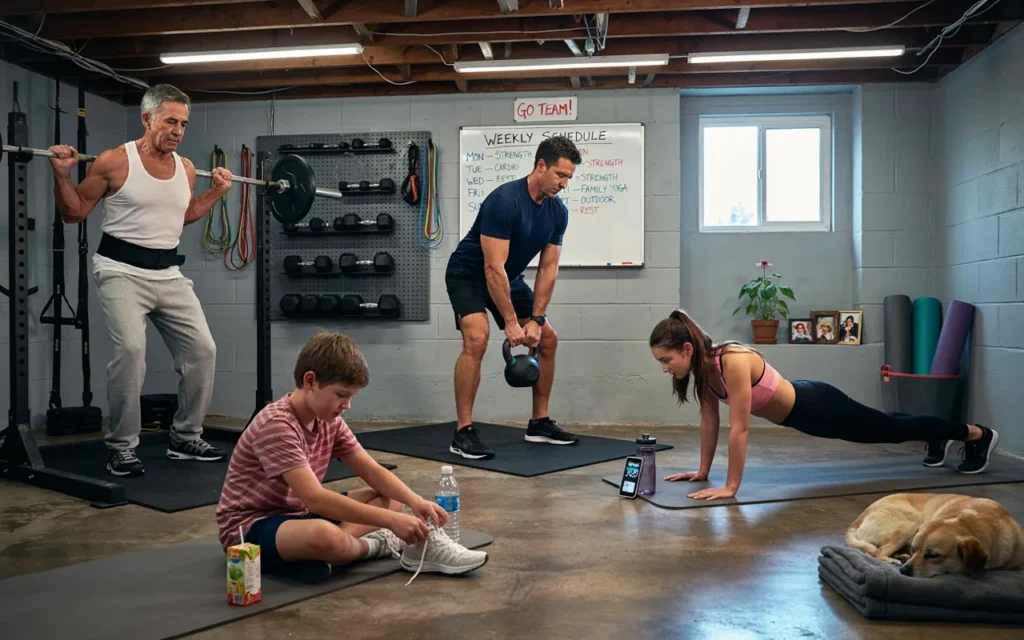
34. Turn a Finished Basement Into a Family Fitness Hub
A finished basement with proper flooring, lighting, and ventilation can become a fitness hub for the whole household. Distinct zones for kids, cardio, and strength training let everyone use the space simultaneously without stepping on each other’s routines.
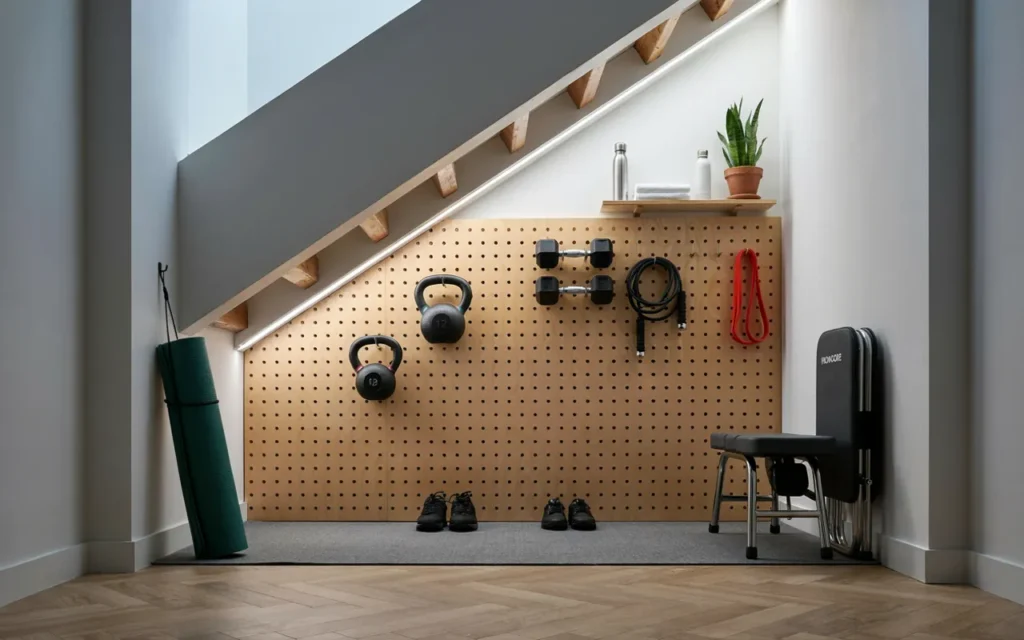
35. Set Up a Gym Beneath the Stairs
The often-overlooked space beneath a staircase can be transformed into a surprisingly functional micro gym with a few wall-mounted hooks and a compact storage solution. This clever use of dead space works especially well for storing bands, mats, and small weights.
Frequently Asked Questions (FAQs)
1. What’s the best room in a house for a home gym? A spare bedroom, basement, or garage tends to work best due to their existing open floor space and built-in privacy, though any underused corner can be converted with the right planning.
2. Can a small apartment accommodate a home gym? Yes, dedicating a single corner or wall with vertical storage, foldable equipment, and a compact mat allows even small apartments to support a functional workout routine.
3. Do I need to finish a basement before turning it into a gym? Not necessarily. Exposed concrete floors can look modern and industrial with the right styling, and adding floor mats and a mirror is often enough to create a functional space.
4. What’s the easiest room to convert into a home gym? A spare bedroom is typically the easiest conversion, since it already has four walls, a door for privacy, and no major structural changes required before adding equipment.
5. How can I make a small home gym room feel bigger? Light paint colors, strategic mirror placement, and minimal clutter all help a small room feel more open, while wall-mounted storage keeps floor space clear for movement.
6. Is an outdoor home gym practical in most climates? Outdoor gyms work best in warmer, drier climates or under a covered structure like a porch or patio, since exposure to rain and extreme temperatures can damage equipment over time.
7. What should I prioritize when choosing a room for strength training versus yoga? Strength training rooms benefit from durable flooring and open space for movement, while yoga rooms should prioritize natural light, a calming color palette, and minimal distractions.
8. Can a home gym room serve more than one purpose? Yes, many home gyms double as home offices, guest bedrooms, or lounges by incorporating multi-functional furniture and equipment that can be tucked away or folded up when not in use.