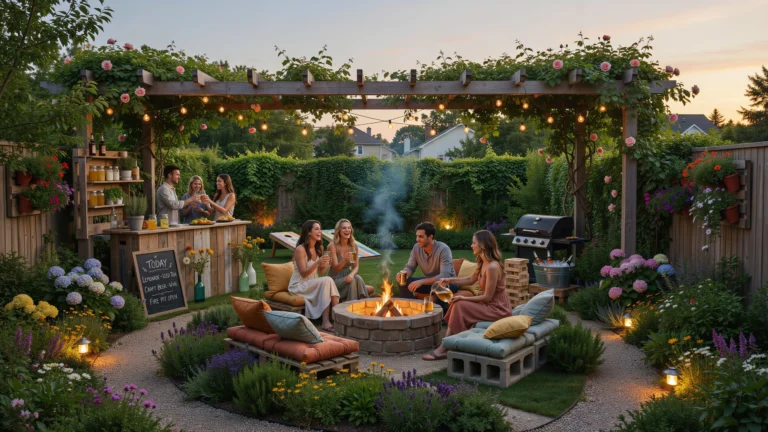
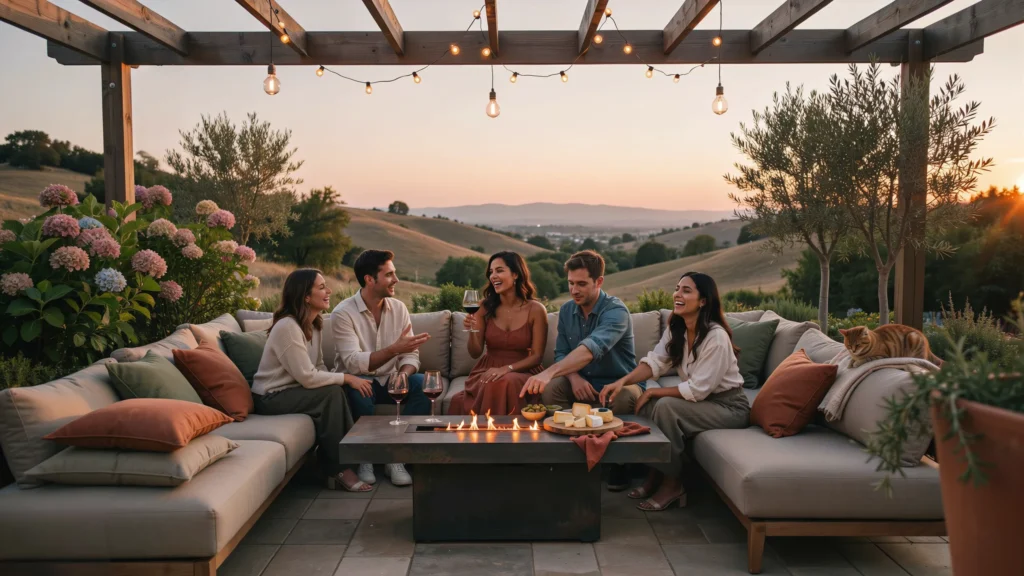
Creating a welcoming patio start with the 8 essentials for a warm and inviting outdoor space: comfortable seating, ambient lighting, outdoor heating, lush greenery, personal decor, shade and shelter, sensory elements like water and sound, and a functional layout. Combine these thoughtfully, and your patio becomes a true extension of your home.
Your backyard or patio holds more potential than you might think. With the right design choices, an ordinary slab of concrete can transform into the spot where you sip your morning coffee, host weekend dinners, and unwind after a long day.
The secret isn’t spending a fortune. It’s knowing which elements actually make an outdoor space feel cozy, useful, and beautiful. Too many patios end up cluttered, uncomfortable, or simply unused because they lack a clear plan.
This guide breaks down the eight essentials that turn any outdoor area into a welcoming retreat. Whether you’re working with a small balcony or a sprawling garden, these practical tips will help you build a space you’ll actually want to spend time in. Let’s dig into what really matters.
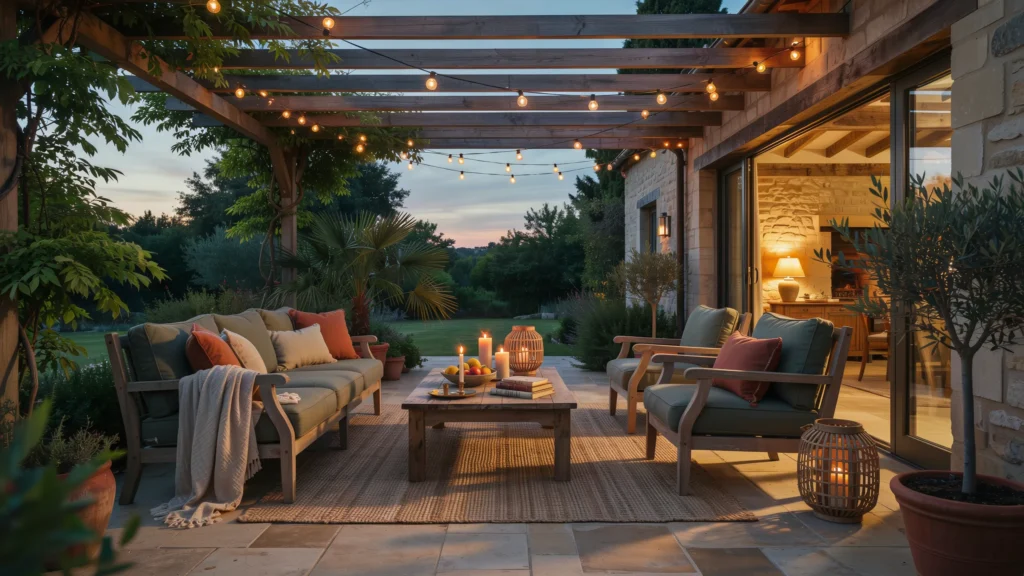
Why does a well-designed outdoor space matter?
A thoughtfully designed outdoor area does more than look good. It adds usable square footage to your home, often at a fraction of the cost of an indoor renovation. According to real estate research, outdoor living spaces consistently rank among the features buyers value most.
Beyond resale value, your outdoor space affects how you live day to day. A comfortable patio invites you to step outside, get some fresh air, and slow down. The goal is simple: make your outdoor area feel like a natural extension of your indoor rooms, with the same comfort and personality.
Think of your patio as another room without walls. The same principles that make a living room cozy soft seating, good lighting, personal touches apply outside too. Keep that mindset as you work through the essentials below.
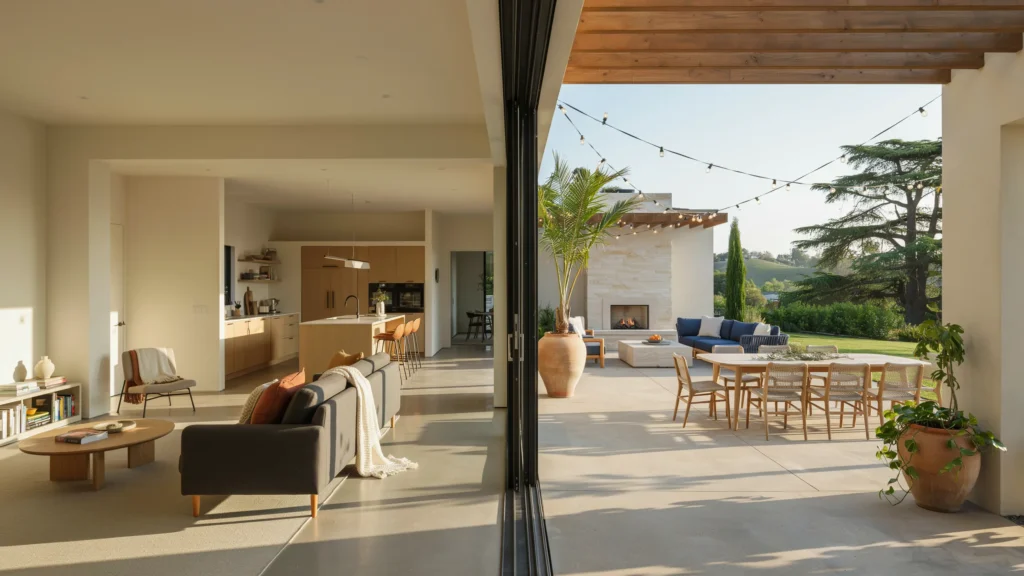
1: How do you choose comfortable outdoor seating?
Seating is the foundation of any inviting outdoor space. If people don’t have a comfortable place to sit, they won’t linger. Start by thinking about how you’ll use the area. Hosting dinners calls for chairs and a table, while a relaxation zone benefits from a deep sofa or a lounger.
Pick durable, weather-resistant materials. Outdoor furniture takes a beating from the sun, rain, and temperature swings. Look for frames made from powder-coated aluminum, teak, or all-weather wicker. For cushions, choose quick-dry foam wrapped in fade-resistant fabrics like Sunbrella. These materials cost a bit more upfront but last far longer, saving you money over time.
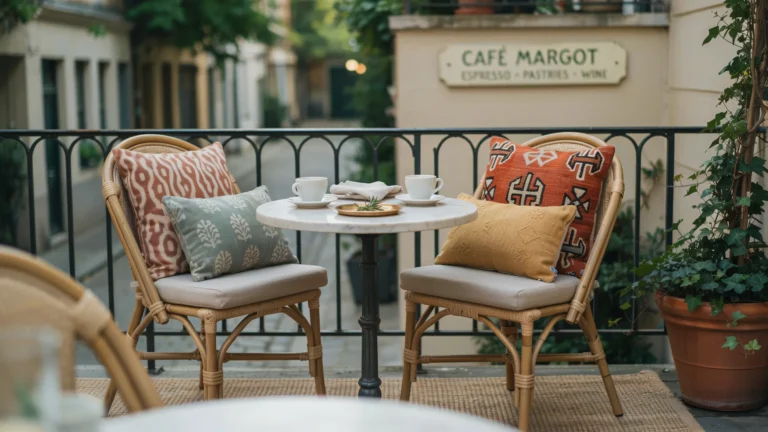
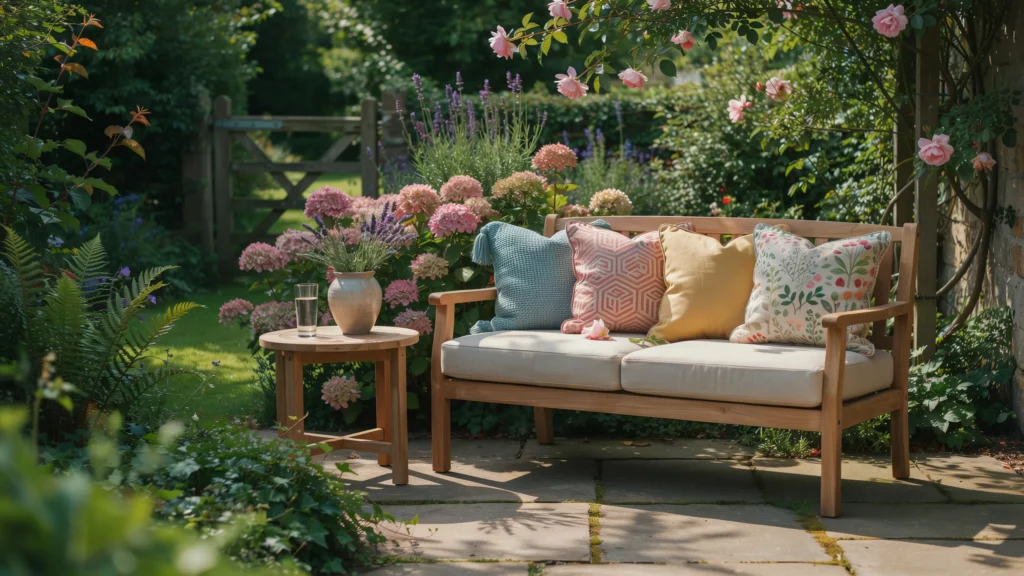
Add cushions and throw pillows. Plush cushions instantly make seating more inviting, and they’re an easy way to bring in color and texture. Mix patterns and tones to add personality. Choose if comfort matters more than minimalism a few well-placed pillows turn a plain bench into a spot you never want to leave.
2: What kind of lighting makes an outdoor space feel cozy?
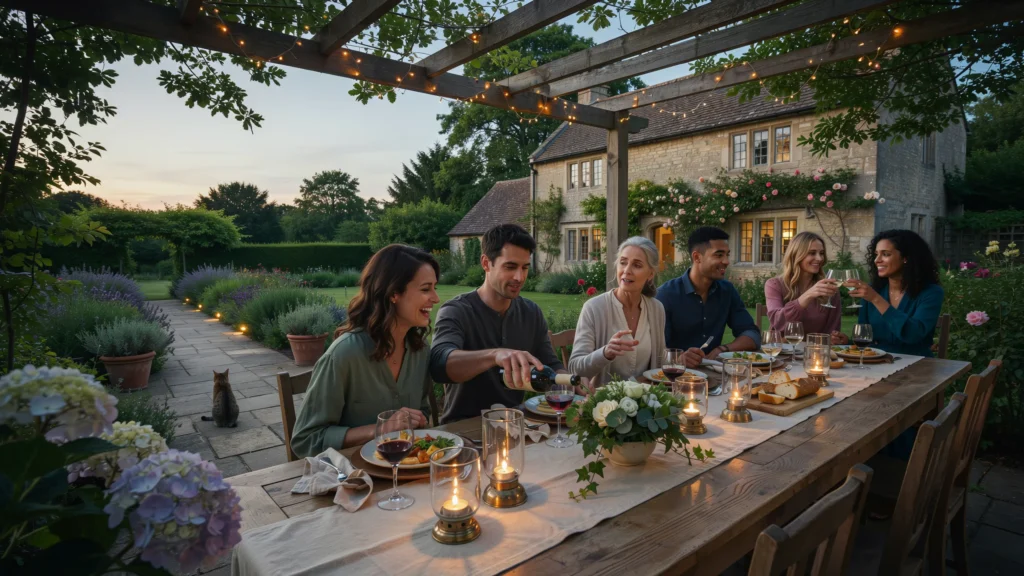
Lighting can completely change the mood of your outdoor space once the sun goes down. The right glow turns a daytime patio into an evening retreat. The trick is to layer different light sources rather than relying on one harsh overhead fixture.
String lights draped overhead create instant warmth and a festive feel. They’re affordable, easy to hang, and work in almost any space. Lanterns add a soft, flickering glow and can be moved around as needed. Solar lamps along pathways provide gentle guidance and cost nothing to run, since they charge during the day.
Aim for warm-toned bulbs (around 2700K) rather than cool white, which can feel clinical. For safety, make sure any electrical lighting is rated for outdoor use, keep cords away from water, and light up steps and uneven ground to prevent trips.
3: What are the best outdoor heating options?
Heating extends the life of your outdoor space well into cooler months. Without it, your patio sits empty for half the year. A good heat source keeps guests comfortable and adds a focal point for gathering.
Fire pits are the crowd favorite. There’s something timeless about gathering around a flame, and a fire pit doubles as a centerpiece. Options range from simple wood-burning bowls to sleek gas models with adjustable flames. Patio heaters, often shaped like tall standing lamps, push out steady warmth and work well for dining areas.
Safety comes first with any heat source. Keep fire pits at least ten feet from walls, fences, and overhanging branches. Never leave open flames unattended, and keep a fire extinguisher or bucket of water nearby. For gas units, check connections regularly and store fuel properly.

4: How do plants and greenery improve an outdoor space?
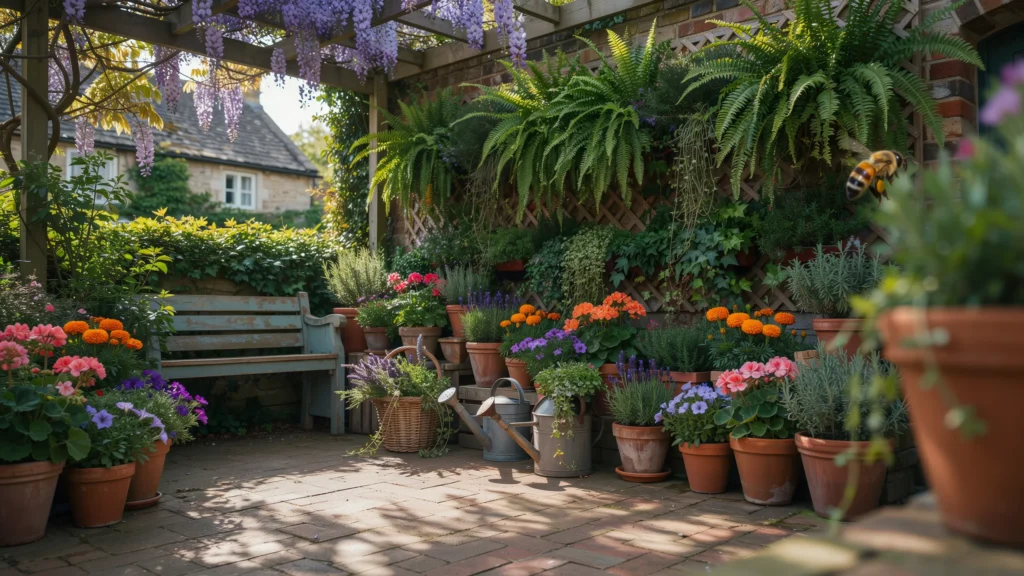
Nothing softens and warms a space like living plants. Greenery adds color, texture, and a sense of calm that hard surfaces can’t match. Plants also help define areas and create privacy when placed strategically.
Choose plants suited to your climate and space. A sun-baked patio needs hardy, drought-tolerant plants like succulents or lavender, while a shaded corner suits ferns and hostas. Check your growing zone before buying, and group plants with similar water needs together to make care easier.
Use decorative planters and vertical gardens to add visual interest. Tall planters draw the eye upward, while a vertical garden mounted on a wall saves floor space in small areas. Mix plant heights and pot styles for a layered, lush look that feels intentional rather than scattered.
5: How do personal touches make a patio feel like home?
The details are what give your outdoor space character. Personal touches turn a generic patio into a space that feels uniquely yours. This is where you get to have fun and show off your style.
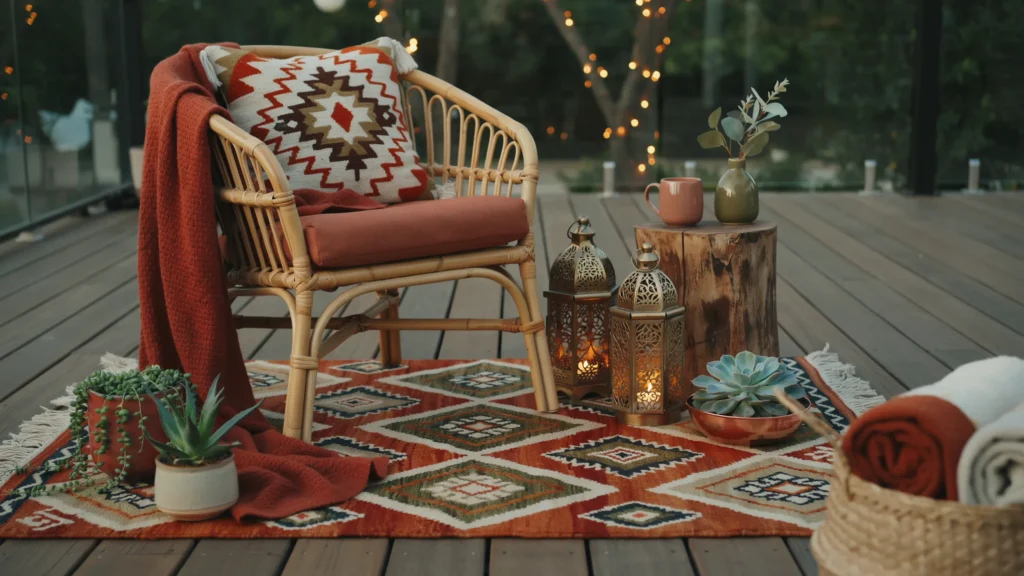
Outdoor rugs are a powerful tool for defining zones. A rug under a seating arrangement instantly marks it as a distinct area and adds softness underfoot. Look for flat-weave options made for outdoor use, which resist moisture and clean easily.
Decorative accents like statues, wind chimes, and weatherproof art bring personality. A wind chime adds a gentle sound, while a sculpture creates a focal point. Pay attention to color and texture, too. Layering a chunky knit throw over a smooth chair or pairing terracotta pots with metal furniture creates visual depth that feels cozy and considered.
6: What are the best options for shade and shelter?
Shade makes your outdoor space usable even on the hottest days. Without protection from the sun, a patio becomes unbearable by midday. Shelter also guards against light rain, letting you enjoy the outdoors in more kinds of weather.
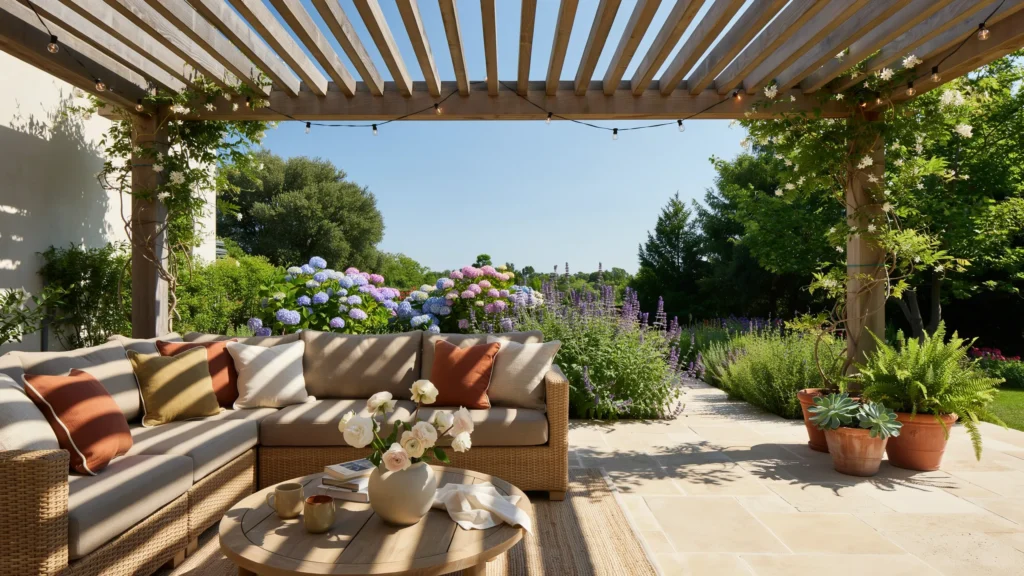
Umbrellas are the simplest and most flexible option. They’re affordable, easy to move, and come in countless sizes and colors. For a permanent solution, pergolas add architectural beauty and dappled shade, especially when paired with climbing vines. Awnings retract when you want sun, and gazebos offer a fully sheltered space for dining or lounging.
When choosing shelter, pick materials and colors that complement your home’s exterior. A wooden pergola suits a rustic house, while a sleek metal frame fits a modern build. Matching your home’s aesthetic keeps the whole space feeling cohesive.
7: How do sound and scent enhance an outdoor space?
The most inviting spaces appeal to all your senses, not just sight. Sound and scent work quietly in the background to create a relaxing atmosphere you can feel the moment you step outside.
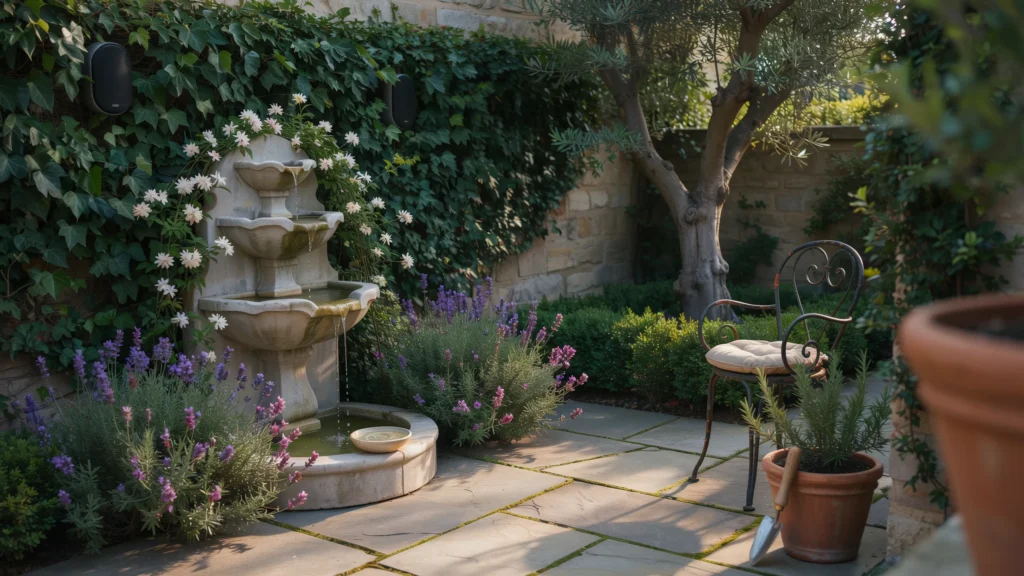
Water features like a small fountain add a soothing, continuous trickle that masks traffic noise and promotes calm. Even a compact tabletop fountain makes a noticeable difference. Outdoor speakers let you play soft music, and many weatherproof models hide discreetly among plants or mount under eaves.
Fragrant plants complete the sensory experience. Lavender, jasmine, and rosemary release pleasant scents that drift on the breeze, especially in the evening. Plant them near seating areas where you’ll catch their fragrance most. Together, gentle sound and natural scent transform a patio into a genuine retreat.
8: How do you create good flow in an outdoor space?
Even the most beautiful patio falls flat if it’s hard to move around or doesn’t suit how you live. Functionality and flow tie all the other essentials together into a space that works.
Create distinct zones based on activity. A dining zone with a table, a lounging area with soft seating, and a cooking spot near the grill each serve a clear purpose. Defining these areas with rugs, planters, or furniture placement makes a large space feel organized and a small space feel intentional.
Ensure easy movement between zones. Leave clear walkways so people can pass without bumping into furniture. Aim for at least three feet of clearance in main paths. Finally, plan for storage and maintenance. A weatherproof storage box keeps cushions and tools dry, and choosing low-maintenance materials means you spend more time enjoying your space and less time cleaning it.

Bringing your outdoor space to life
Building a warm and inviting outdoor space doesn’t require a complete overhaul or a huge budget. Start with comfortable seating, then layer in lighting, heating, and greenery as your foundation. Add personal touches, shade, sensory elements, and a smart layout, and you’ll have a space that feels like a true extension of your home.
The best approach is to begin with one or two essentials and build from there. Pick the element that will make the biggest difference for how you want to use the space, whether that’s a cozy fire pit for cool evenings or a shady pergola for summer afternoons. Over time, your patio will grow into a retreat you return to again and again.
Ready to get started? Choose one essential from this list and tackle it this weekend. Small, steady changes add up to an outdoor space you’ll love for years.
Frequently asked questions
How much does it cost to create an inviting outdoor space?
Costs vary widely based on your choices. You can refresh a small patio for a few hundred dollars with string lights, cushions, and potted plants. A full setup with quality furniture, a pergola, and heating can run several thousand. Starting small and adding pieces over time keeps it affordable.
What’s the most important element for a cozy patio?
Comfortable seating matters most. If people don’t have a pleasant place to sit, they won’t spend time outside, no matter how nice everything else looks. Invest in durable, cushioned seating first, then build the rest of your space around it.
How do I make a small outdoor space feel bigger?
Use vertical gardens to free up floor space, choose multi-purpose furniture, and define zones with rugs rather than bulky dividers. Light colors and good lighting also make compact areas feel more open and welcoming.
Which outdoor heating option is safest?
Electric patio heaters tend to be the safest since they produce no open flame and no fuel storage risk. If you prefer a fire pit, a gas model with an adjustable, controllable flame offers more safety than wood-burning options. Always follow clearance and supervision guidelines.
What plants work best for a low-maintenance outdoor space?
Drought-tolerant plants like succulents, lavender, and ornamental grasses need little water and care. Choose varieties suited to your climate zone, group them by water needs, and use self-watering planters to cut down on upkeep.