
A shaded chandelier is a multi-light fixture topped with fabric or material shades that soften and diffuse light. Splurge options ($1,500+) offer premium materials, designer craftsmanship, and lasting durability, while save options ($100–$500) deliver a similar style with smart manufacturing. The right choice depends on your budget, room size, and how long you plan to keep it. This Shaded Chandeliers: Splurge vs. Save Buying Guide will help you understand the key differences and choose the best option for your home.
Lighting can make or break a room. A shaded chandelier, in particular, brings warmth, character, and a soft glow that bare bulbs simply can’t match. But here’s the catch: prices range wildly. You might find one for $99 at a big-box store or $5,000 from a boutique designer.
So how do you know what’s worth your money? That’s exactly what this guide will help you figure out. We’ll break down what shaded chandeliers are, the factors that affect price, and how high-end and budget options really compare.
By the end, you’ll know whether to splurge or save and how to get the most out of whichever you choose. Let’s get into it.
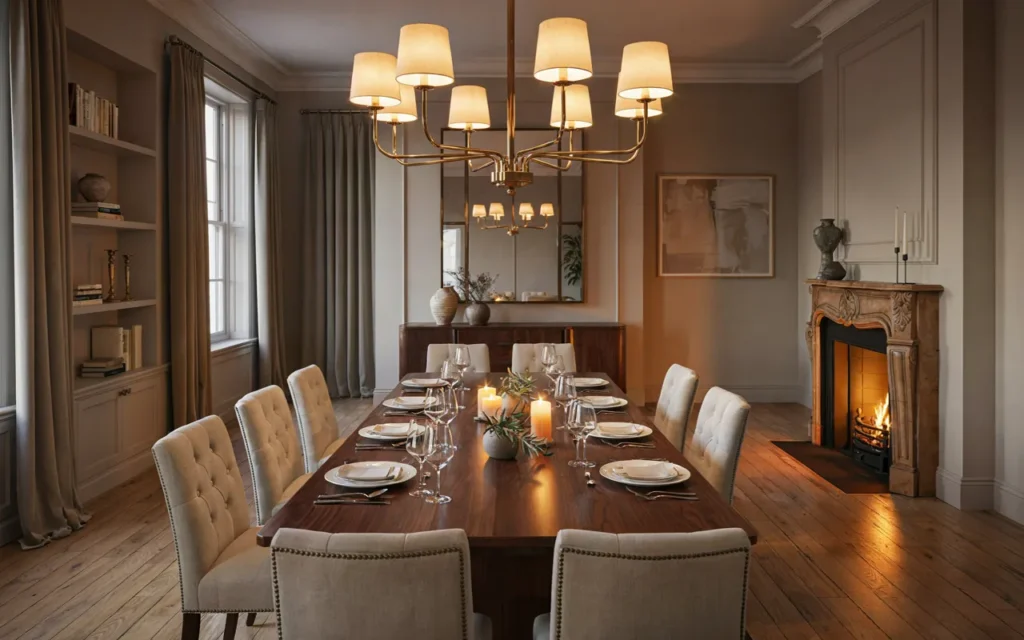
What is a shaded chandelier?
A shaded chandelier is a hanging light fixture with multiple bulbs, each (or all) covered by a fabric or material shade. The shades diffuse the light, creating a softer, more flattering glow than exposed bulbs. They also add texture and a decorative touch.
Think of it as the difference between harsh overhead lighting and the cozy glow of a bedside lamp but scaled up and centered as the focal point of a room.
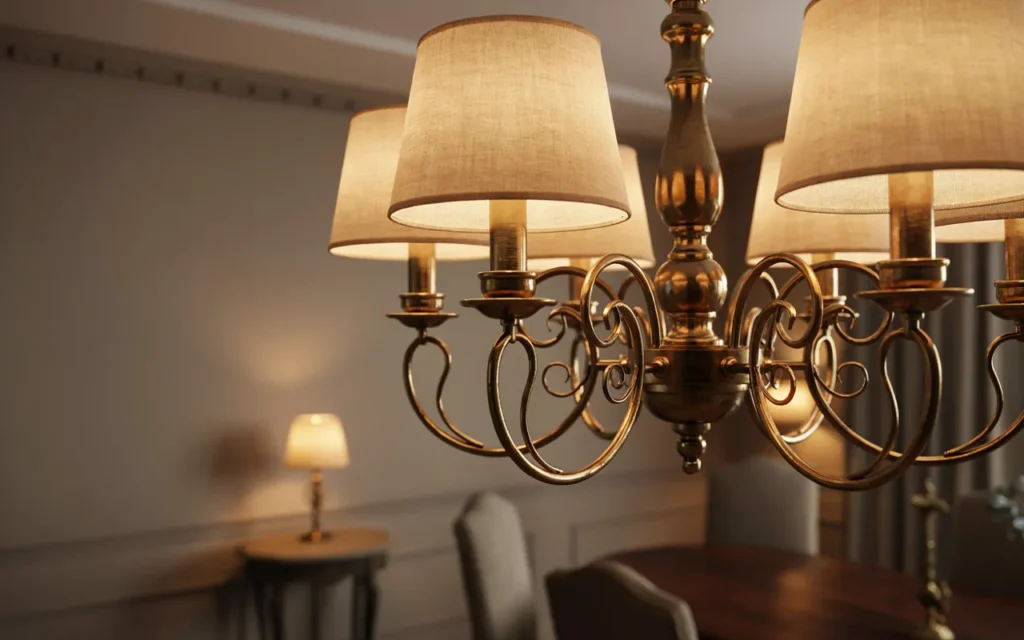
Where did shaded chandeliers come from?
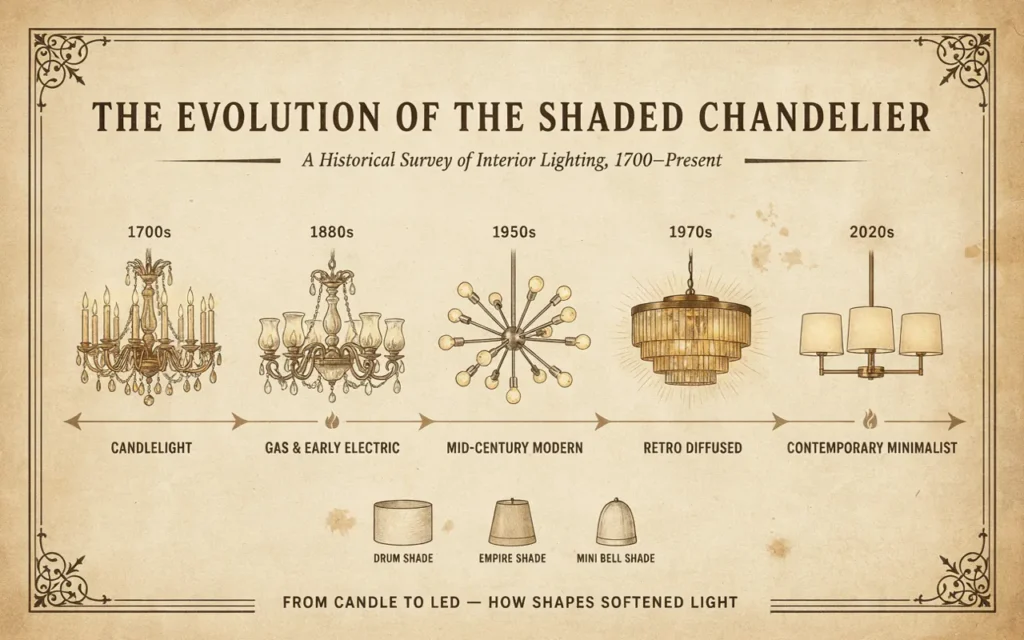
Chandeliers date back centuries, originally holding candles in grand halls and palaces. As lighting evolved from candles to gas to electricity, so did the designs. Shades were introduced to soften electric light, which often felt too bright and clinical compared to candlelight.
Today’s shaded chandeliers blend that history with modern function. Drum shades, empire shades, and mini bell shades all trace their roots back to these early efforts to make artificial light feel more inviting.
Why are shaded chandeliers still popular today?
Shaded chandeliers remain popular because they balance beauty and practicality. The shades reduce glare, making rooms more comfortable. They also work across many design styles, from farmhouse to modern glam.
Designers love them because they act as both a light source and a statement piece. For homeowners, they offer an easy way to upgrade a room without a full renovation.
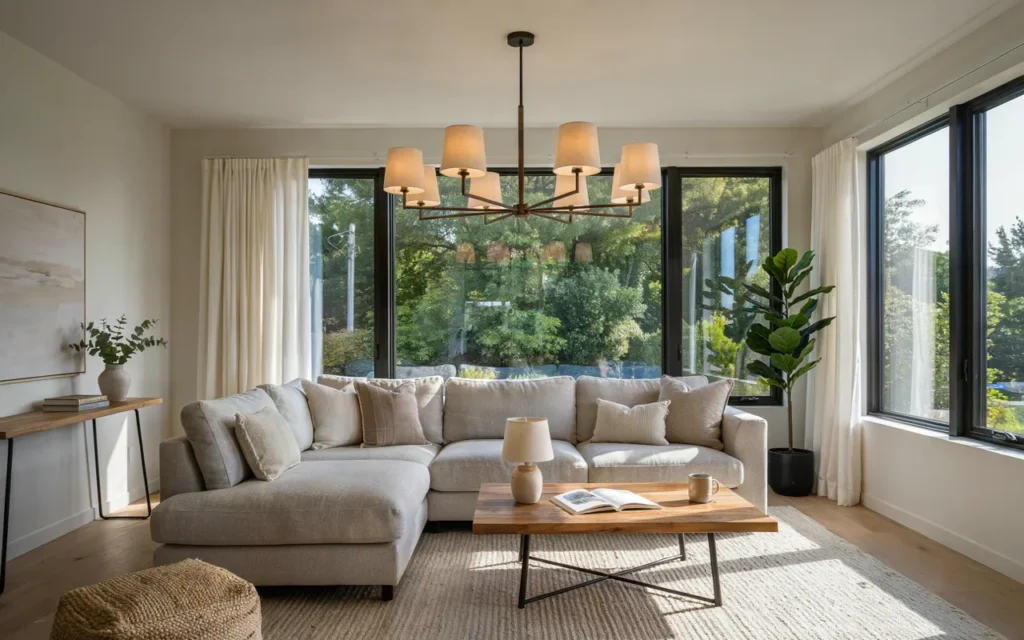
Key factors to consider when buying a shaded chandelier
Before you shop, it helps to know what actually affects a chandelier’s price and performance. Here are the five things that matter most.
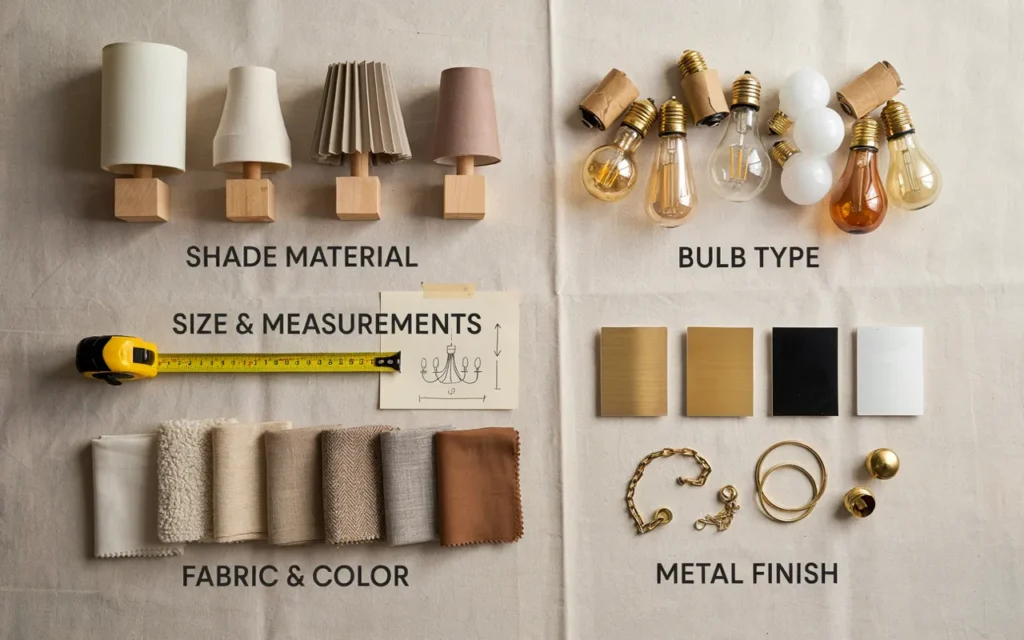
How do I choose the right size chandelier for my room?
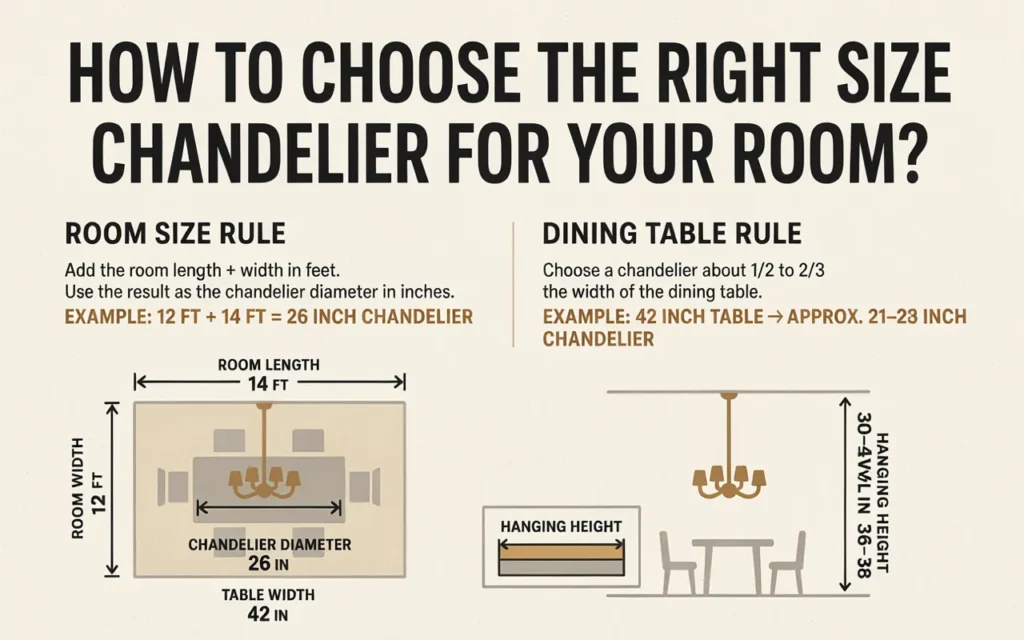
Size is everything. A chandelier that’s too small looks lost, while one that’s too big overwhelms the space. A common rule: add the room’s length and width in feet, then use that number in inches as your ideal chandelier diameter. For a 12-by-14-foot room, aim for a chandelier around 26 inches wide.
For dining tables, the chandelier should be about half to two-thirds the width of the table. Get this right, and the fixture feels intentional rather than accidental.
What materials are used in shaded chandeliers?
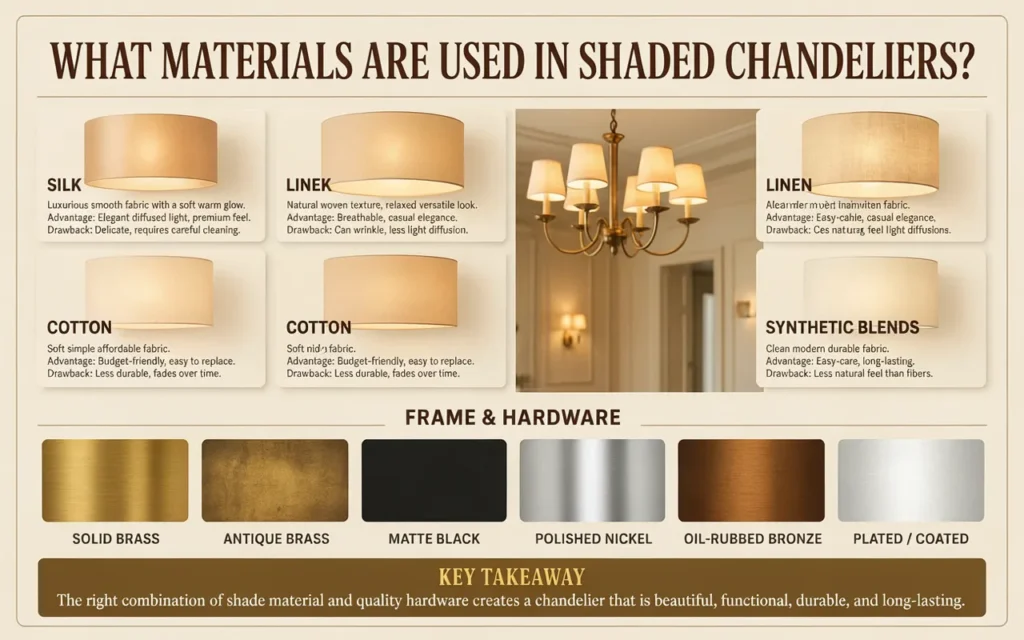
Shade materials make a big difference in both look and cost. Common options include:
- Silk: Luxurious and elegant, but pricier and harder to clean.
- Linen: Natural, textured, and versatile a favorite for modern and farmhouse styles.
- Cotton: Affordable and widely available, though less durable over time.
- Synthetic blends: Budget-friendly and easy to maintain, often used in lower-priced fixtures.
The frame and hardware matter too. Solid brass and hand-finished metals cost more but last longer than plated or coated alternatives.
How much light does a shaded chandelier give off?
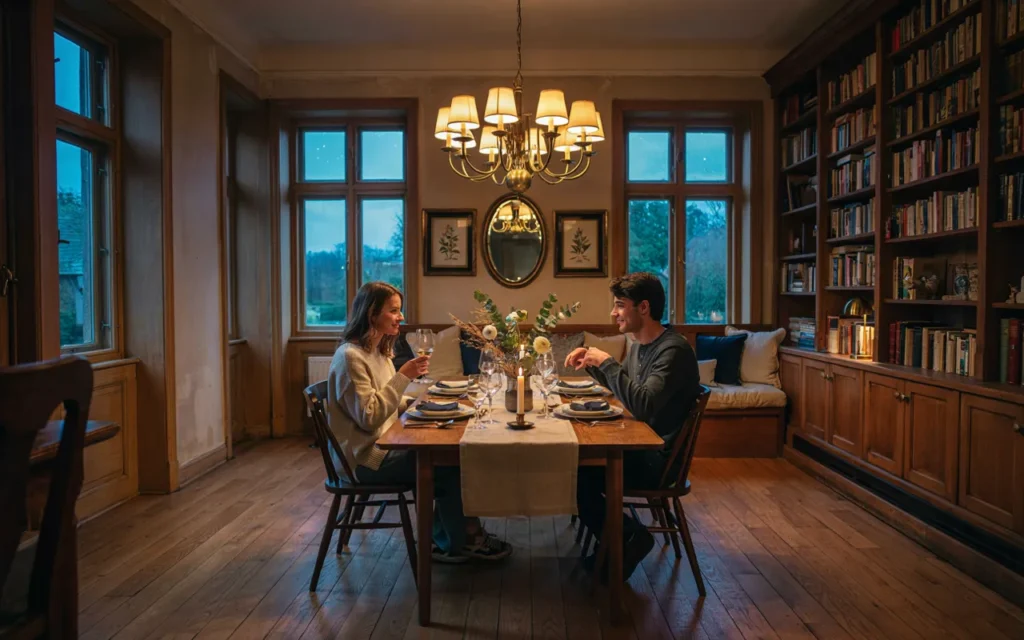
Shades soften light, which means a shaded chandelier won’t be as bright as a bare-bulb fixture. That’s great for ambiance, but it can be a problem if the chandelier is your only light source.
Consider the room’s purpose. Dining rooms and bedrooms benefit from soft, warm light. Kitchens and home offices may need brighter, supplemental lighting. Check the number of bulbs and the maximum wattage to estimate output before buying.
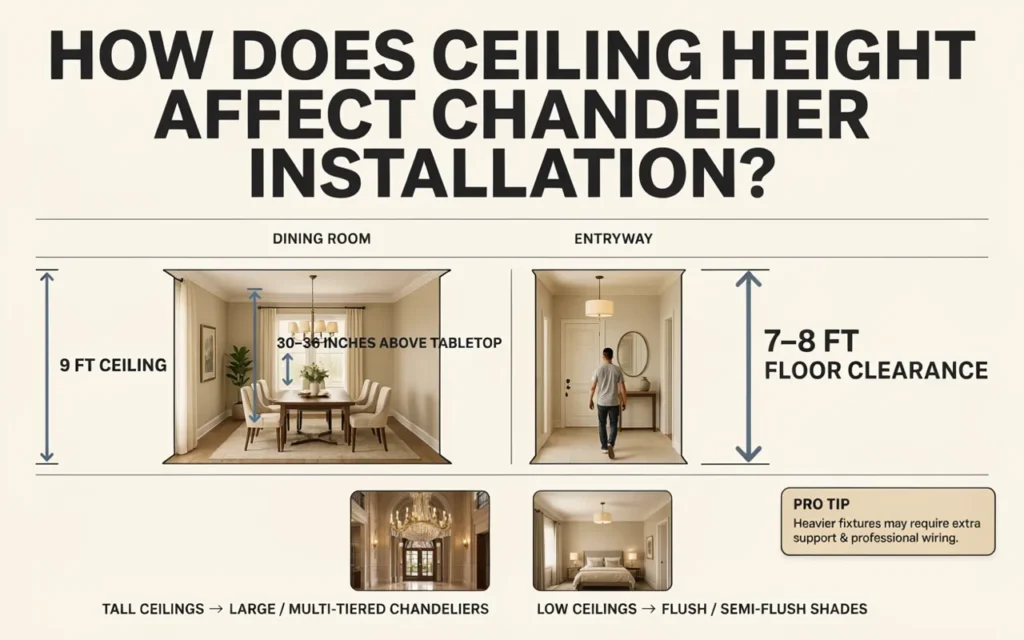
How does ceiling height affect chandelier installation?
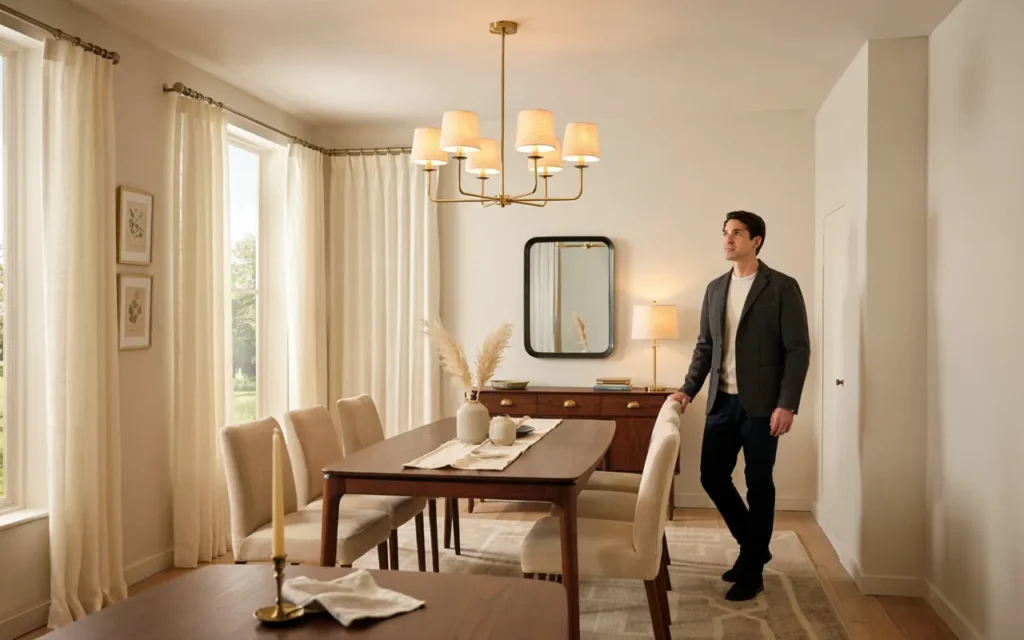
Ceiling height determines how your chandelier hangs. As a general guide, allow 7 to 8 feet of clearance from the floor to the bottom of the fixture in walkways. Over a dining table, the bottom should sit about 30 to 36 inches above the tabletop.
Tall ceilings can handle larger, multi-tiered designs, while low ceilings call for flush or semi-flush shaded fixtures. Always factor in installation heavier chandeliers may need extra support and professional wiring.
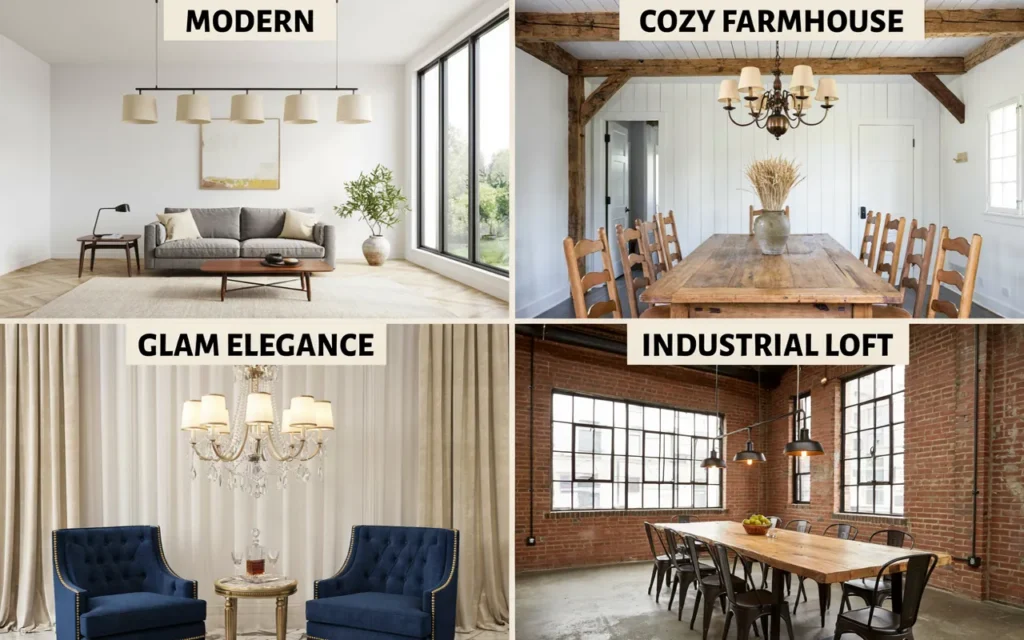
What design styles work best for shaded chandeliers?
Style ties the whole look together. A linen drum shade suits modern and transitional spaces. Crystal accents under a shade lean glamorous. Black metal frames feel industrial or farmhouse.
Match the chandelier to your room’s existing palette and mood. The goal is harmony your chandelier should feel like it belongs, not like an afterthought.
The splurge category: high-end shaded chandeliers
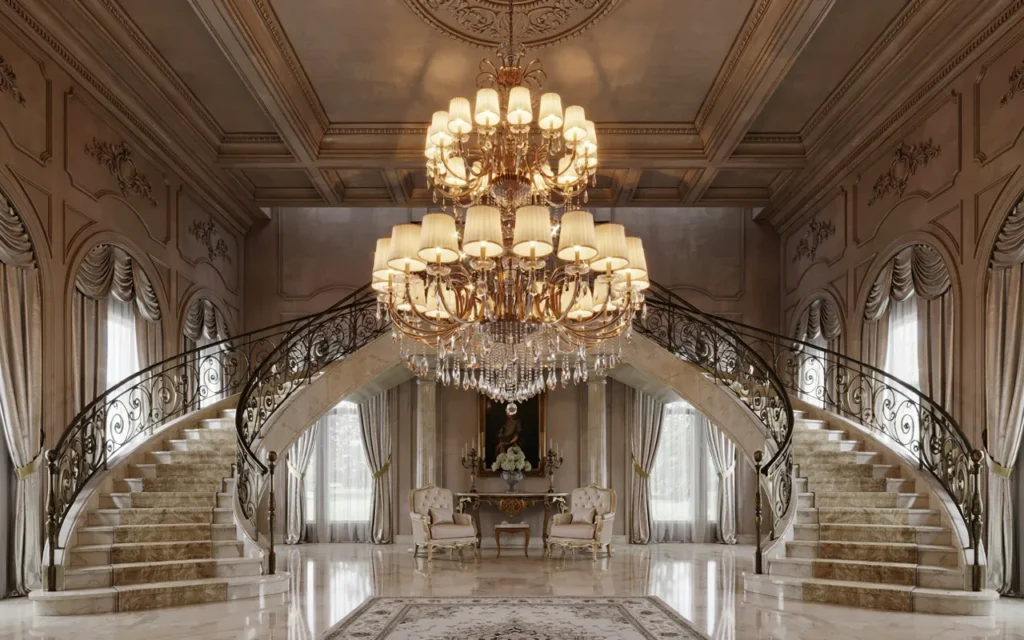
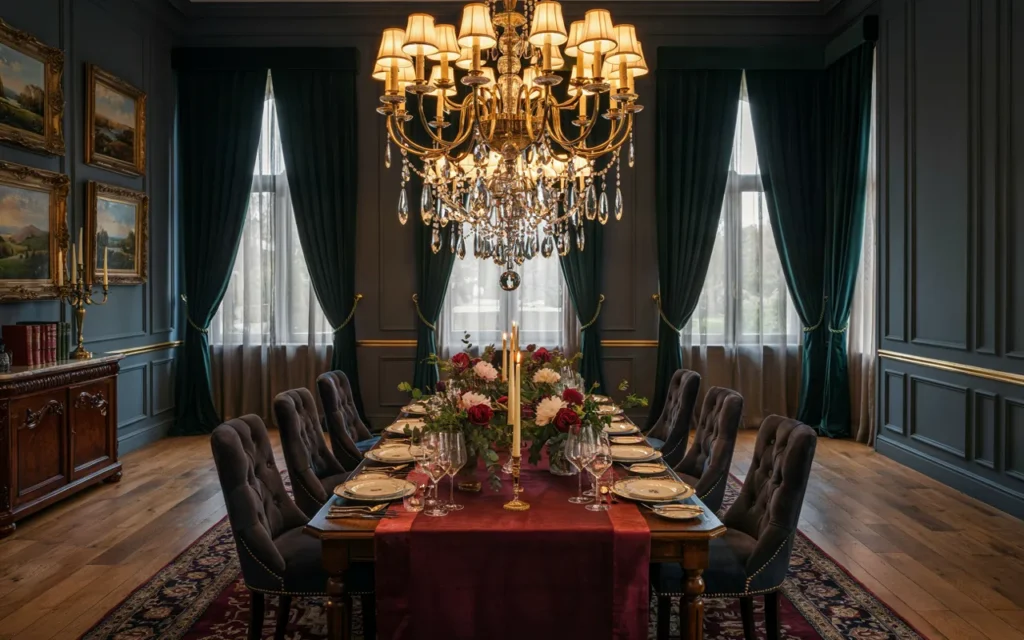
If budget isn’t your main concern, high-end shaded chandeliers offer craftsmanship and materials that stand out. Expect to spend anywhere from $1,500 to $10,000 or more.
What makes a luxury chandelier worth the price?
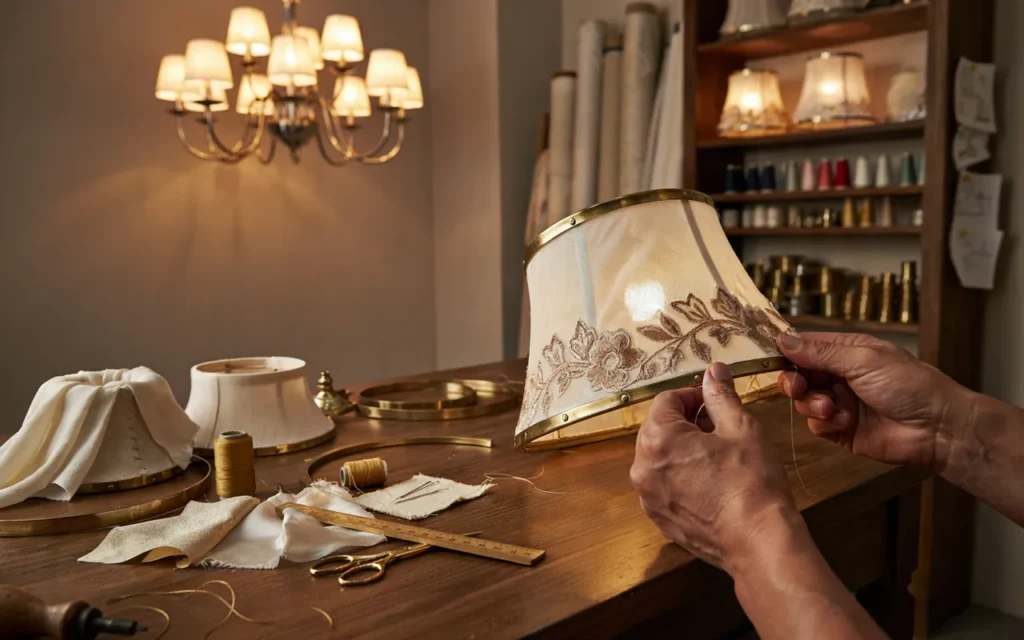
Luxury chandeliers are defined by quality and detail. They often feature hand-stitched silk shades, solid brass or bronze frames, and finishes applied by skilled artisans. Many are made in small batches or even by hand.
Designer brands like Visual Comfort, Hudson Valley Lighting, and Currey & Company are known for these pieces. Some offer bespoke options, letting you customize shade color, frame finish, and size to fit your exact space.
Why splurge on a shaded chandelier?
A splurge chandelier is an investment. Better materials mean it lasts longer and ages gracefully. The craftsmanship shows in person, adding a sense of luxury that cheaper fixtures can’t replicate.
Choose a splurge option if you’re furnishing a forever home, want a true statement piece, or value durability over upfront savings. For a formal dining room or grand entryway, the impact can be well worth the cost.
The save category: budget-friendly shaded chandeliers
You don’t need a huge budget to get a beautiful shaded chandelier. Affordable options typically range from $100 to $500 and have come a long way in quality and design.
What should I expect from a budget chandelier?
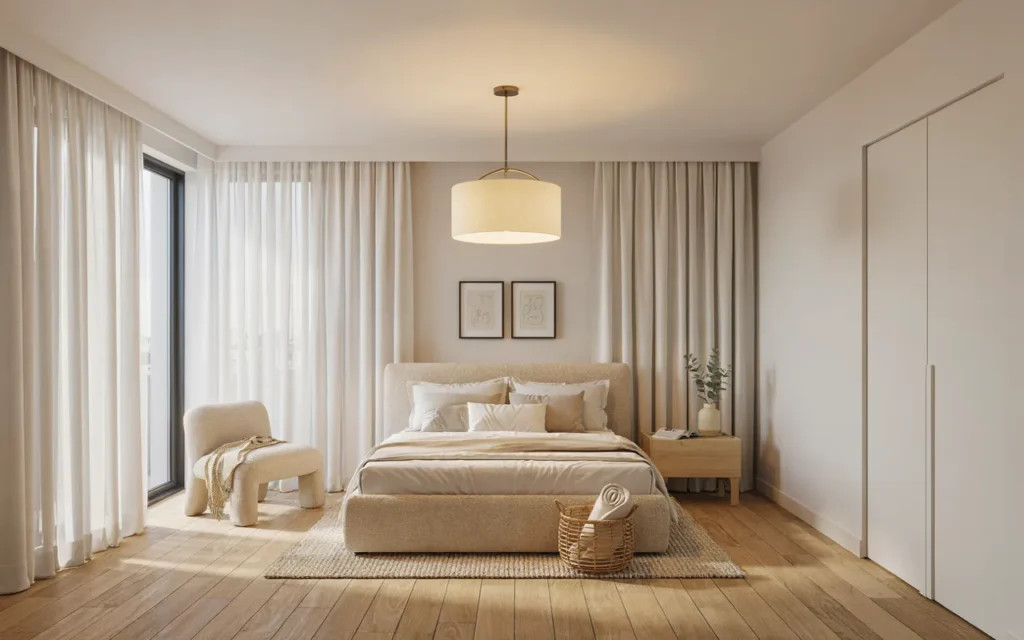
Budget chandeliers use smart material choices to keep costs down. You’ll often find synthetic shades, plated metal frames, and mass-production techniques. While they may not last as long as luxury pieces, many look impressive for the price.
Retailers like IKEA, Wayfair, and West Elm offer stylish, shaded chandeliers that punch above their weight. The key is choosing simple, clean designs that don’t try too hard to imitate luxury.
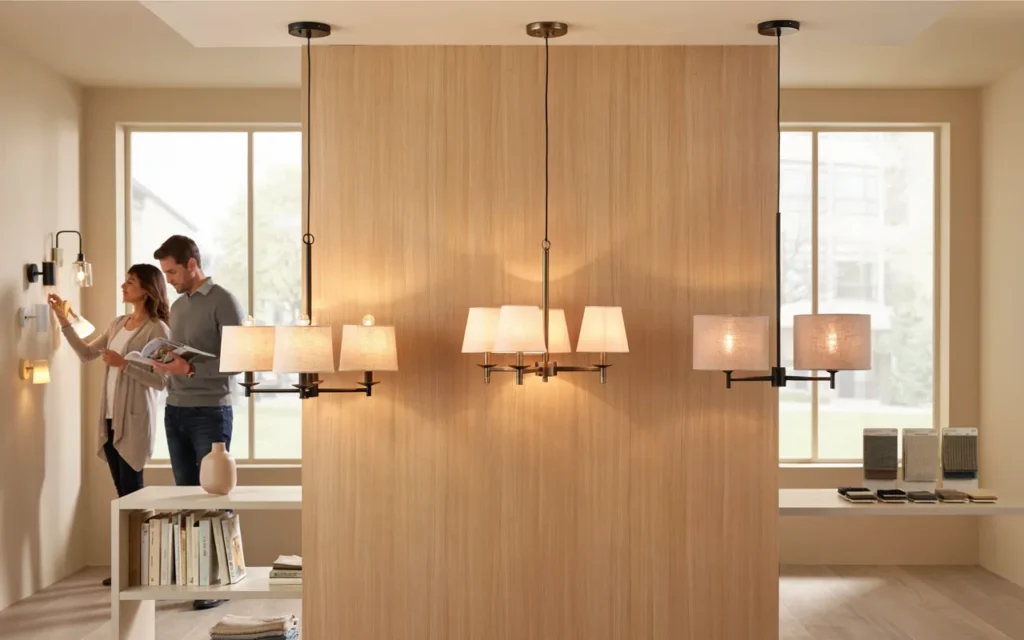
How can I find great deals on shaded chandeliers?
A few smart strategies can save you even more:
- Shop sales: Major holidays and end-of-season clearances bring big discounts.
- Check open-box items: Returned or display models often sell at a fraction of the price.
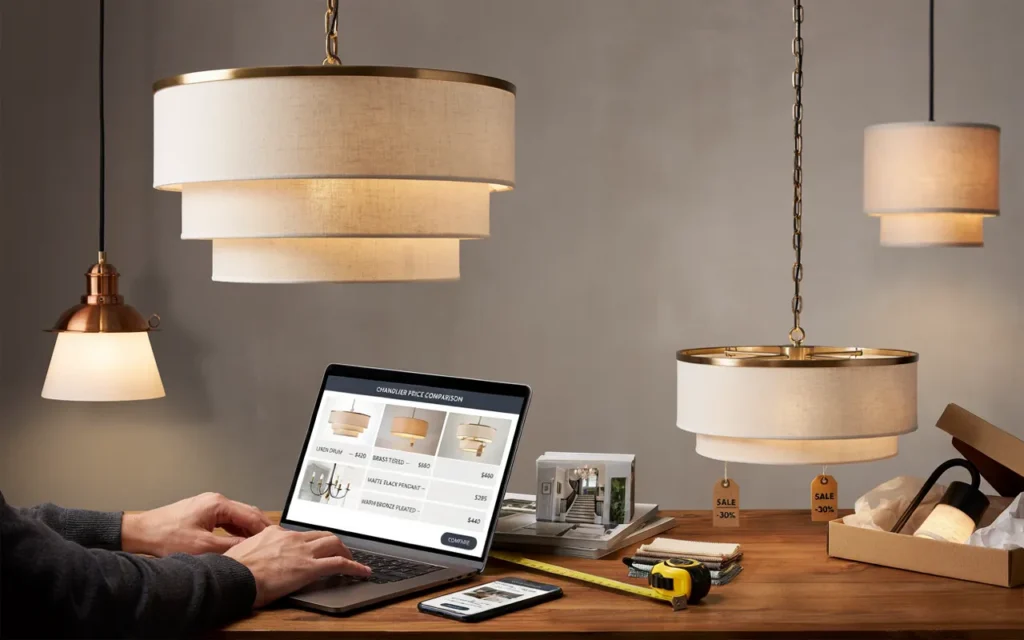
- Compare online: Prices vary a lot between retailers, so shop around.
- Sign up for newsletters: Many stores offer first-time buyer discounts.
Can I customize a budget chandelier myself?
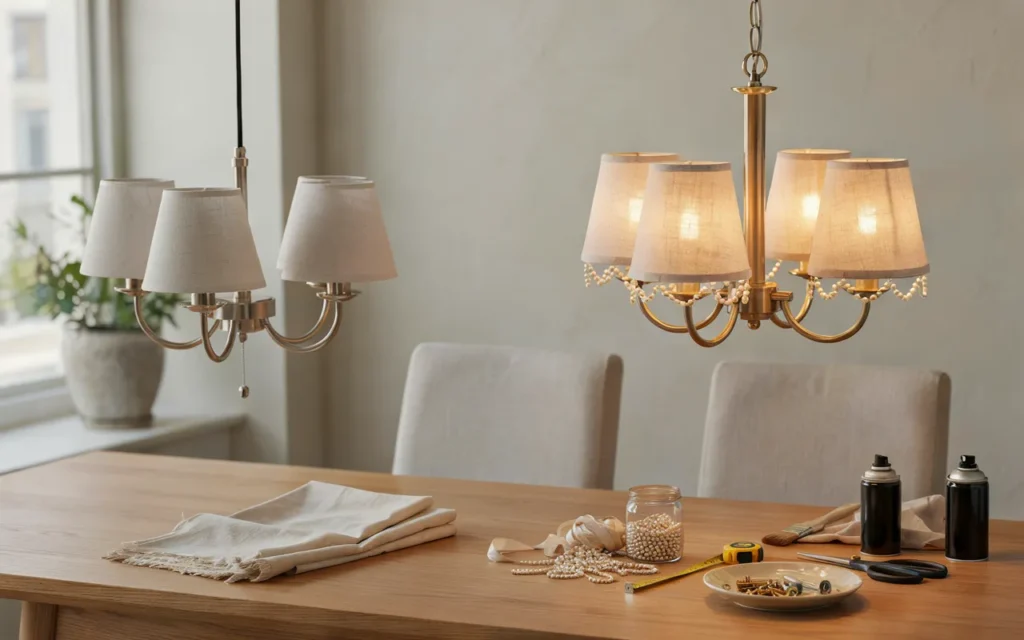
Absolutely. DIY customization is a great way to make an affordable chandelier feel custom. You can swap out plain shades for nicer fabric ones, spray-paint the frame a new color, or add decorative elements like beads or trim.
A $150 chandelier with $40 worth of upgrades can rival pieces costing far more. Just make sure any changes are safe and don’t interfere with the wiring or bulbs.
Splurge vs. save: a side-by-side comparison
So how do these two categories really stack up? Here’s a clear breakdown.
Factor
Splurge ($1,500+)
Save ($100–$500)
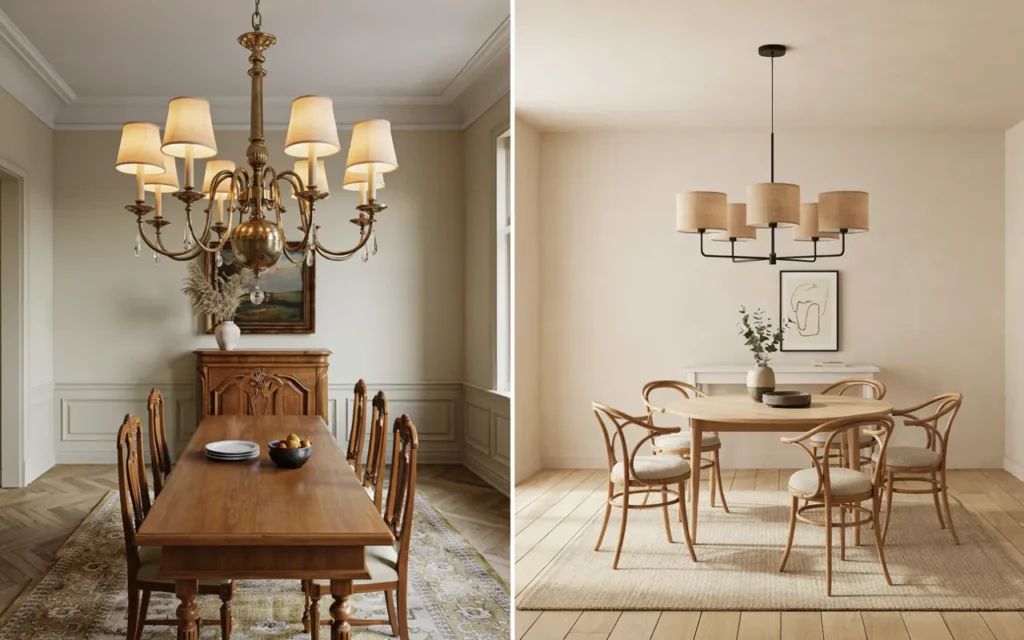
Durability: Solid metals and silk last for decades. Plated frames may wear in a few years
Aesthetic impact: High-end, refined finish. Stylish but simpler
Customization: Bespoke options available, DIY or limited choices
Resale value: Designer pieces may hold value. Little to no resale value
Choose a splurge chandelier if durability and a refined finish matter more than upfront cost. Choose a save option if you want style on a budget or expect to update your decor in a few years.
How to get the most from your shaded chandelier
No matter what you spend, smart placement and care will make your chandelier shine literally.
Where should I place my shaded chandelier?
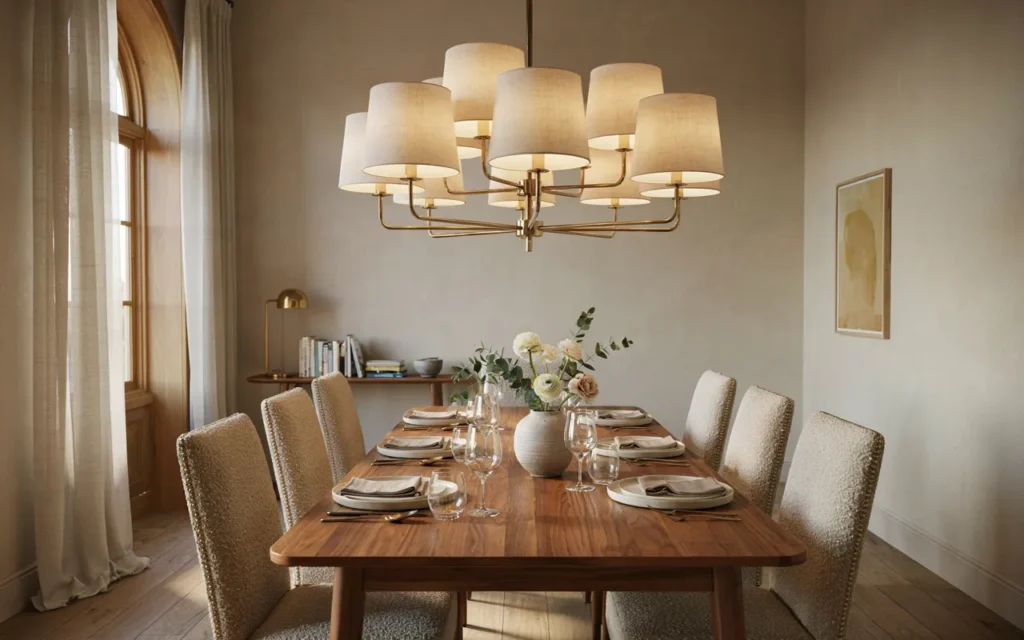
Placement is key to impact. Center the chandelier over the main focal point usually a dining table, kitchen island, or entryway. In a bedroom, hang it slightly off-center or above the foot of the bed for a designer touch.
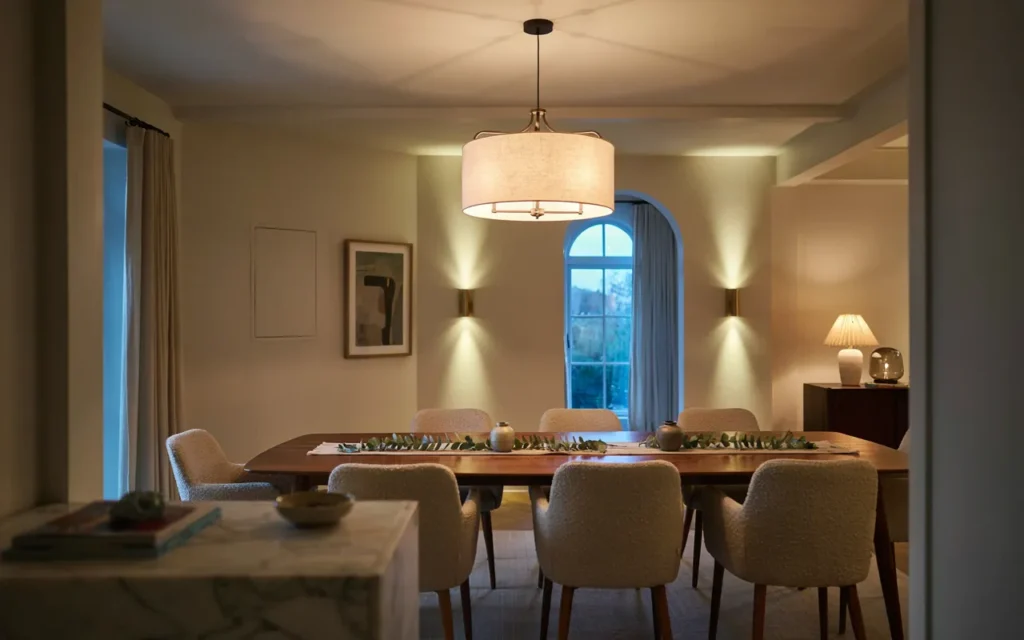
Layer your lighting, too. Pair the chandelier with lamps, sconces, or recessed lights so the room feels balanced and well-lit at any time of day.
How do I keep my chandelier looking great?
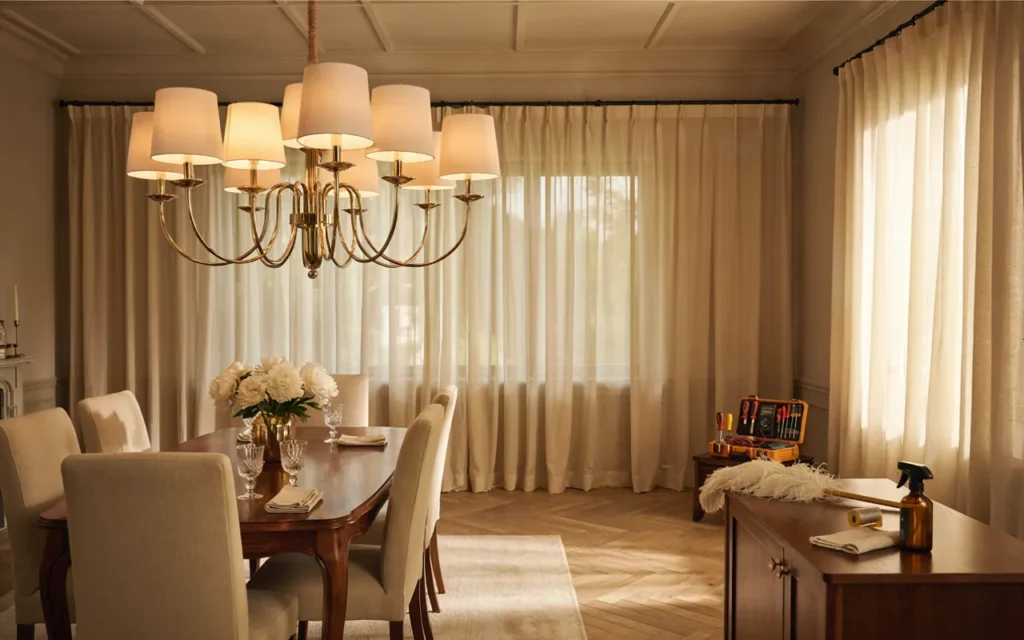
Maintenance keeps your chandelier looking fresh for years. Dust the shades regularly with a soft brush or lint roller. For fabric shades, spot-clean stains gently and avoid soaking them.
Check the wiring and connections once a year, especially on older or budget fixtures. A quick clean and inspection goes a long way toward extending its life.
How do I match a chandelier to my existing decor?
Tie your chandelier into the room by echoing existing colors and finishes. If your hardware is brass, pick a brass-framed fixture. If your palette is soft and neutral, a linen shade blends beautifully.
You don’t have to match everything perfectly. Sometimes a slight contrast like a dark frame in a light room adds welcome drama and personality.
Finding the shaded chandelier that’s right for you
A shaded chandelier is one of the easiest ways to add warmth, style, and personality to a room. The beauty is that there’s an option for nearly every budget from artisan-crafted designer pieces to clever, affordable finds.
The decision comes down to your priorities. Splurge if you want lasting quality and a true statement. Save if you want great style without the steep price tag. Either way, focus on the right size, materials, and placement, and you’ll end up with a fixture you love.
Ready to find yours? Measure your space, set your budget, and start browsing. Your perfect shaded chandelier is out there waiting to transform your room.
Frequently asked questions
How much does a shaded chandelier cost?
Shaded chandeliers range from about $100 for budget models to $10,000 or more for designer pieces. Most quality mid-range options fall between $300 and $1,000. Price depends on materials, brand, size, and craftsmanship.
Are expensive chandeliers worth it?
Expensive chandeliers are worth it if you value durability, premium materials, and refined craftsmanship. They last longer and often hold value better. For a forever home or formal space, the investment usually pays off. For temporary or frequently updated rooms, a budget option makes more sense.
What is the best shade material for a chandelier?
Linen is often the best all-around choice. It’s durable, textured, and works with many design styles. Silk offers a more luxurious look but costs more and needs careful cleaning. Synthetic blends are the most affordable and easiest to maintain.
Can I install a shaded chandelier myself?
You can install a lightweight shaded chandelier yourself if you’re comfortable with basic wiring and turning off the power at the breaker. Heavier fixtures or those requiring new ceiling support should be installed by a licensed electrician for safety.
How do I clean a fabric chandelier shade?
Dust fabric shades regularly with a soft brush or lint roller. For stains, spot-clean gently with a damp cloth and mild soap, then let the shade air dry. Avoid soaking fabric shades, as this can warp the frame or cause discoloration.


