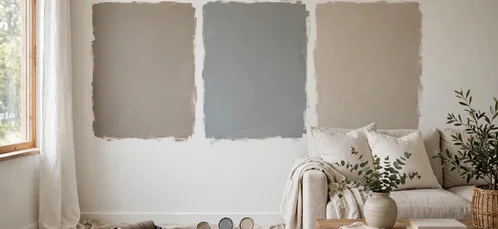
Limewash is a mineral finish made from slaked lime, water and pigment. It soaks into bare, porous brick and hardens as it reacts with air, so the colour sits inside the brick rather than as a film on top. These limewashed brick FAQs answer the questions people ask before they start: how long it lasts, whether it works over paint, what it costs, and how it compares with whitewash and paint.
The short version is this. Limewash suits bare brick, indoors or out, and it ages softly instead of peeling, but it will not bond to painted or sealed brick. Lifespan figures vary by climate and exposure, so treat any single number with care. Read the sections below before you buy anything.
What Limewash Actually Is
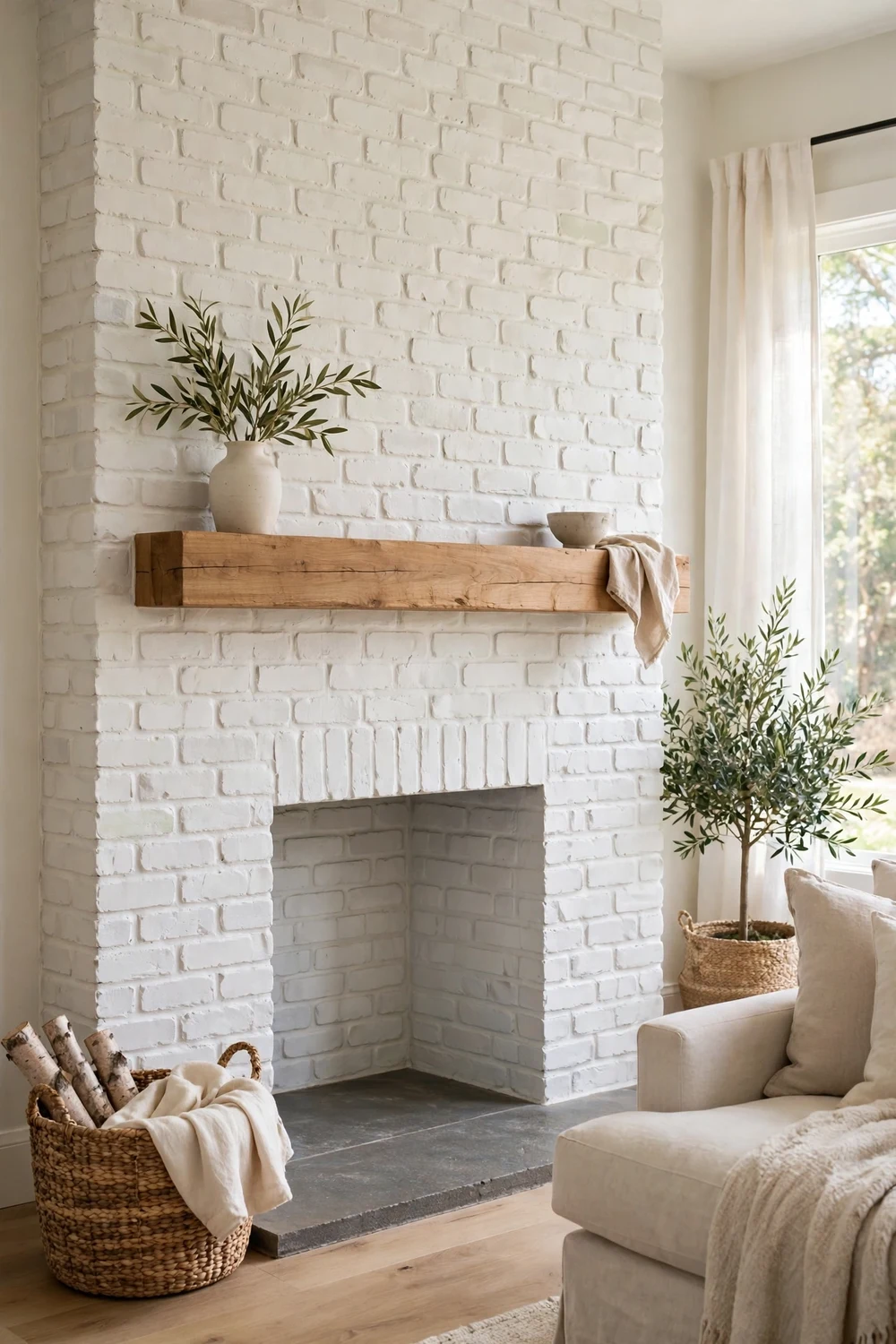
Limewash starts as a simple mix: slaked lime, water and a mineral pigment for colour. It looks like thin, milky paint when you brush it on, and it dries much lighter than it looks wet, which surprises almost everyone the first time. The finish is cloudy and uneven in a good way, with some bricks showing through more than others, and that variation is the whole point. A limewashed wall looks soft and old, even when the brick underneath is new.
What makes limewash different from paint is what happens after it goes on. The lime soaks into the pores of the brick and hardens through a slow reaction with carbon dioxide in the air, called carbonation, which turns it back into a mineral layer inside the brick itself. Paint, by contrast, dries as a plastic film on the surface. That is why paint can peel in sheets while limewash wears away gradually, like a stone step smoothing over years.
Limewash is also breathable. Water vapour can pass through it, so moisture trapped inside a brick wall can still escape. Paint can trap that moisture, which is one reason painted brick sometimes blisters after a wet winter.
One more property matters: limewash is reversible in a way paint is not. Because it is a thin mineral layer rather than a bonded plastic film, it can be washed off with water and a stiff brush while it is still fresh, and it wears off on its own over time outdoors. If you hate it, you are not stuck with it for decades.
My own view is simple. Limewash suits brick that already has character and just needs softening. A harsh orange fireplace, a red wall that fights with the furniture, a cottage exterior that looks too new: limewash calms all of them down without hiding the brick. If you want a flat, perfect, uniform white wall, limewash will frustrate you. Buy it for the texture and the variation, not in spite of them.
How Long Does Limewash Last on Brick?
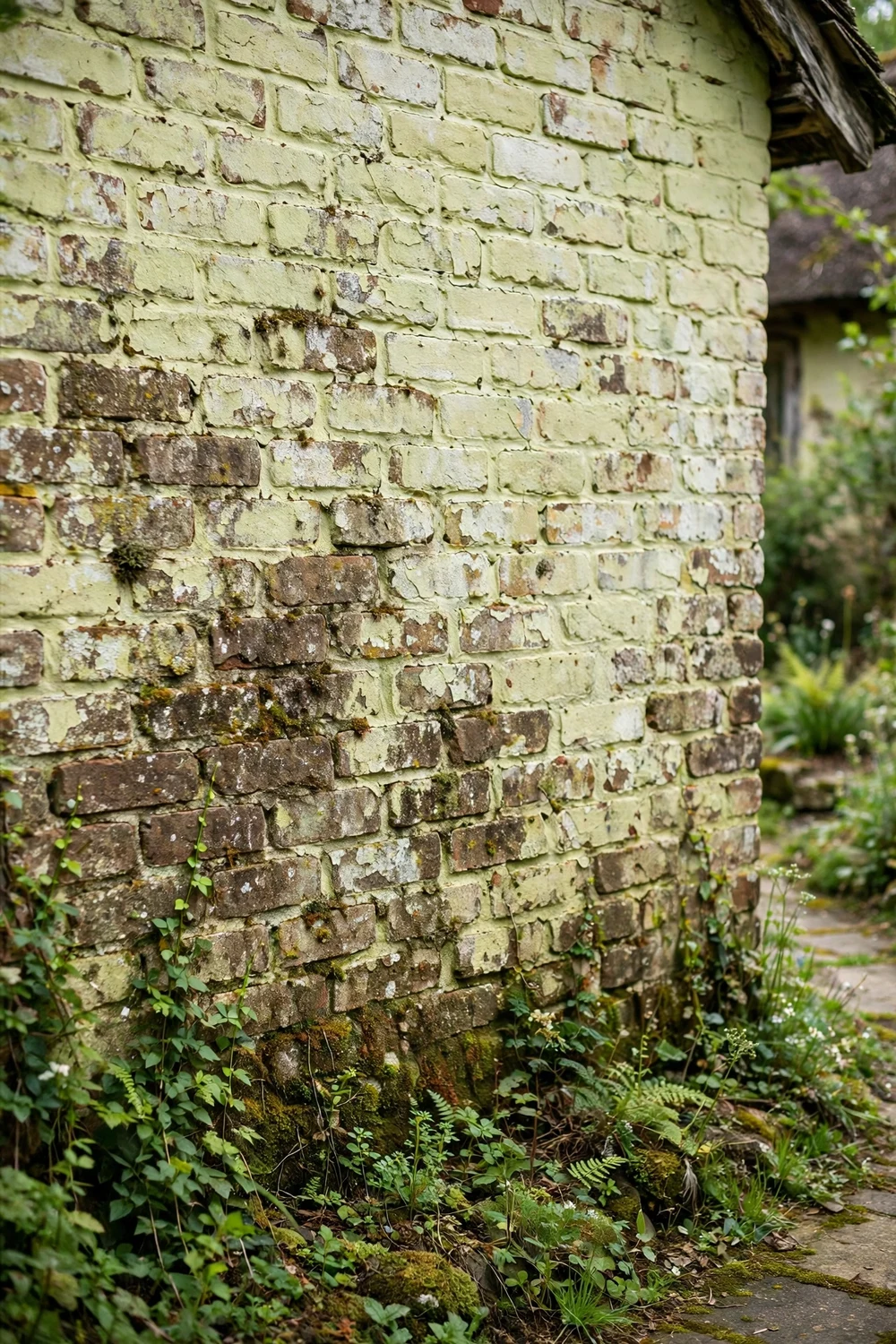
This is the most asked question about limewash, and the one with the least agreement. Sources give very different numbers, and both sides are partly right, because lifespan depends on where the wall is and what weather it faces. Indoors, limewash lasts for many years with almost no change, and a fireplace surround or a bedroom accent wall can look the same a decade later. Outdoors, the picture changes.
On an exterior wall in exposed weather, a limewash coat typically needs a refresh after roughly 5 to 7 years. Rain, sun and wind wear the mineral layer down slowly, and the colour fades first on the most exposed faces, while sheltered walls under a deep roof overhang last longer. That is the honest, cautious figure to plan around, and the one most builders and limewash suppliers quote.
Some sources quote much longer figures, around 20 to 30 years, and those are not made up. They usually describe limewash in mild, dry climates or on sheltered walls, not a rain-facing wall on a windy hillside. When you read a lifespan claim, ask where the wall was and how much rain it sees.
How long does limewash last on brick also depends on how it was applied. A single thin coat on dusty brick will wash off in the first heavy rain, while two or three coats on clean, damp, bare brick will last far longer. The first coat soaks in and grips, and the later coats build the colour. Skipping a coat to save time is the fastest way to cut the lifespan in half.
Re-coating is easy, and that is the good news. Limewash does not need stripping before a fresh coat. Wash the wall, let it dry, and brush on a new coat, and the new layer bonds to the old one because they are the same material. Plan for a refresh every few years outdoors and treat it as routine maintenance. If you want a finish you apply once and forget for twenty years, limewash is the wrong choice.
Can You Limewash Painted or Sealed Brick?
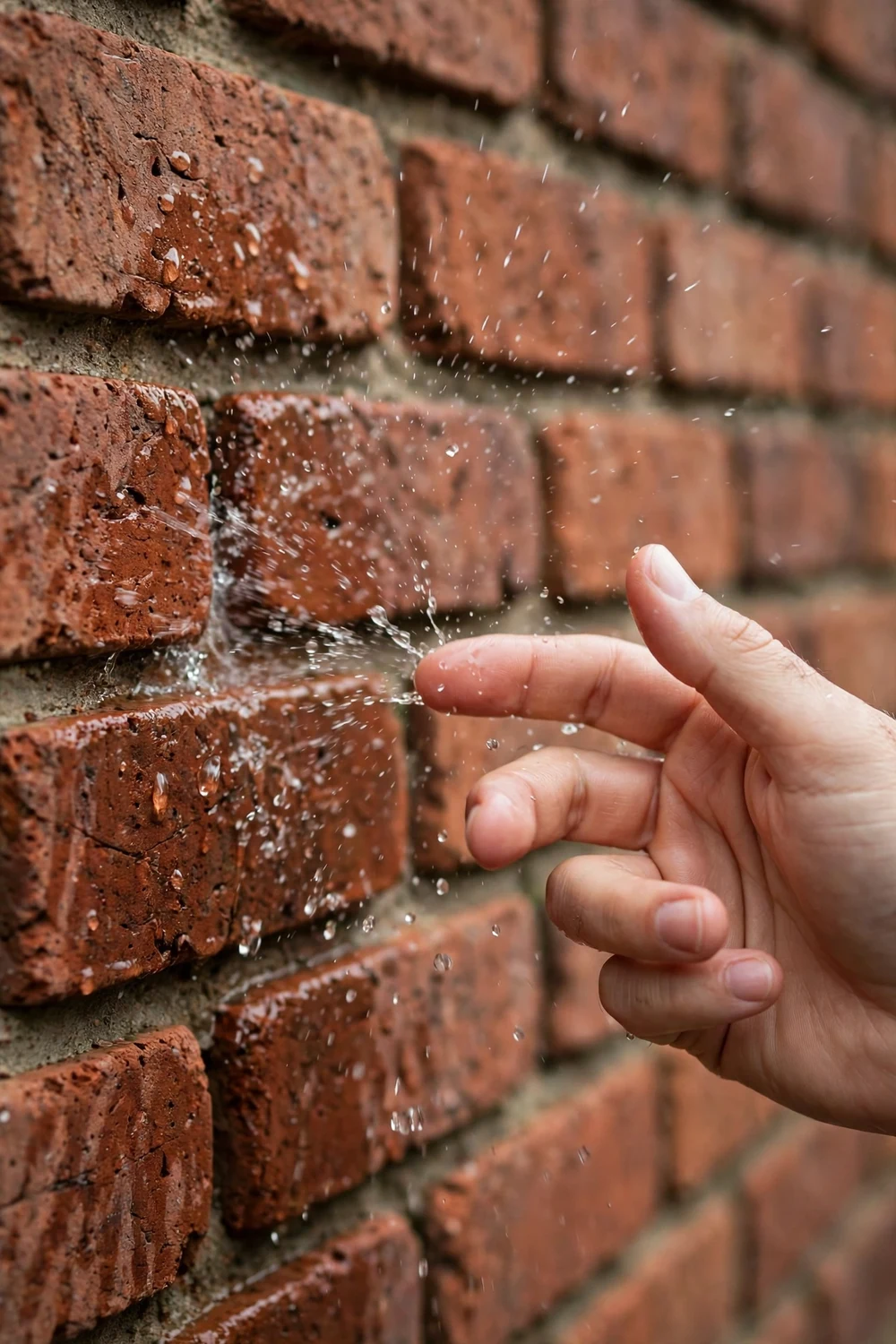
No, and this is the rule that catches the most people out. Limewash needs to soak into bare, porous brick, and paint seals the pores. The limewash has nowhere to go, so it sits on the paint, dries chalky, and washes off with the first rain or a wipe with a damp cloth. The same applies to brick sealed with a clear water repellent, varnish, or any waterproof treatment.
Before you buy limewash, run the water test. Flick or spray a little water onto the brick. If it soaks in and darkens the brick within a few seconds, the brick is porous and limewash can bond. If the water beads up and rolls off, the brick is sealed or painted, and limewash is off the table until that coating is removed. Test several spots, because a wall can be sealed in some areas and bare in others.
Removing paint from brick is possible but slow, messy work. Chemical removers, careful sandblasting by a professional, or a poultice system can take paint off, but none are quick weekend jobs, and aggressive methods can damage the brick face. If your brick is already painted, get a quote for paint removal first. The cost often decides the question on its own.
If your brick is bare but very smooth or dense, test a small patch first. Some modern bricks are fired so hard that they barely absorb water, so the colour may be fainter and the bond weaker. Paint a square about the size of a dinner plate on a hidden corner, let it dry fully, then rub it hard with a damp cloth. If the colour stays put, you are good to go.
Limewash Indoors vs Outdoors: Where It Works Best
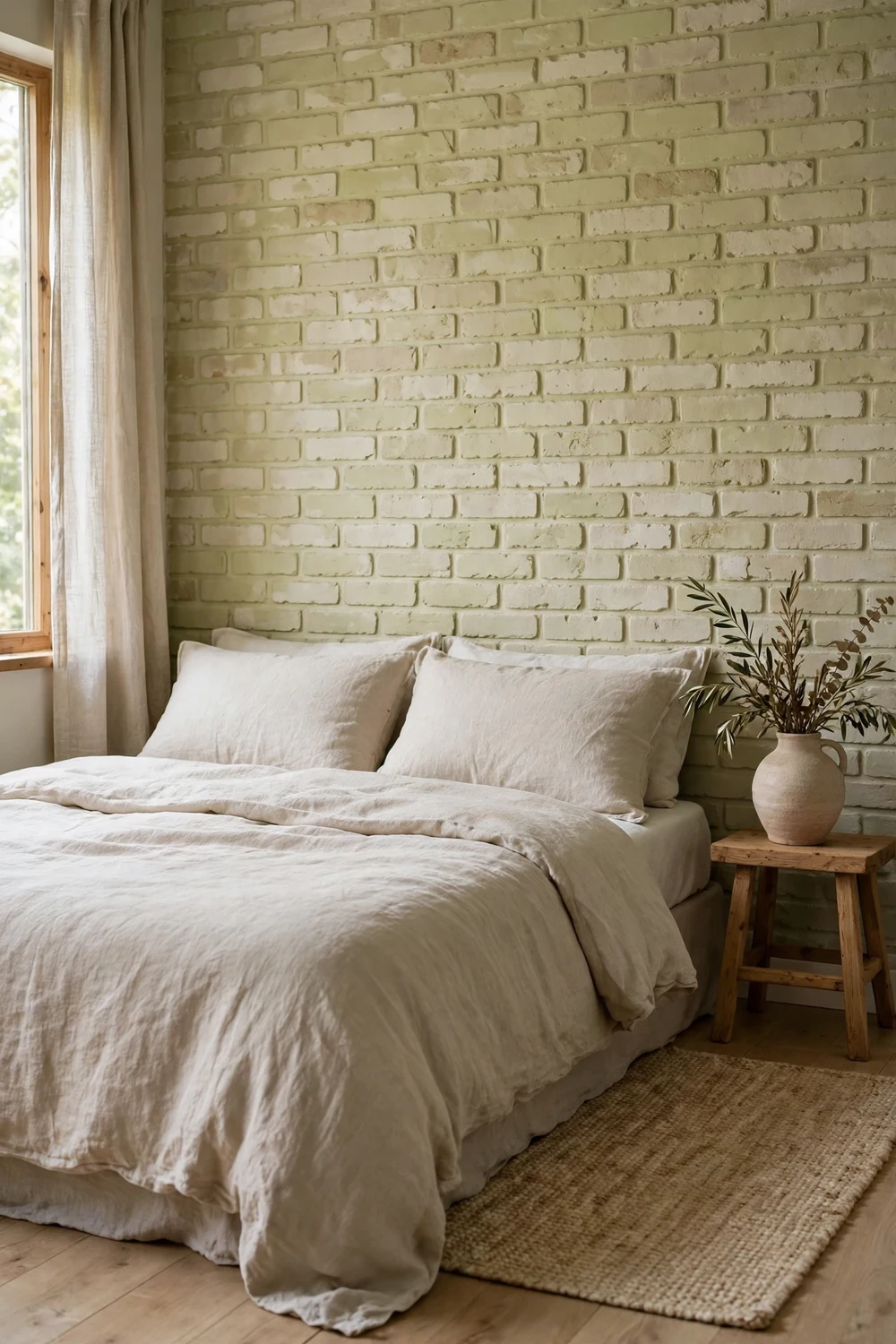
Limewash works indoors and outdoors, but the finish behaves differently in each place. Indoors, limewash is at its easiest: no rain, no frost and no direct sun to wear it down. A limewashed fireplace surround, a kitchen feature wall or a bedroom accent wall will hold its colour for years with almost no maintenance. Dust it gently with a dry cloth, and avoid wet wiping, because water can lift the chalky surface on a fresh coat.
The fireplace is the most popular indoor limewash project, and it suits the material well. Brick around a fire gets warm, and limewash handles heat far better than most paints: it will not blister or smell when the fire is lit. Keep it off the firebox and any area that gets direct flame, and use a heat resistant product there if needed. The surround, the hearth edge and the chimney breast are all fine for limewash. Once the wall is done, these above fireplace decor ideas show how to dress a freshly softened mantel so the whole wall feels finished.
Outdoors, limewash earns its keep in a different way. It softens a whole house exterior, makes new brick look settled, and lets an old cottage look its age without looking neglected. The trade off is maintenance: exterior limewash fades and thins over time, and you will need to refresh it every few years. Think of it as a living finish rather than a permanent coating.
Moisture is the other indoor question. Limewash is breathable, but it is not a damp proofing product, so fix any leak or rising damp first. Limewash over a damp wall will stain, wash off, or grow mould just like any other finish. In a bathroom, use it only on walls that stay dry, never where steam and splashes reach.
| Where | How it holds up | What to watch |
|---|---|---|
| Fireplace surround | Excellent, handles warmth well | Keep it off the firebox and direct flame |
| Bedroom or living room accent wall | Excellent, lasts for years | Dust gently, avoid wet wiping at first |
| Kitchen feature wall | Good, away from the sink and hob | Grease and steam wear it down faster |
| Bathroom wall | Poor in wet zones | Use only on dry walls, never in a shower area |
| House exterior | Good, ages softly | Needs a refresh coat every few years |
| Garden wall or chimney | Fair, exposed to weather | Fades fastest on rain-facing sides |
Limewash vs Whitewash vs Paint: How They Compare
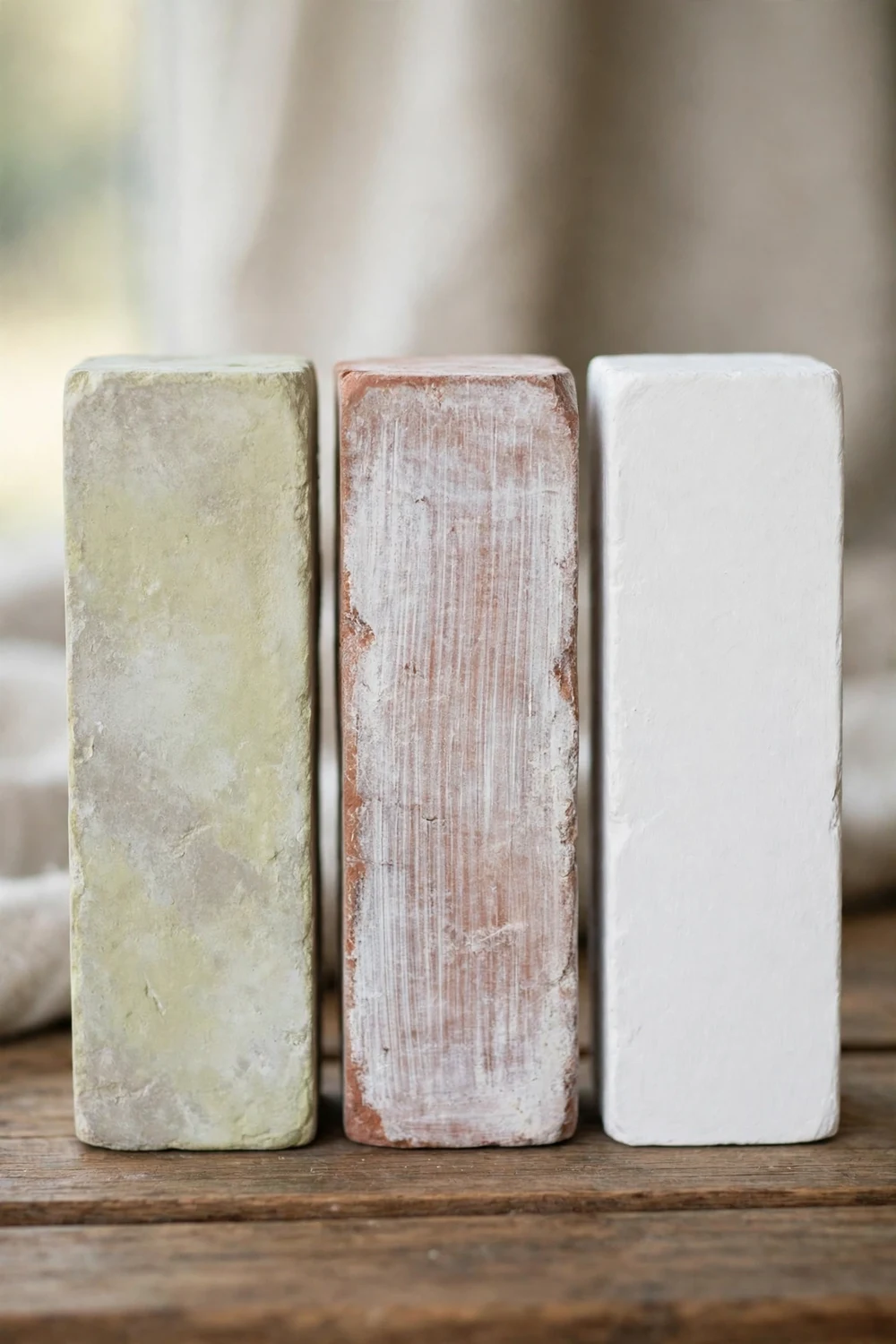
Limewash vs whitewash confuses people most, because the two words sound alike and the results can look similar from across the room. They are different materials. Limewash is a mineral finish made from slaked lime that penetrates the brick and hardens inside it. Whitewash is usually thinned latex paint, often just white paint mixed with water, that sits on the surface as a thin film. From a distance both soften red brick. Up close, limewash shows the brick texture through a cloudy mineral layer, while whitewash looks more like a thin coat of paint.
The practical difference shows up when the finish ages. Limewash wears away gradually and evenly, and a new coat bonds straight to the old one. Whitewash peels and flakes like paint, because it is paint, and once it starts peeling you need to scrape or strip it before you recoat.
Paint is the third option, and it is the most permanent of the three. A good masonry paint gives a flat, uniform colour, covers the brick completely, and lasts many years without attention. The trade off is that paint hides the brick entirely, traps moisture behind the film, and once it starts to peel it needs scraping and repainting. Removing paint from brick is a big job, while limewash can be washed off or left to wear away.
Choosing between them comes down to what you want the wall to look like in five years. If you want the brick texture to show through and a finish that ages softly, pick limewash. If you want a cheap, quick whitewash effect for a single room, whitewash will do the job. If you want a solid, uniform colour that stays the same for a decade, pick a proper masonry paint. There is no wrong answer, only a wrong match between the finish and the wall.
| Finish | What it is | How it sits on brick | How it ages | Can you undo it? |
|---|---|---|---|---|
| Limewash | Slaked lime, water, pigment | Soaks in and hardens inside the brick | Wears away gradually and evenly | Yes, washes off or wears away |
| Whitewash | Usually thinned latex paint | Sits as a thin film on the surface | Peels and flakes like paint | Hard, needs scraping or stripping |
| Masonry paint | Acrylic or mineral paint | Sits as a solid film on the surface | Lasts years, then peels in sheets | Hard, needs stripping |
If you are still deciding on colour, the undertone of the limewash matters more than most people expect. A pure white limewash can look cold and stark on a north facing wall, while a warm white with a touch of cream or grey suits most rooms better. This guide to choosing gray paint undertones explains how light changes a colour through the day, which is just as true for limewash as it is for paint. Test your limewash on a hidden patch and look at it in morning and evening light before you commit to a whole wall.
What Limewash Brick Cost Looks Like
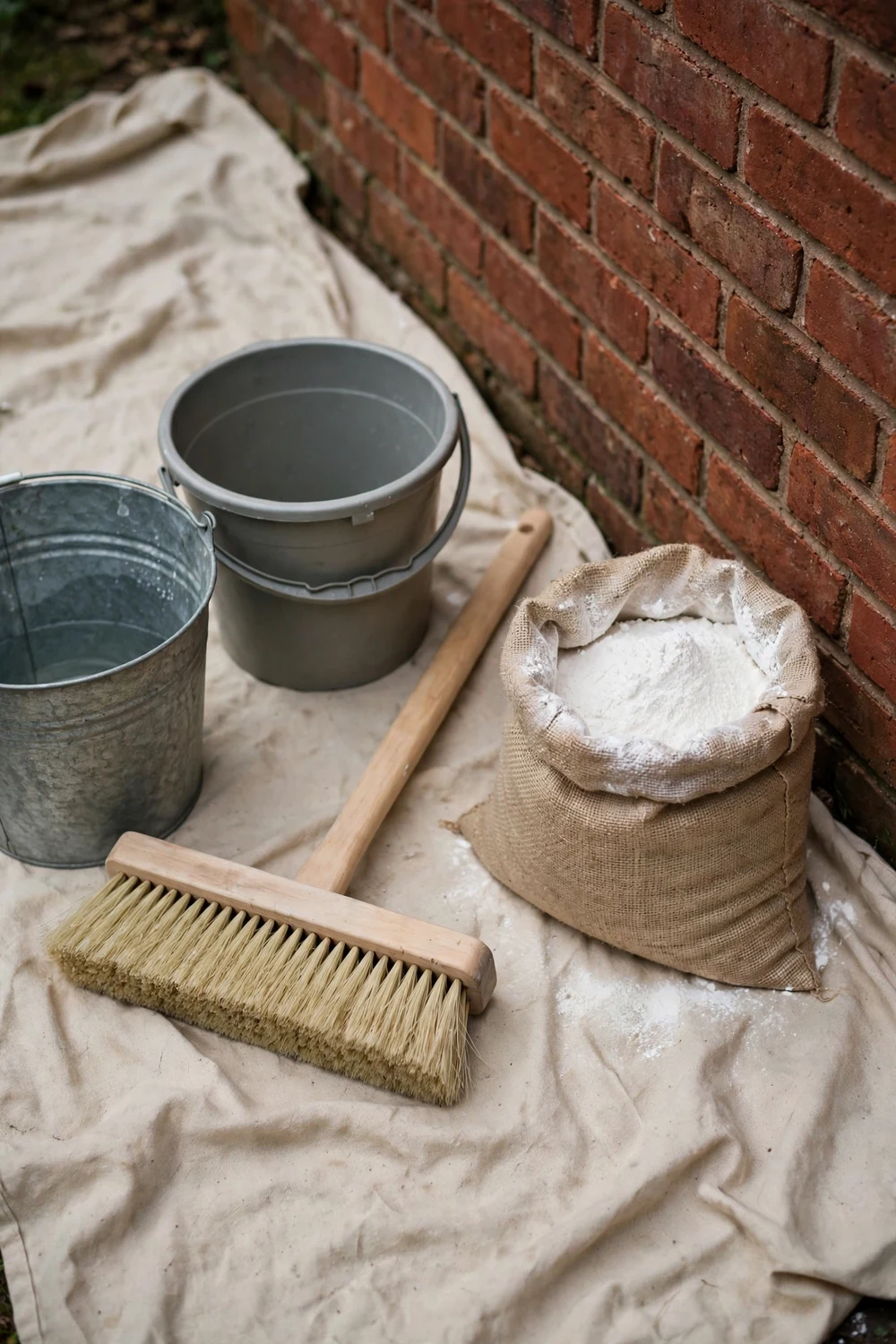
Limewash brick cost is lower than most people expect, because the material itself is cheap. The cost comes from the labour, either yours or a professional’s, and from how many coats the wall needs. A bag of limewash powder or a tub of ready mixed limewash costs far less than the same coverage in good masonry paint. The tools are simple too: a large masonry brush, a bucket, a drop cloth and a stiff brush for cleaning. You do not need a sprayer, because the finish needs to be worked into the brick by hand.
Coverage varies with the brick. Rough, porous brick drinks limewash and needs more product than smooth, dense brick, and a first coat on thirsty old brick can use twice as much as a second coat. Most suppliers quote roughly 8 to 12 square metres per litre for a single coat on average brick, but treat that as a rough guide. Buy a little extra, because running out halfway through a wall can leave a visible line where the two batches meet.
The table below shows typical ranges for a do it yourself job. These are planning figures, not quotes, and prices vary by supplier and region.
| Item | Typical cost | Notes |
|---|---|---|
| Ready mixed limewash, 5 litres | Typically $40 to $70 | Covers a fireplace wall or small accent wall |
| Limewash powder, 10 kg bag | Typically $25 to $50 | Mix with water, better value for large walls |
| Large masonry brush | Typically $15 to $30 | Buy a proper limewash brush, not a small paintbrush |
| Cleaning supplies and drop cloths | Typically $15 to $30 | Stiff brush, bucket, cloths and tape |
| Professional application, per square metre | Typically $15 to $30 | Varies widely by region and wall condition |
| Total, DIY fireplace wall | Typically $70 to $130 | Material and tools only |
Professional application costs more, but it can be worth it on a whole house exterior, where a job can run into the low thousands depending on size, brick condition and coats needed. Get at least two quotes, and ask how many coats are included and whether cleaning and prep are in the price. A quote much cheaper than the others usually means fewer coats or skipped prep, and both show up within a year.
One cost people forget is the refresh coat. Exterior limewash needs topping up every few years, so budget for a small amount of product and a day of your time. The refresh is cheaper than the first job, because the wall is already limewashed and the new coat goes on easily. If you would rather never touch a wall again after the first coat, a masonry paint might suit you better in the long run, even though it costs more upfront.
When to Apply Limewash and the Mistakes to Avoid
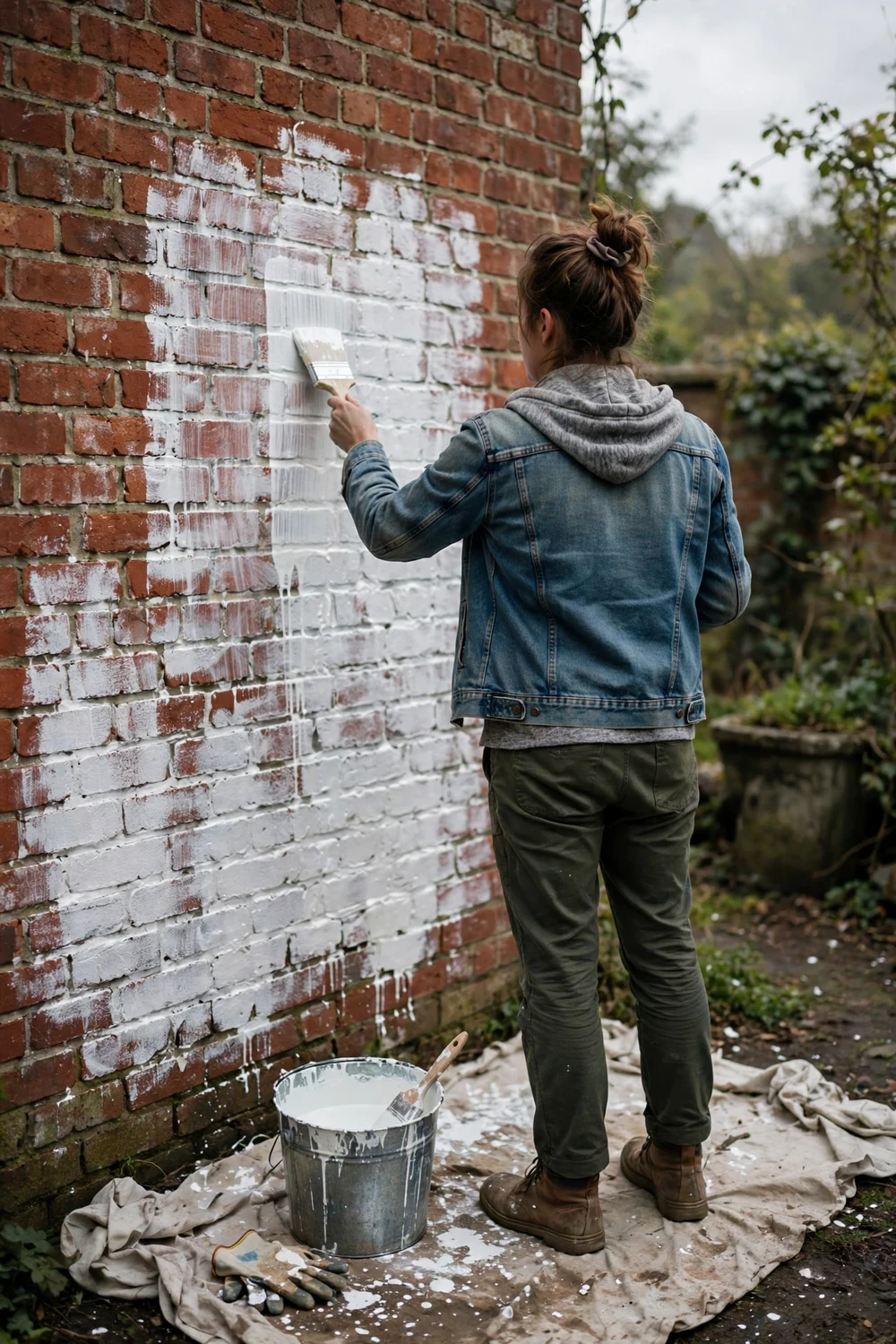
Limewash is fussy about weather, and the application window is narrower than paint. Apply it when the temperature sits between about 5 and 30 degrees Celsius, with no rain expected for at least a day and no frost overnight. Cold slows the curing reaction and leaves a weak, powdery finish, while heat dries the limewash too fast and leaves it patchy and chalky. A mild, overcast day is ideal. The wall should be damp, not wet, when you start, so mist it lightly with water first. Damp brick pulls the limewash in evenly, while dry brick sucks the water out of the mix too fast and leaves a blotchy coat.
New brick and new mortar need curing time first. Fresh mortar is still reacting and releasing moisture, and limewash applied too soon can stain or fail to bond. Wait at least four to six weeks after new brickwork or repointing, and longer in cold or damp weather. Rushing this step is one of the most common reasons a new limewash job fails in its first month.
Work in small sections and keep a wet edge, the same way you would with paint. Limewash dries lighter than it looks, so do not panic when the first coat looks grey or streaky. Let it dry fully before you judge it, and wait a full day before the second coat, which evens out most of the patchiness from the first. Trying to fix a wet coat by brushing over it again usually makes it worse.
The mistakes below ruin most limewash jobs, and they all come from rushing or skipping prep. Limewash rewards patience more than skill: the brushing is simple, and the preparation and timing are where the job is won or lost.
| Mistake | What happens | How to avoid it |
|---|---|---|
| Limewashing painted or sealed brick | Finish washes off in the first rain | Run the water test first, strip paint if needed |
| Skipping the clean | Limewash bonds to dirt, then flakes away | Scrub the wall with a stiff brush and rinse well |
| Applying on a hot, sunny wall | Dries too fast, turns patchy and chalky | Work on a mild, overcast day or in the shade |
| Applying in cold or before frost | Curing stalls, finish stays weak and powdery | Stay above about 5 degrees, check the overnight forecast |
| Painting over wet limewash | Streaks and uneven colour that never settle | Let each coat dry fully, at least a day between coats |
| One coat only | Thin, uneven colour that fades fast | Plan for two or three coats from the start |
| Limewashing fresh mortar | Stains and poor bonding | Wait four to six weeks after new brickwork |
Prep deserves one more note, because it is where most do it yourself jobs go wrong. Wash the wall with a stiff brush and plain water, remove loose mortar, dust and cobwebs, and clear any green algae, which is common on shaded exterior walls and stops limewash bonding. Rinse well afterwards, because cleaner residue can affect the bond too. If you have painted exterior surfaces nearby and want a sense of how prep decides the result, this guide to painting vinyl siding on a shed makes the same point from the paint side: the washing matters more than the coating. The same is true for textured finishes indoors, and these DIY textured paint techniques show how a well prepared wall takes any finish better.
Should You Limewash Your Brick?
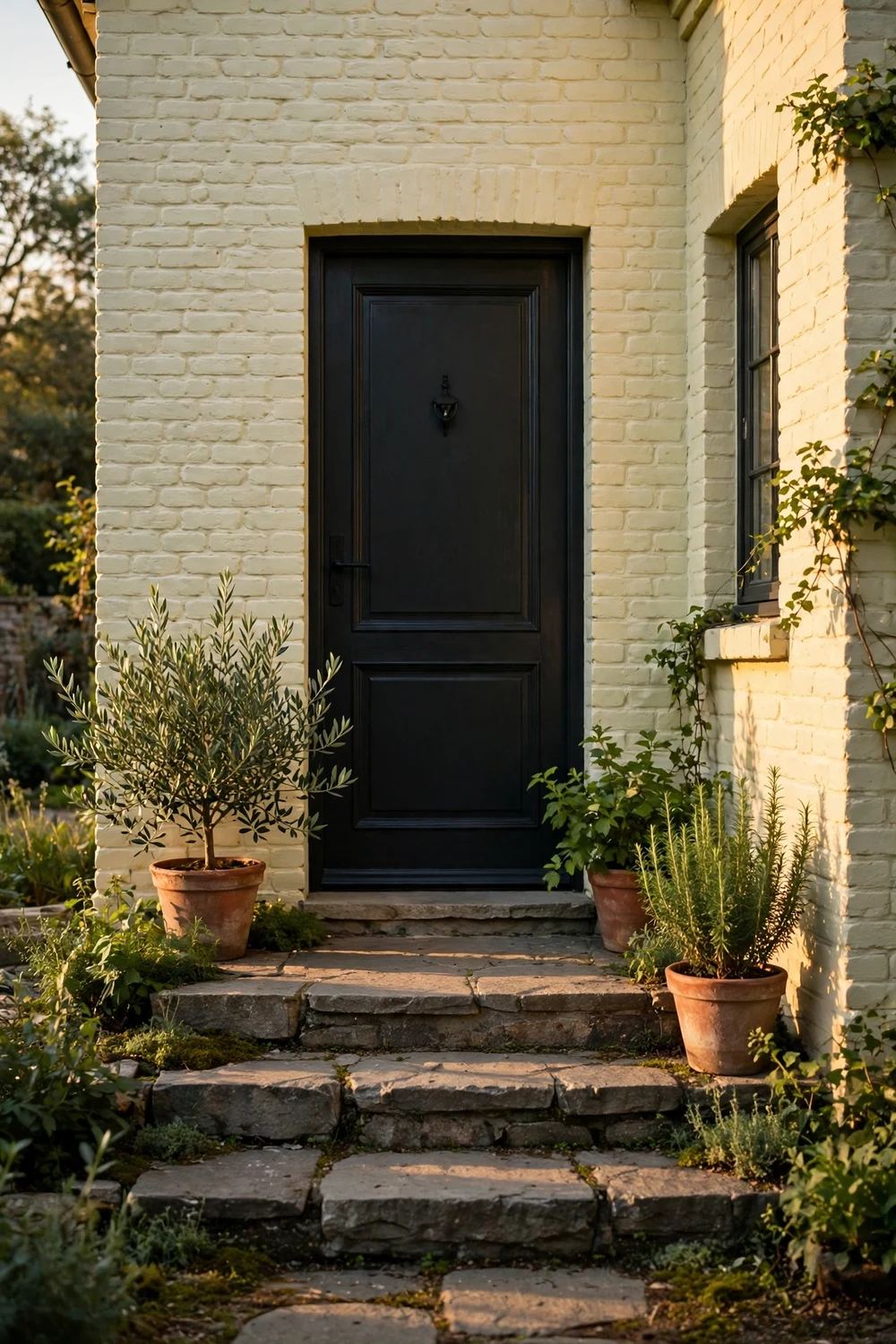
After all the questions, the decision comes down to four honest checks. First, is your brick bare and porous? Run the water test, because if the water beads, limewash is not your finish. Second, do you like variation? Limewash is cloudy, uneven and soft, so if you want a flat uniform white, a masonry paint will make you happier. Third, are you willing to refresh an exterior wall every few years? If maintenance sounds like a chore you will never do, pick something more permanent. Fourth, does the brick have character worth showing? Limewash is at its best on brick with texture and old mortar joints. On a plain, flat, modern brick wall, the effect can look thin and unfinished.
There are walls where limewash is clearly the right call: a red fireplace that dominates the room, a cottage exterior that looks too harsh against soft planting, an old garden wall that needs softening rather than hiding, or a bedroom accent wall where you want texture without a bold colour. In all of these, limewash does something paint cannot do. It changes the mood of the brick without erasing it.
There are also walls where it is the wrong call: painted brick, sealed brick, a bathroom wall that gets wet every day, or a wall you need to look identical in ten years. Limewash is not a quick cosmetic fix. It is a material with a personality, and it suits people who like that personality.
If you decide to go ahead, start small. Limewash one fireplace wall, or one garden wall, before you commit to a whole house. A small project teaches you how the material behaves, how the colour dries, and whether you actually like living with it. If the small wall makes you happy every time you walk past it, do the rest. If it leaves you cold, you have learned something cheaply.
Once the wall is limewashed, think about what goes on it. Brick walls take hanging hardware differently from plaster, and drilling into a freshly finished wall is a shame. These methods for hanging decor on brick without damage show how to dress a limewashed wall without drilling holes through your new finish. And if limewash turns out not to suit your brick after all, these budget faux brick wall ideas show how a fake brick wall can give you the texture without touching the real thing.
Limewashed Brick FAQs, Answered One by One
How long does limewash last on brick?
Indoors, limewash lasts for many years with almost no change. Outdoors, plan for a refresh after roughly 5 to 7 years in exposed weather, though some sources quote 20 to 30 years in mild, dry climates on sheltered walls. Lifespan varies by climate, exposure and coats applied, and re-coating needs no stripping, just a wash and a fresh coat.
Can you paint over limewash?
Yes, once it has fully cured, but use a masonry primer first. The primer gives the paint something to grip, because cured limewash is chalky and paint will not bond well to it directly. Let the limewash cure for at least a few weeks, clean off any loose dust, prime, then paint as normal. Once you paint over limewash, the change is much harder to undo, so be sure before you do it.
Can you limewash over painted brick?
No. Limewash needs to soak into bare, porous brick, and paint seals the pores, so limewash applied over paint sits on the surface and washes off with rain or a damp wipe. Test the brick with water first: if water beads, the brick is sealed or painted, and the paint must be removed before limewash will work.
Is limewash better than whitewash?
For most brick, yes. Limewash is a mineral finish that penetrates the brick and wears away gradually, and it can be refreshed easily. Whitewash is usually thinned latex paint that sits on the surface, peels like paint, and needs scraping before you recoat. Whitewash is cheaper for a one-off indoor project, but limewash lasts better and ages more gracefully.
Does limewash wash off in the rain?
Fresh limewash can wash off in heavy rain if it has not cured yet, which is why you should never apply it when rain is forecast within a day. Once cured, it wears down slowly over years of rain, which is normal, but it will not wash off in one storm. If your limewash disappears after the first rain, it was applied to sealed brick, applied too thin, or caught by rain before it cured.
Is limewash safe indoors?
Yes, limewash is safe indoors once cured. It is a mineral finish with no harsh solvents, and it is naturally resistant to mould because of its high alkalinity. Wear gloves and eye protection while you mix and apply it, because wet lime is caustic and can irritate skin. Once dry and cured, it is harmless.
Can you limewash brick in winter?
Only if the temperature stays above about 5 degrees during the day and overnight, with no frost expected. Cold slows the curing reaction and can leave a weak, powdery finish that washes off. Late spring, summer and early autumn are the safest seasons, so wait for a mild spell rather than risking a failed coat.
Does limewash change the colour of brick permanently?
No, not permanently. Limewash is one of the most reversible brick finishes. It can be washed off with water and a stiff brush while fresh, and it wears away on its own outdoors over time. Indoors it lasts much longer, but it can still be removed with effort.
A Softer Brick Wall Is a Weekend Away
Limewash is not a miracle product. It will not stick to painted brick, it will not last forever outdoors, and it will not give you a flat, perfect white wall. What it will do is soften harsh brick, let the texture show through, and age in a way that looks natural rather than neglected. That is a smaller promise than paint makes, and it is one limewash actually keeps.
If your brick is bare, your wall is dry, and you like the cloudy, uneven look, limewash is one of the most satisfying weekend projects in home decor. Start with the water test, pick a mild dry day, clean the wall properly, and give it two or three coats. Stand back and look at it in morning and evening light before you decide whether it needs another coat.
Then live with it for a while before you rush to the next wall. The colour settles, the dusting stops, and the room feels calmer. If it grows on you, the rest of the house is waiting. If it does not, you have lost a weekend and a modest amount of money, not a permanent change to your home. That low risk is the best reason to try it.