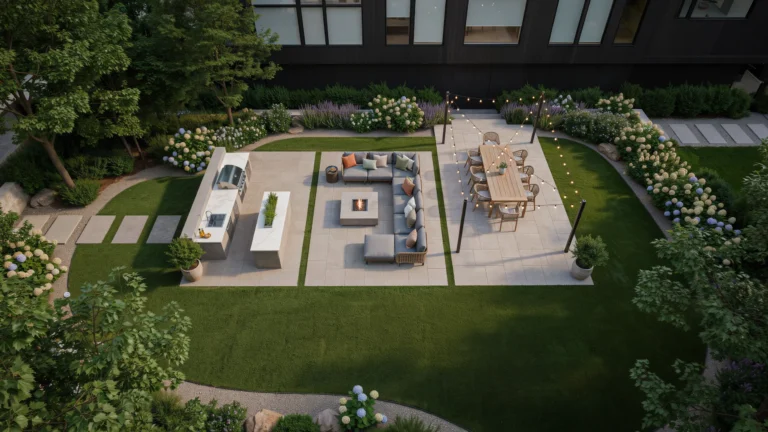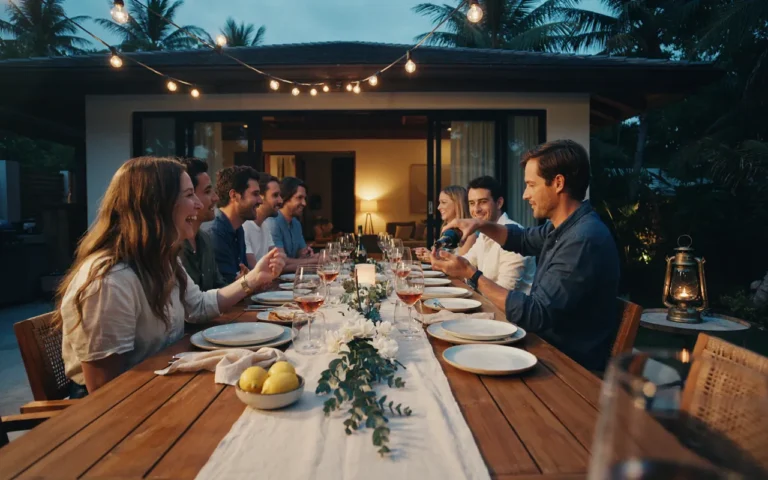
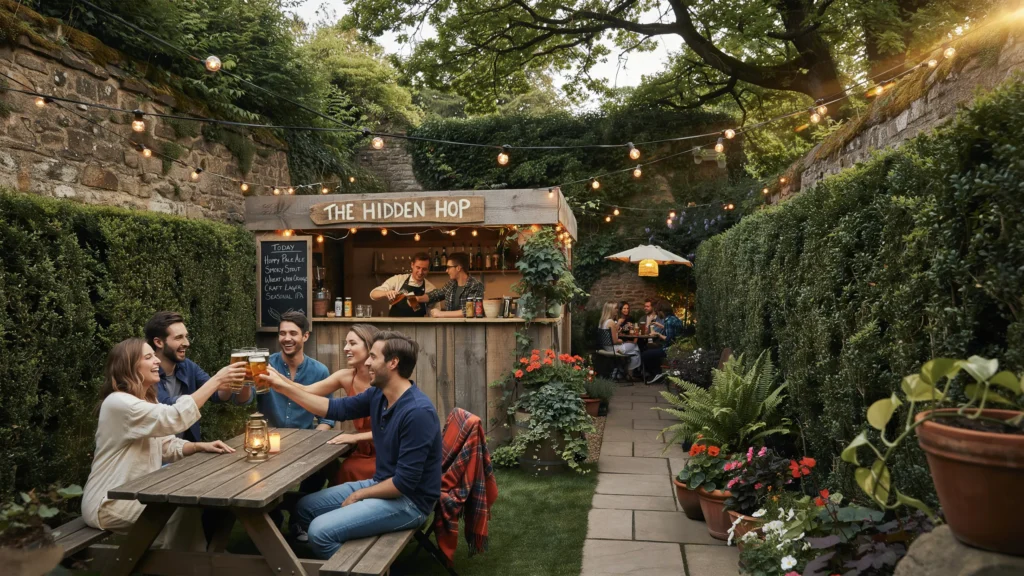
A backyard beer garden on a budget works best when you spend where guests can see and feel the difference, and save everywhere else. Start free by clearing one level corner, reusing pallets and jars you already own, and planting fast climbers for privacy. Add a few small spends for ground cover, warm string lights and a cold drinks tub.
Then, only if the space gets used, make one bigger buy, such as a sturdy picnic table or a proper shade sail, and stop there until the next season proves you need more.
I built my first version of this space with almost no plan at all, and it showed. I bought a pretty lantern set before I had a level place to put a chair. I dragged a heavy table across soft grass after rain. Guests stood around holding drinks because there was nowhere sensible to set a glass down.
The garden looked busy in photos and awkward in real life. The second time, I did the boring work first. I picked one corner, cleared it properly, and let the rest grow slowly. That version cost less and got used far more often.
That is the whole idea behind this guide. It is not a list of forty unrelated projects. It is a budget plan in order: what costs nothing, what is worth a small spend, and what single bigger purchase makes the most sense for your yard. If you follow the order, you avoid the classic budget trap, which is spending a little on everything and ending up with nothing that works well.
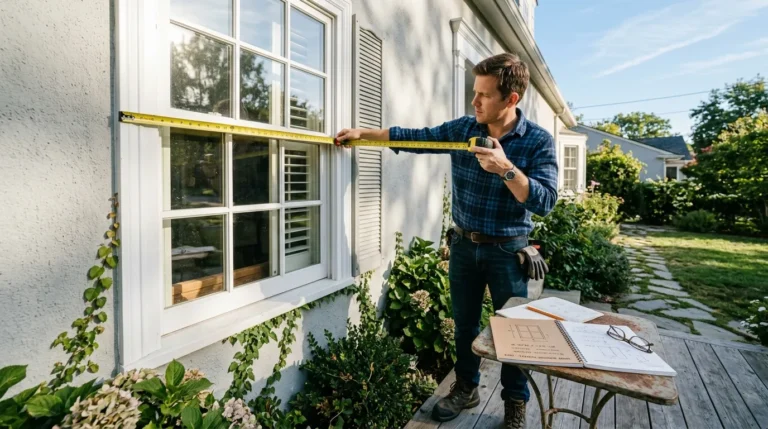
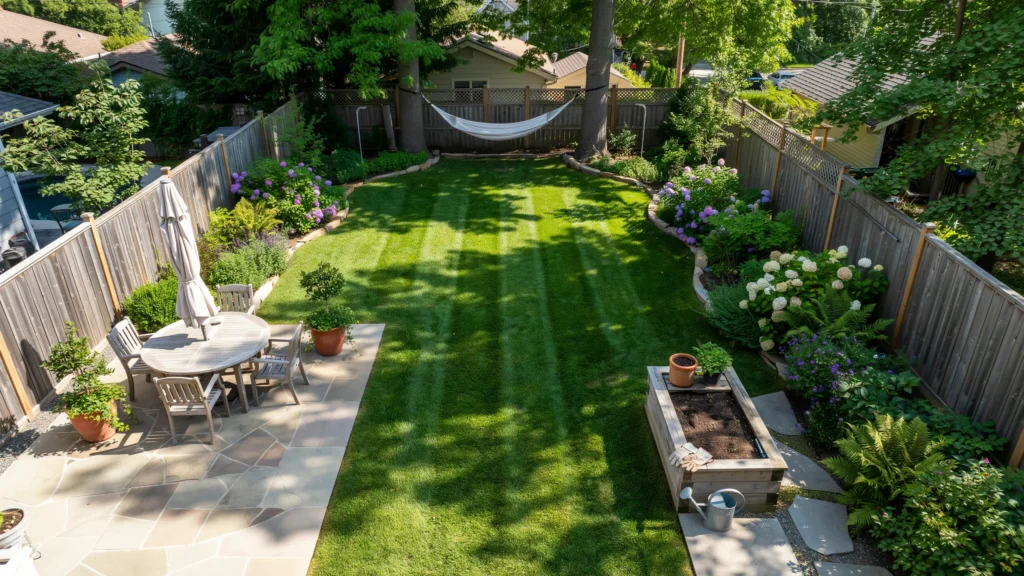
Measure the corner you choose. You do not need a survey, just a tape measure and a rough sketch on paper. Allow about 60 centimetres of width per seated guest at a table, and at least 90 centimetres of clear walking space behind chairs so people can get up without shuffling sideways.
A table for six needs a footprint of roughly 180 centimetres by 90 centimetres, plus that walking room on at least two sides. If your corner is smaller, plan for four seats and a standing ledge instead of forcing six chairs into a space that cannot hold them.
Check drainage while you are out there. After rain, look for puddles, soft patches and muddy tracks. A beer garden on soggy ground will stay unused, no matter how nice the lights look. If the only workable corner holds water, raise it with a shallow layer of gravel over landscape fabric, or keep seating on a small pallet platform that lets air move underneath. Do not lay a rug straight onto wet soil and hope for the best. It will smell, it will slip, and it will rot.
Spend where it shows, save where it does not
The table below is the decision tool for the whole project. Use it every time you are tempted by a new purchase. If an item lands in the spend column, it is because guests touch it, sit on it, walk on it or look at it all evening. If it lands in the save column, it is because a cheaper version does the same job and nobody will notice the difference after the first ten minutes.
| Part of the garden | Spend where it shows | Save without losing the feel |
|---|---|---|
| Ground underfoot | A level, firm surface that drains well | Plain gravel or mulch instead of new paving |
| Seating | One sturdy table and benches that do not wobble | Secondhand chairs, pallet benches and cushions from home |
| Bar and drinks | A stable counter at a comfortable height and a reliable way to keep drinks cold | A repurposed dresser, a cart or a galvanised tub instead of a built in bar |
| Light | Warm light at table height and along the path | Solar string lights and jars you already own instead of wired fixtures |
| Privacy | One good trellis or screen on the most exposed side | Fast climbers and tall pots instead of fencing the whole yard |
| Plants | Herbs for drinks and a few larger pots near seating | Seed grown annuals and cuttings instead of large specimen plants |
| Decor | One clear focal point, such as a chalkboard menu or a painted sign | Bottles, jars, crates and fabric already in the house |
| Shade | Shade over the table at midday and in late afternoon | A secondhand umbrella or a simple sail instead of a full pergola |
Read that table again before you shop. Most budget beer gardens fail not because the owner spent too little, but because the money went to the wrong things. A cheap table that rocks every time someone leans on it will annoy guests all evening. A fancy sign on a muddy, dark corner will not fix the mud or the dark. Ground, seating, light and shade are the four places where quality is visible. Everything else can wait.
Free first: clear, level and borrow from the house
Pick the corner and clear it properly
Start by removing anything that does not belong in the corner: broken pots, spare timber, a hose that lives in a tangle, toys that have migrated there. Mow or trim the edges so the boundary of the space is clear. Rake out leaves and stones that will end up underfoot.
If the ground is uneven, scrape high spots down and fill low spots with soil from elsewhere in the yard, then firm it by walking over it repeatedly. A level patch the size of a picnic table is enough to start. You can widen it later.
Use pallets, crates and furniture you already own
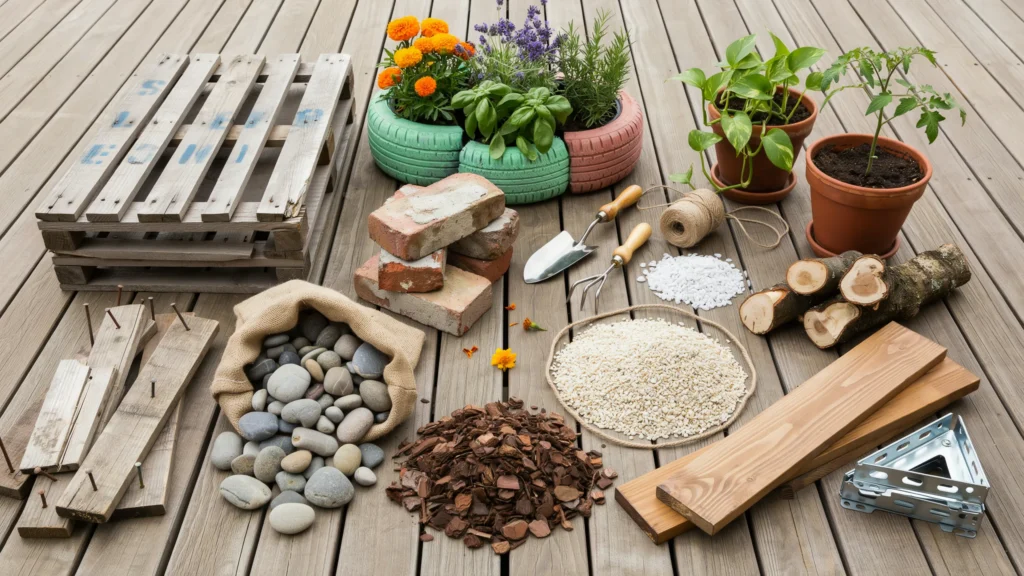
Pallets are the classic free material for a reason, but they need a safety check before they become furniture. Look for pallets marked HT, which means heat treated, and avoid pallets marked MB, which means chemically treated, and any pallet that smells strongly of chemicals, oil or unknown spills. Check for loose nails, cracked boards and splinters. Sand the top surfaces and any edges hands will touch. Seal pallet wood with exterior varnish or oil if it will stay outside, and keep it off wet soil on small feet or bricks so it can dry after rain.
A pallet bench is simple: stack two pallets for the seat base, or use one pallet on blocks for a lower bench, then add a board top if the slat gaps are too wide for comfort. A pallet table works the same way, with a flat board or an old door laid across the top for a smooth surface. Keep the height sensible.
A dining table height of about 75 centimetres suits eating and drinking while seated. A bar height of about 105 to 110 centimetres suits standing and leaning. Mixing the two heights in one small space usually feels awkward, so pick one main height and stick to it.
Look through the house before you look at a shop. Jam jars become candle holders and herb pots. An old blanket becomes a tablecloth or a bench cover. A wooden tray from the kitchen becomes the drinks tray. A spare curtain becomes shade on a fence for one evening, tied at the corners and taken down afterwards. The goal of the free stage is not to look thrifty. It is to learn what the space actually needs before money enters the picture.
Plant for privacy before you buy privacy
Privacy planting works best when it starts early and stays simple. Choose one exposed side, usually the side facing the nearest neighbour or the street, and focus there. A trellis made from pallet slats, garden twine or a simple lattice panel gives climbers something to grip. Fix it firmly so wind does not topple it onto seating.
Plant at the base, water well, and guide the first shoots onto the support with soft ties. Once climbers take hold, they need less attention than a hedge and they change with the seasons, which suits a garden bar far better than a flat fence.
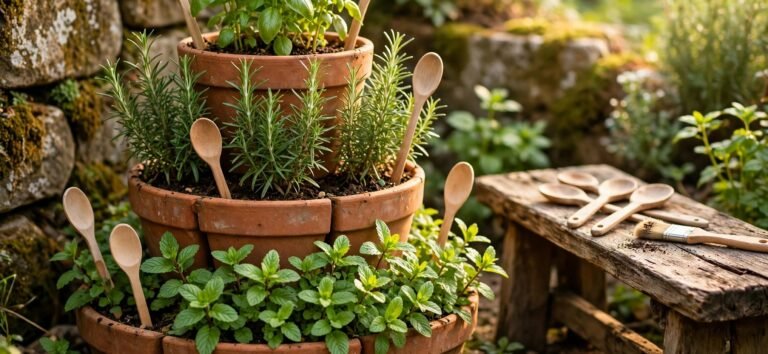
Herbs earn their place in a beer garden in a way most flowers do not. Mint, basil and rosemary cost little as small plants, grow fast, and go straight into drinks and simple snacks. Keep herbs close to the bar or table so you actually use them. A herb pot that lives twenty steps away will be forgotten.
A herb pot on the bar gets picked, sniffed and talked about. Lemon balm, thyme and lavender also work well in pots near seating, provided they get sun and drainage holes in the pot base.
Choose a simple style and stick to it
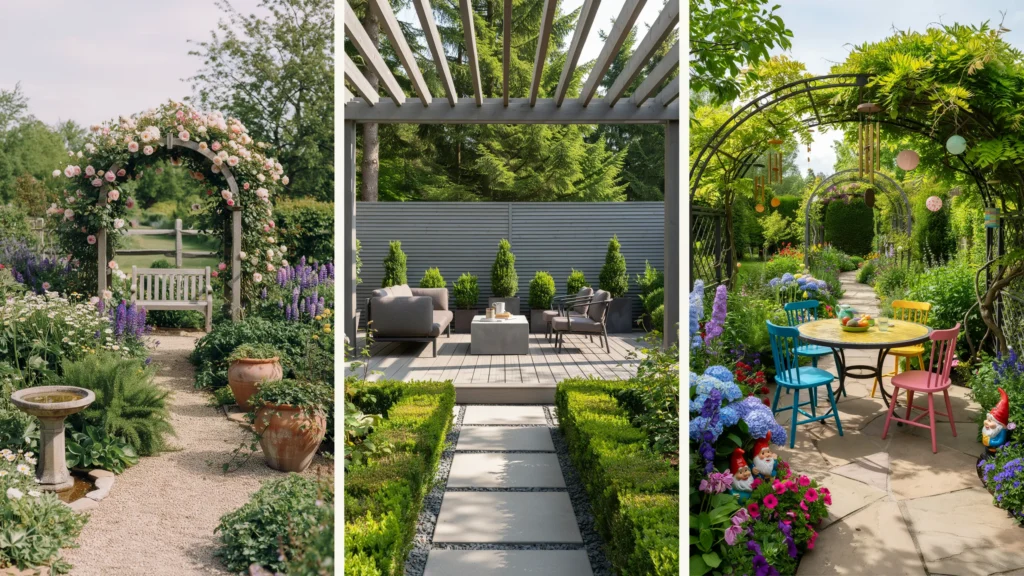
Write your style down in one sentence and tape it inside a kitchen cupboard while you build. Mine would read: weathered wood, green plants, warm light, nothing shiny. When a bargain item does not fit that sentence, it stays in the shop, no matter how cheap it is. This one habit saves more money than any coupon, because it stops the slow accumulation of almost right things that never quite sit together.
Colour restraint helps here too. Pick two main colours and one accent, and repeat them. Wood tones count as one family. Green from plants counts as another. A single accent, such as deep red cushions, brass lanterns or blue glass bottles, gives the eye something to land on. If every new item introduces a new colour, the space will feel noisy even when it is tidy.
Small spends: the upgrades guests actually notice
Ground cover that drains and stays put
Gravel is the most useful small spend for a beer garden floor. It drains well, it firms up underfoot, and it is easy to top up. Lay landscape fabric first to slow weeds, then spread gravel about 5 centimetres deep. A layer thinner than that shifts under chairs and shows bare patches. A layer much thicker than that feels loose and hard to walk on in soft shoes. Rake it level, then walk over it and rake again. Keep a small bag spare for topping up bare spots after heavy rain.
Mulch and wood chips are softer underfoot and often cheaper, especially if a local tree service offers chipped wood. They suit a woodland corner and they smell pleasant after rain. They also break down, so plan to top them up once or twice a year. Do not use mulch right against a wooden bar or pallet seating that sits on the ground, because trapped damp speeds rot. Leave a small gap, or set furniture on bricks or pavers within the mulch.
Seating that stays comfortable for a whole evening
Cinder blocks and wood planks make a sturdy bench in minutes: stack blocks at each end, slide planks through or across the holes, and check for wobble before anyone sits down. Sand the planks well and seal them. Add outdoor cushions or folded blankets for comfort, and store soft furnishings inside or in a waterproof box when not in use. Secondhand chairs are worth hunting for, but test them before you buy. Sit, lean back, and rock gently. A chair that creaks in the shop will creak louder on a quiet evening.
A bar that works, not just a bar that photographs well
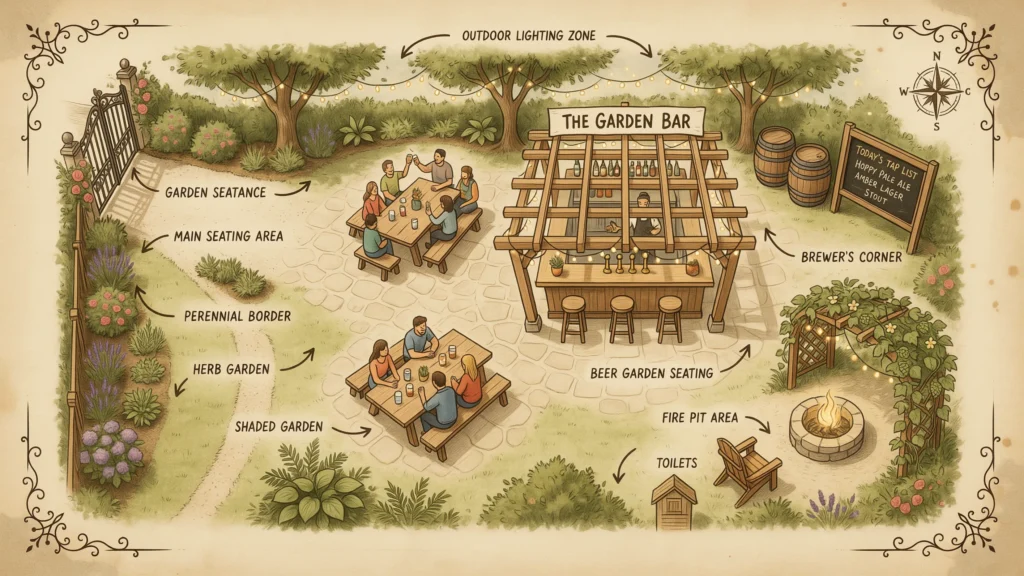
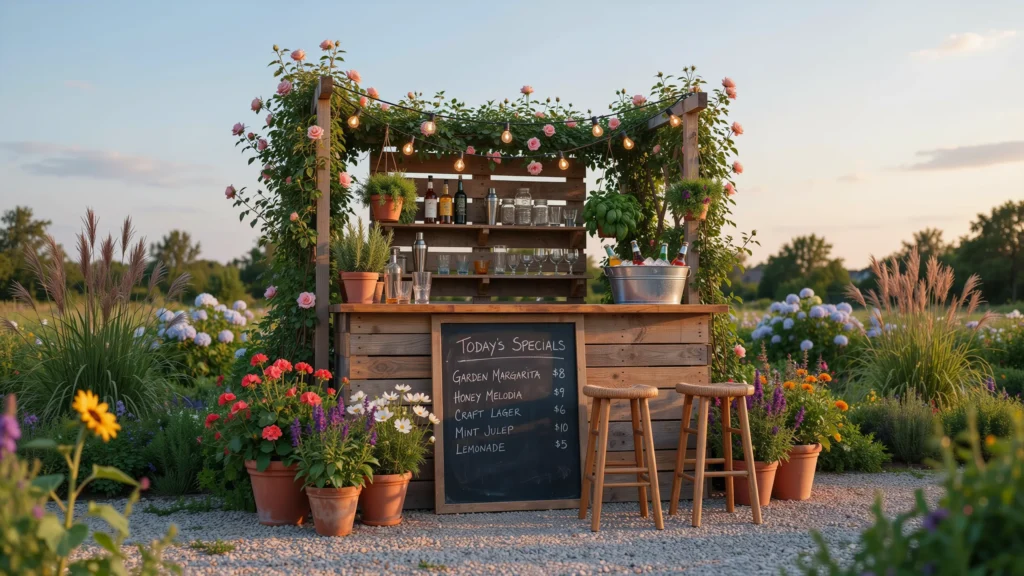
The bar is the heart of the space, but it does not need to be large. A good beer garden bar holds drinks, glasses, an opener, napkins and a small bin, and it leaves room for one person to pour without blocking the path. A counter about 90 to 120 centimetres wide is enough for a small garden.
A counter 180 centimetres wide suits regular hosting for eight or more. Depth matters too: about 45 to 60 centimetres gives room for bottles at the back and a pouring space at the front without glasses crowding the edge.
If you are starting from a repurposed piece, check three things: stability, weather protection and storage. Rock the piece from side to side. If it moves, fix the feet or choose another piece. Seal the top with exterior varnish or a waterproof oil, and cover the bar with a tarp or move it under cover in heavy rain.
Use the inside storage for the items you reach for every time, and keep overflow bottles in the house. A bar with everything on show looks cluttered fast. A bar with a tidy front and a stocked cupboard looks generous.
For ideas on fitting a bar into a tight indoor corner, these corner home bar ideas for small spaces show the same measuring habit applied inside, with shelf heights and footprints that transfer well to a small outdoor counter. The lesson carries over: measure the corner, leave standing room, and let the bar fit the space rather than forcing the space around the bar.
Light in layers, using mostly solar
Evening light changes a garden more than any decoration. The trick is layers at different heights, not one bright light. Aim for soft light at table height, warm light overhead, and low light along the path. Solar string lights do the overhead layer well in most gardens, provided the solar panel gets direct sun during the day. Hang them at about 2 metres or higher so light falls softly without shining in eyes, and space bulbs about 30 to 45 centimetres apart for a full look rather than a sparse dotted line.
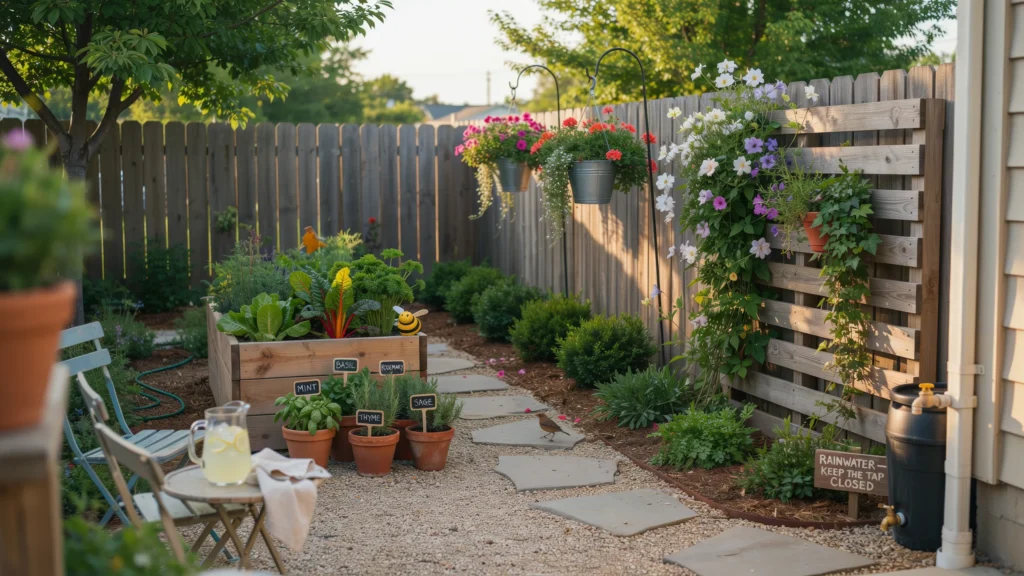
Keep all bulbs in one warm range, roughly 2700K to 3000K, so the garden glows instead of looking like a workshop. Mixing cool white path lights with warm string lights makes the space feel uneven, even when each light is bright enough on its own. If a solar light looks dim, check the panel first: dust, shade from a new climber, or a panel facing north can all cut charging. Move the panel into sun before you buy a replacement.
The same zone thinking that works indoors helps outdoors too, and these mudroom lighting ideas are a useful reminder to light the bench, the doorway and the storage separately instead of relying on one ceiling bulb. In the garden, that translates to light for the table, light for the bar, and light for the path home, each doing one job well.
Plants that pay for themselves
After herbs, the best value plants are perennials and self seeding annuals. Perennials cost more at first but return year after year, so a plant that survives three seasons is cheaper than three rounds of bedding plants. Self seeding annuals such as cosmos and marigolds spread on their own, so one packet of seed can fill beds for several seasons if you let a few plants go to seed. Buy small plants and give them time, rather than buying large plants for instant impact. Small plants establish faster and cost far less.
Shade, sound and the small details guests remember
Shade over the table is worth a small spend because it decides whether the space works in daytime at all. A secondhand umbrella, a simple shade sail, or a canvas drop cloth tied to a fence for one afternoon all beat a pergola you cannot afford yet.
Fix shade firmly: a sail needs strong anchor points and a slight slope so rain runs off instead of pooling in the middle. An umbrella needs a heavy base, especially in a garden that catches wind.
Test shade at midday, not just in the morning, because a shadow that covers the table at 10 in the morning may miss it completely by 2 in the afternoon.
One bigger buy: choose the piece that earns its place
This is where most budget plans go wrong, because the bigger buy feels like the reward for all the careful saving. It is not a reward. It is a tool, and it should solve the one problem that still limits how often you use the garden after the free and small spend stages are done.
Before you choose, host at least twice with the free and small spend setup. Note what annoyed you. Was seating the problem, with guests perching on walls and plant pots? Was shade the problem, with everyone moving indoors by mid afternoon? Was the bar the problem, with drinks warming up and bottles crowding the table?
Was the ground the problem, with chairs sinking after rain? The answer to that question is your bigger buy. If nothing annoyed you, you do not need a bigger buy yet, and that is a good result, not a failure.
Option one: a sturdy picnic table or dining set
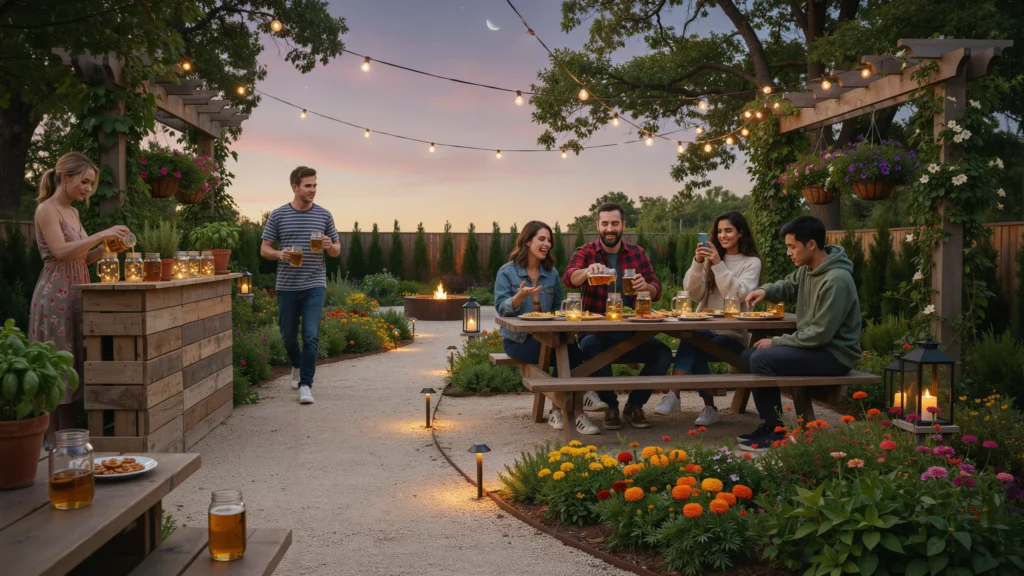
Choose this if seating is your limiting factor. A proper picnic table seats six comfortably, survives weather, and gives the garden a clear centre. Look for a table about 180 centimetres long and 75 centimetres high, with benches about 45 centimetres high and firmly fixed, not loose.
Check the wood thickness: thin slats flex and split, while thicker boards last longer and feel solid. If you buy secondhand, sit on it, lean on it, and check the joints and the feet for rot. A table that wobbles on a shop floor will wobble worse on gravel.
Option two: a proper shade structure
Choose this if sun or light rain keeps cutting evenings short. A shade sail, a freestanding canopy or a simple pergola frame with a fabric top all count here. A sail needs strong posts or wall fixings, and it must be tensioned well or it will flap and sag. A canopy needs a firm base and a plan for wind: take the fabric down in a storm rather than trusting pegs alone. A pergola frame is the most permanent option, so only choose it if you are sure about the location after a full season of use.
A covered outdoor room changes hosting in a different way again, and these lanai ideas for outdoor entertaining explain why a roof and screens make a space usable in rain and at dusk, which is useful context before you commit to a permanent cover. You do not need a lanai to borrow its lesson: cover the table, protect the seating from wind where you can, and keep the path to the house short and lit.
Option three: a built bar or outdoor kitchen counter
Avoid plumbing and wiring in the first version unless you are confident about drainage, frost and local rules. A counter with a sink that drains badly is worse than no sink at all. A simple counter, a good tub for ice, and a short walk to the kitchen sink will serve most gardens well for years. Add plumbing later only if hosting is frequent enough to justify the work and the upkeep.
Option four: a fire pit or outdoor heater
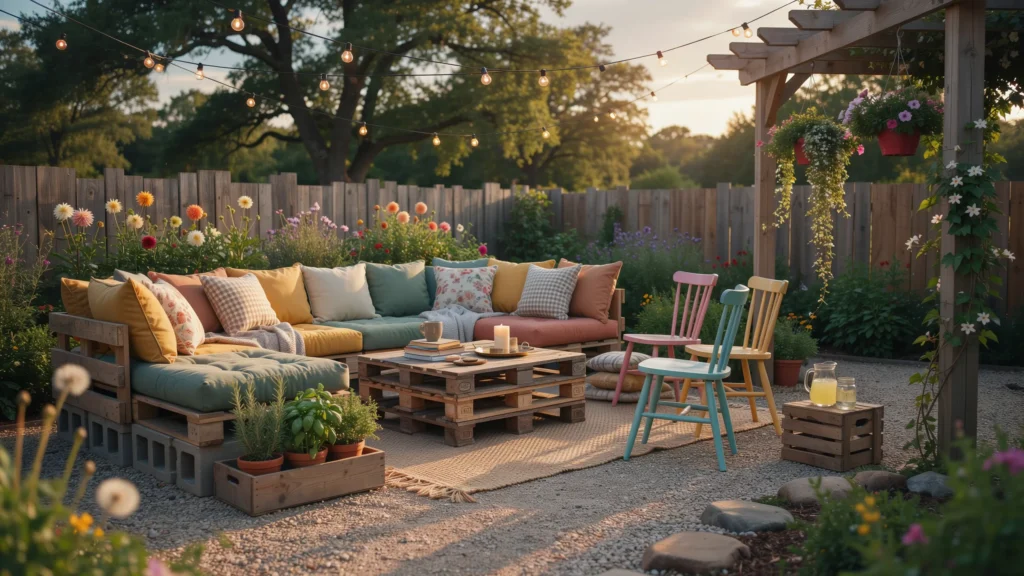
A fire pit or outdoor heater adds warmth, but it needs clear space to be safe. Keep it well away from seating, fences and any overhanging branches, and set it on a level, non-flammable base rather than on decking or dry grass. Watch the wind before you light it, so smoke blows away from guests, and keep drinks and serving surfaces out of the heat zone so nobody has to reach across the fire.
Food, drink and games without a big shop
For food, simple pub style snacks work best: crisps, nuts, cheese and bread, sliced vegetables with dip, and one hot item from the grill if you have one. A small charcoal grill or a secondhand smoker lets you cook on site, but keep the grill away from seating, shade fabric and the bar, and never leave it unattended. If grilling feels like too much for a first evening, cold food done well beats hot food done in a rush. Guests remember a relaxed host far longer than they remember a complicated menu.
Games keep a beer garden lively without costing much. Cornhole, ladder toss and giant Jenga can all be built from scrap wood, and a simple dartboard on a fence works if the area behind it is clear and safe. Place games away from the table and the bar, so a stray throw does not land in a drink. Keep one quiet corner too, with two chairs and a small table, for guests who prefer talking to competing. A garden that only suits loud games will lose the quiet guests early.
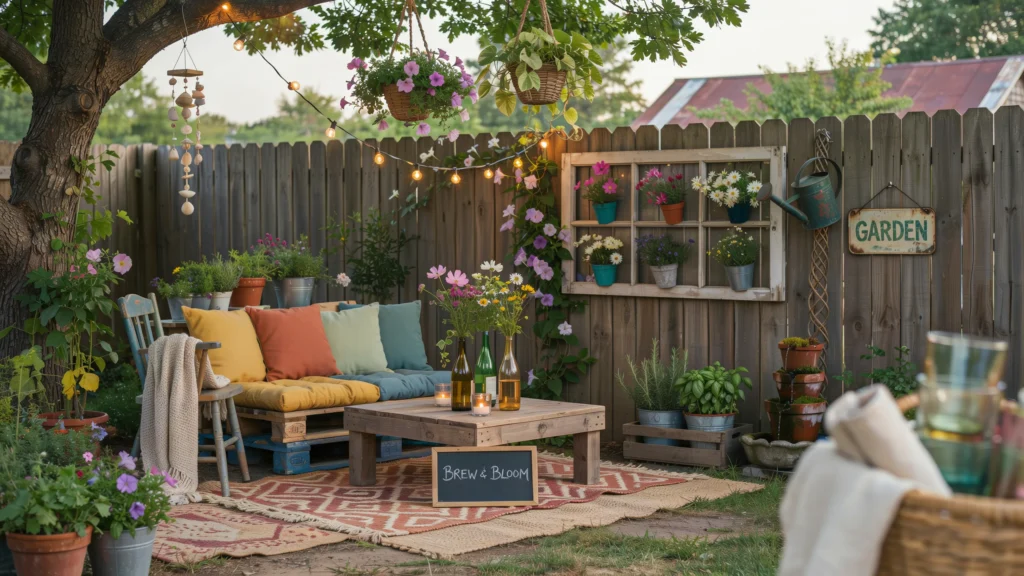
When you plan a larger gathering in the same space, these garden party ideas help with the flow that a beer garden also needs: where people arrive, where they stand with a drink, and how the table, shade and light work together once the sun goes down. Borrow the flow, keep the beer garden simpler, and the evening will feel planned without feeling formal.
What to avoid, even when it looks cheap
Some bargains cost more in the long run than they save at the till. Avoid very cheap solar lights with tiny panels that never fully charge, because a string that glows for twenty minutes and then dies is worse than no string at all.
Avoid thin plastic chairs that crack in sun and cold, because replacing them every season costs more than one sturdy secondhand set. Avoid paint that is not rated for exterior use on a bar top, because it will peel after the first wet week and need sanding and repainting.
Avoid buying plants in full flower for instant impact if they are root bound, pot bound or already past their best. Check the roots: white, firm roots that fill the pot without circling tightly are healthy. Brown, mushy roots or a solid mat of circling roots will struggle no matter how pretty the top looks. Avoid planting trees or large shrubs close to seating for instant shade, because roots, falling leaves and future size will cause problems that a shade sail would have solved in an afternoon.
Keeping it looking good through the seasons
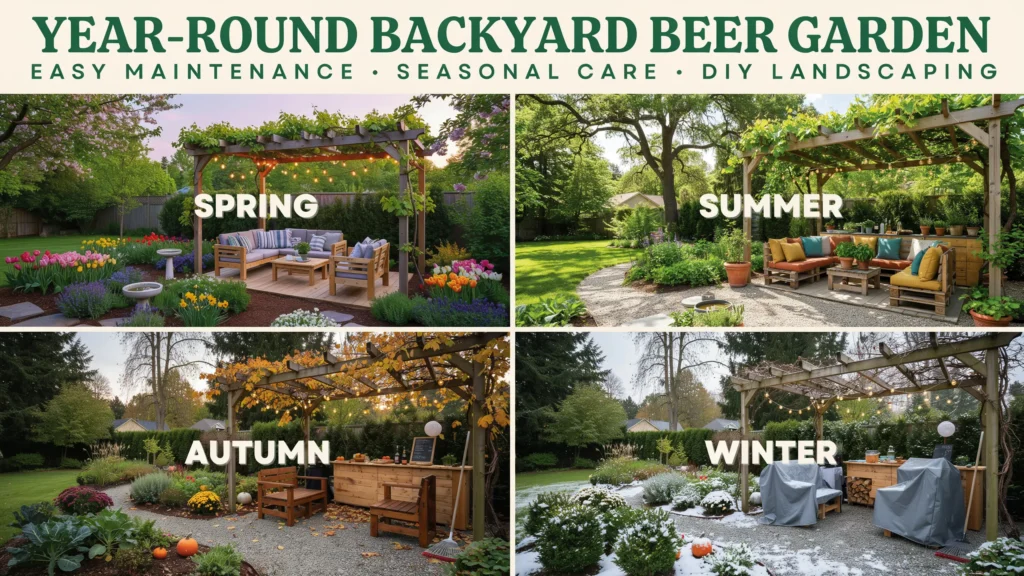
Maintenance is the unglamorous part of a budget garden, and it is also what keeps a budget garden from looking tired by the second year. Seal wooden furniture and pallets with exterior varnish or oil at least once a year, ideally before the wet season. Store cushions and textiles inside or in a waterproof box when not in use. Cover the bar with a tarp during storms if it cannot move under cover. Small jobs done often beat a big rescue job once a year.
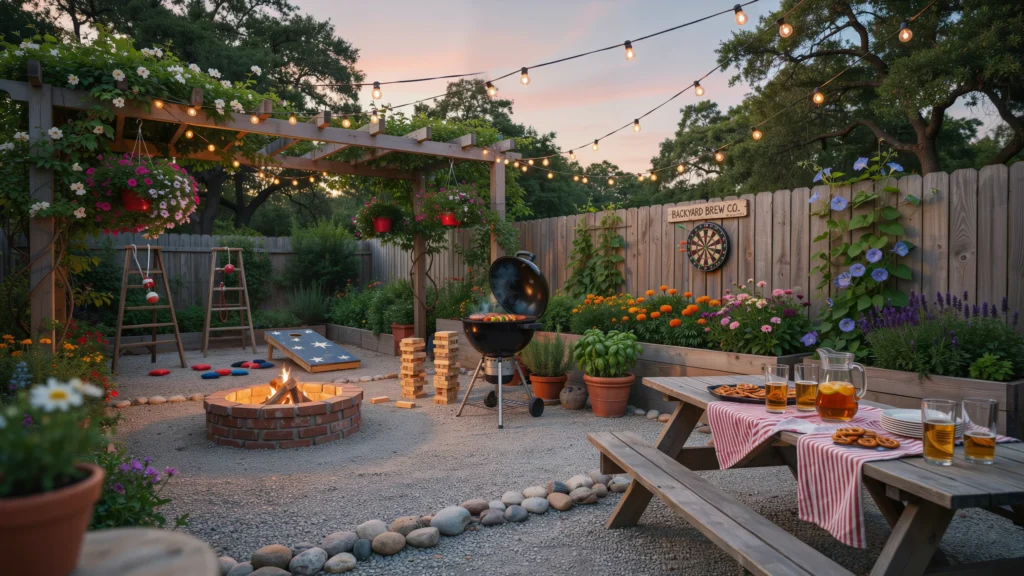
Adjust with the seasons in small ways. Swap in cold hardy plants for winter where your climate needs them, add shade for summer, refresh paint on the bar and seating when it starts to look worn, and check string lights and solar panels after winter. Keep a short list on the back of the chalkboard or in a kitchen drawer: seal wood, top up gravel, prune climbers, check lights, store cushions. Five lines, checked twice a year, will keep the garden ready for guests without a weekend of catch up work.
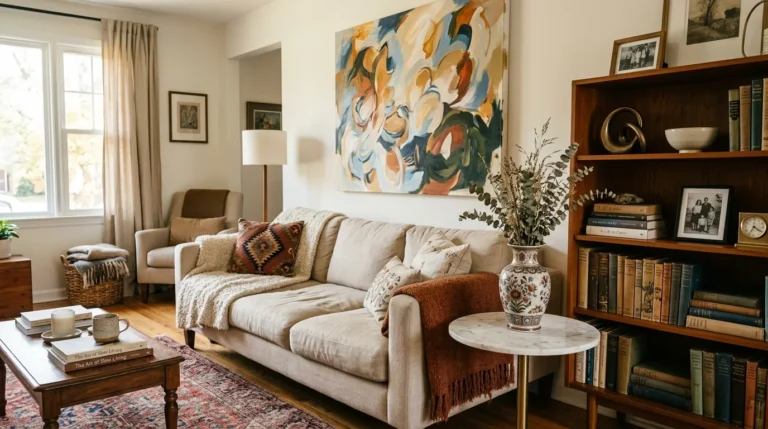
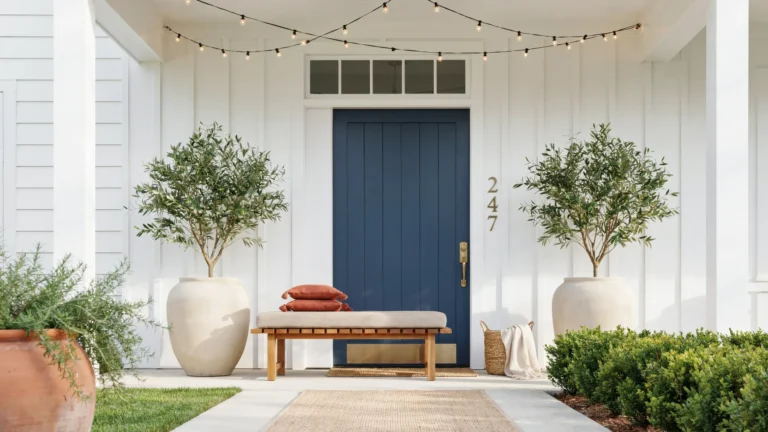
First impressions matter at the front of the house too, and the same restraint that makes a beer garden feel intentional applies at the door. These front porch ideas show how a tight colour palette, correctly sized planters and warm layered light make an entry feel finished, which is a useful check before guests walk through to the back garden. If the porch feels calm and cared for, the beer garden behind it starts with an advantage.
A hosting night timeline that keeps the host outside
The timeline below is for a relaxed evening for six to eight guests, starting in the late afternoon. It assumes the free and small spend stages are done, the bar is stocked, and the bigger buy, if you have made one, is already in place. The point of the timeline is simple: most of the work happens before guests arrive, so the host stays in the garden instead of disappearing into the kitchen.
| Time | What to do | Why it matters |
|---|---|---|
| Two hours before | Clear the table, sweep gravel, put cushions out and check seating | Guests arrive into a space that already feels ready |
| 90 minutes before | Fill the ice tub, chill glasses if you like, set out openers and napkins | Drinks stay cold and the bar works without a queue |
| One hour before | Set out snacks, water and the alcohol free jug, light the bar area | Early guests can help themselves while you finish |
| 30 minutes before | Switch on string lights, check the path lights, put the bin out | Evening light is tested before dark, not during it |
| Guests arrive | Welcome guests at the garden entrance, point out drinks and seating | Nobody gathers in the kitchen doorway wondering where to go |
| First hour | Stay in the garden, refill the ice tub once, top up snacks | The host is part of the evening, not staff for it |
| After food | Move to the lounge corner or games area, lower the lights slightly | A change of zone refreshes the evening without a new plan |
| Last hour | Collect glasses into one tray, keep water out, dim the bar light | A gentle wind down beats a sudden switch off |
| Next morning | Bring cushions inside, empty the ice tub, sweep and cover the bar | A ten minute tidy keeps the garden ready for next time |
Beer garden budget questions, answered honestly
How much does a backyard beer garden on a budget really cost?
It can cost almost nothing if you use what you already own and plant for privacy over time, and it can still stay modest if you add gravel, lights and a tub for ice. The range varies so much because yards vary so much.
A flat corner with good drainage and a spare table needs far less than a sloped, muddy corner that needs levelling and ground cover. Start free, track what you actually spend in a notebook, and let the total grow only when a specific problem needs solving. That habit keeps the budget honest.
What should I buy first if I can only afford one small spend?
Buy the thing that fixes the biggest barrier to sitting outside. If the ground is muddy, buy gravel. If evenings are dark, buy warm string lights. If drinks warm up fast, buy a large tub and ice. If there is nowhere to sit, buy or build one sturdy bench. One well chosen purchase that gets used every week beats five small decorations that look nice in a photo and do nothing for comfort.
Are pallets safe for seating and a bar?
Yes, if you check them first. Use pallets marked HT for heat treated, avoid any marked MB or any pallet with chemical smells, spills or stains, pull all nails and staples, sand every edge hands will touch, and seal the wood for outdoor use. Keep pallet furniture off wet soil on small feet or bricks, and do not use damaged, cracked or rotting boards for anything that bears weight.
How do I create privacy without building a fence?
Focus on one exposed side first. Fix a trellis firmly, plant fast climbers at the base, and add tall pots with grasses or bamboo in containers along the same edge. Climbers take a season to fill in, so use tall pots and a fabric screen for the first few gatherings if you need privacy sooner. Keep planting at eye level and above, because low plants do not block sightlines from a standing neighbour or a raised deck next door.
Do I need a permit for a fire pit?
Rules vary by city and region, so check local regulations before building or buying any fire pit. Many areas allow small backyard fire pits but set rules on size, placement, fuel and burn bans. Place any fire well away from structures, plants and shade fabric, keep water or sand nearby, and never leave a fire unattended. If your area restricts open fires, a patio heater or a smokeless fire bowl may be a safer and simpler option.
What plants are best for a beer garden bar?
Mint, basil and rosemary are the most useful, because they grow fast, cost little as small plants, and go straight into drinks and snacks. Keep mint in a pot so it does not spread. Add lavender or thyme near seating for scent, and a small lemon or lime plant if your climate allows it outdoors. Keep herbs close to the bar, water them regularly, and pick them often, because regular picking keeps the plants bushy and productive.
Host one evening in your backyard beer garden before you spend more
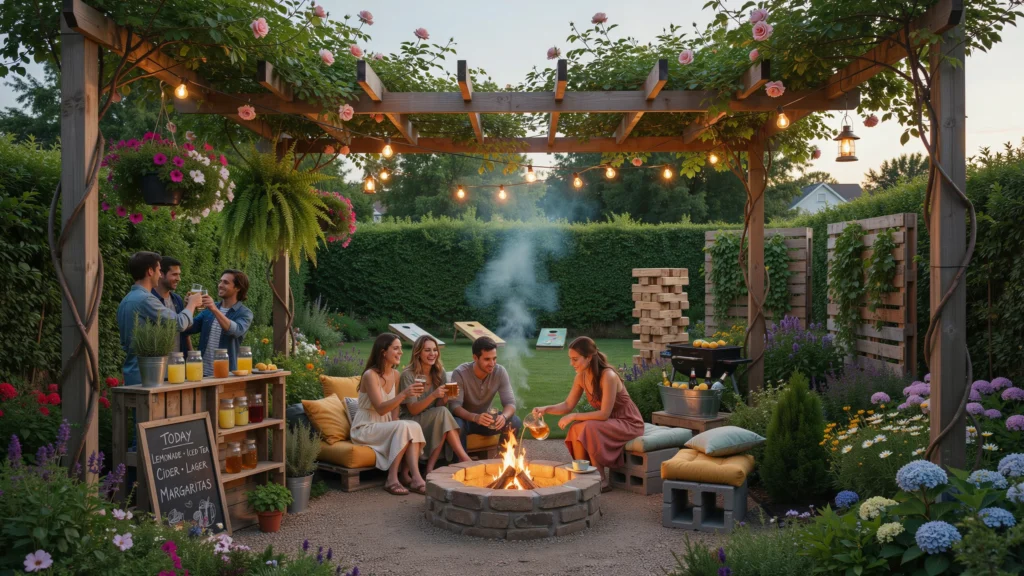
Here is the test that makes this whole plan work. Build the free version, add only the small spends you truly need, and host one evening. Not a perfect evening, not a party for twenty people, just six friends, cold drinks, simple snacks and warm light. Watch what happens. Where do people sit? Where do they stand? What runs out first? What do they ask for? What do you keep fetching from the house?
After that second evening, you will know whether a bigger buy makes sense, and which one. You will also know what to stop buying, which is just as valuable. A beer garden that grows one honest step at a time, from a cleared corner to a place friends ask about, feels better than a garden built in one expensive weekend and rarely used. Start with the corner you have, use what you already own, spend where it shows, and let the first evening teach you the rest.