Tired of cutting your backyard gatherings short because of bugs, sudden rain, or a sun that just won’t let up? A lanai solves the exact problem that keeps most outdoor entertaining spaces from actually getting used. Unlike a basic open patio or deck, a lanai is a covered, often screened-in living space attached to the home that bridges the gap between indoor comfort and outdoor atmosphere, which is exactly why it has become one of the most requested additions in warm-climate homes.
In this guide, you’ll find ten real, practical reasons a lanai makes outdoor entertaining genuinely better, not just prettier. Each reason includes the actual functional benefit behind it, along with a unique image inspiration prompt so you can picture how the space comes together. Whether you’re planning a new build, considering a screened room addition, or simply trying to decide if a lanai is worth the investment, this guide breaks down exactly why it works.
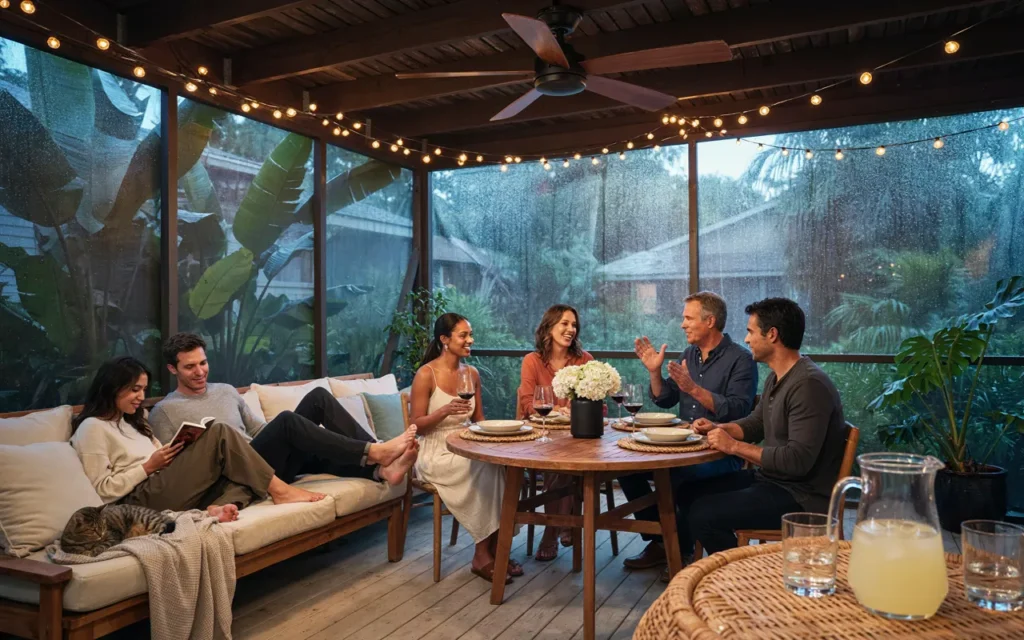
What Makes a Lanai Different From a Patio or Deck
Before getting into the ten reasons, it helps to understand what actually separates a lanai from a standard patio, since the distinction is the reason it performs so much better for entertaining.
A Lanai Has a Permanent Roof Unlike an open patio, a lanai is covered by a solid or slatted roof structure, which means it provides real shade and rain protection rather than relying on a temporary umbrella or shade sail.
Many Lanais Are Screened A large percentage of lanais, particularly in regions with heavy insect activity, include screen enclosures on the open sides. This keeps mosquitoes and other pests out while still allowing airflow and a connection to the outdoors.
It’s Directly Attached to the Home A lanai typically extends directly off a living room, kitchen, or bedroom, functioning almost like an additional room rather than a separate structure like a detached gazebo or pergola.
It’s Usually Floored Like an Interior Space Many lanais use tile, stone, or finished concrete flooring rather than gravel or grass, which allows for furniture, rugs, and entertaining setups that wouldn’t hold up well on an unfinished surface.
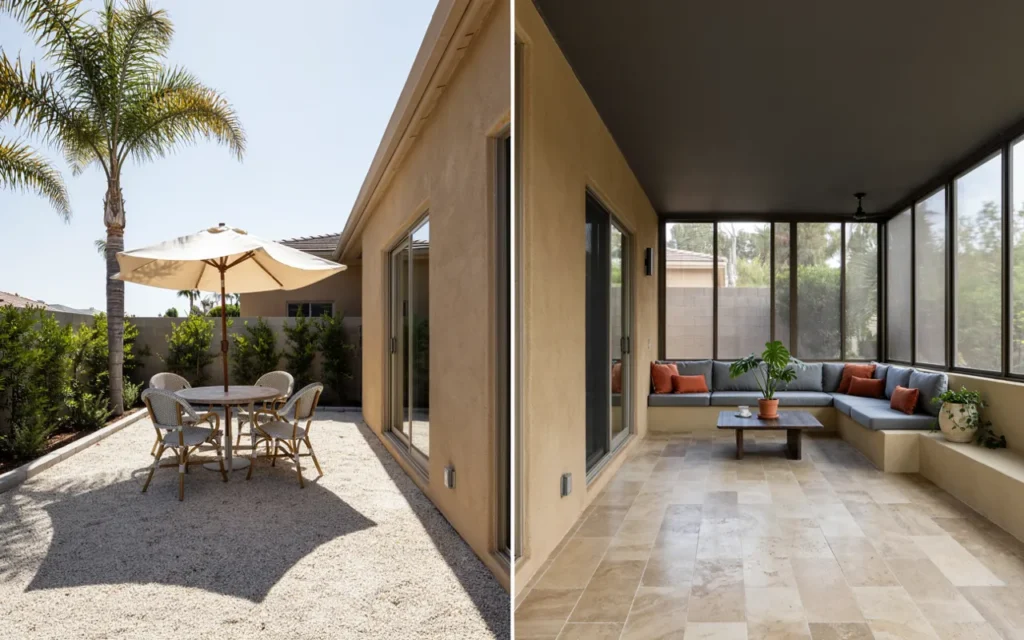
10 Reasons a Lanai Makes Outdoor Entertaining Better
1. It Protects Your Gathering From Sudden Weather Changes
Nothing ends an outdoor party faster than an unexpected downpour or a sudden gust of wind knocking over decorations. Because a lanai has a solid, permanent roof, your guests, food, and furniture stay protected even if the weather shifts mid-event. This means you can plan an outdoor gathering with far more confidence, without needing a backup indoor plan or constantly checking the forecast in the days leading up to it. For hosts who have had to move a party indoors halfway through, this single benefit alone often justifies the investment.
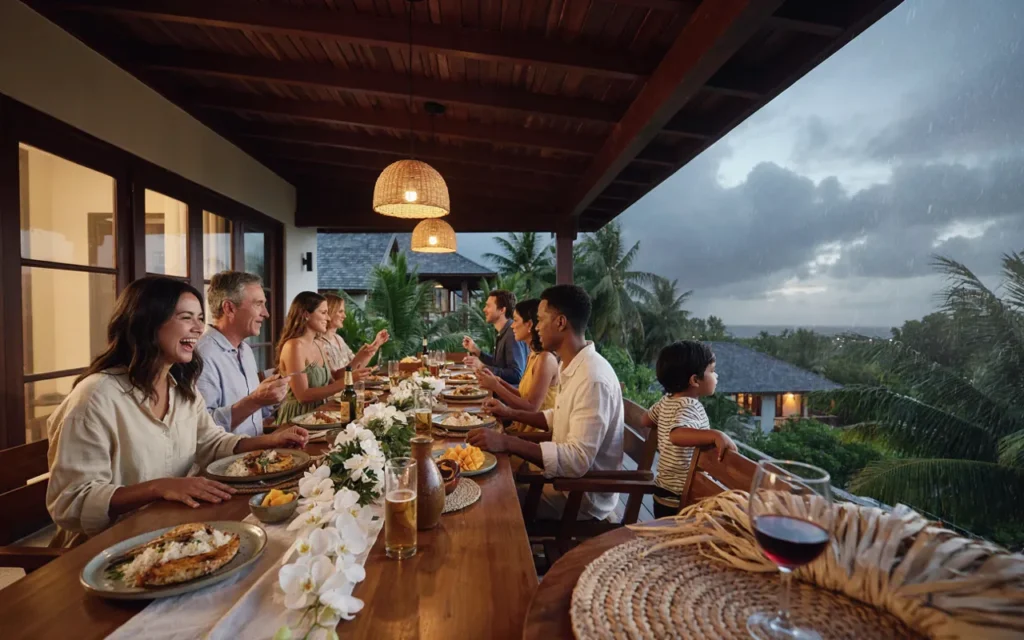
2. Screens Keep Bugs Out Without Blocking the View
A screened lanai is one of the few outdoor spaces that lets you keep windows and doors open, enjoy a breeze, and see your yard or garden clearly, all while keeping mosquitoes, flies, and other insects out. This is especially valuable during dusk hours, which is typically peak entertaining time in the evening and also peak mosquito activity, a combination that ruins many otherwise perfect patio dinners.
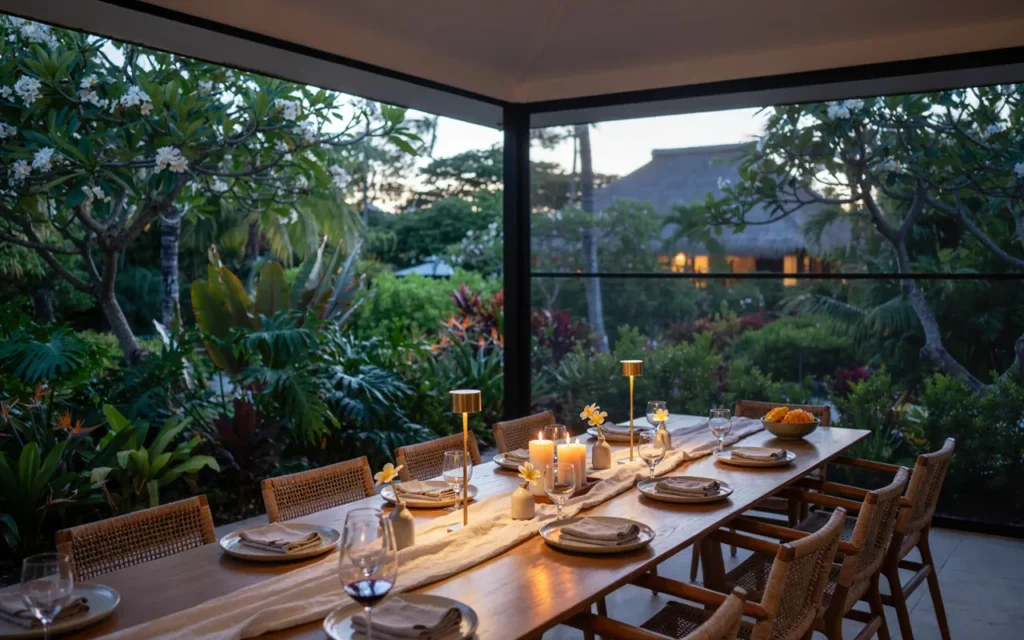
3. It Extends Usable Entertaining Time Into Hotter Months
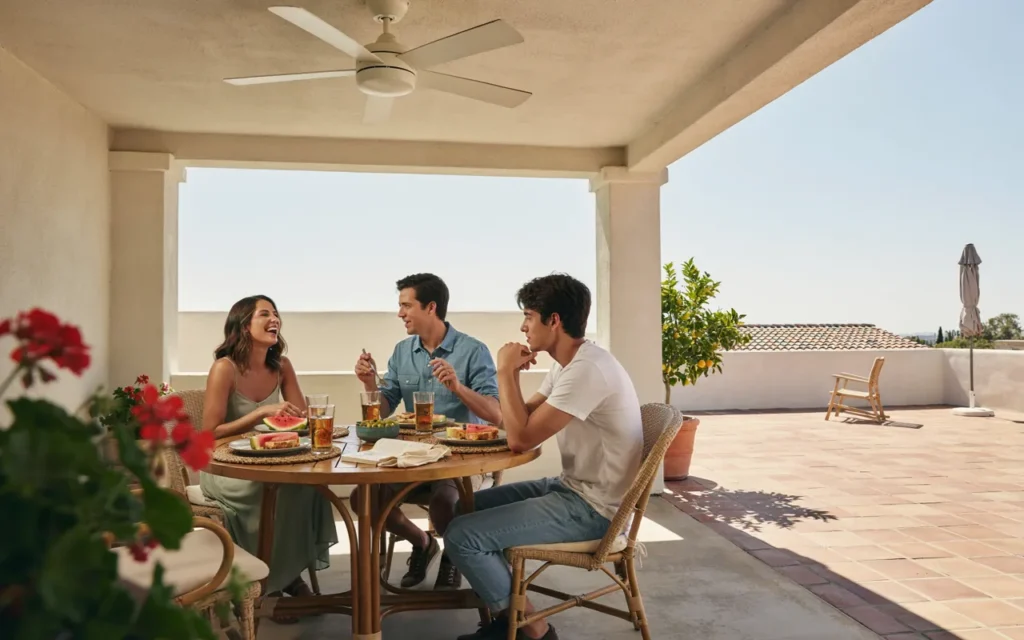
Direct sun exposure on an open patio can make midday and early afternoon gatherings genuinely uncomfortable during summer. A lanai’s permanent shade structure keeps the space significantly cooler than an unshaded patio, often by ten degrees or more, which means you can comfortably host lunch or afternoon gatherings during months when an open deck would be nearly unusable. Pairing the shade structure with a ceiling fan pushes that comfort window even further, letting you host through the hottest stretch of summer rather than only in the early morning or late evening.
4. It Functions Like an Additional Living Room
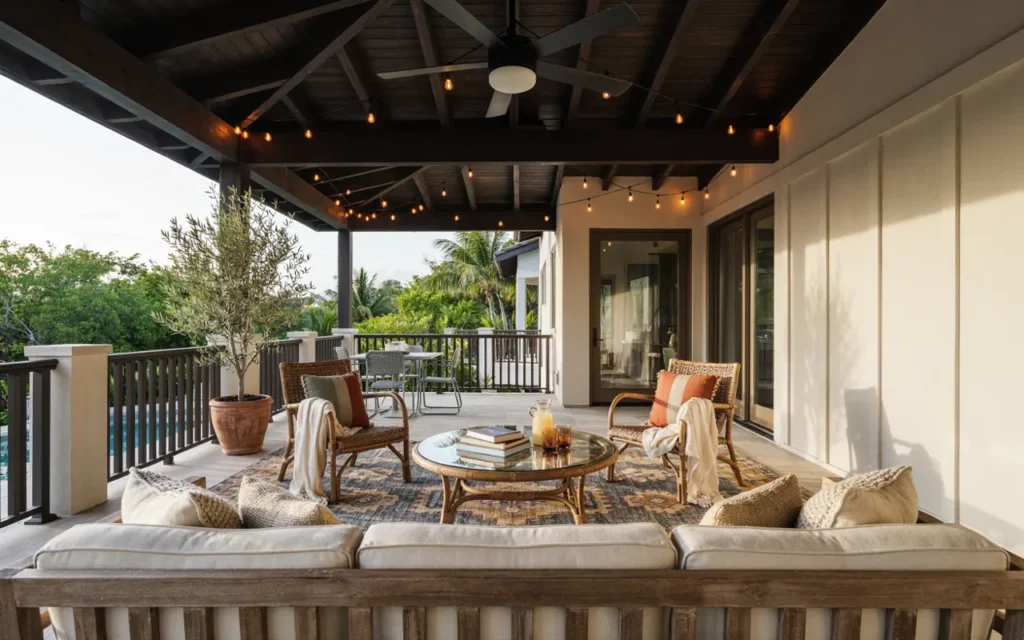
Because a lanai is directly attached to the home and often finished with real flooring, it can be furnished much like an interior room, complete with a sofa, coffee table, rugs, and even a television or ceiling fan. This transforms it from a simple outdoor seating area into a genuine extension of your living space, giving guests a comfortable, familiar environment rather than folding chairs on a slab of concrete.
5. It Reduces Noise and Mess Migration Into the House
When entertaining happens on an open patio, foot traffic in and out of the house tends to track in dirt, pollen, and moisture, and noise carries directly into interior living spaces. A lanai acts as a buffer zone, containing much of the entertaining activity, spills, and noise within its own contained space before it ever reaches your main living areas, which makes cleanup significantly easier the next morning.
6. It Works as an Extension of Your Kitchen for Outdoor Cooking
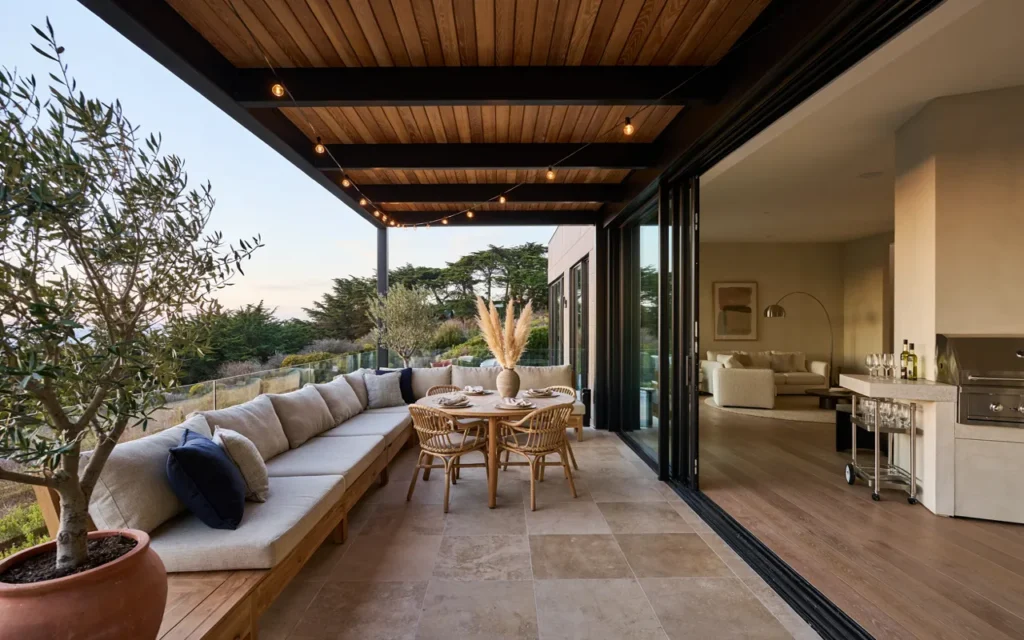
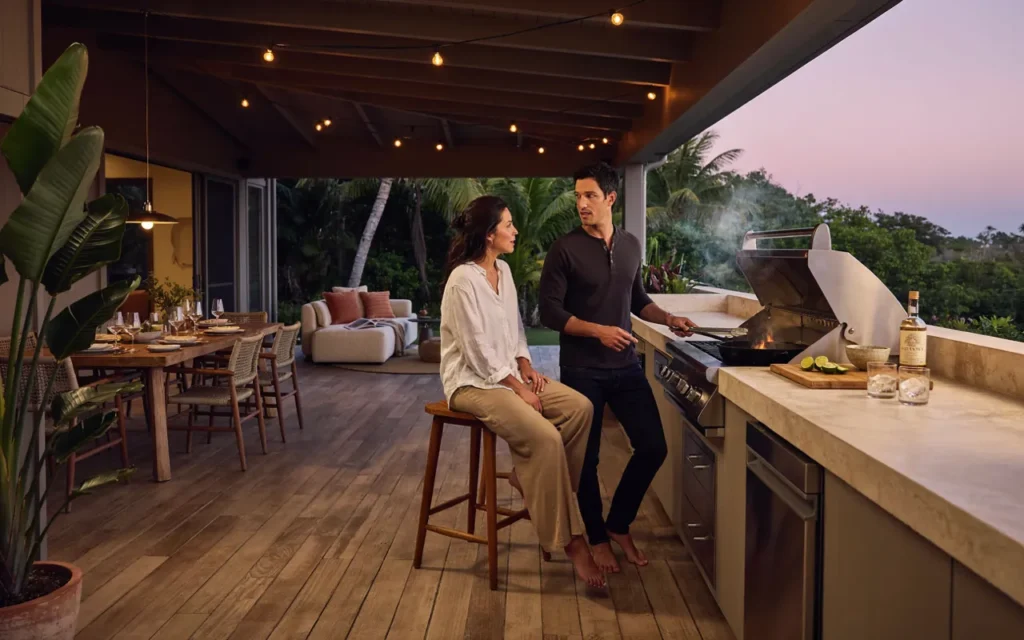
Many lanais are built adjacent to the kitchen or include a built-in outdoor kitchen setup with a grill, counter space, and sometimes a sink. This proximity means the person cooking doesn’t have to walk far from the indoor kitchen to the entertaining area, keeping the host part of the conversation instead of isolated at a grill on the far end of the yard. It also cuts down on the back-and-forth trips for utensils, condiments, and serving dishes that tend to disrupt the flow of a gathering hosted farther from the kitchen.
7. It Provides a More Private Entertaining Environment
Screens and roof structures naturally create more visual and acoustic separation from neighboring yards compared to a fully open patio. This added sense of enclosure makes guests feel more comfortable relaxing and socializing without the feeling of being fully visible to the surrounding neighborhood, which matters more than most people expect when hosting a longer, more relaxed gathering.
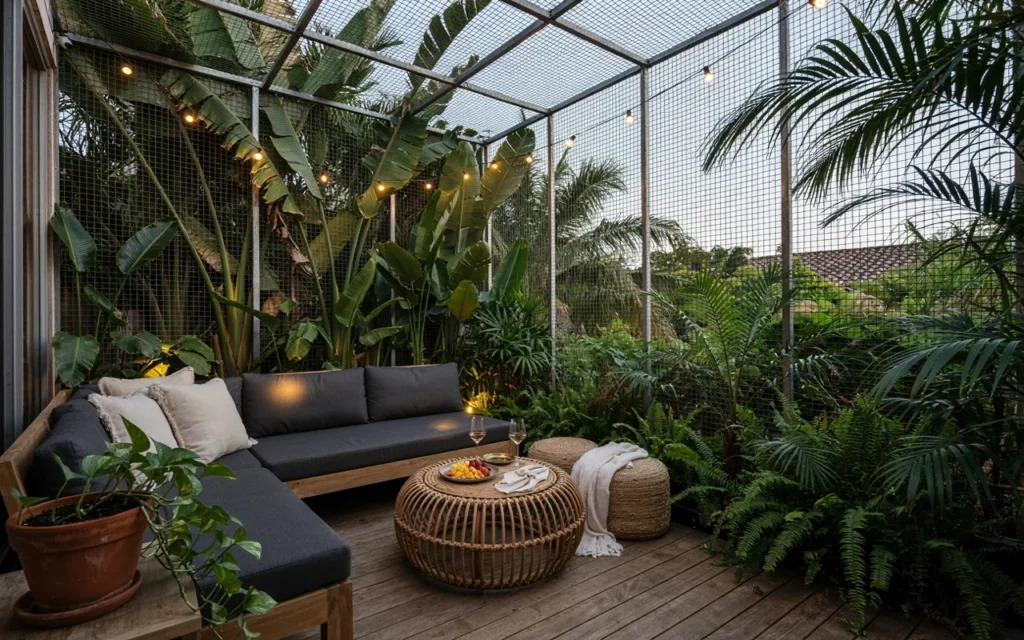
8. It Allows for Layered, Ambient Lighting Design
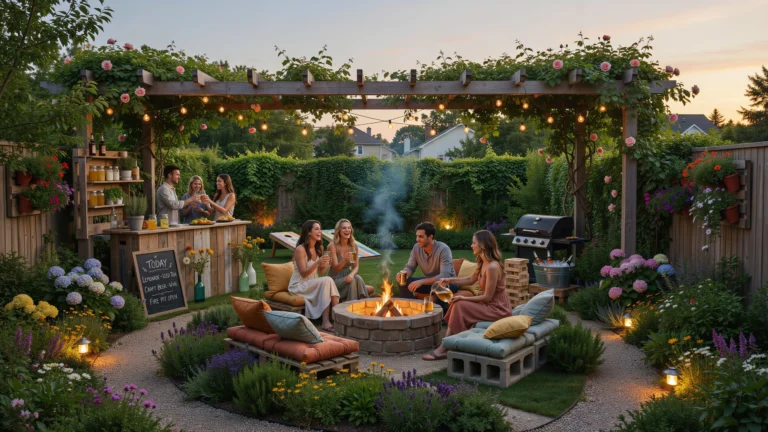
Because a lanai has a solid roof structure, it’s far easier to install permanent lighting fixtures, string lights, ceiling fans with light kits, or recessed lighting, the same way you would in an interior room. Open patios typically rely on portable lanterns or solar lights, which rarely create the same cohesive, layered lighting effect that makes an evening gathering feel genuinely designed rather than improvised.
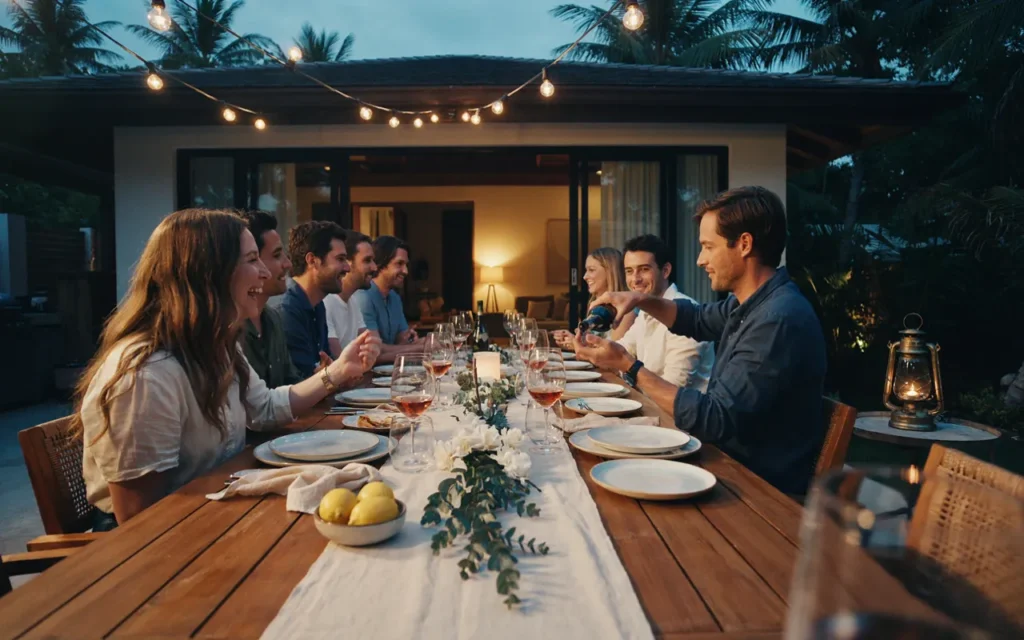
9. It Increases Your Home’s Usable Square Footage
A well-designed lanai effectively adds livable square footage to your home without the cost of a full interior addition. For entertaining purposes specifically, this means you can comfortably host more guests across both your interior and lanai space simultaneously, rather than cramming everyone into a single indoor room during a large gathering. This flexibility also makes year-round hosting easier, since you can shift the primary gathering space between indoors and the lanai depending on the season.
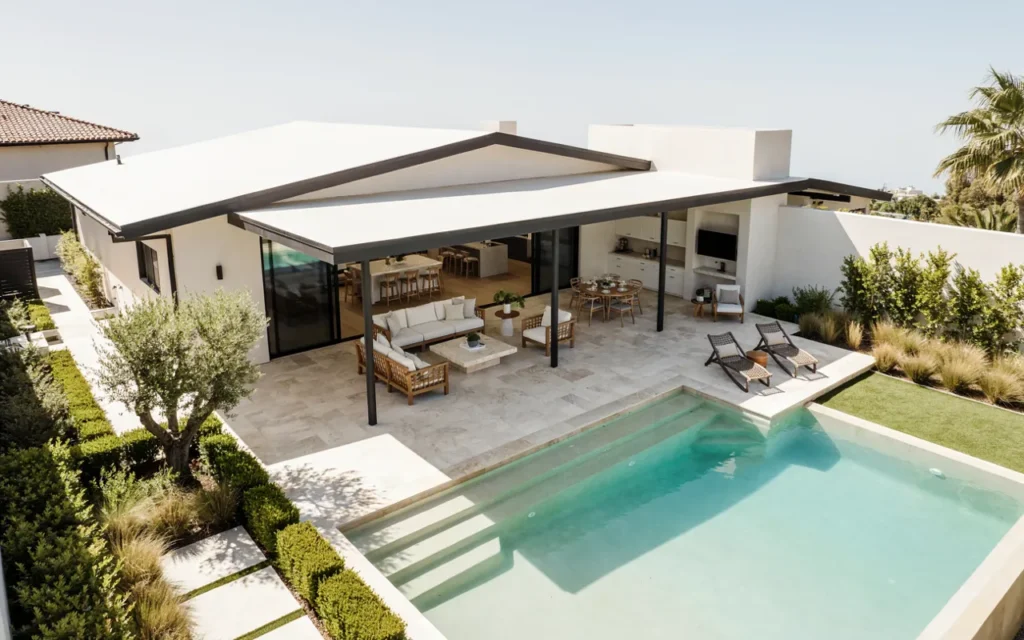
10. It Adds Long-Term Value to Your Property
Beyond the entertaining benefits, a lanai is widely recognized by real estate professionals as a feature that increases home value, particularly in warm-climate regions where outdoor living space is highly desirable. This means the investment in your entertaining space also functions as a practical improvement to your home’s resale appeal, unlike temporary furniture or decor upgrades that don’t carry the same long-term return. Unlike a portable gazebo or seasonal shade structure, a permanent lanai is factored into a home’s overall square footage and listing appeal, which is a meaningful distinction for anyone weighing the upfront cost against the long-term benefit.
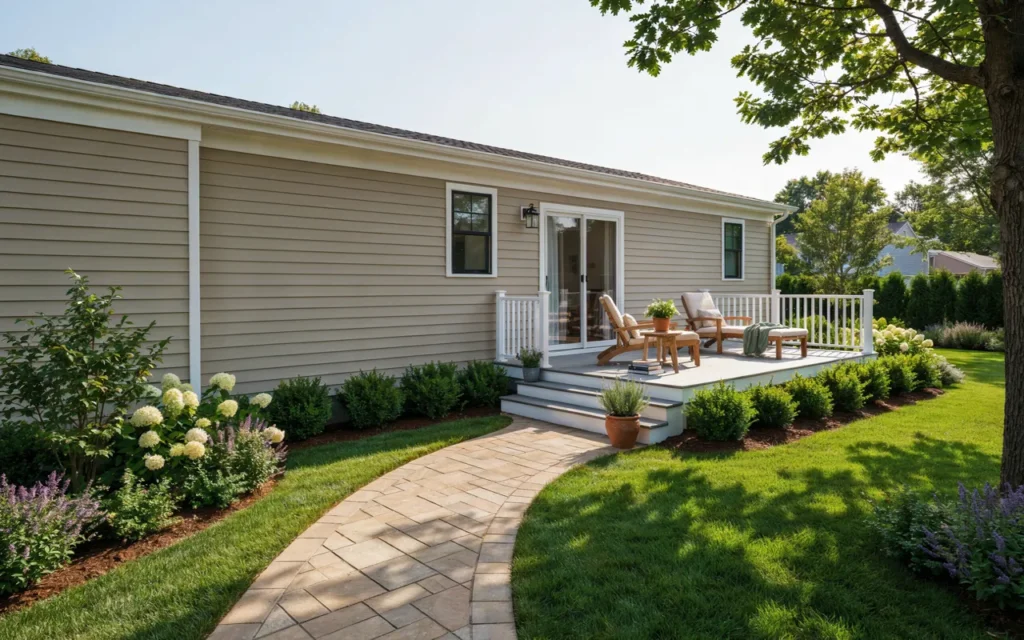
How to Choose the Right Lanai Size and Layout for Entertaining
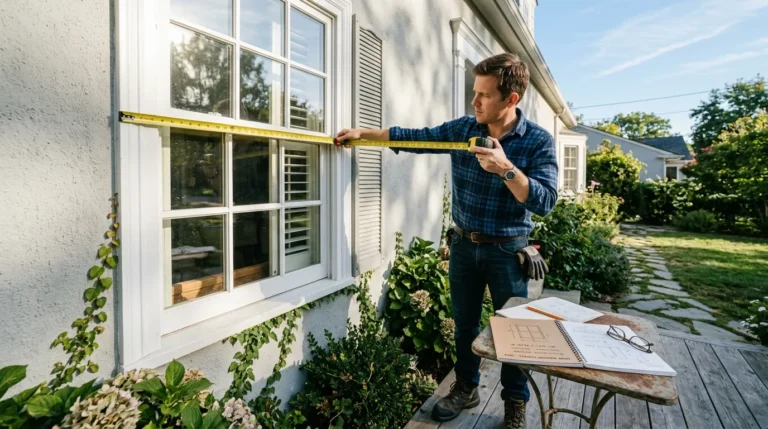
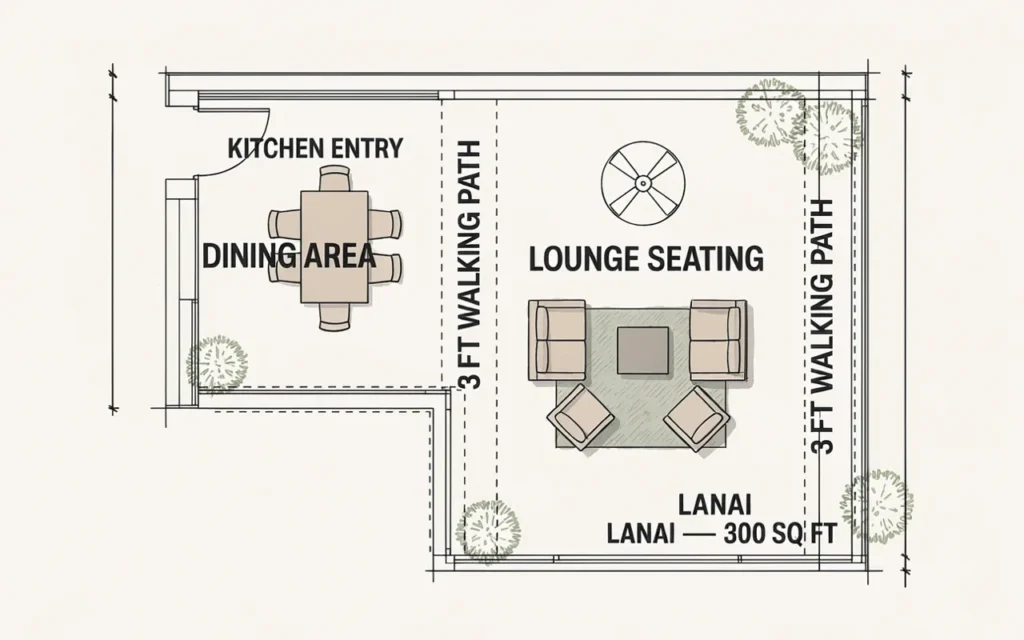
The right lanai size depends heavily on how many guests you typically host and what activities you want the space to support. A compact lanai in the 150 to 250 square foot range works well for intimate gatherings of four to eight people and typically fits a dining table or a small lounge seating arrangement, but not both comfortably. A mid-size lanai between 250 and 400 square feet allows for distinct zones, such as a separate dining area and a lounge seating area, which is ideal for gatherings of eight to fifteen guests. Anything above 400 square feet moves into the range where a full outdoor kitchen, a dedicated bar area, and multiple seating zones can coexist comfortably, making it suitable for larger parties or regular entertaining. When planning layout, keep at least three feet of clear walking space around furniture groupings, and position the dining or bar area closest to the kitchen entry point to minimize the distance a host needs to travel while serving guests. It’s also worth mapping out your layout on paper before purchasing furniture, since it’s far easier to adjust a floor plan sketch than to return an oversized sofa that doesn’t leave enough room for guests to move comfortably.
Popular Lanai Design Styles for Entertaining
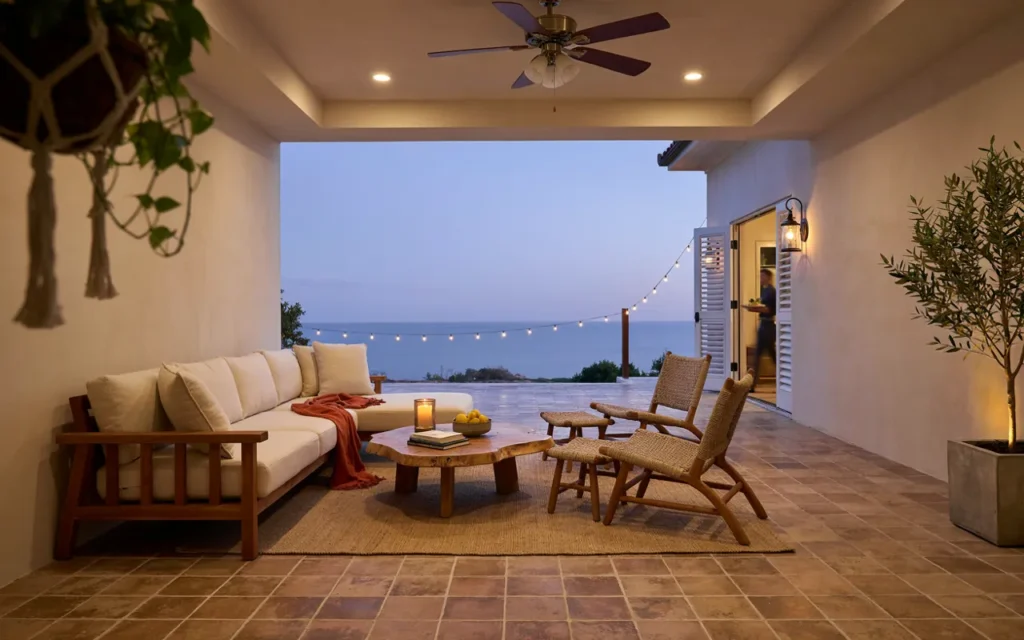
The right design style for your lanai depends on both your home’s existing architecture and the kind of entertaining you plan to do most often. A coastal or tropical style lanai typically uses light wicker or rattan furniture, ceiling fans, and airy white or natural fabric tones, which suits homes near the coast or in humid climates where a breezy, relaxed feel is the priority. A modern minimalist style favors clean-lined furniture in neutral tones, often paired with a sleek concrete or large-format tile floor, and works well for hosts who prefer a more sophisticated, uncluttered entertaining backdrop. A rustic or farmhouse style lanai leans on wood beam ceilings, warm lighting, and natural textures like woven baskets or stone accents, creating a cozy atmosphere that suits longer, more casual gatherings. Finally, an entertainment-focused layout prioritizes function over aesthetic, built around a bar cart or built-in counter, a large dining table, and durable, easy-to-clean furniture, ideal for hosts who entertain frequently and need the space to perform first and look polished second.
Common Lanai Entertaining Mistakes
Underestimating furniture scale. Furniture that looks appropriately sized in a showroom often looks small once placed in a lanai’s larger open footprint. Measure your space and favor slightly larger pieces than you think you need.
Skipping a ceiling fan. Even with a roof for shade, stagnant air on a warm evening can make a lanai uncomfortable. A ceiling fan dramatically improves comfort for a relatively small investment.
Ignoring flooring maintenance. Tile and stone flooring can become slippery when wet, especially near an entertaining area with drink spills. Choosing a textured, slip-resistant finish prevents this from becoming a safety issue.
Overlooking screen door placement. A single, awkwardly placed screen door can create a bottleneck during a gathering. Plan door placement around your expected guest traffic flow, not just the existing layout of the yard.
Neglecting lighting layers. Relying on a single overhead light source leaves a lanai feeling flat after dark. Combining ambient, task, and accent lighting creates a far more inviting evening atmosphere.
Frequently Asked Questions
What is the difference between a lanai and a patio? A patio is typically an open, uncovered outdoor space, while a lanai has a permanent roof structure and is often screened in on the open sides. This gives a lanai significantly more weather protection, shade, and usability across different seasons compared to a standard patio.
Is a lanai worth adding to a home for entertaining purposes? For most warm-climate homes, yes. A lanai extends usable entertaining time across more of the year, protects gatherings from sudden weather changes, and functions as genuine additional living space rather than just decorative outdoor seating.
Do all lanais need to be screened in? No, some lanais are open-air with just a roof structure, while others are fully screened. Screening is most valuable in regions with significant insect activity, but even an unscreened lanai still provides meaningful shade and rain protection benefits.
How big should a lanai be for hosting guests? For intimate gatherings of four to eight people, 150 to 250 square feet is usually sufficient. Larger gatherings of ten or more guests generally benefit from at least 300 to 400 square feet to comfortably fit separate dining and lounge zones.
Can a lanai include a kitchen or grill area? Yes, many lanais incorporate a built-in outdoor kitchen with a grill, counter space, and sometimes a sink, which keeps the cooking area close to the entertaining space and allows the host to stay engaged with guests while preparing food.
Does adding a lanai increase home value? Generally yes, particularly in warm climates where outdoor living space is in high demand. Real estate professionals commonly cite covered outdoor living areas like lanais as a feature that appeals strongly to buyers and can positively impact resale value.
What furniture works best for a lanai entertaining space? Weather-resistant materials like teak, wicker, and powder-coated aluminum hold up well in a lanai’s semi-outdoor environment. Because lanais offer more protection than an open patio, fabric cushions in higher-end materials can also be used more freely than they could on a fully exposed deck.
Do I need a permit to build a lanai? In most areas, yes, since a lanai is considered a permanent structural addition to the home rather than freestanding outdoor furniture. Requirements vary significantly by location, so checking with your local building department before starting construction is an important first step.
Can a lanai be added to an existing patio? In many cases, yes, an existing concrete patio slab can often serve as the foundation for a lanai’s roof structure and screening, which can reduce the overall cost compared to building an entirely new structure from the ground up.