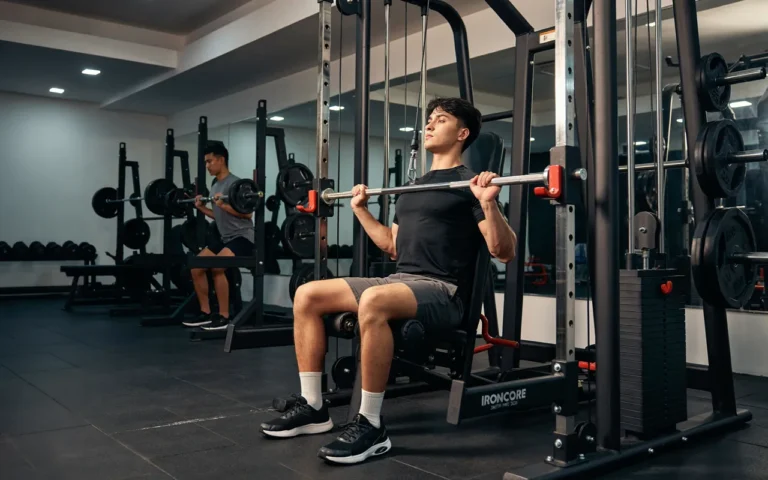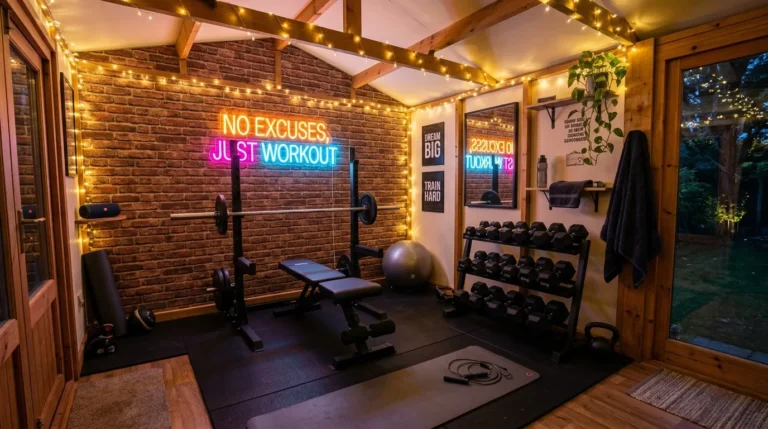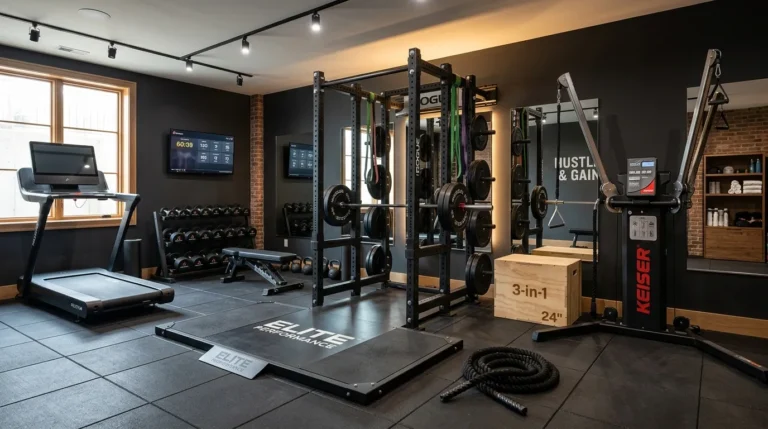
A home gym saves time and money while giving you privacy and flexibility. Start by defining your space, budget, and fitness goals, then choose equipment that matches them. For a dedicated setup, a workout shed renovation covering insulation, flooring, electrical work, and smart storage turns unused backyard space into a fully functional gym you’ll actually use.
If you’re planning your own fitness space, this Home Gym Design Ideas + Workout Shed Renovation Guide provides practical inspiration and step-by-step advice for creating a setup that suits your lifestyle. Skipping the commute, waiting for equipment, and paying monthly membership fees are just a few reasons more people are building gyms at home. Whether you have a spare corner, a cluttered garage, or a backyard shed begging for a second life, you can create a workout space that fits your routine, budget, and long-term fitness goals.
This guide walks you through everything you need to know. You’ll learn the real benefits of training at home, how to plan your setup, and clever design ideas for spaces big and small. Then we’ll dig into a step-by-step workout shed renovation from foundations and insulation to flooring, equipment, and smart tech.
By the end, you’ll have a clear roadmap to build a gym that keeps you motivated for years.
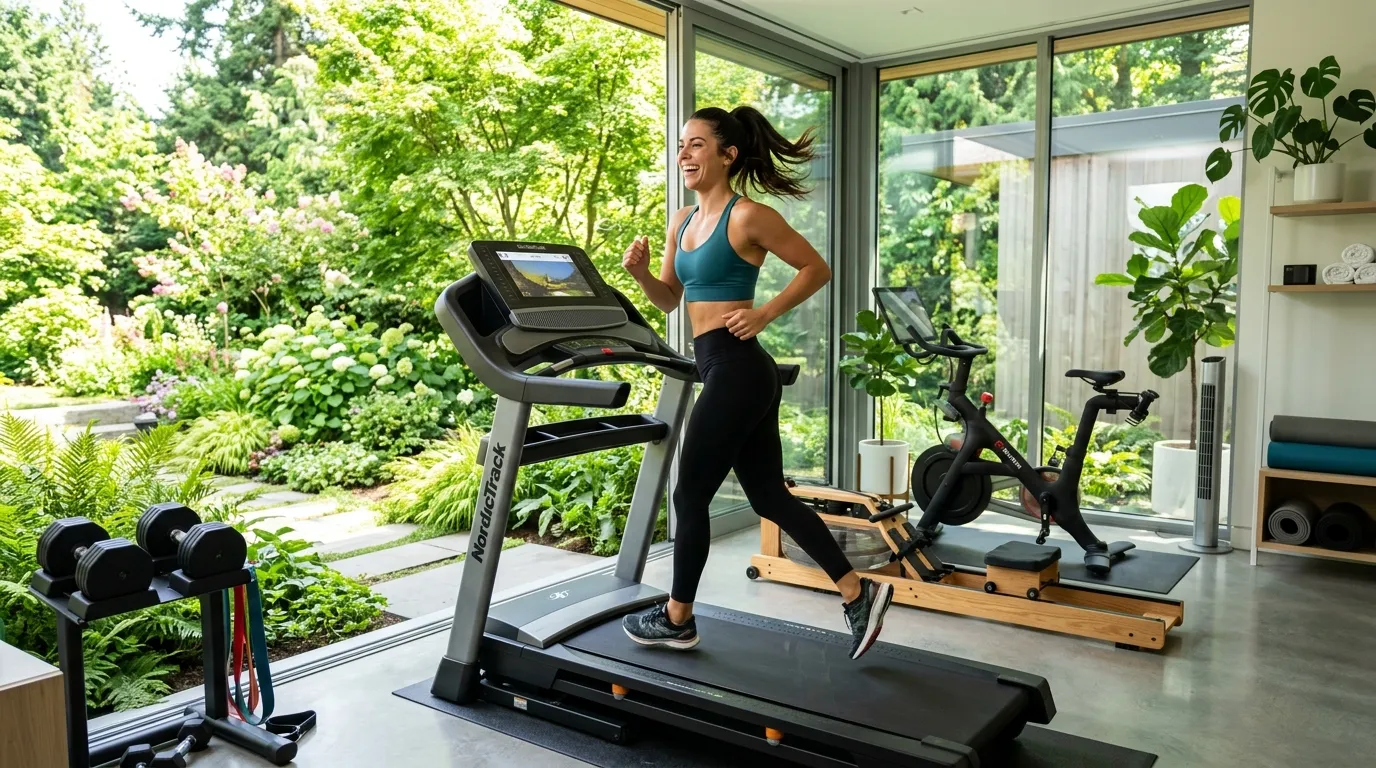
Why are home gyms becoming so popular?
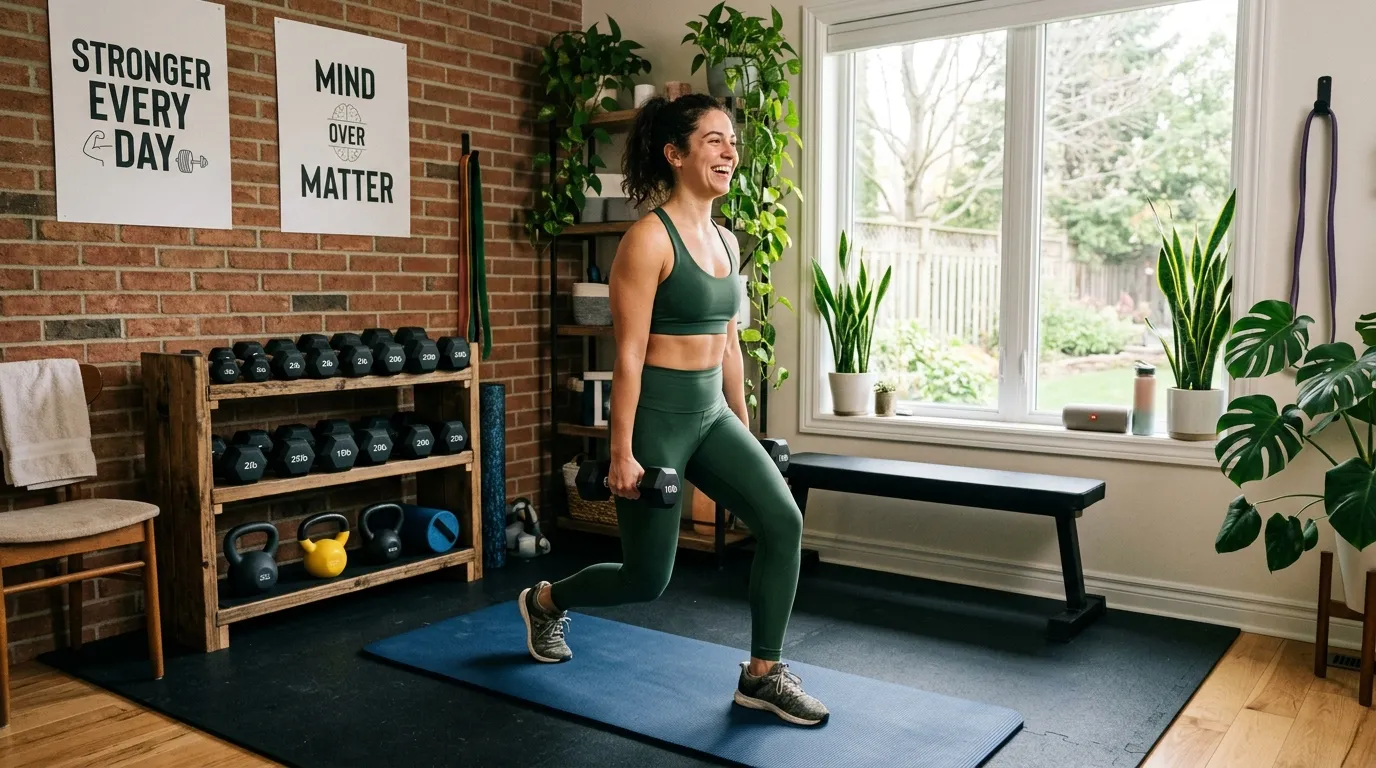
Home gym memberships and equipment sales have surged as people look for ways to stay fit without leaving the house. The appeal is simple: a gym at home removes the friction that stops many of us from working out.
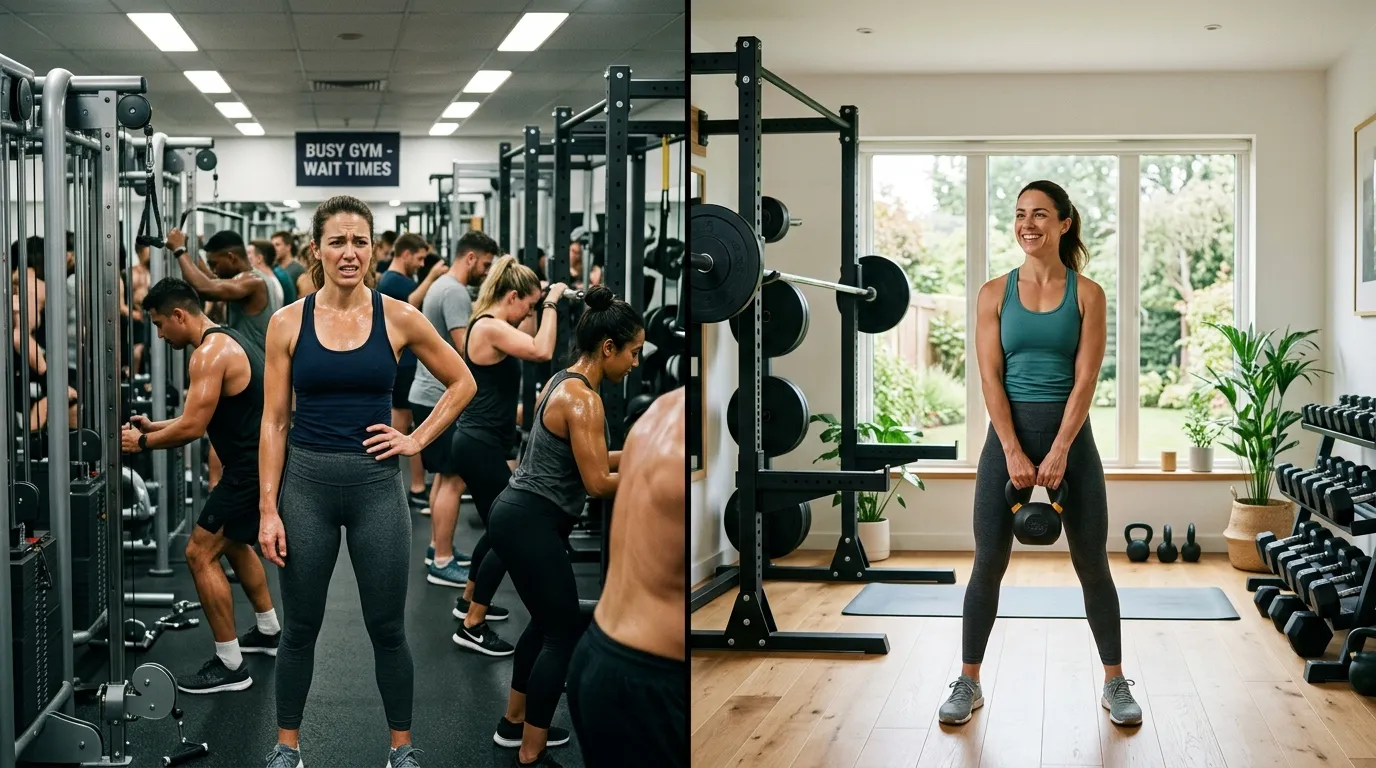
No more driving across town. No more waiting for the squat rack. No more paying for a membership you only use twice a month. When your gym is steps away, exercise becomes part of your daily rhythm instead of a chore you have to schedule around everyone else.
There’s also the freedom factor. You pick the music, set the temperature, and never worry about who’s watching. For parents, shift workers, and anyone with a packed calendar, that flexibility can be the difference between sticking to a routine and giving up.
What are the real benefits of a home gym?
Convenience gets all the attention, but the benefits go much deeper.
You save money over time. A typical gym membership costs $40 to $70 a month. Over a few years, that adds up to thousands of dollars. A one-time investment in quality equipment often pays for itself within 18 to 24 months.
You save time. The average round trip to a commercial gym driving, parking, changing eats up 30 to 45 minutes before you even start. At home, you go from couch to kettlebell in seconds.
You work out more consistently. Studies on exercise habits show that convenience is one of the strongest predictors of sticking with a routine. The easier it is to start, the more often you’ll do it.
You get full privacy. No mirrors full of strangers, no judgment, no waiting your turn. This matters most for beginners who feel self-conscious in crowded spaces.
You control the environment. Clean equipment, your playlist, your air conditioning. You decide everything.
Choose a home gym if convenience and consistency matter more to you than access to a huge variety of machines. If you crave social energy or need specialized equipment you can’t afford, a hybrid approach home gym plus occasional gym visits may suit you better.
How do you plan a home gym?
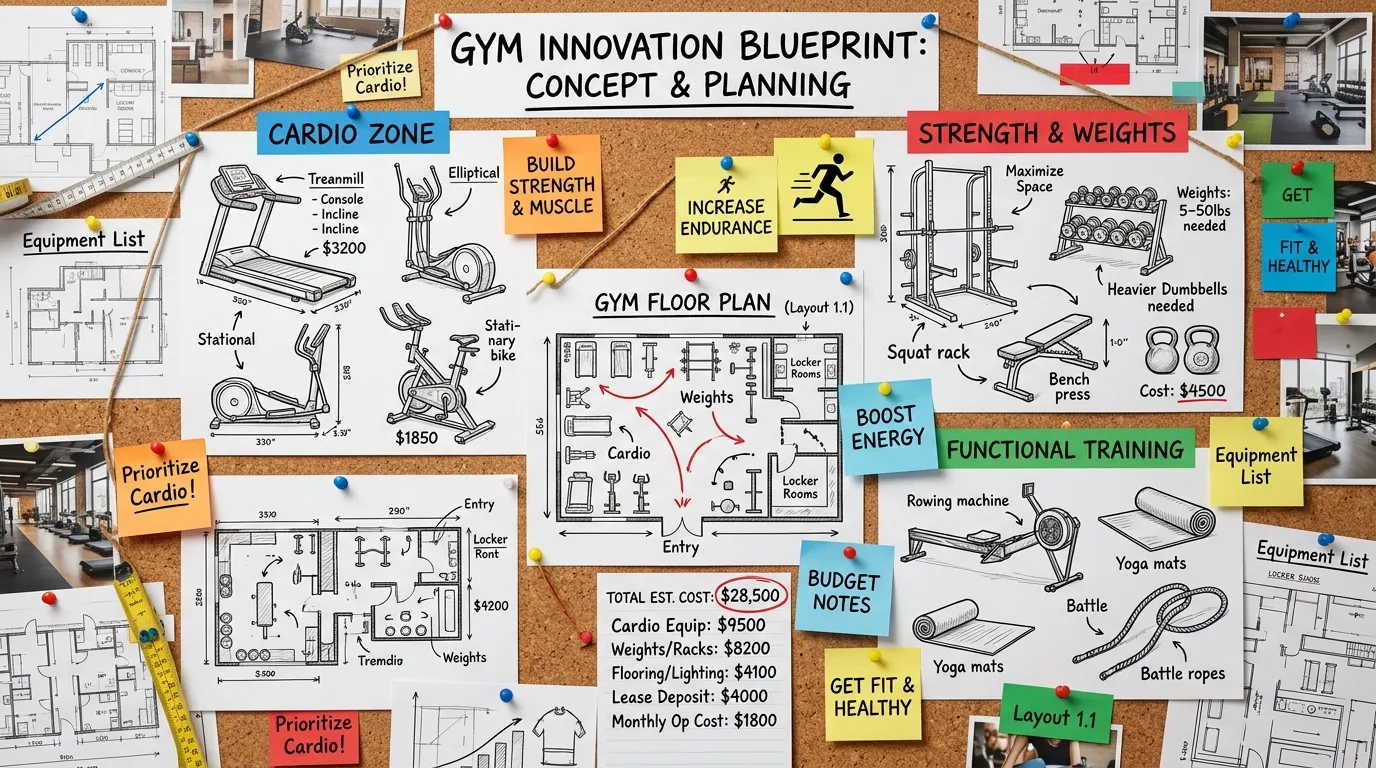
Good planning prevents wasted money and cramped, awkward spaces. Before you buy a single dumbbell, nail down three things.
How do space, budget, and goals shape your home gym?
Start with these three pillars they decide everything else.
Space. Measure your available area in square feet, including ceiling height. Overhead presses and jump rope both need clearance. A corner of a bedroom works for yoga and bodyweight training, while a garage suits heavy lifting.
Budget. Set a realistic number and split it into equipment, flooring, and any renovation costs. You can build a solid starter gym for $300 to $500. A premium setup with racks and machines can run $3,000 or more.
Goals. Your fitness goals decide your gear. Want to build strength? Prioritize weights and a rack. Focused on mobility and cardio? A mat, resistance bands, and a jump rope go a long way. Be honest about what you’ll actually do, not what looks impressive.
Write these down before shopping. A clear foundation keeps you from impulse-buying equipment that collects dust.
What equipment do you really need?
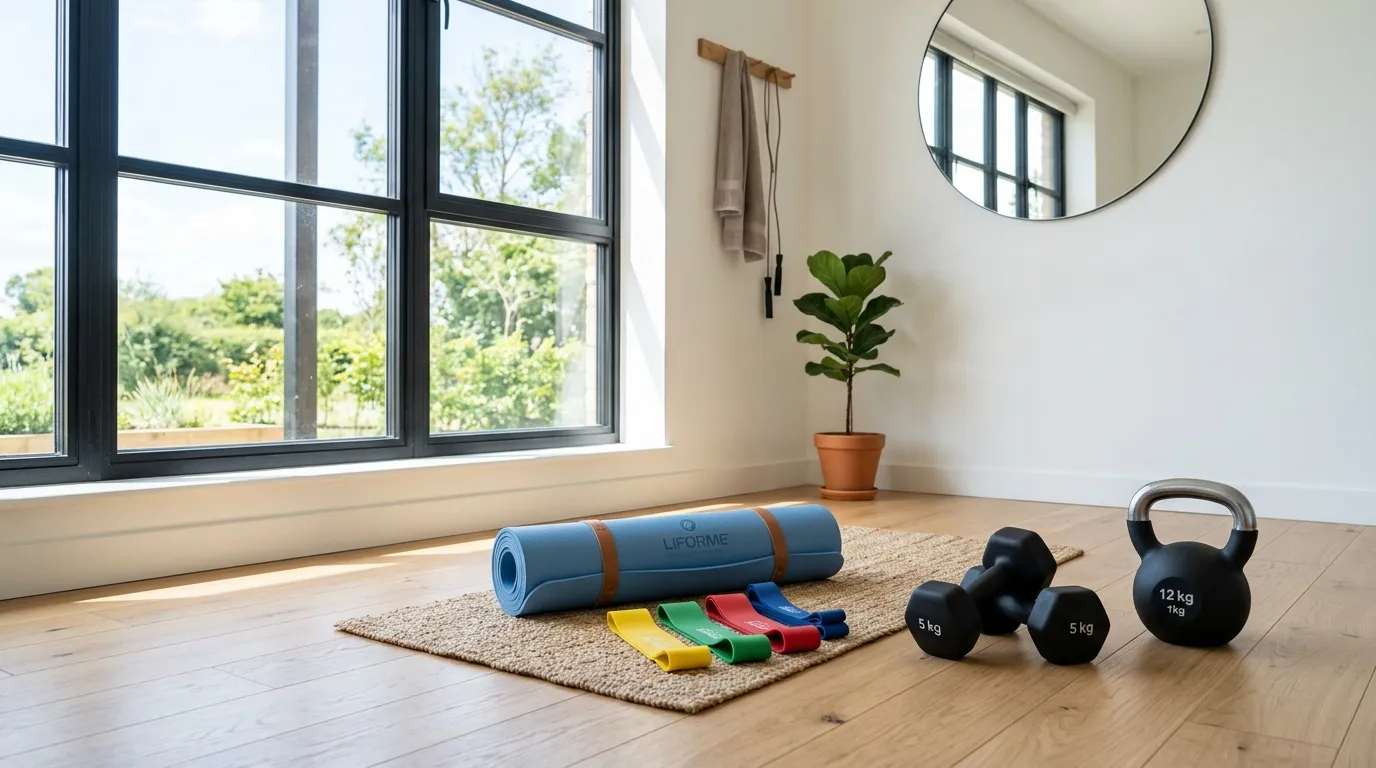
You need far less than the fitness industry wants you to believe. A versatile, beginner-friendly setup includes:
- A yoga mat for floor work, stretching, and core exercises
- Resistance bands for strength training that’s easy on the joints and storage
- A pair of adjustable dumbbells to cover dozens of exercises in one compact tool
- A kettlebell for swings, squats, and full-body conditioning
This combination costs a few hundred dollars and covers strength, mobility, and cardio. Add a pull-up bar and an adjustable bench as your next upgrades. Resist the urge to fill the room empty floor space is valuable for movement.
What are the best home gym design ideas for any space?
Your space shapes your design. Here’s how to make the most of four common setups.
How do you build a home gym in a small space?
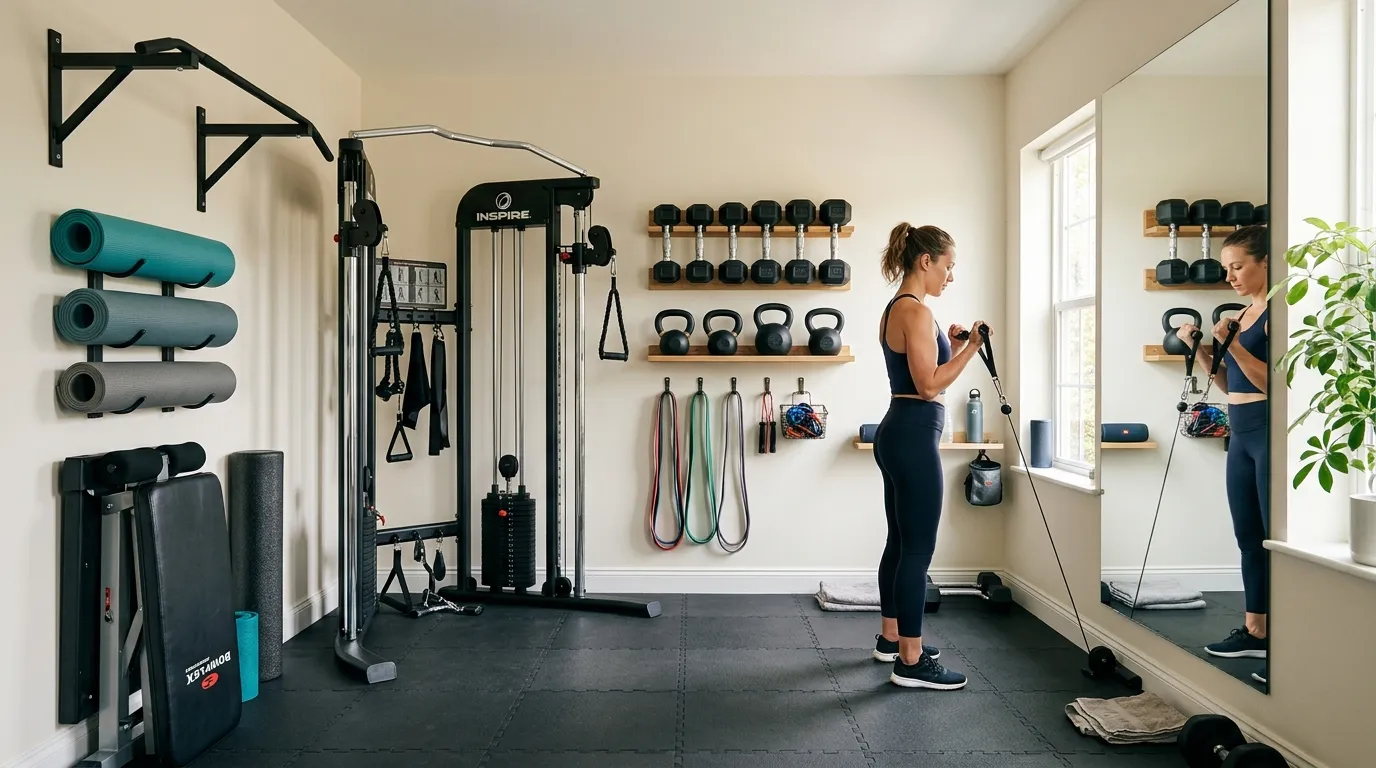
Small rooms reward smart thinking. Use wall-mounted storage to keep the floor clear, and choose multi-functional equipment like adjustable dumbbells and folding benches. A fold-down wall rack or a doorway pull-up bar gives you strength training without permanent bulk.
Mirrors make tight spaces feel larger and help you check your form. Vertical storage pegboards and wall hooks keeps bands, ropes, and mats off the ground.
Choose a small-space setup if you live in an apartment or want to keep your gym tucked into a multi-use room.
How do you turn a garage into a gym?
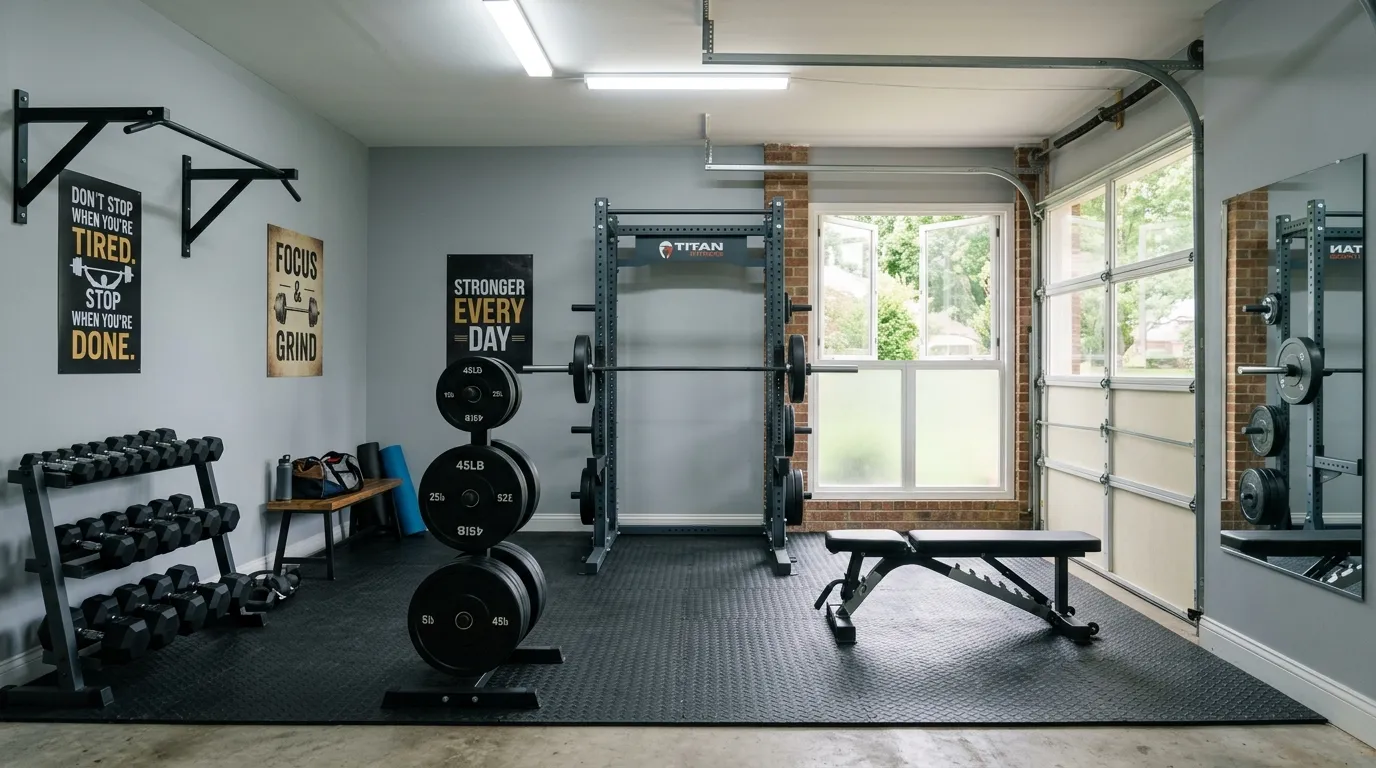
Garages are the most popular home gym location, and for good reason. They offer high ceilings, a concrete floor that handles heavy weights, and enough room for a full power rack.
Lay rubber flooring to protect both your equipment and the concrete. Add a squat rack, a barbell, and weight plates for serious strength work. Insulate the garage door if you live somewhere with harsh winters or hot summers, and add a fan or portable heater for comfort.
A garage gym suits anyone focused on powerlifting or building a complete strength setup without renovating their home’s interior.
How do you design a dedicated home gym room?
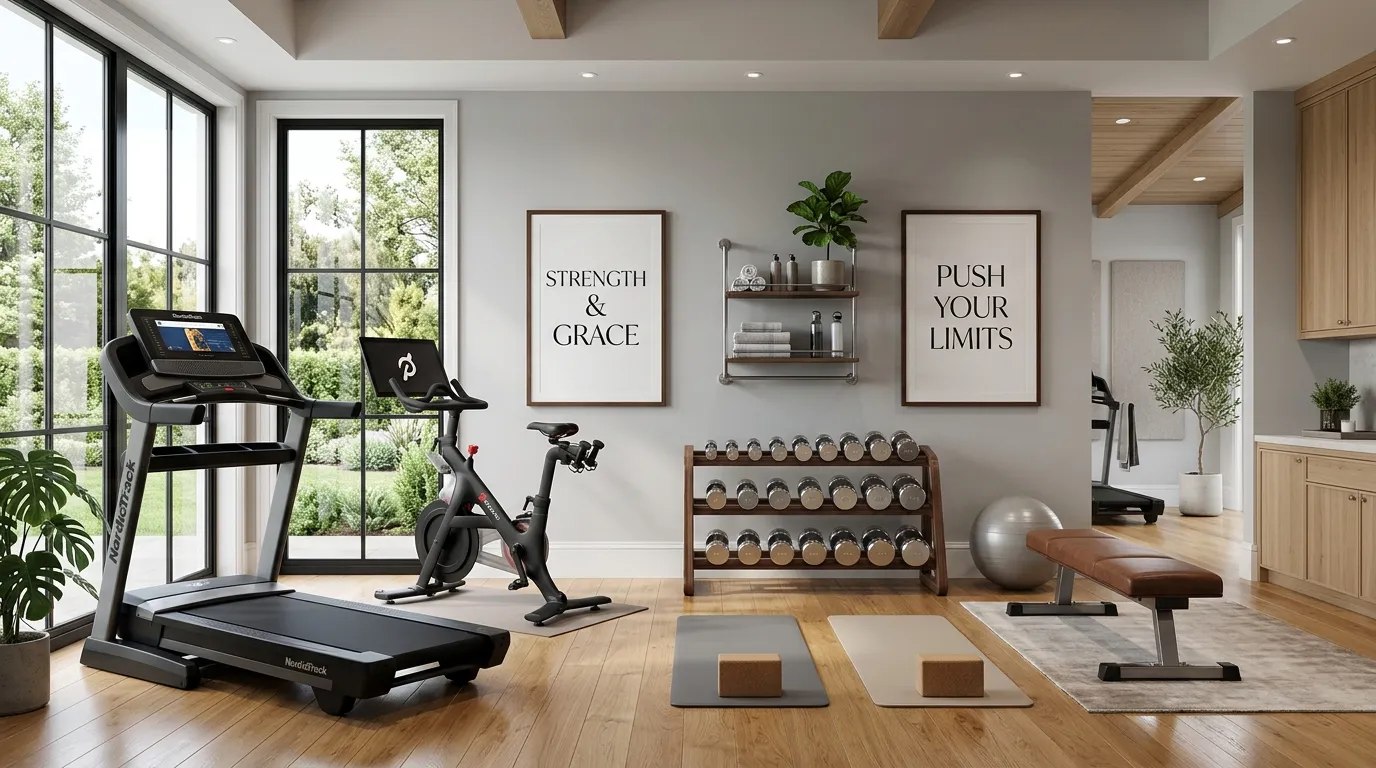
If you have a spare bedroom or basement to spare, a dedicated room becomes your fitness sanctuary. This is where design meets motivation.
Lay durable wood or rubber flooring, hang motivational art, and invest in equipment that fits your goals. Good lighting both natural and artificial keeps the space energizing. A sound system or smart screen rounds out the experience.
A dedicated room makes sense if fitness is central to your lifestyle and you have the space to commit fully.
Can you build an outdoor gym?
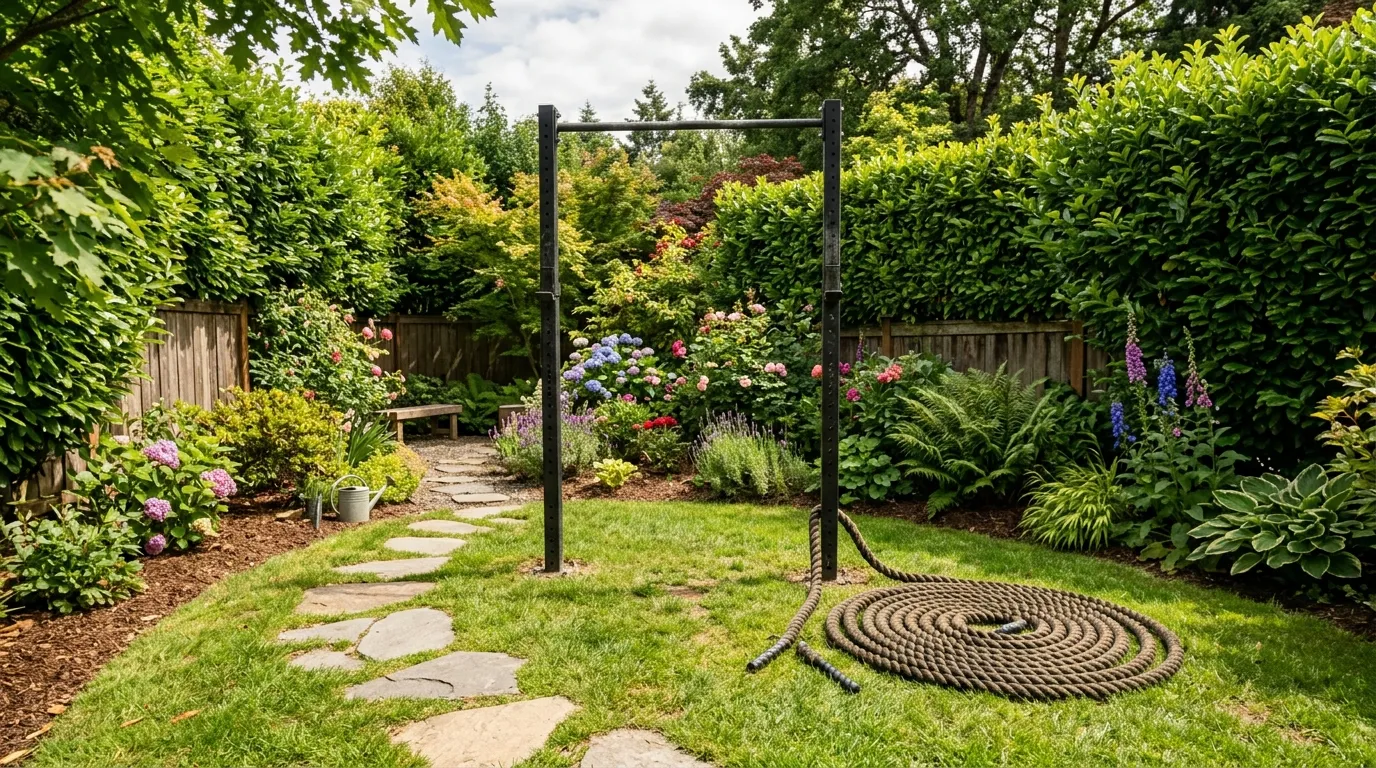
Training outside connects you with fresh air and natural light, both of which boost mood and energy. A backyard setup can include a pull-up bar, battle ropes, gymnastics rings, and a flat area for bodyweight work.
Use weatherproof equipment and store anything sensitive under cover. Natural landscaping and a stable, level surface pavers or rubber tiles keep the space safe and inviting.
An outdoor gym works best in mild climates or as a seasonal complement to an indoor setup.
How do you renovate a shed into a workout space?
A backyard shed offers the privacy of a dedicated room without sacrificing space inside your house. Here’s how to transform one in three phases.
Phase 1: How do you plan and prepare a workout shed?
Preparation makes or breaks the project. Skip these steps, and you’ll pay for it later.
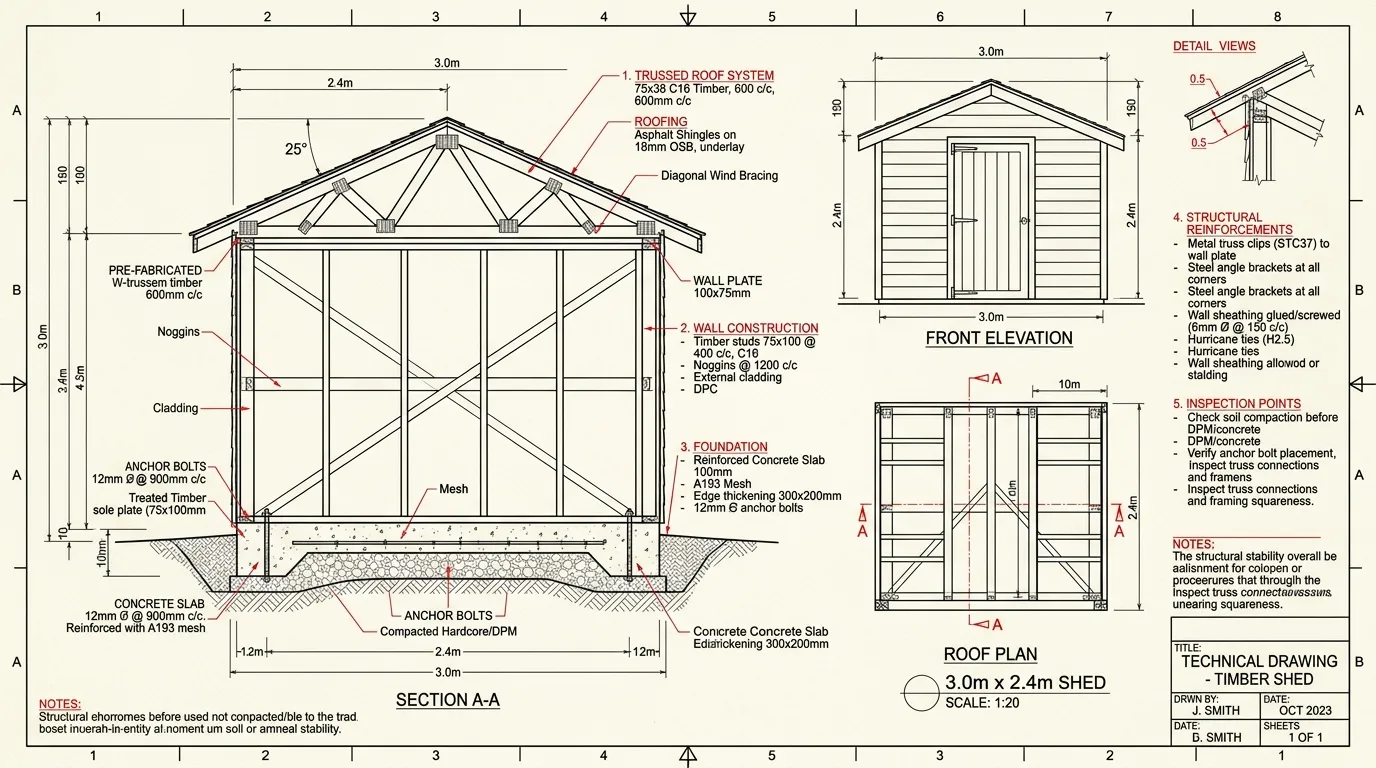
Structural integrity and foundations. Inspect the shed for rot, leaks, and a level, stable base. Heavy equipment and dropped weights put stress on the floor, so reinforce the foundation if needed. A solid concrete or reinforced wood base is non-negotiable for a lifting space.
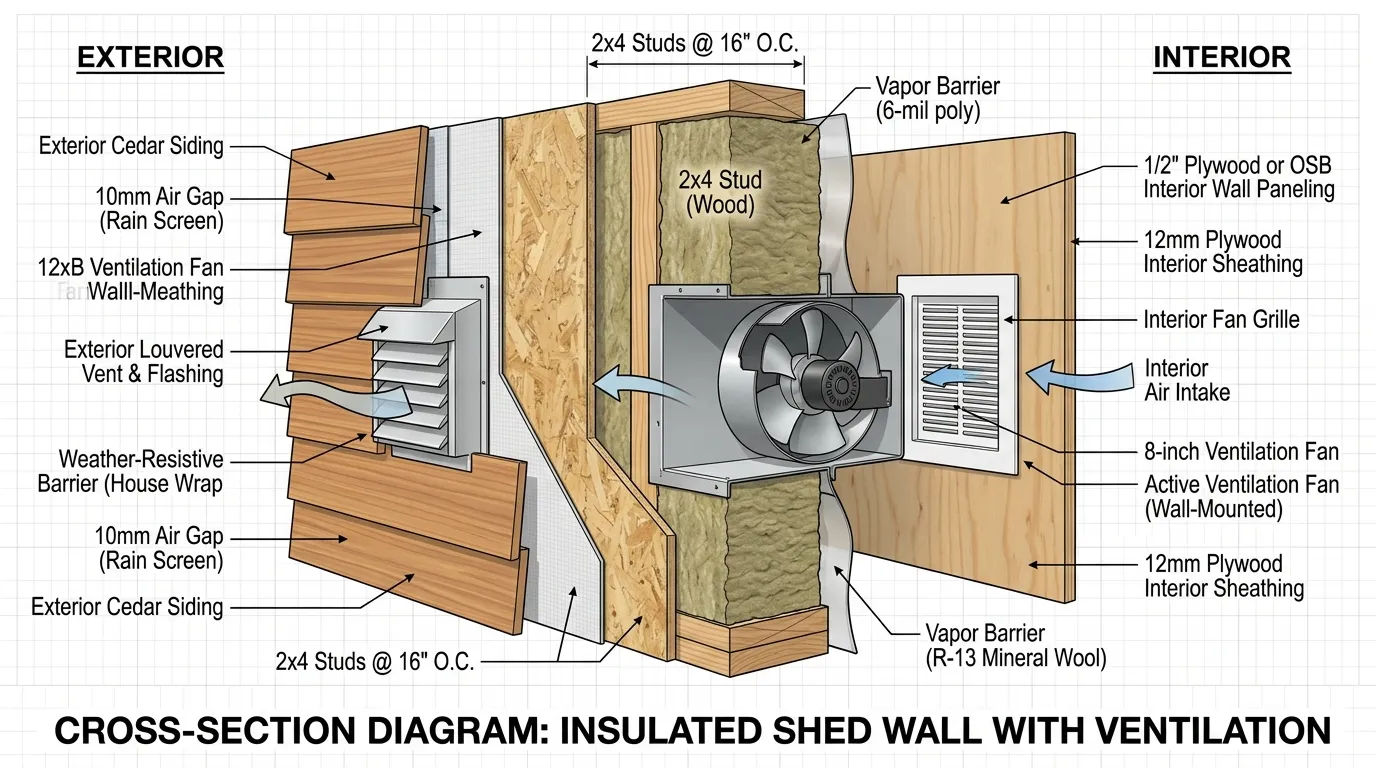
Insulation and ventilation. Insulate the walls, roof, and floor so you can train comfortably year-round. Good ventilation an exhaust fan or operable windows controls humidity and keeps the air fresh. Without it, sweat and condensation can damage equipment and breed mold.
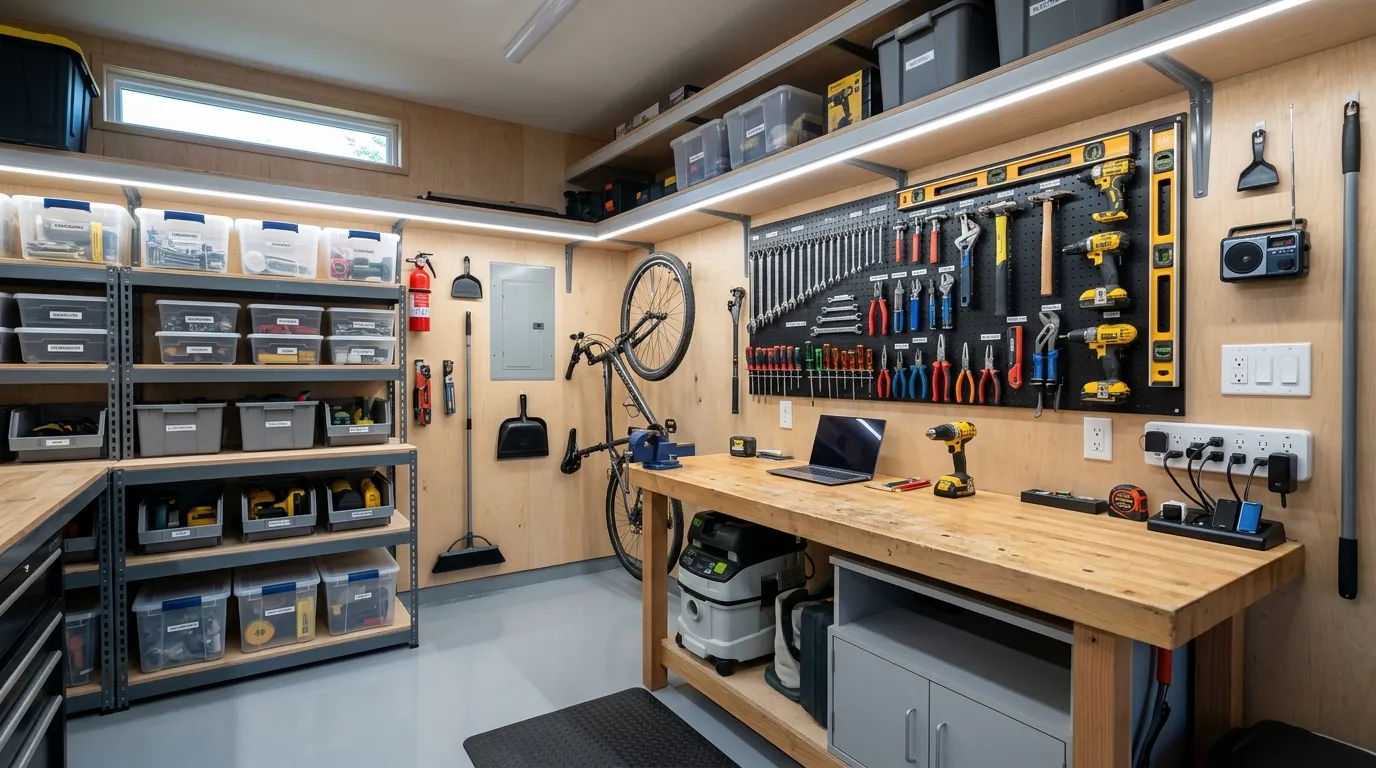
Electrical and lighting. Run proper wiring for outlets, lights, and any tech you plan to add. Hire a licensed electrician for safety and code compliance. Bright LED lighting keeps the space safe and motivating, especially for early-morning or evening sessions.
Phase 2: How do you design the interior and choose flooring?
With the structure sound, focus on surfaces that perform and inspire.
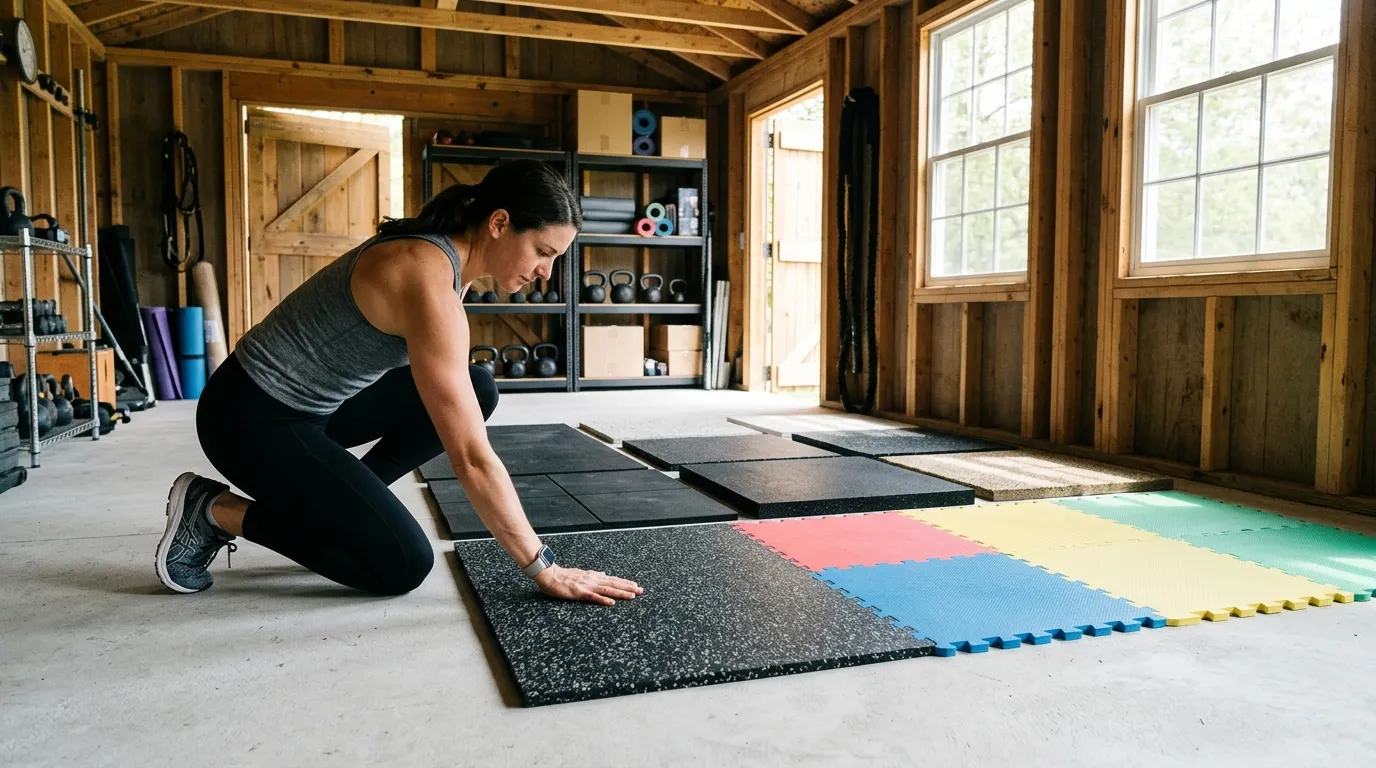
Flooring choices. Your floor takes the most abuse, so choose wisely. Rubber mats absorb impact and protect both equipment and your joints. Interlocking foam tiles cost less and suit lighter workouts. For a lifting-focused shed, thick rubber over a solid subfloor is the gold standard.
Walls and ceiling. Paint the walls a bright, clean color to make the space feel larger and more inviting. Add motivational quotes or art to keep your energy up. Reinforce the ceiling joists if you plan to mount a pull-up bar or gymnastics rings.
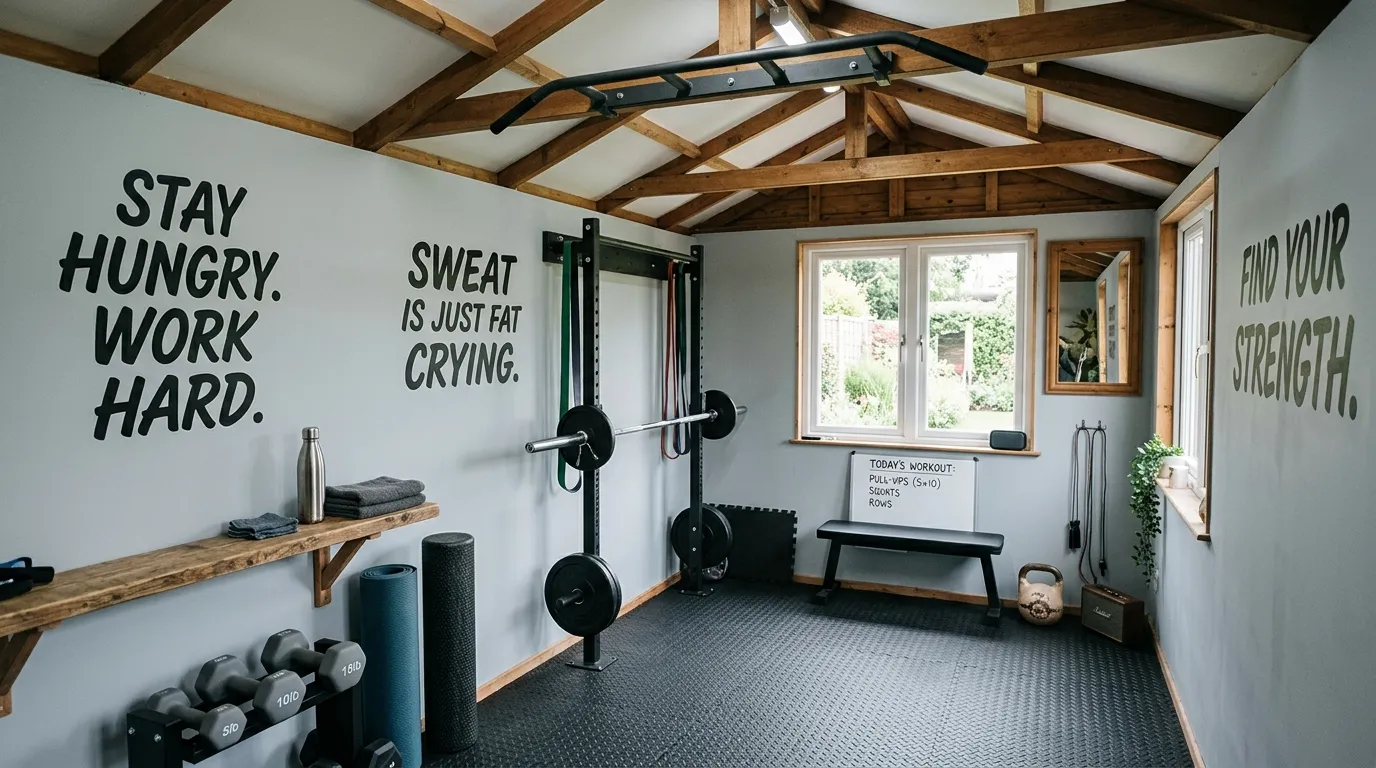
Phase 3: How do you install equipment and add finishing touches?
Now for the fun part turning an empty shed into a working gym.
Strategic equipment placement. Arrange your gear for smooth, safe movement. Leave clear space around your rack and lifting area, and keep cardio equipment where it won’t block your path. Think about your workout flow before you bolt anything down.
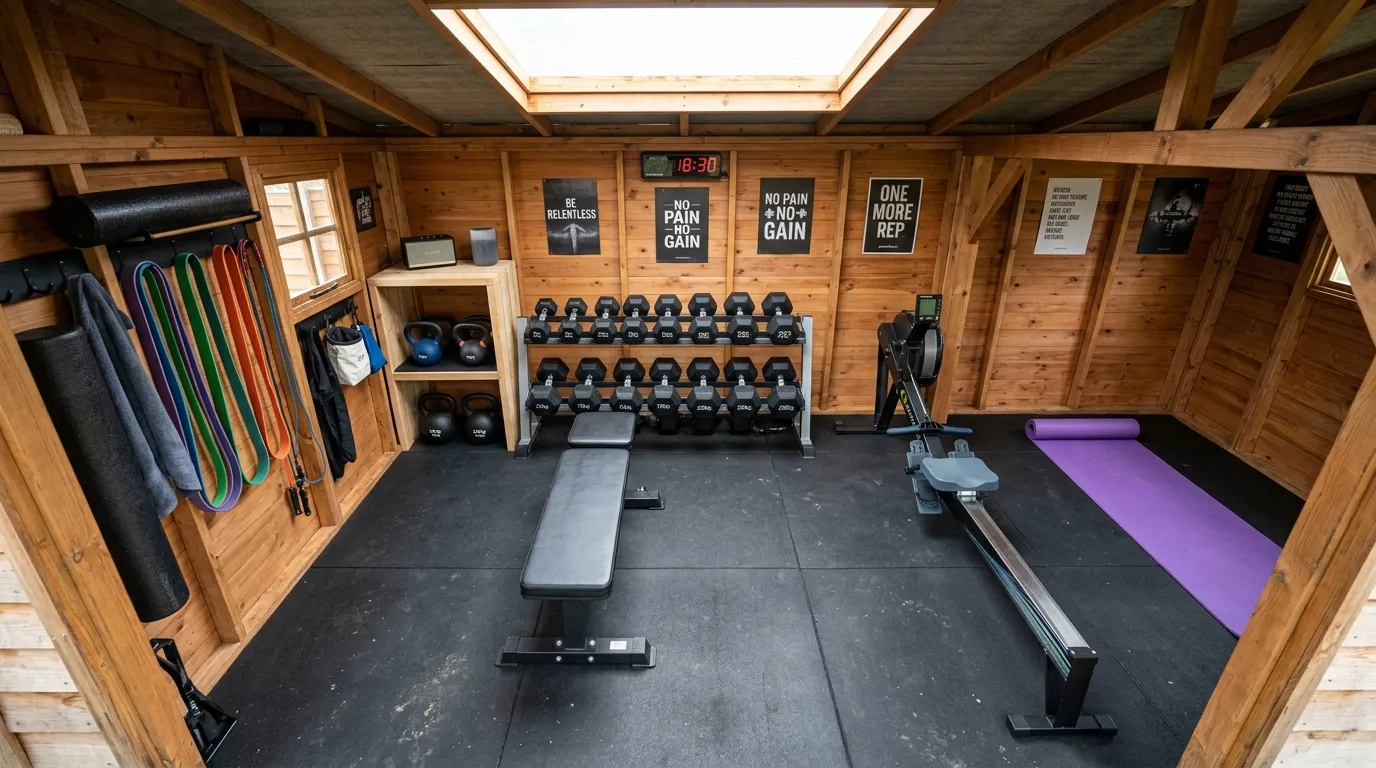
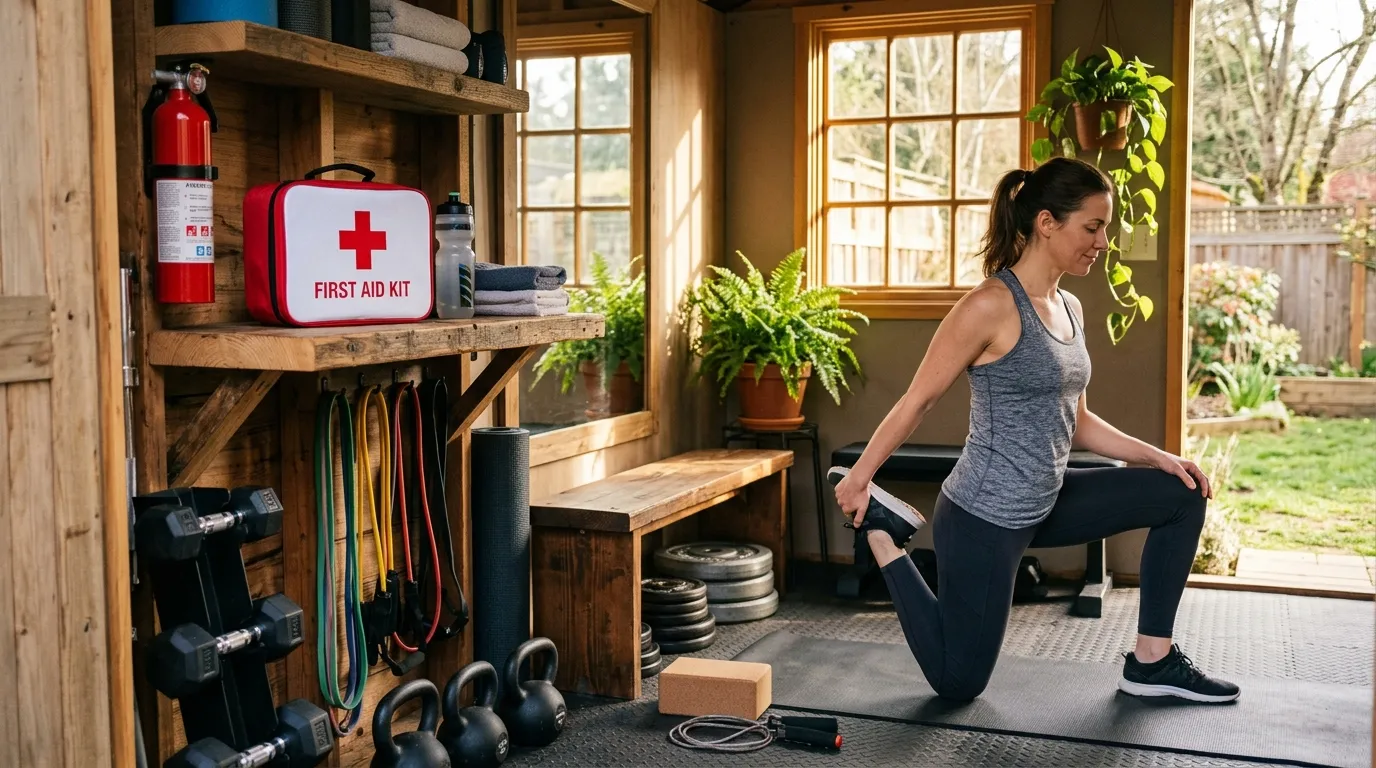
Storage solutions. Wall-mounted shelves, hooks, and a corner weight rack keep your space tidy and safe. Stored gear means fewer tripping hazards and a cleaner, more inviting room. Vertical storage frees up floor space for movement.
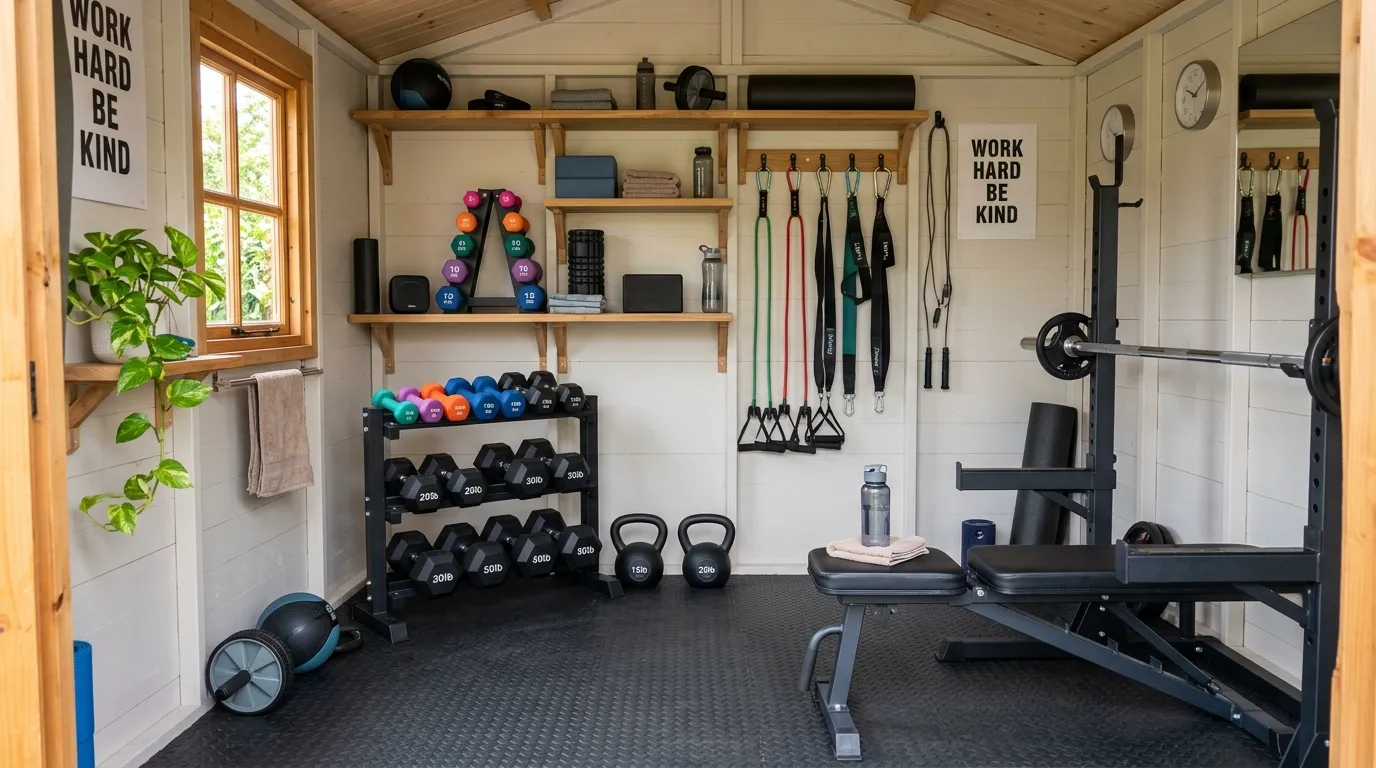
Smart tech integration. A wall-mounted screen lets you follow guided workouts, while smart speakers handle your playlist. Fitness apps and connected equipment track your progress and keep you accountable. Add only the tech you’ll genuinely use a screen and good speakers are enough for most people.
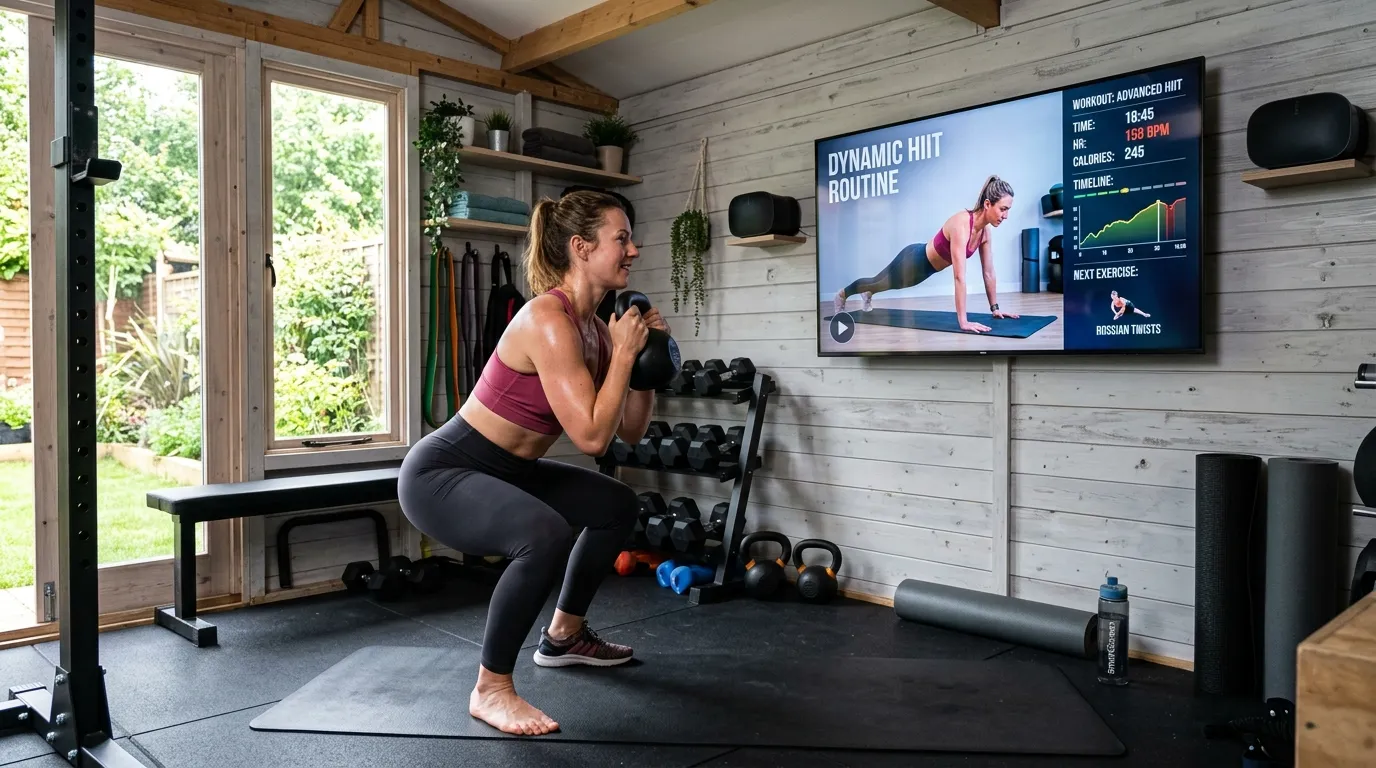
How do you maintain and stay safe in a home gym?
A gym is an investment, and a little care keeps it safe and long-lasting.
Regular cleaning and equipment care. Wipe down equipment after each session to prevent rust and bacteria. Check bolts, cables, and moving parts regularly, and lubricate them as needed. Clean floors stay grippy and safe.

Safety protocols and injury prevention. Keep a first-aid kit in plain sight and always warm up before lifting. Use proper form, and consider a phone or alert system nearby if you train alone with heavy weights. Good lighting and clear walkways prevent most accidents.
Start building your home gym today.
A home gym pays you back every single day in time saved, money kept, and workouts you actually finish. The key is to match your space, budget, and goals before you spend a dollar, then build out from there.
Begin small. Grab a mat, some bands, and a pair of adjustable dumbbells, and start moving. As your routine grows, expand into a garage setup or a fully renovated shed with insulation, smart flooring, and the tech that keeps you coming back.
Your healthier, stronger self is just a few steps away literally. Pick your space, sketch a plan, and take the first step this week.

Frequently asked questions
How much does it cost to build a home gym?
A basic home gym with a mat, resistance bands, adjustable dumbbells, and a kettlebell costs $300 to $500. A mid-range setup with a bench and pull-up bar runs $800 to $1,500. A premium gym with a power rack, barbell, and plates can exceed $3,000. Most people recoup the cost within two years compared to a monthly membership.
How long does a workout shed renovation take?
A straightforward shed conversion takes two to four weeks, depending on the work involved. Structural repairs, insulation, and electrical wiring add time, especially if you hire professionals. Simpler projects flooring, paint, and equipment setup can be done over a few weekends.
Do you need planning permission for a workout shed?
It depends on your location and the shed’s size. Small, existing sheds usually don’t require permits, but adding electrical wiring, plumbing, or significant structural changes often does. Check with your local council or building authority before starting any renovation.
What is the best flooring for a home gym?
Thick rubber flooring is the best all-around choice. It absorbs impact, protects your equipment and subfloor, and handles heavy weights. Interlocking foam tiles are a cheaper option for yoga, stretching, and light workouts, but they won’t hold up to serious lifting.
Is a home gym worth it for beginners?
Yes. A home gym removes the intimidation of crowded commercial gyms and makes it easy to build a consistent habit. Beginners can start with affordable basics a mat, bands, and dumbbells and expand as their confidence and routine grow.