What Does a Baby Actually Need?
Open any baby registry checklist and you will find two hundred items staring back at you. A wipe warmer. A bottle sterilizer with three settings. A diaper stacker, a diaper caddy, and a diaper pail that needs special bags. A bouncer, a swing, a play gym, and a play mat, even though they all do roughly the same job.
Here is the question worth asking before you buy a single thing, and it sits at the heart of minimalist baby essentials. What does a baby actually need? Not what the store suggests. Not what the gift list assumes. What does a small human being need in the first months of life?
This guide walks through minimalist baby essentials the practical way, not the preachy way. You will get a clear list of what to buy first, a simple one in, one out system that keeps the nursery calm as your baby grows, and a realistic look at vintage toys: which ones are worth hunting for, how to check them for safety, how to clean them, and how to rotate them so your child actually plays with them.
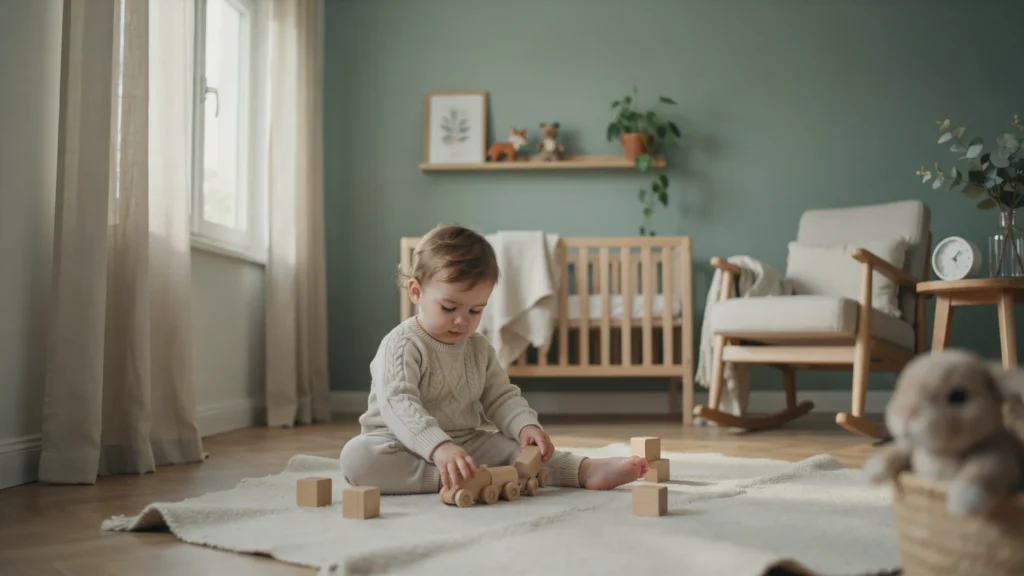
The short answer: A baby needs a safe place to sleep, milk, diapers, a few soft clothes, a car seat, and you. Start with those six things. Add items only when a real need shows up in daily life, not when a checklist tells you to.
For toys, choose a small set of sturdy vintage and wooden pieces that invite open ended play, keep most of them stored away, and rotate a few onto the shelf each week. Fewer things, chosen well, give your child a calmer room and a richer imagination.
The One In, One Out System That Keeps It Working
A short list is easy to write and hard to keep. Gifts arrive. Grandparents shop. You see something cute and bring it home. Within a few months, the calm nursery is crowded again. That is why the list alone is not enough. You need a system that runs itself, and the simplest one I know is one in, one out.
The rule is plain. Every time something new enters the nursery, something else leaves it. A new toy arrives, an old one goes into the donation box or into storage for the next child. A new outfit comes home, one that no longer fits goes out the same day. No exceptions for cute things. Cute things are exactly how the clutter starts.
Start by giving everything a home with a fixed size. One shelf for toys on display. One basket for toys in use on the floor. One drawer for clothes in the current size. One bin for keepsakes. When the shelf is full, nothing new goes on it until something comes off. The container is the limit, not your willpower.
Then add the 90 day test before you buy anything that is not on the essentials list. Ask one question: will this solve a real problem in the next 90 days? A second swaddle solves a real problem when laundry day runs late.
A third bouncer does not solve anything the first one is not already solving. If the answer is no, write the item on a waiting list instead of buying it. Most items on a waiting list never get bought, because the need never actually appears.
Gifts need a plan too, because refusing them outright hurts feelings and rarely works. Tell family early, in kind words, that you would love one well made toy instead of five small ones, or a contribution toward the crib instead of another outfit.
Offer a short wish list with three or four specific things. When a surprise gift arrives anyway, thank the giver warmly, let your child enjoy it for a while, and then let it go through the one in, one out rule like anything else.
Minimalist Baby Essentials, Room by Room
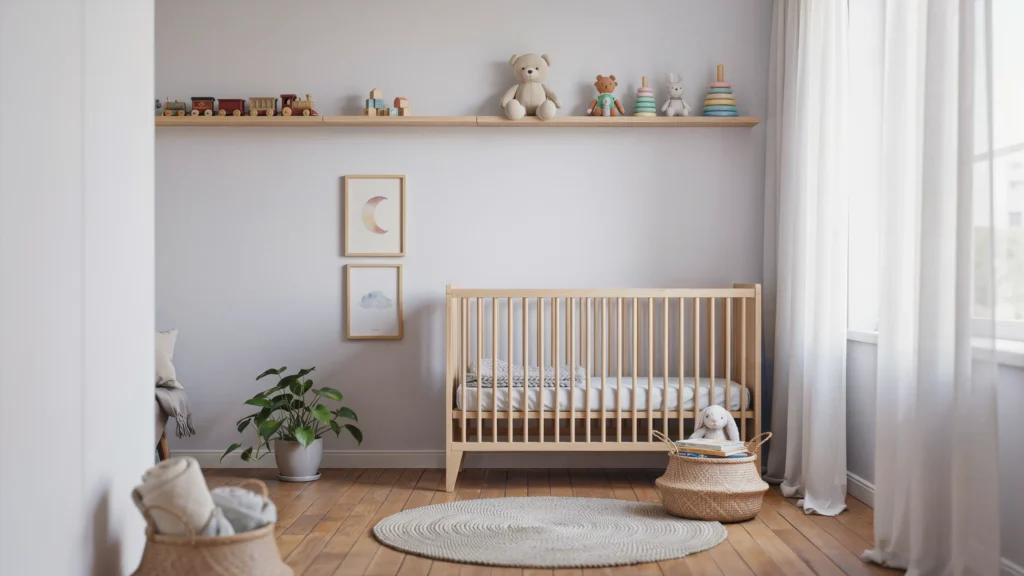
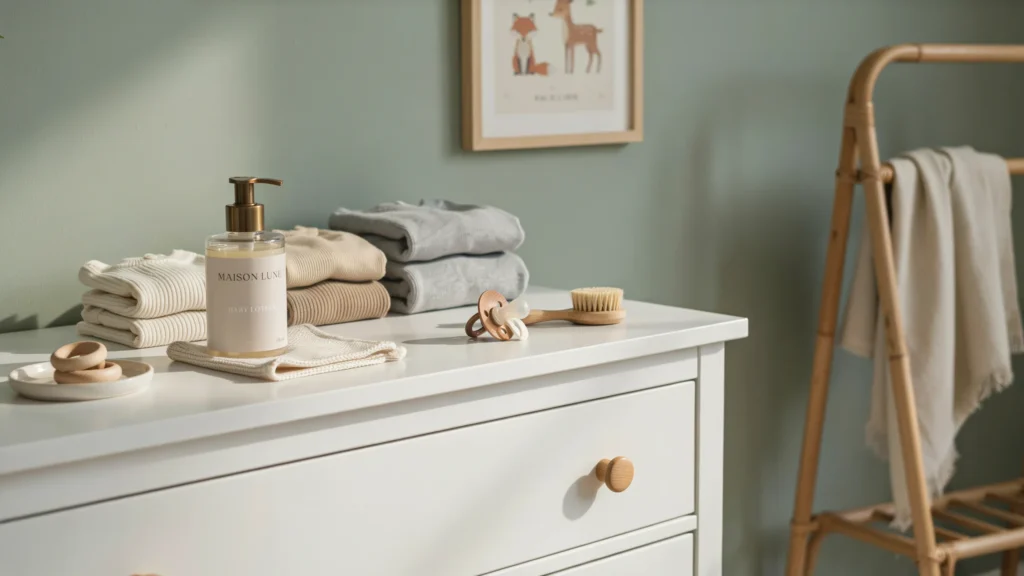
Here is the list that matters, broken down by what your baby actually does all day: sleep, eat, get changed, get dressed, and go places. Buy these first. Buy them well. Everything after this list is optional, and you can add it later once you know your baby and your routine.
Sleep: one safe space, done right
Sleep gear is the one place where quality matters more than quantity, because your baby will spend more hours here than anywhere else. You need one safe sleep space, not two or three. A crib or a bassinet that meets current safety standards will do. Pick the one that fits your room and your budget, and spend the money you save on a good mattress and a few fitted sheets instead of a second sleep gadget.
The mattress should be firm and flat, with no gap wider than two fingers between the mattress and the crib sides. Use a fitted sheet that hugs the mattress tightly. Keep the sleep space empty. No pillows, no loose blankets, no bumpers, no stuffed animals in the crib. A sleep sack in the right weight for the room temperature replaces a blanket safely, and two or three sleep sacks are enough to cover laundry day.
Two fitted sheets and one waterproof mattress protector are plenty. When a sheet needs washing in the middle of the night, you will be glad the spare is already on the shelf.
A note on secondhand cribs: they can be a smart buy, but check them like a safety inspector. Slats should be no more than 2 and 3/8 inches apart, so a small head cannot slip through. Drop sides are no longer considered safe, so skip any crib with that design. Check for loose hardware and peeling paint, and buy a brand new mattress even if the crib itself is used.
Feeding: a comfortable spot and very little gear
Feeding needs depend on how you plan to feed your baby, so buy for your real plan and skip the backup aisle entirely. If you breastfeed, you need a comfortable chair, a nursing pillow if it helps your arms, and burp cloths. Lots of burp cloths. Eight to ten is a realistic number, because they double as clean surfaces, shoulder covers, and emergency wipes.
If you use formula, start with four to six bottles of one type. Babies have opinions about bottles, and buying a dozen before you know which one yours accepts is a classic waste of money. Buy singles first, find the winner, then stock up.
Add a simple drying rack and a bottle brush, and you are done. A comfortable glider in the nursery corner makes night feeds far easier on your back, and it is one of the few nursery purchases that still earns its keep years later as a reading chair.
Diapering: the daily workhorse
Diapers are the one thing you will genuinely use ten or twelve times a day in the early weeks, so this category deserves a simple, well organized setup.
A changing pad on a dresser top works just as well as a dedicated changing table, and it saves you a whole piece of furniture. Stock diapers in small quantities across two sizes, because babies outgrow newborn size fast and a bulk box of the wrong size is money sitting on a shelf.
Keep wipes, diaper cream, and a few spare outfits within arm’s reach of the changing pad. A small basket or a drawer divider does this job better than any diaper organizer sold as a system. A hands free trash can with a lid keeps smells down, and a washable changing pad cover means you are never stuck without a clean surface.
Clothing: six to eight outfits, not sixty
Babies grow fast. Shockingly fast. That is the only fact you need to remember when buying clothes. Six to eight bodysuits or onesies in the current size, a few sleepers, a handful of socks, and one or two hats for cold weather will cover the first three months easily. Add a couple of soft blankets that can serve as swaddles, burp cloths, and pram covers, and your baby is dressed for real life.
Buy a mix of newborn and 0 to 3 month sizes, because some babies skip newborn entirely. Avoid newborn shoes completely. Socks and soft booties do the job, and shoes on a baby who cannot walk are decoration. When gifts arrive, keep the outfits you love and pass the rest on quickly, before your baby outgrows them in the drawer.
Choose soft, washable fabrics with simple closures. Snaps and zippers beat fussy buttons at 3 a.m., and neutral colors mix and match so six outfits feel like twelve. If you are setting up a small nursery, these small bedroom design ideas work just as well for a baby’s room, because the same storage tricks that help a tiny bedroom keep a nursery calm too.
Getting around and bath time
For getting around, you need an infant car seat and one way to carry your baby. The car seat is the one true non-negotiable, since the hospital will not send you home without one, and it should always be bought new so you know its full history.
Then choose either a stroller or a baby carrier that suits your daily life. Apartment living with stairs points toward a carrier. Long walks on pavements point toward a stroller. Most families do not need both at the start.
A diaper bag rounds out the kit. A backpack style bag keeps your hands free, and a neutral color means either parent can carry it. Inside, pack diapers, wipes, a spare outfit, a burp cloth, and your keys. That is a full bag.
Bath time needs even less. A small baby tub or a clean kitchen sink, a soft towel or two, mild baby wash, and a digital thermometer make up the whole kit. Most days, a sponge bath is all a newborn needs. Save the fancy bath toys and hooded towel sets for later, when bath time becomes play time.
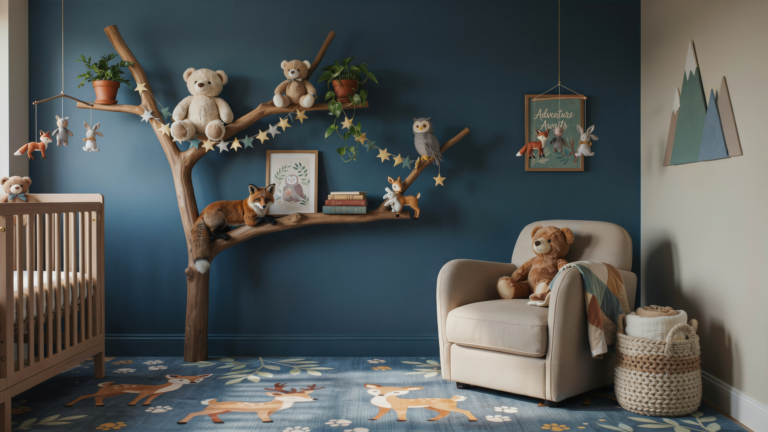
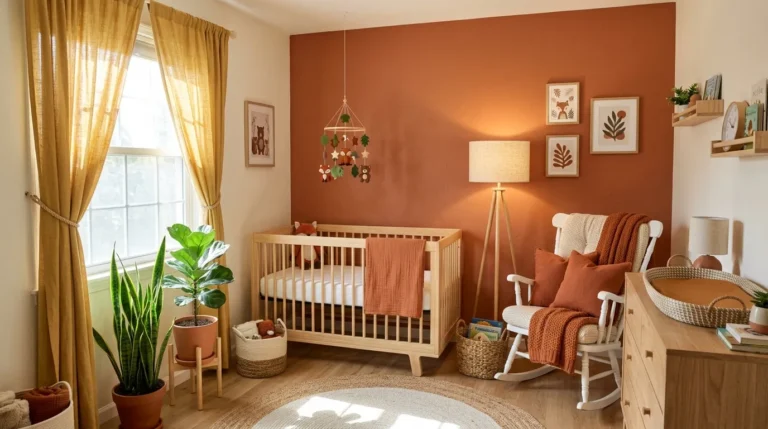
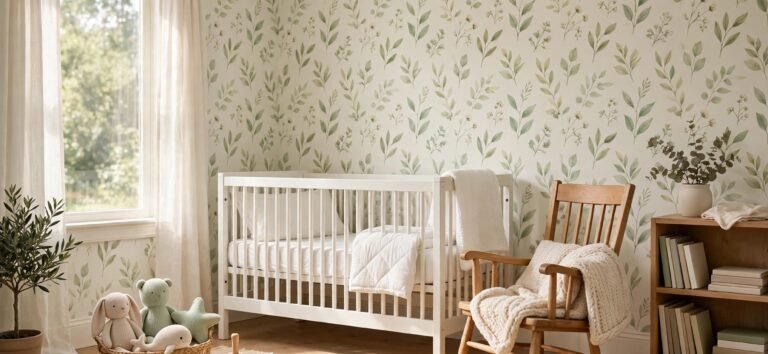
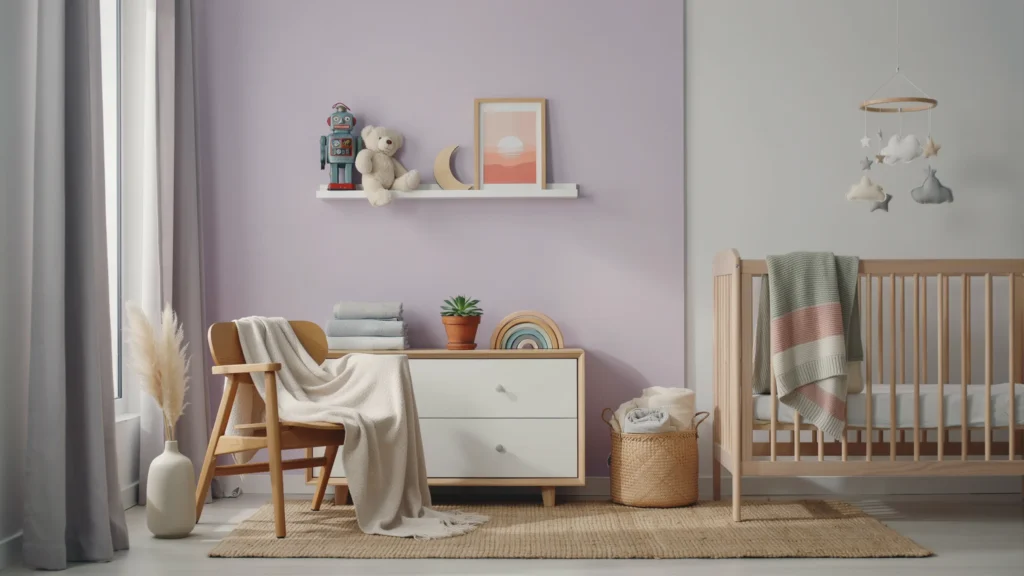
Put the nursery itself together with the same restraint. Soft wall color, one piece of art, and a rug your baby can lie on are enough to make the room feel finished. If you want one decorative touch that grows with your child, consider wallpaper designs that transform a nursery on a single accent wall.
Why Vintage Toys Earn Their Shelf Space
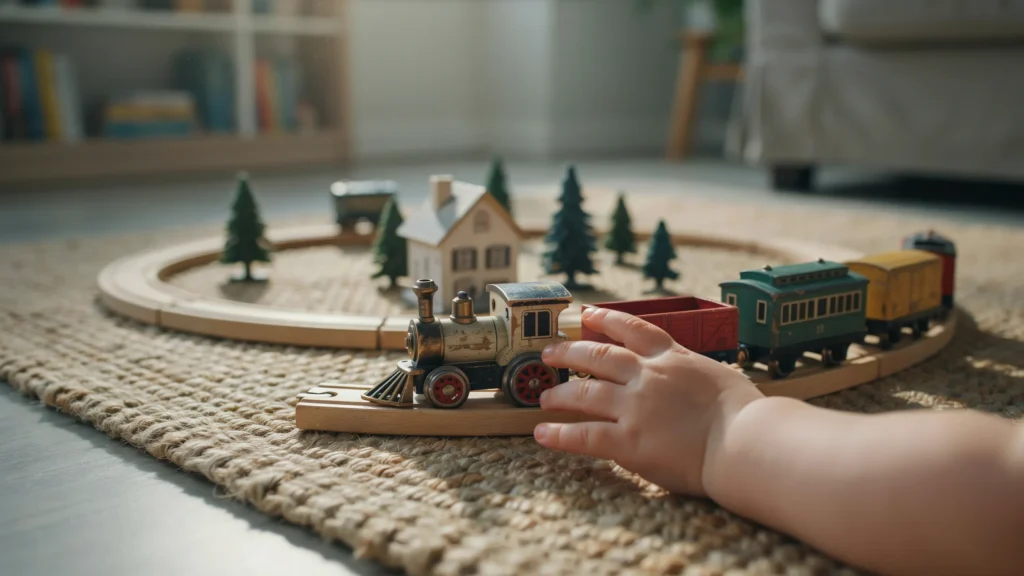
Now the fun part. Once the essentials are sorted, the question becomes what your baby should actually play with. Walk into any thrift store and you will find toys that are decades old and still working perfectly. A wooden train from the 1970s has no app, no charging cable, and no off switch. It has wheels, weight, and endless possibilities, and that is exactly why it still works.
Older toys were often made from solid wood, metal, and natural fabric, built to survive being dropped, chewed, and handed from one sibling to the next. A classic wooden block set can serve one child for years and then move on to the next generation. Compare that with a modern plastic toy that cracks after a few months and ends up in the bin.
The deeper reason is how children play with them. A simple toy does not tell your child what to do. A wooden train becomes a rocket, a bridge, or a snake, depending on the day. A set of blocks becomes a tower, a road, or a house. Because the toy leaves gaps, your child fills them with imagination. Toys that flash and sing do the imagining for the child, and the play ends when the batteries do.
The vintage toys worth hunting for
Not every old toy is a good toy. The best vintage finds share three traits: they are made from sturdy natural materials, they have no small detachable parts for little hands, and they can be played with in more than one way. Keep this short list in mind when you browse, and you will come home with winners instead of clutter.
Wooden blocks are the classic first buy. A set of 20 to 30 blocks in different shapes gives a baby something to grasp, stack, knock down, and sort for years. Look for smooth edges, solid weight, and paint that is intact. Alphabet blocks add letters to the same play, and they look lovely on a shelf between uses.
Stacking rings and shape sorters come next. A stacking ring set teaches size, order, and hand eye coordination, and it starts as a teether long before your baby can stack it properly. A shape sorter with four or five chunky pieces is enough. Bigger sets with tiny pieces are not better, they are just harder to store.
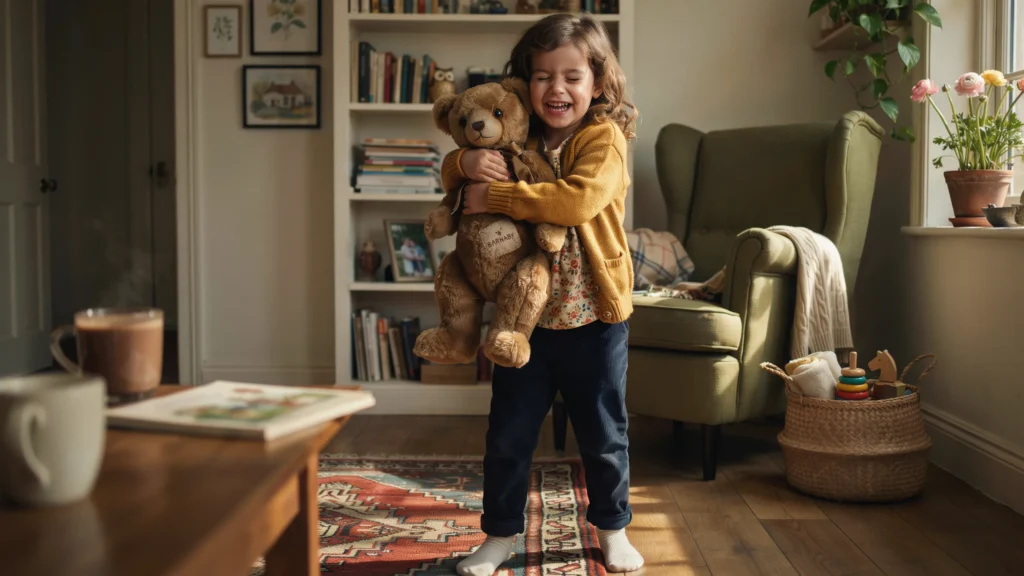
Pull along toys, wooden rattles, and simple puzzles round out the collection. A pull duck or a wooden train on a string encourages a new walker to keep moving, and a chunky wooden puzzle with large knobs builds grip strength. A soft rag doll or a well made stuffed animal gives your baby a comfort object that can be washed, cuddled, and carried everywhere. One comfort toy is enough. Two is fine. Ten is a pile.
What to leave on the shelf: tin toys with sharp edges or flaking paint, wind up toys with tiny keys a baby can pull off, dolls with button eyes or glued on hair, and anything with a string longer than about 7 inches, which can tangle around little fingers or necks.
Toy Rotation That Actually Works
Even a small collection feels like too much when every toy is out at once. That is where rotation comes in. Keep most toys stored away and put only a few on the shelf at a time. Every week or two, swap them. Your child gets the thrill of something fresh without you buying anything new, and the room stays calm because the floor is never covered.
| Week | On the shelf | In the basket | Why it works |
|---|---|---|---|
| Week 1 | Wooden blocks and stacking rings | Soft rattle and cloth book | Building and grasping play for a new week |
| Week 2 | Shape sorter and pull along train | Wooden blocks | Problem solving plus movement for a growing walker |
| Week 3 | Rag doll and chunky puzzle | Stacking rings | Comfort play and fine motor practice |
| Week 4 | Wooden blocks and pull along train | Shape sorter | Favorites return, and old toys feel new again |
Watch what your child reaches for during each week. If a toy is ignored for two full rotations, it is not earning its space. Put it in the donation box or store it for a younger sibling. If one toy is loved every single week, it stays out permanently.
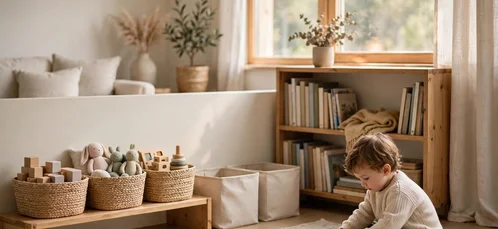
Storage matters as much as the rotation itself. Use one low open shelf at your child’s eye level, with three or four toys arranged with space between them. Store the rest in a closed cupboard or a basket with a lid. Closed storage keeps the room visually quiet, and quiet rooms help small children focus.
The Safe Vintage Toy Checklist
Safety comes first with vintage toys, always. Older toys were made before modern safety standards, so every find needs a careful check before it reaches your baby’s hands. Run through this table with each toy you bring home.
| Check | What to look for | If it fails |
|---|---|---|
| Paint and finish | Smooth, intact paint with no chips, flakes, or peeling | Do not use for babies. Older paint may contain lead, so display it out of reach or pass it on |
| Small parts | No loose buttons, eyes, wheels, keys, or pieces that fit through a toilet paper tube | Remove the part if possible, or save the toy for an older child |
| Sharp edges | Smooth sanded wood, rounded metal edges, no splinters or cracks | Sand rough wood lightly, or retire the toy if the damage is deep |
| Strings and cords | Pull strings shorter than about 7 inches, no long cords or ribbons | Cut the string short or remove it before play |
| Moving parts | Joints tight, wheels fixed firmly, no pinching gaps | Tighten screws or set the toy aside until it is repaired |
| Smell and mold | Clean smell, no musty odor, no stains or dark spots inside fabric toys | Wash fabric toys, air them out, and discard anything that stays musty |
| Recalls | Brand and model checked against recall lists if you can identify them | Do not use a recalled toy, even if it looks fine |
| Age fit | Size, weight, and complexity match your child’s age and stage | Display it on a high shelf until your child is old enough |
A good habit is the toilet paper tube test. If a piece, or a whole toy, fits entirely through a standard toilet paper tube, it is a choking risk for a baby or toddler and it stays out of the play area. Keep a tube in your toy cupboard. It costs nothing and it answers the question in two seconds.
Where to Find Vintage Toys Worth Keeping
Half the joy of vintage toys is the hunt. With a little patience, you can build a beautiful collection for a fraction of what new toys cost, and every piece comes with a story attached.
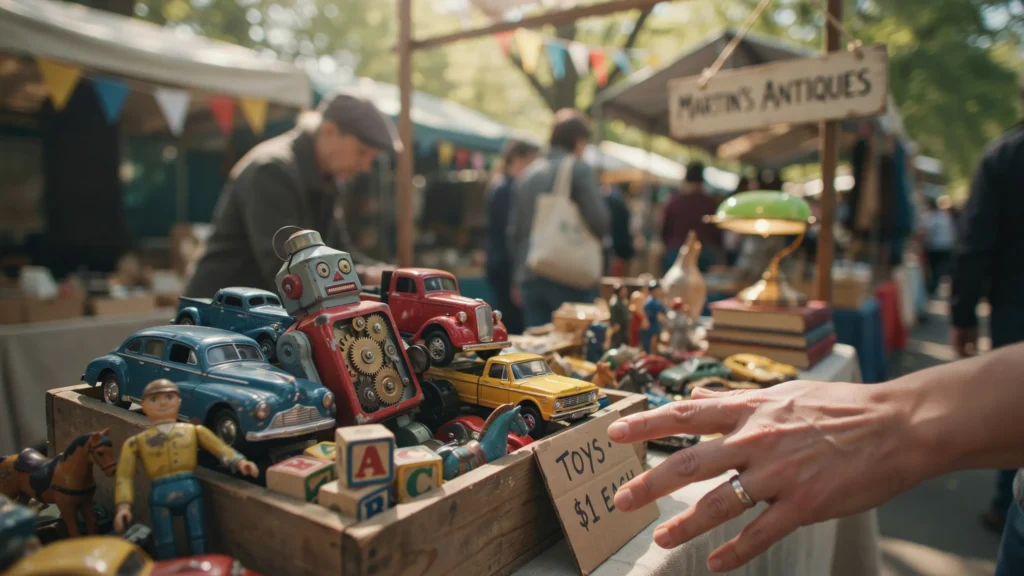
Flea markets and garage sales come next. Go early, bring cash, and be ready to negotiate politely. Check each toy on the spot with the safety table above in mind. Sellers often price toys low just to clear space, and a friendly question about where a toy came from can lead to a story worth keeping with it.
Antique shops cost more, but the stock is usually hand-picked and in better condition. This is the place to look for one special piece, like a wooden rocking horse or a complete block set in its original box, rather than everyday play toys.
Online marketplaces open up the widest choice, but they need the most care. Read descriptions fully, ask for close up photos of joints, paint, and any markings, and check the seller’s reviews before buying. If a listing is vague about condition or age, move on. Good sellers welcome questions.
How to spot a good find in thirty seconds
Pick the toy up. It should feel solid and balanced, not light and hollow. Run your hand over every surface for splinters, sharp edges, and rough spots. Shake it gently and listen for rattling parts. Look at the joints and the paint. Wear that matches the toy’s age is normal and charming. Damage that affects safety is not, and no bargain price makes an unsafe toy worth bringing home.
How to Clean and Store Vintage Toys
A vintage toy that has survived forty years can survive forty more if you clean it the right way and store it properly. The rule for every material is the same: gentle cleaning, full drying, and storage away from sun and damp. Harsh chemicals and soaking water are the two fastest ways to ruin a good find.
Wooden toys are the easiest to care for. Wipe them with a damp cloth and a drop of mild soap, then dry them straight away with a clean towel. Never soak wood in water, because it swells, warps, and cracks as it dries. Let the toy air dry fully before putting it back on the shelf. Once or twice a year, rub a little food safe beeswax or mineral oil into bare wood with a soft cloth.
Metal toys need a dry approach. Wipe them with a soft dry cloth, and use a barely damp cloth only for stuck on dirt, drying the piece immediately after. Check for rust at the joints and inside any hollow parts. If rust has eaten through the metal or left sharp edges, the toy becomes a display piece, not a plaything.
Fabric toys and rag dolls need hand washing. Use lukewarm water and mild soap, press the water out gently instead of wringing, and air dry flat or hanging in a shady spot. Sunlight fades fabric and weakens old stitching, so dry fabric toys indoors.
How Vintage Toys Become a Family Legacy
Some of the most meaningful gifts are not new at all. A carefully chosen vintage toy shows real thought. It says you searched for something special instead of grabbing whatever was on the shelf, and children notice that difference, even when they are too young to say so. A wooden train that belonged to their grandfather feels different in small hands than a toy fresh from a warehouse. It has weight, history, and a story.
Hand me downs carry that story forward. When you give your child a toy you played with, tell them about it. Where you played with it, who gave it to you, what you pretended it was. These small stories turn an object into a memory, and they teach your child that good things are worth keeping and caring for.
As your child grows, the same collection grows with them. Blocks become castles, then cities. A pull train becomes part of a bigger railway. The room changes too, and the ideas in these toddler room ideas for boys and girls show how a nursery can shift into a toddler room without starting from scratch. The shelf that held stacking rings can hold books and puzzles next, and the vintage toys that started the collection keep earning their place.
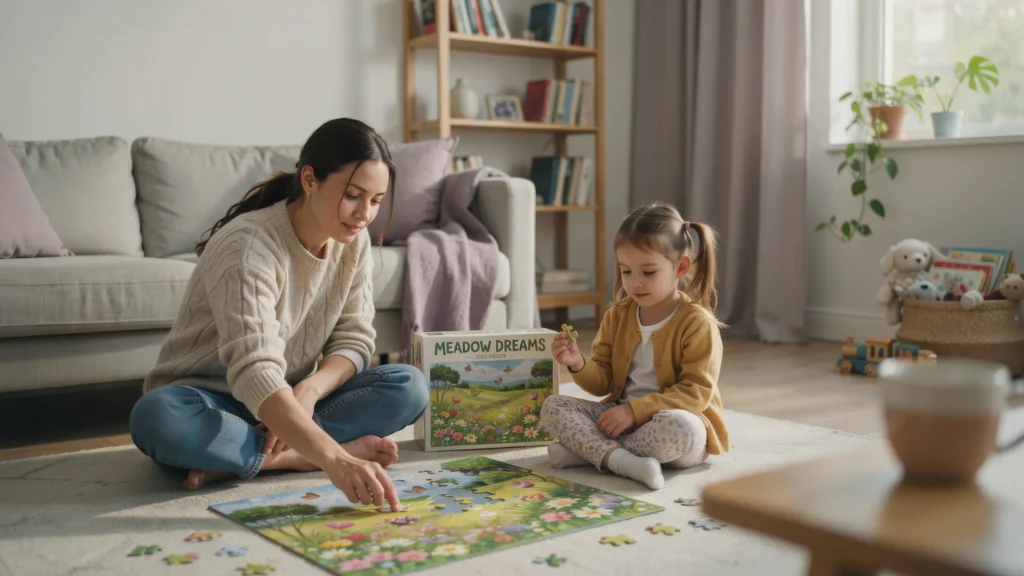
Play together with these toys on a regular basis, even for ten minutes a day. Build a tower together. Line the blocks up in a row and count them. Let your child hand you the train and tell you where it is going. A weekly block building session or a shared puzzle becomes a small ritual your child remembers long after the toy itself is forgotten.
What simple toys teach growing minds
Beyond the charm, simple toys do real work for a developing child. Stacking blocks, fitting puzzle pieces, and pulling a wooden train all build fine motor skills and hand eye coordination. Because these toys take effort, children practice patience and problem solving without being told to. There is no shortcut button, just trial, error, and the satisfaction of figuring it out.
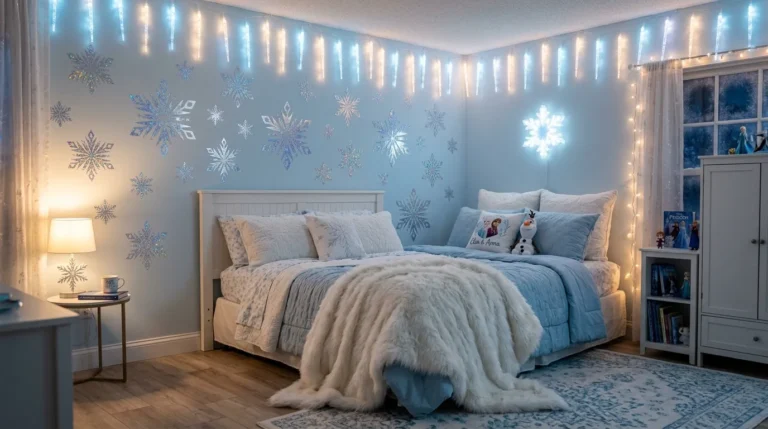
As your daughter gets older, the nursery evolves again into a room of her own, and the same less but better thinking applies. These kids bedroom ideas for girls show how a few well chosen pieces can carry a room from toddler years into childhood, with the favorite vintage toys still on the shelf, still played with, still loved.
Questions Parents Ask Before They Buy Less
Are vintage toys safe for babies and toddlers?
They can be, if you inspect each one carefully. Check for small parts, chipped paint that may contain lead, sharp edges, and loose pieces. Toys made before modern safety standards need extra scrutiny. When you are unsure about a piece, display it out of reach until your child is older.
How many toys does a baby actually need?
Far fewer than the shops suggest. A working set of about eight to twelve toys is plenty for a baby’s first year, with only three or four out at a time and the rest in rotation. Your baby will play longer and more creatively with a small set than with a room full of options, because fewer choices mean deeper play.
What are the best first vintage toys to buy?
Start with simple, open ended classics: wooden blocks, a stacking ring set, a wooden train or pull toy, a chunky puzzle, and one soft rag doll or stuffed animal. These offer durability, safety, and broad play value, and they are easy to find secondhand in good condition.
How do I clean a vintage wooden toy?
Wipe it with a damp cloth and mild soap, then dry it completely to prevent warping or cracking. Never soak wooden toys in water. Store them away from direct sunlight and damp, and rub a little food safe beeswax into bare wood once or twice a year to keep it in good condition.
Can a minimalist approach save money?
Yes, and the savings are real. Buying fewer items and choosing secondhand can cut baby costs significantly, because vintage toys often cost a fraction of new ones and skipping unnecessary gadgets avoids spending on things that end up unused. Borrowing and accepting hand me downs reduce spending further.
Is this approach right for every family?
It works best for families who value a calmer home, want to reduce waste, and prefer quality over quantity. If you enjoy the hunt for special items and do not mind cleaning secondhand finds, it is an excellent fit. Families who prefer brand new convenience can adapt it partway instead.
Your First Week With Less: A Checklist to Start Tonight
You do not need a weekend, a budget, or a big clean out to begin. You need one evening and a small box. Work through this checklist in order, and by bedtime your nursery will feel different.
- Pick one shelf and one basket for toys. Everything else goes into a cupboard or a labeled bin.
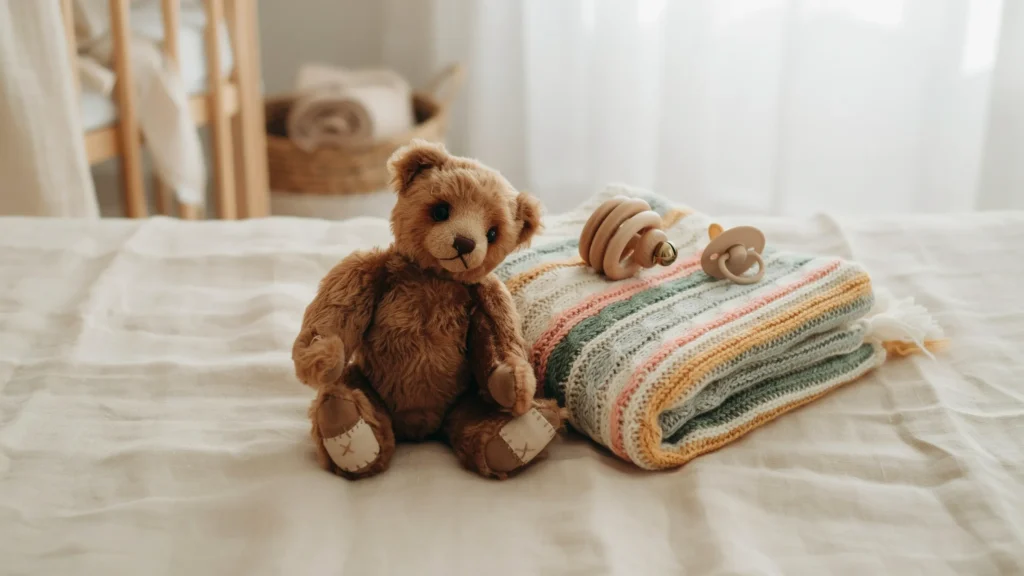
- Choose three or four toys for the shelf. Wooden blocks, stacking rings, a rattle, and one soft toy are a perfect first set.
- Run the safety checklist on every vintage toy before it goes on the shelf. Anything that fails goes on a high shelf or out of the house.
- Pack a donation box with the toys your child has ignored for a month. Put it by the door so it leaves this week.
- Write your waiting list and stick it inside a cupboard door. Anything you think you need goes on the list for 90 days first.
- Set the Sunday ten minute tidy in your calendar. One small box, one quick walk through the nursery, once a week.
- Tell one grandparent or close relative what you would love as a gift, one well made toy instead of five small ones.
- Visit one flea market or ask one relative about toys from your own childhood. Find a single vintage piece with a story.
- Clean it gently, check it twice, and put it on the shelf where your child can reach it.
- Sit on the floor and play with it together for ten minutes. That is the whole point.
Start small. Pick one area, maybe the toy shelf or the clothing drawer, and pare it down to the items that genuinely add value. Hunt for one well made vintage toy on your next thrift trip. Over time, these small choices add up to a childhood built on quality, meaning, and memories rather than mountains of stuff.
The best childhoods are not measured by how much children own. They are measured by how they play, what they imagine, and the people they share it with. Fewer things, chosen well, leave more room for all three.