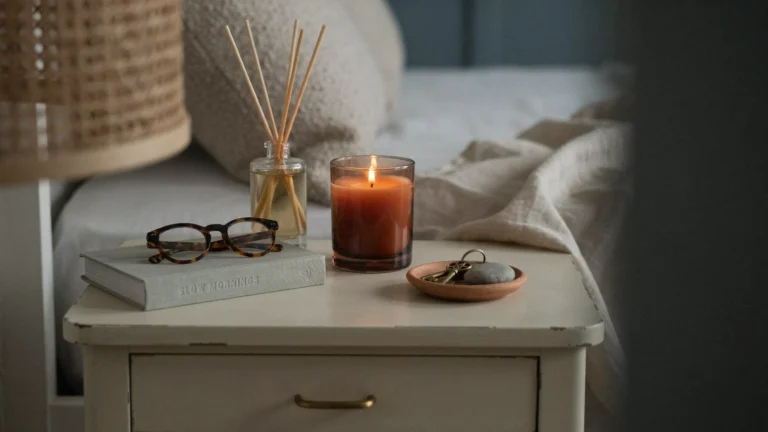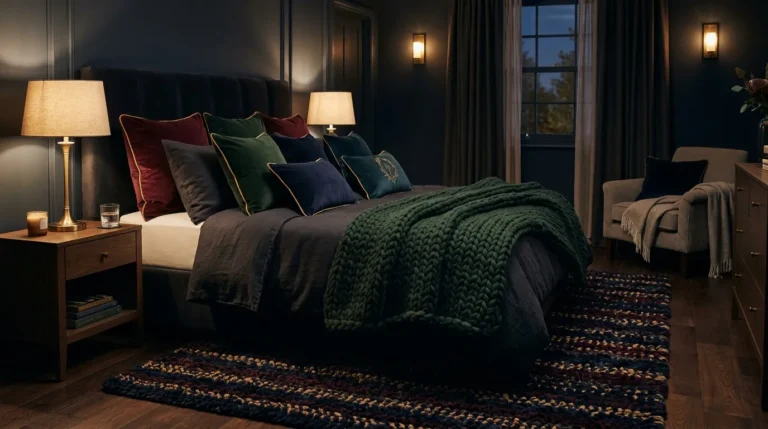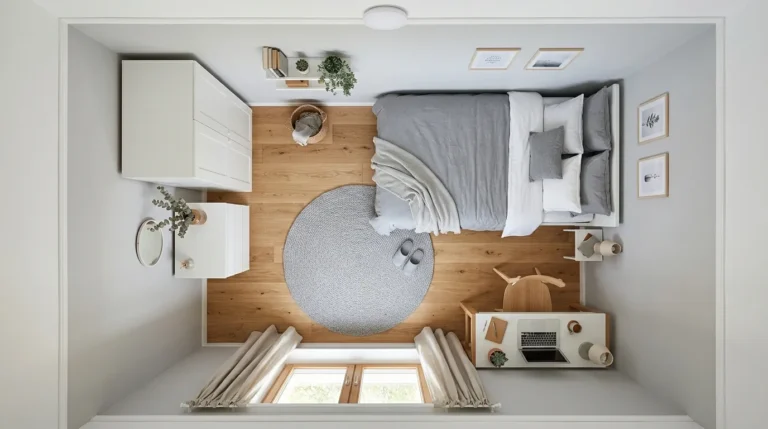
A beautiful main bedroom blends a clear design style, a calming color palette, comfortable furniture, layered lighting, and soft textiles. Start by choosing one style that feels like you, then build your colors, bedding, and décor around it to create a space that’s both restful and personal.
Beautiful Master Bedroom Designs to Inspire Your Makeover will help you transform an ordinary bedroom into a relaxing retreat that reflects your personality and lifestyle. Your main bedroom should be the one room in your home that feels completely yours. It’s where you begin and end every single day, yet for many people it becomes the last room to receive any real attention a place to pile up laundry and overlook. With thoughtful design choices and a few practical updates, you can create a beautiful, comfortable space you’ll enjoy every day.
This guide changes that. You’ll learn how to identify your design style, choose colors that promote rest, pick furniture that balances comfort and beauty, and layer in the lighting, textiles, and details that make a room feel finished. Whether you’re working with a sprawling suite or a snug city bedroom, the principles are the same.
By the end, you’ll have a clear plan and plenty of inspiration to start your makeover with confidence—no interior design degree required.
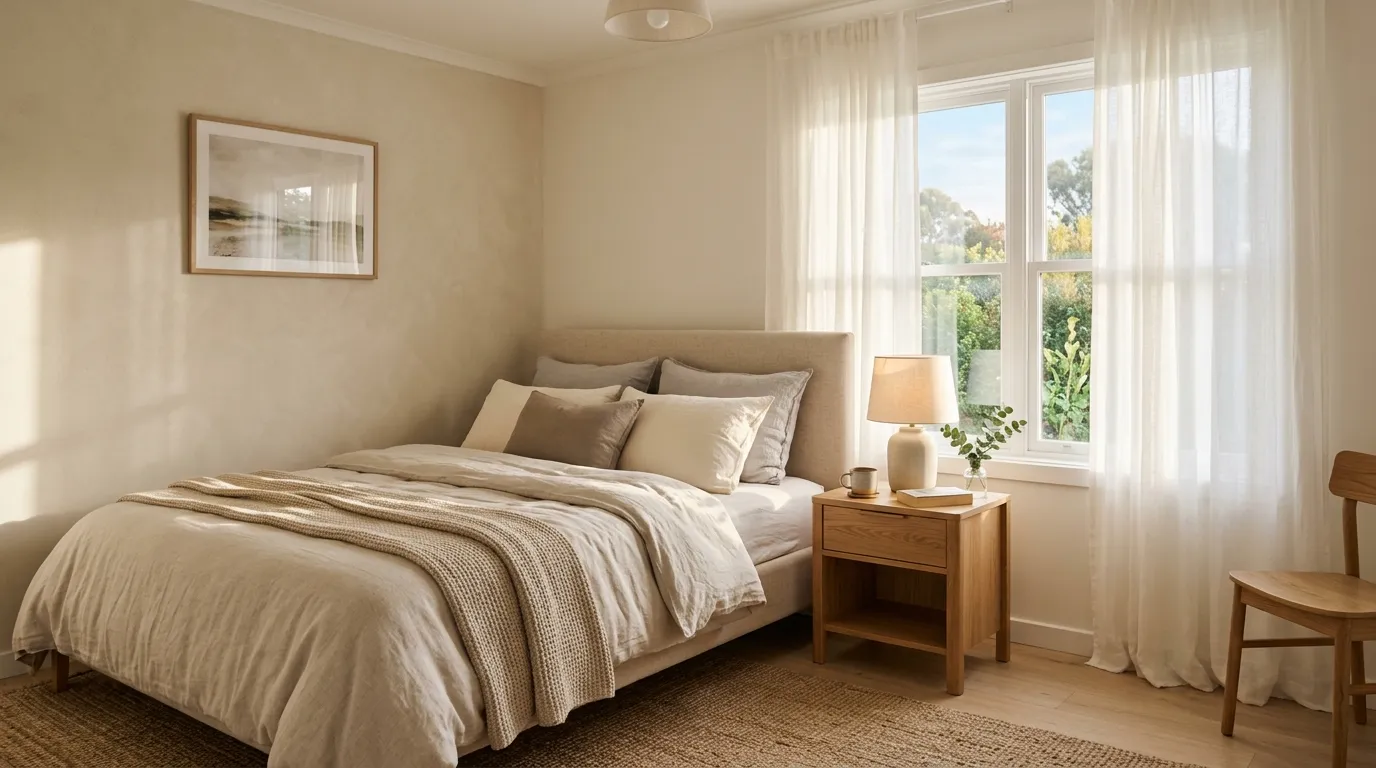
How do I find my main bedroom design style?
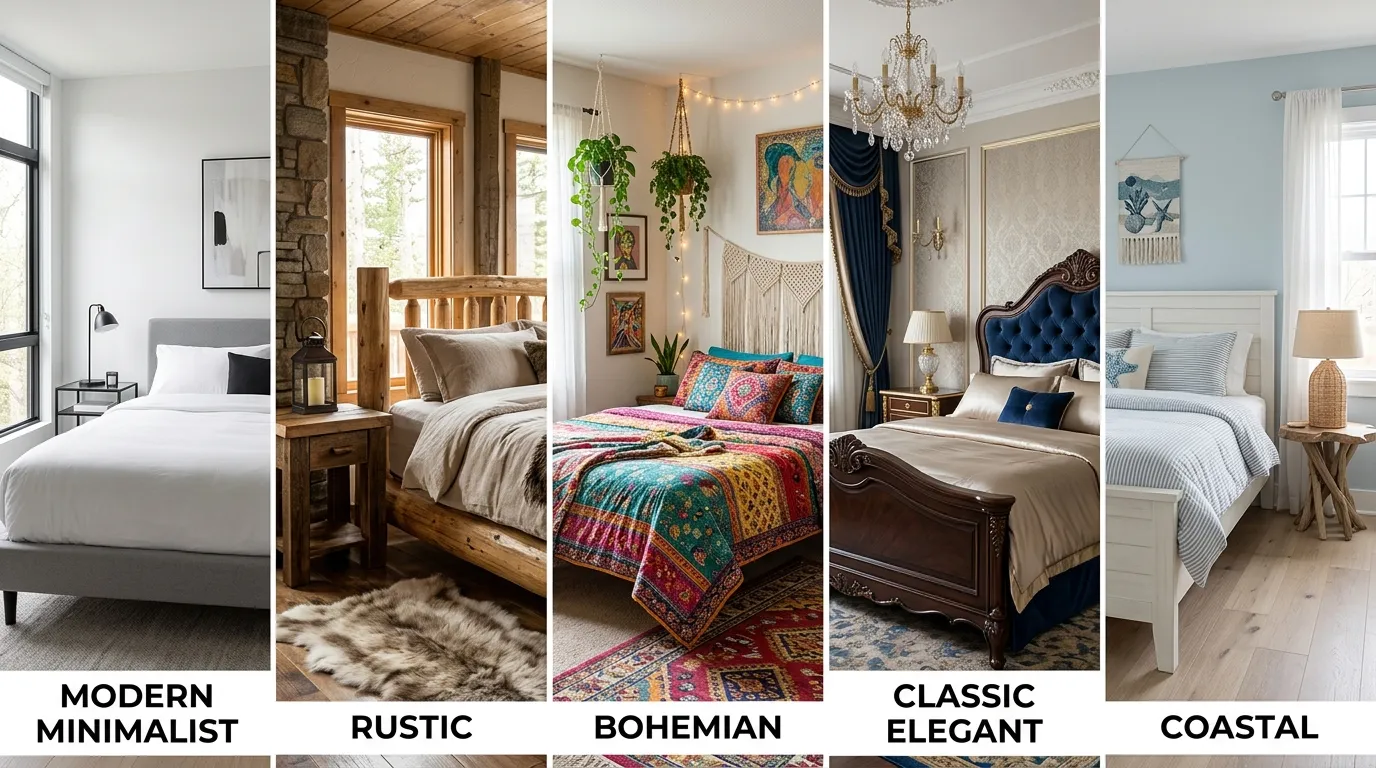
Before you buy a single throw pillow, decide on a design style. Your style is the thread that ties every choice together, so the finished room feels intentional rather than random. Here are five popular styles to consider.
Modern Minimalism
Modern minimalism is about clean lines, clutter-free surfaces, and a “less is more” mindset. Think a low-profile platform bed, a neutral palette, and just a few carefully chosen pieces. This style works well if you find busy rooms stressful and crave calm. A real-world example: pair a white duvet, a single piece of abstract art, and a sleek nightstand with hidden storage to keep surfaces clear.
Rustic Charm
Rustic charm brings warmth through natural materials reclaimed wood, exposed beams, and cozy textiles. A weathered wooden headboard, chunky knit throws, and iron light fixtures create a space that feels grounded and inviting. Choose this style if you love a lived-in, country-cabin feel.
Bohemian Rhapsody
Boho style celebrates color, pattern, and personality. Layer rugs, mix prints, and add plenty of plants and macramé. It’s perfect for free spirits who’d rather break the rules than follow them. The trick is balance anchor bold patterns with a few solid, neutral pieces so the room feels curated, not chaotic.
Classic Elegance
Classic elegance leans on symmetry, rich fabrics, and timeless furniture. Picture an upholstered headboard, matching nightstands, and a soft, refined color scheme. This style suits anyone who wants a room that feels polished and won’t look dated in five years.
Coastal Retreat
Coastal design captures the airy, relaxed feel of a seaside escape. Whites and soft blues, natural textures like linen and rattan, and lots of natural light define the look. Choose this style if you want your bedroom to feel like a permanent vacation.
What are the best color palettes for a relaxing bedroom?
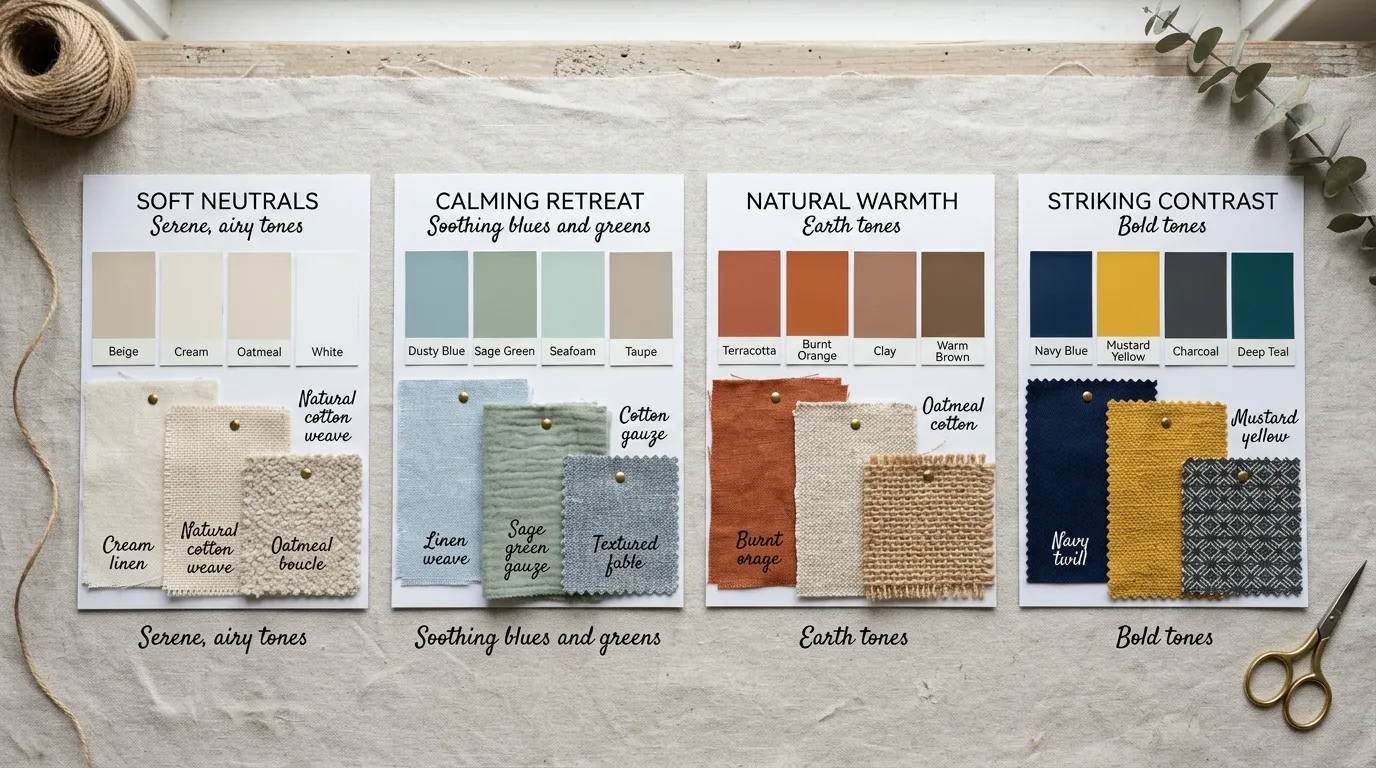
Color sets the emotional tone of a room. Cool, muted, and warm tones tend to feel more restful than bright, high-energy hues which is why they dominate bedroom design.
Calming Neutrals
Soft whites, greiges, taupes, and warm grays create a serene backdrop that never goes out of style. Neutrals make a room feel larger and let your furniture and textiles do the talking. They’re the safest choice if you like to change your decor often.
Soothing Blues and Greens
Blues and greens are linked to feelings of calm and balance. A sage green wall or a dusty blue headboard can lower the visual “temperature” of a room and help you unwind. These shades pair beautifully with natural wood and white linens.
Warm Earth Tones
Terracotta, clay, ochre, and warm browns add coziness without feeling heavy. Earth tones work especially well in rustic and bohemian rooms, creating a snug, grounded atmosphere ideal for cooler climates or north-facing rooms that need warming up.
Bold Accents and Their Impact
You don’t have to play it safe everywhere. A deep navy accent wall, a mustard throw, or an emerald velvet bench can add personality and depth. The rule of thumb: use bold colors in small doses, roughly 10% of the room, so they pop without overwhelming.
Which furniture pieces matter most in a main bedroom?
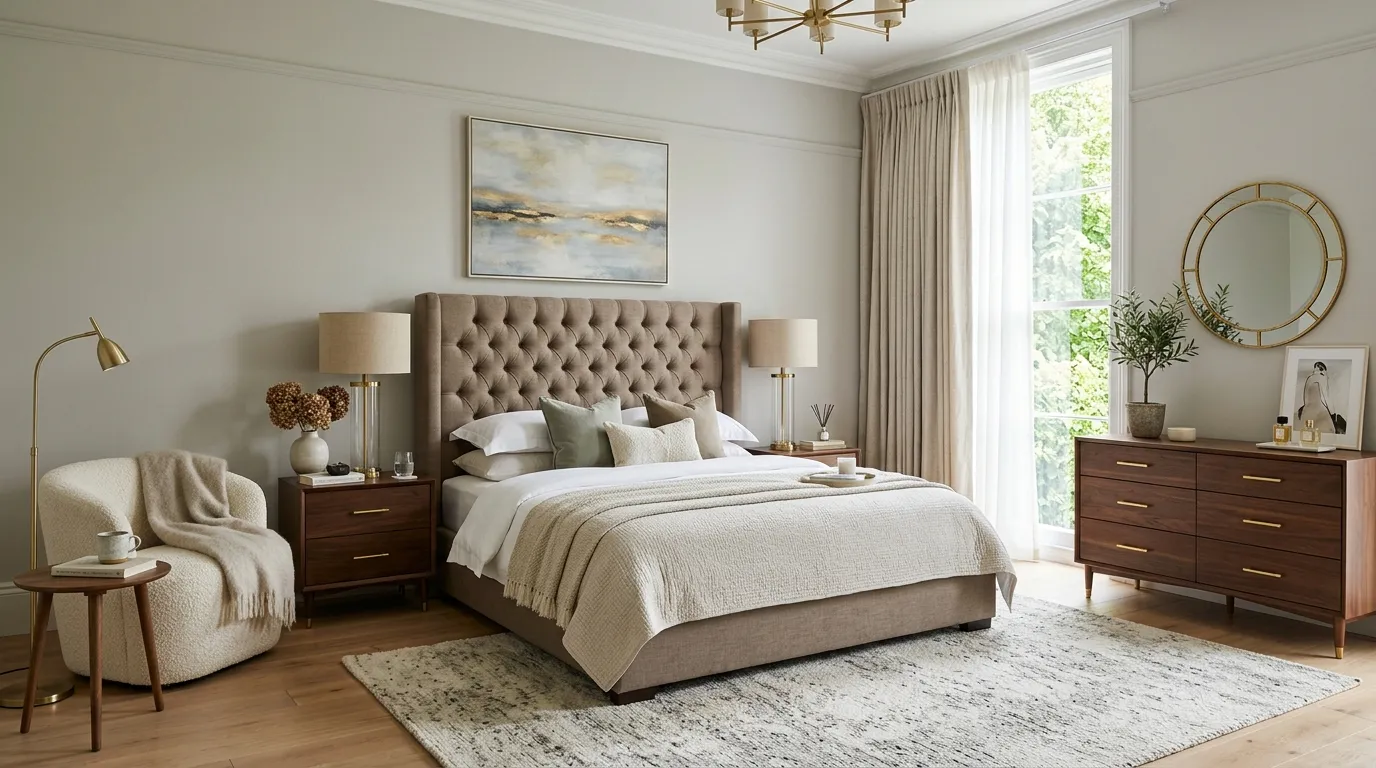
Furniture is where comfort meets function. Choose pieces that earn their place and fit the scale of your room.
The Bed: Focal Point and Comfort Hub
The bed is the star of the show. Invest here first. A quality mattress affects your sleep more than anything else, and a statement headboard instantly anchors the room. Size it correctly a king bed in a small room will swallow the space, while a too-small bed in a large room looks lost.
Nightstands and Dressers: Functional Aesthetics
Nightstands keep essentials within reach, and dressers hold what your closet can’t. Look for pieces with drawers to hide clutter. Matching nightstands create symmetry and a sense of order, while mismatched ones add character if you prefer an eclectic look.
Seating Areas: Adding Luxury and Practicality
If you have the space, a small armchair, bench, or chaise turns your bedroom into a true retreat. A bench at the foot of the bed is practical for putting on shoes, and a reading nook gives you a quiet spot that isn’t the bed itself.
Storage Solutions: Keeping Clutter at Bay
A tidy room feels calm. Use under-bed storage, ottomans with hidden compartments, and built-in wardrobes to keep belongings out of sight. The less visual clutter, the more restful the room feels.
How can I use lighting to set the mood in my bedroom?
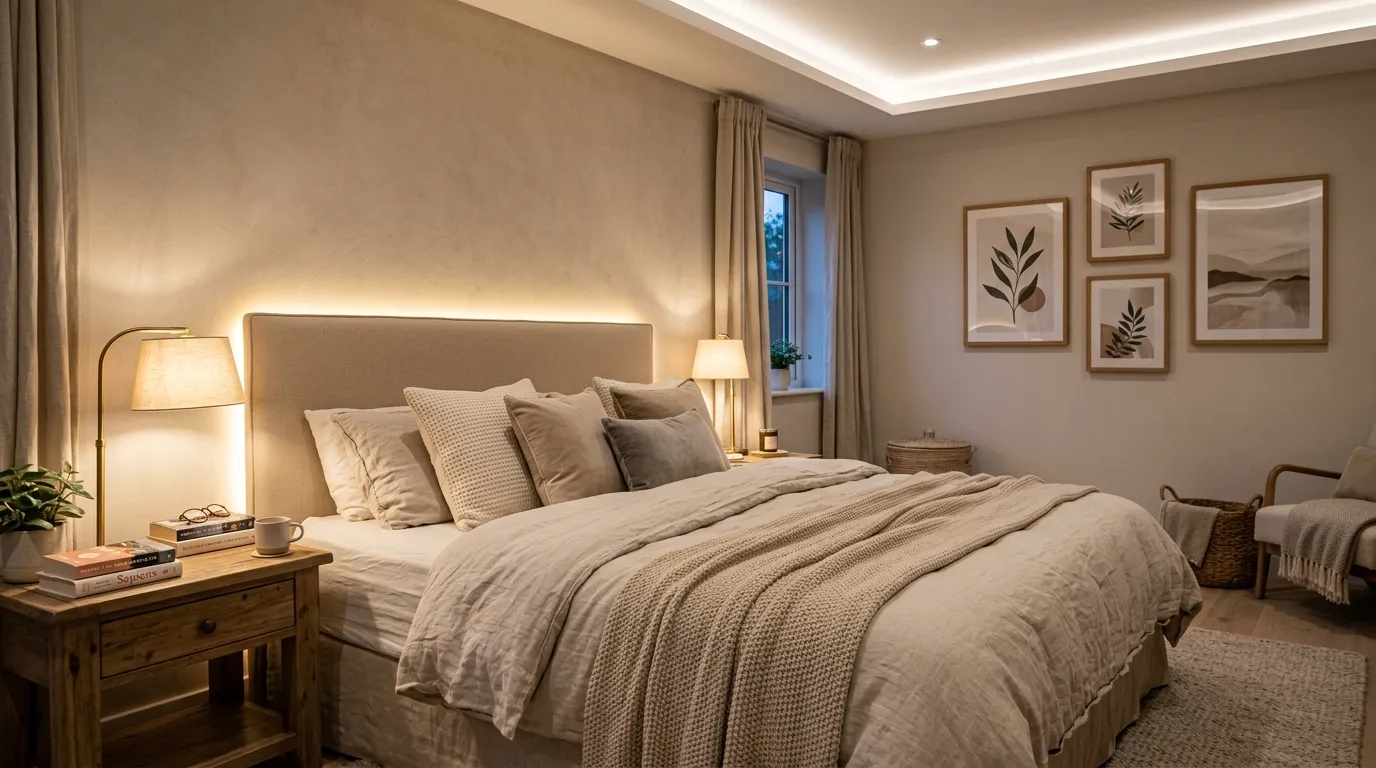
Good lighting is layered. Relying on a single overhead fixture leaves a room flat, so combine several types of light for flexibility and atmosphere.
Natural Light Maximization
Natural light makes a room feel open and healthy. Keep window treatments light, place mirrors opposite windows to bounce light around, and avoid blocking windows with bulky furniture.
Ambient Lighting: Recessed and Pendants
Ambient light is your general, room-filling glow. Recessed ceiling lights and pendant fixtures provide even coverage. Add a dimmer switch so you can soften the light in the evening an easy upgrade that makes a big difference.
Task Lighting: Reading Lamps and Sconces
Task lighting serves a specific purpose, like reading in bed. Wall-mounted sconces save nightstand space, while adjustable reading lamps let each person control their own light without disturbing the other.
Accent Lighting: Highlighting Features
Accent lighting draws the eye to something special a piece of art, an alcove, or a textured wall. LED strips behind a headboard or a small spotlight on artwork add depth and a high-end feel.
How do textiles and textures make a bedroom feel luxurious?
Textiles are what make a bedroom feel soft, warm, and inviting. Layering different textures adds depth that flat, single-material rooms lack.
Bedding: Sheets, Duvets, and Throws
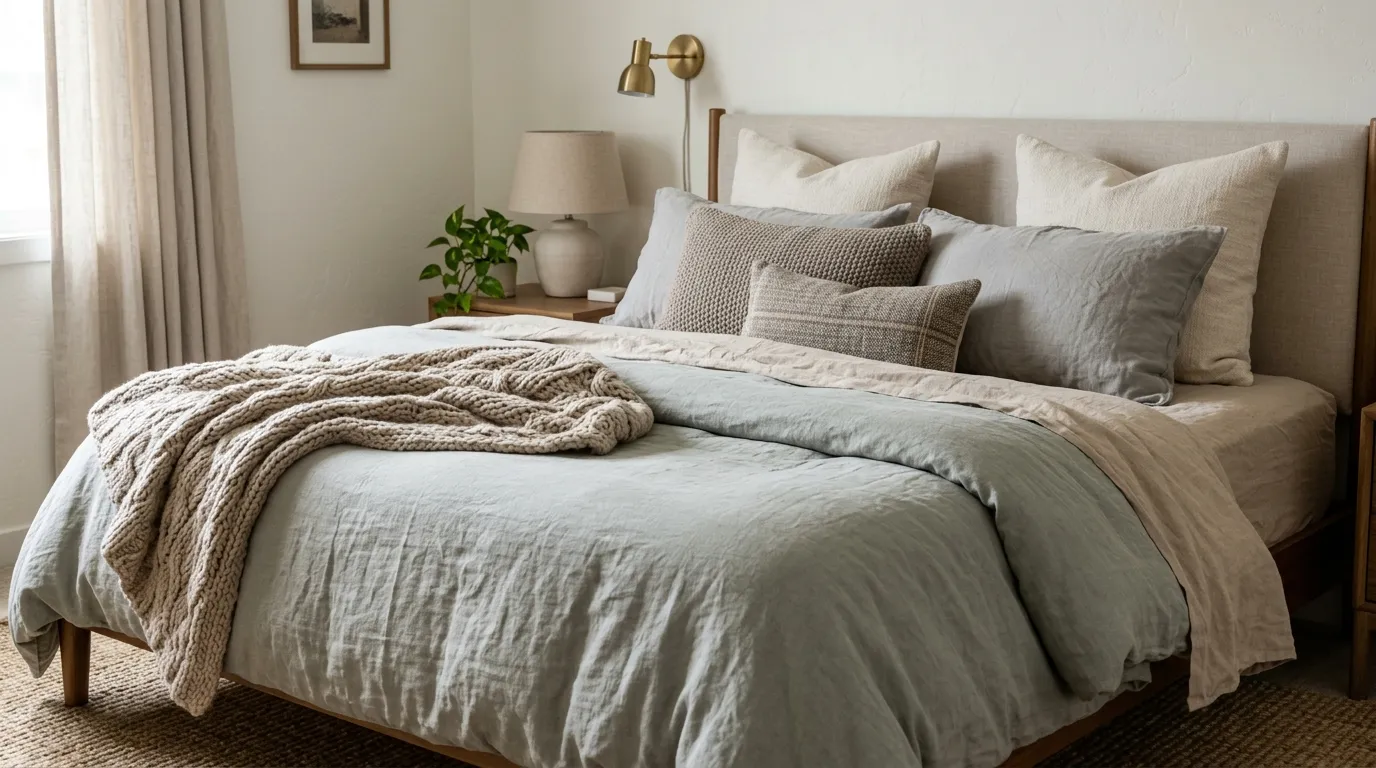
Bedding is the most touched part of your room, so quality counts. Start with breathable cotton or linen sheets, add a duvet that suits your climate, and finish with a throw for texture. Layering different weights and weaves makes the bed look plush and inviting.
Curtains and Drapes: Privacy and Style
Curtains do double duty they offer privacy and frame your windows. Floor-length drapes make ceilings feel taller. For better sleep, consider blackout linings, especially if your room gets early morning sun.
Rugs: Adding Warmth and Defining Space
A rug softens hard floors and warms your feet on cold mornings. Place it so it extends beyond the sides and foot of the bed for a grounded, balanced look. In larger rooms, a rug can also define a seating area.
Pillows: Comfort and Decorative Flair
Pillows blend comfort and style. Mix sizes, textures, and a few patterns to add visual interest. Keep it manageable, though too many decorative pillows means a pile on the floor every night.
What wall and flooring choices create the best foundation?
Walls and floors set the stage for everything else. Get these right, and the rest of the room falls into place.
Paint and Wallpaper: Transforming the Vibe
Paint is the cheapest, fastest way to transform a room. Soft, muted shades promote rest. Wallpaper, meanwhile, adds pattern and richness a subtle textured print can make a room feel custom and considered.
Accent Walls: Adding Drama and Focus
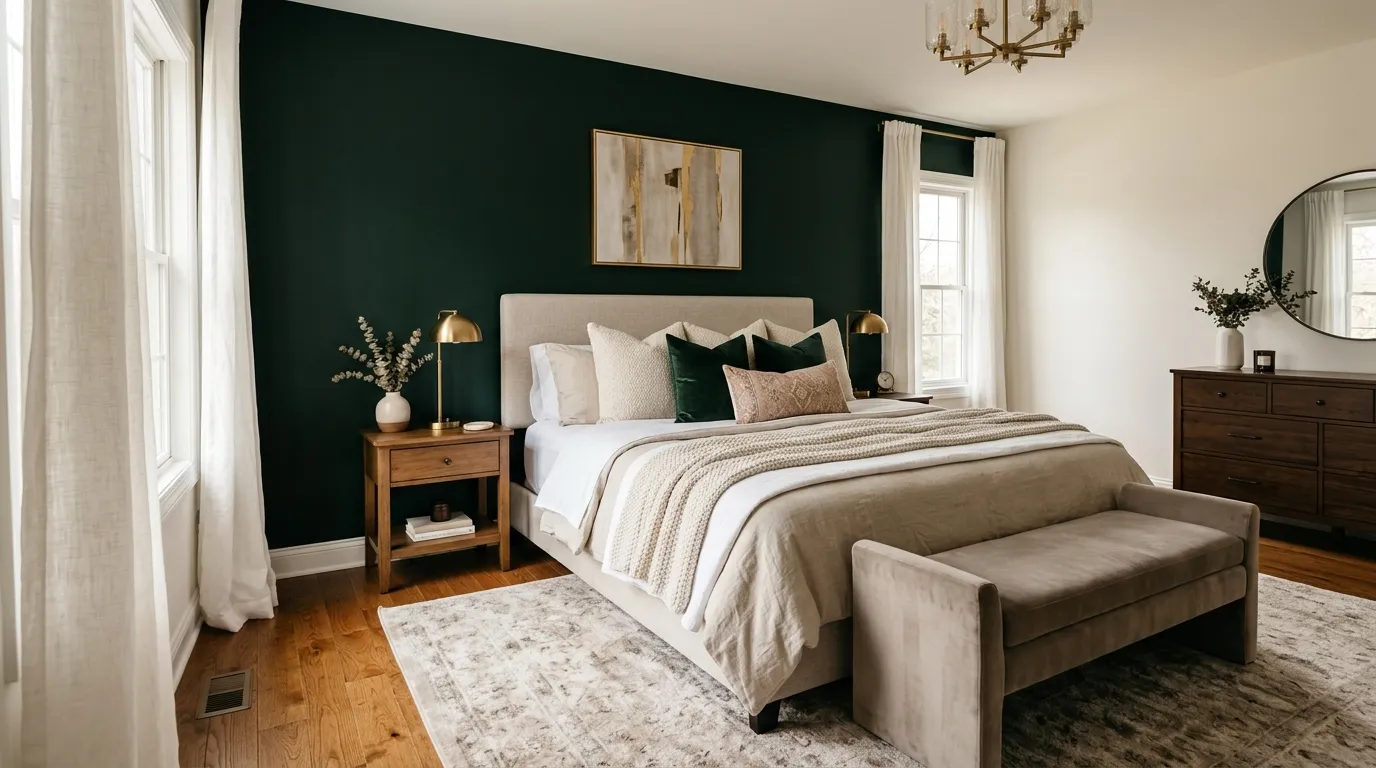
An accent wall behind the bed draws attention to your focal point. Try a deep paint color, a bold wallpaper, or wood paneling. Because it’s just one wall, you can be braver with your choice without overwhelming the space.
Flooring Options: Hardwood, Carpet, and Beyond
Hardwood is timeless and easy to clean, though it can feel cold underfoot. Carpet adds warmth and softness, ideal for bedrooms. If you can’t choose, a hardwood topped with a large area rug gives you the best of both.
What decor and accessories pull a bedroom together?
Accessories are the finishing touches that make a room feel personal and complete. This is where your personality shines through.
Artwork: Personalizing Your Space
Art tells your story. Hang a large statement piece above the bed or create a small gallery wall. Choose pieces with calming subjects and colors that complement your palette.
Mirrors: Expanding Space and Reflecting Light
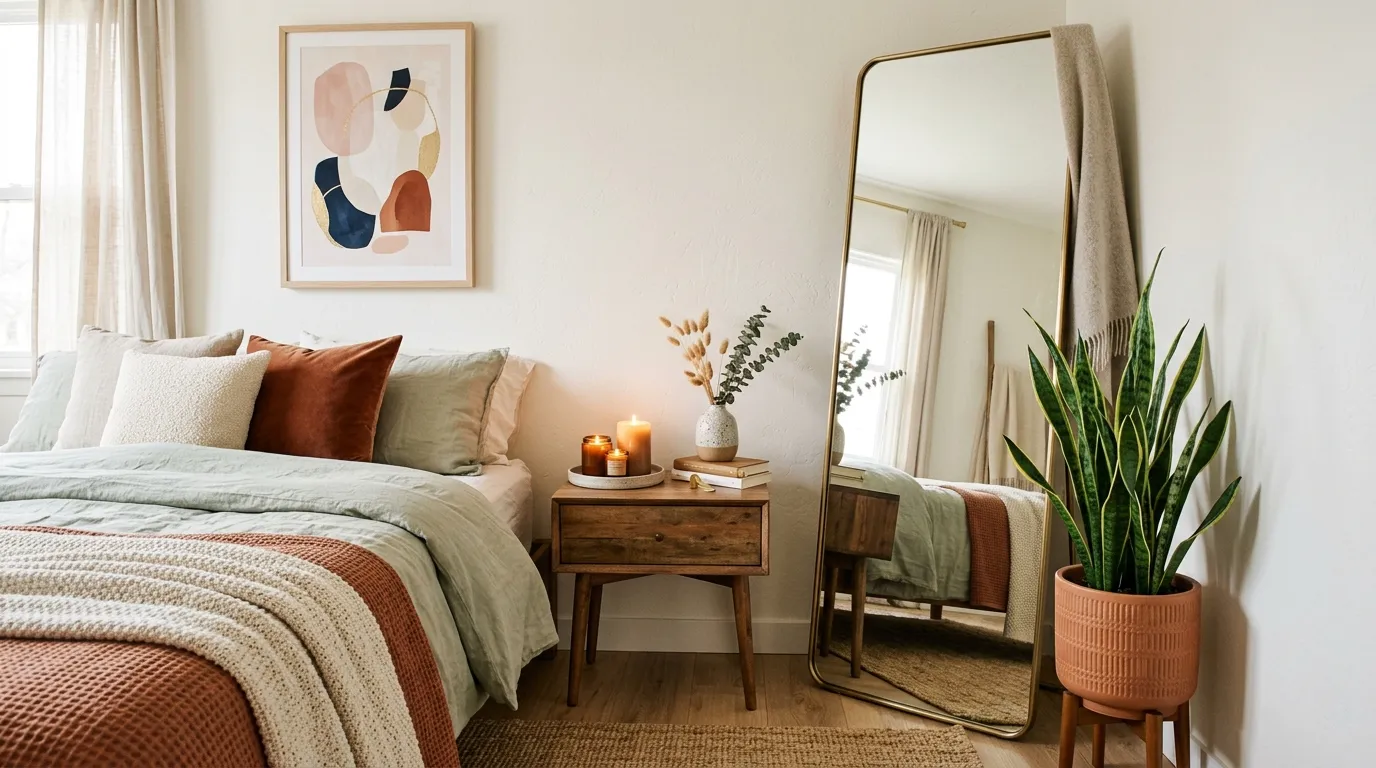
Mirrors make rooms feel bigger and brighter by reflecting light. A full-length mirror is practical for dressing, while a decorative mirror can act as art in its own right.
Plants: Bringing Life and Freshness
Plants add life, color, and a touch of nature. Low-maintenance options like snake plants, pothos, or peace lilies thrive in bedrooms and can even improve air quality.
Decorative Objects: Adding Personality
Books, candles, ceramics, and travel souvenirs make a room feel like yours. Group objects in odd numbers and vary their heights for a naturally styled look.
How do I design a beautiful main bedroom in a small space?
Small bedrooms can be just as stunning as large ones they need smarter planning. The goal is to maximize function without sacrificing style.
Multi-functional Furniture
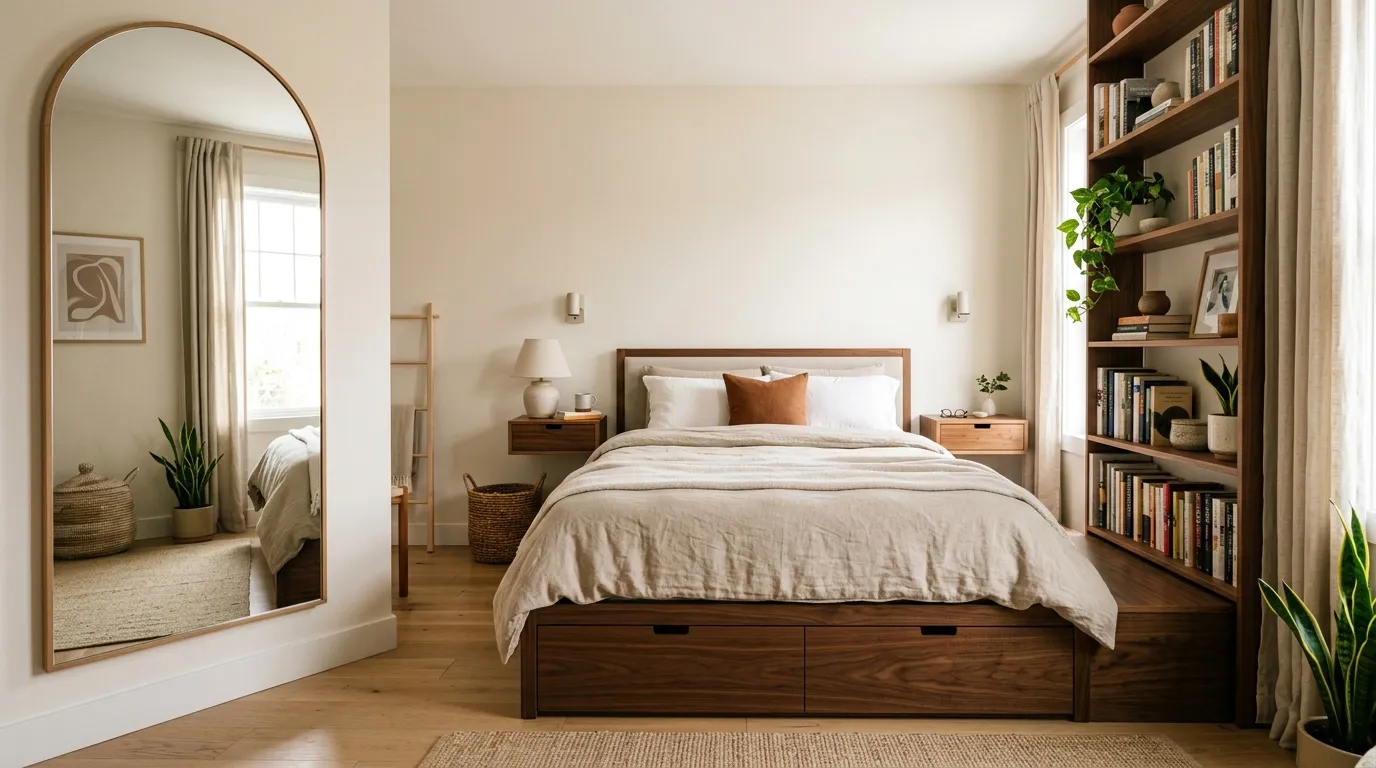
Choose pieces that work twice as hard. A storage bed, a nightstand with drawers, or an ottoman that doubles as a seat and a chest all save precious floor space.
Vertical Storage
When floor space is tight, build upward. Tall shelving, wall-mounted nightstands, and over-door organizers use vertical space and draw the eye up, making the room feel taller.
Strategic Mirror Placement
A large mirror placed opposite a window can visually double the size of a small room. Mirrored furniture also reflects light and adds a sense of openness.
How much does a master bedroom makeover cost?
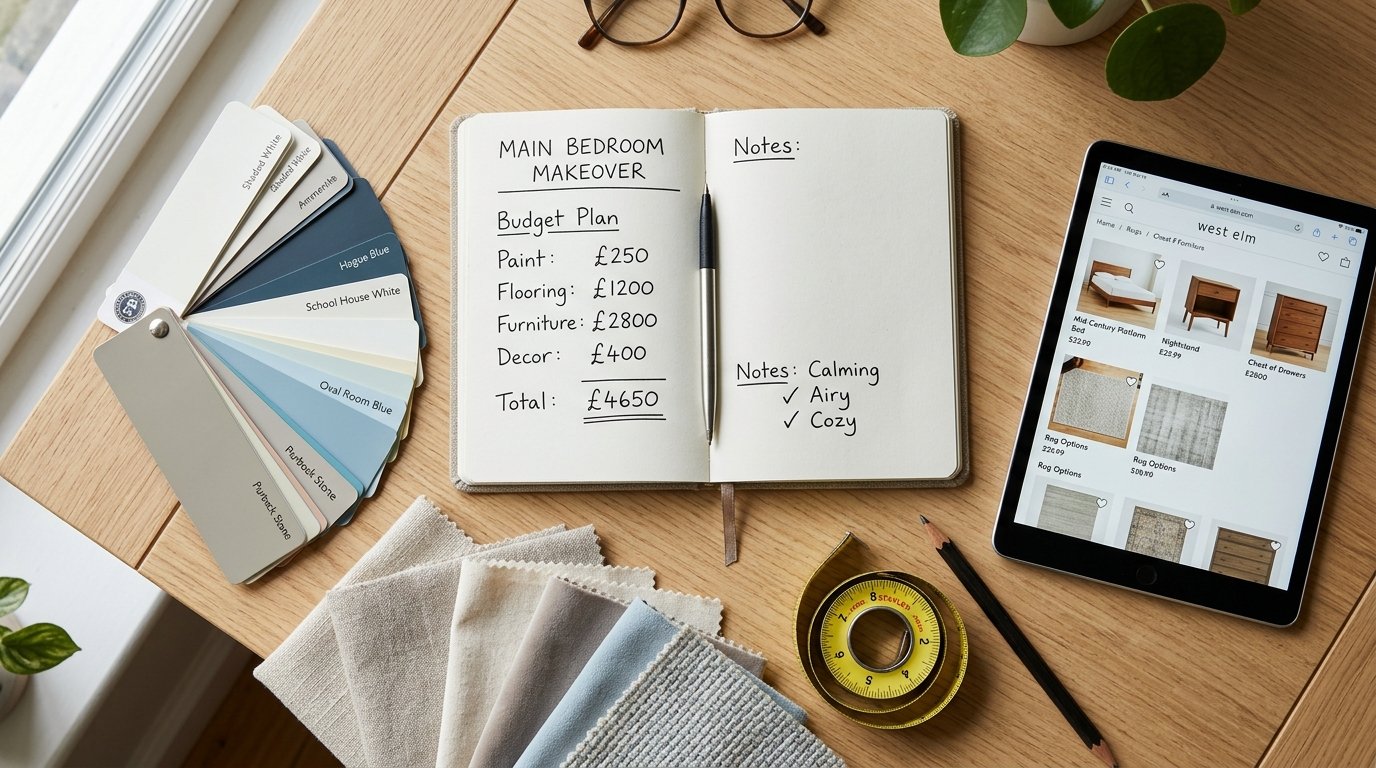
A makeover can cost anywhere from a few hundred dollars to several thousand, depending on how much you change. The key is to spend intentionally.
Prioritizing Expenses
Put your money where it matters most usually the bed and mattress, since they affect comfort and sleep. Splurge on the pieces you use and touch every day, and save on easily swapped items like pillows and decor.
DIY vs. Professional Help
Painting, styling shelves, and rearranging furniture are great DIY projects. Bring in professionals for electrical work, custom built-ins, or anything involving structural changes. Knowing your limits saves both money and headaches.
Smart Shopping Tips
Shop sales and end-of-season clearances, mix high and low pieces, and check secondhand stores for quality furniture at a fraction of the price. A single high-end accent can elevate an otherwise budget room.
Your Dream Main Bedroom Awaits
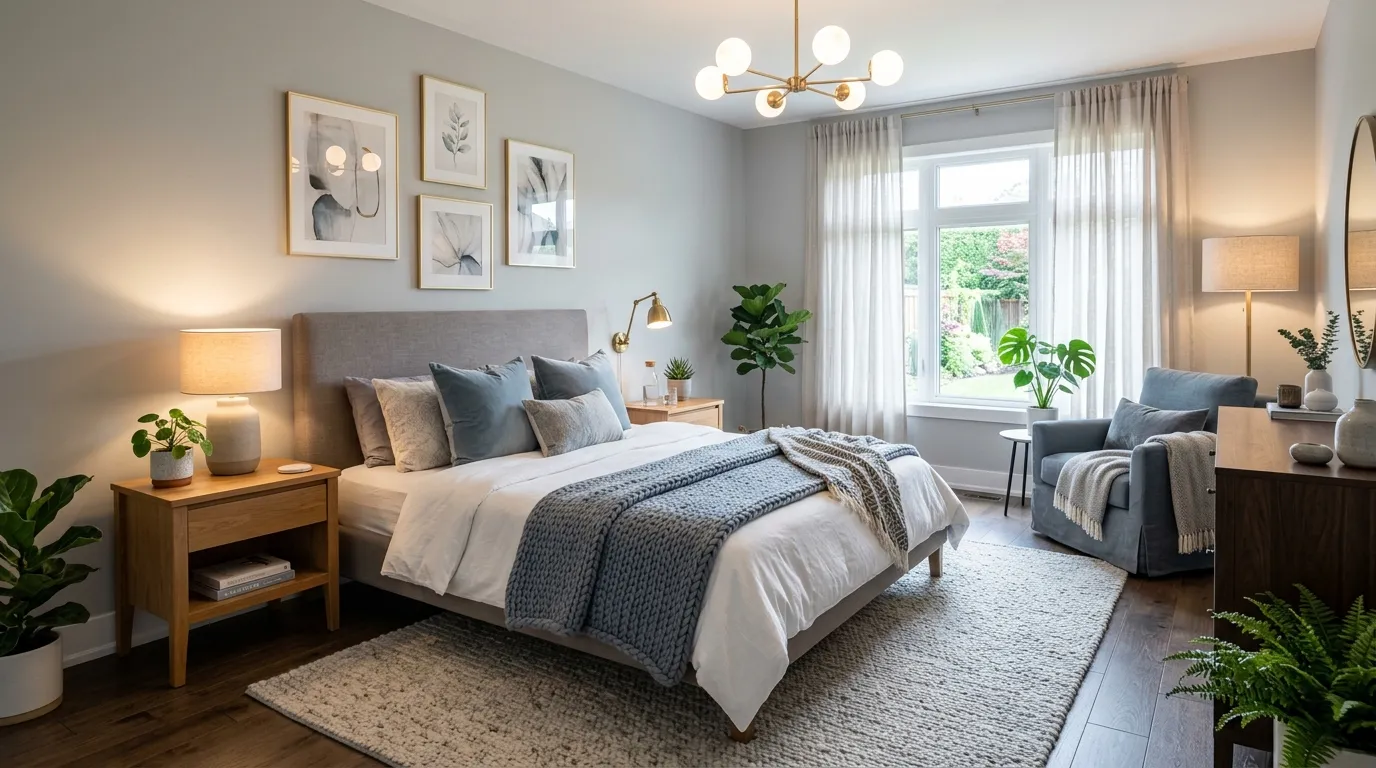
A beautiful main bedroom comes down to a few clear principles: choose one design style, build a calming color palette, invest in a comfortable bed, layer your lighting, and finish with textiles and decor that feel like you. Small rooms reward smart storage, and a thoughtful budget keeps the project stress-free.
You don’t have to do everything at once. Start with one change repaint a wall, upgrade your bedding, or add a reading lamp and build from there. Each small step brings your sanctuary closer to reality.
The most important rule? Design a room that makes you feel calm and happy. Trends come and go, but a space that truly suits you never goes out of style.
Frequently Asked Questions
What is the most important element in a master bedroom design?
The bed is the most important element. It’s the room’s focal point and the biggest factor in your comfort and sleep quality. Invest in a good mattress and a headboard that anchors the room, then build the rest of your design around it.
What colors are best for a relaxing bedroom?
Soft neutrals, dusty blues, sage greens, and warm earth tones are best for relaxation. These muted, cool, and warm shades create a calming atmosphere. If you want bold color, limit it to about 10% of the room through accents like a throw or accent wall.
How can I make a small main bedroom look bigger?
Use light paint colors, multi-functional furniture, and vertical storage to free up floor space. Place a large mirror opposite a window to reflect light and visually double the room. Keeping clutter hidden also makes a small room feel more spacious.
How much should I budget for a master bedroom makeover?
Budgets range from a few hundred to several thousand dollars. Prioritize spending on the bed and mattress, handle simple tasks like painting yourself, and shop sales or secondhand to stretch your money further on furniture and decor.
Should I hire an interior designer for my bedroom makeover?
Hire a designer if you’re tackling structural changes, custom built-ins, or feel overwhelmed by the choices. For paint, styling, and rearranging furniture, a DIY approach works well and saves money. Choose based on your budget, timeline, and confidence level.