Modern dining table centerpieces balance minimalism, natural textures, and intentional design. These 10 Modern Dining Table Centerpiece Ideas Worth Stealing showcase the best options, from sculptural greenery and geometric forms to artisanal ceramics and functional herb gardens, helping you enhance your dining aesthetic without overwhelming the space. This post covers 10 specific ideas, design principles, and arrangement tips.
A dining table does more than hold plates and glasses. It anchors the room, sets the mood for every meal, and tells guests something about who you are before a single dish arrives. The centerpiece sitting at its heart carries a disproportionate amount of that responsibility. That’s why these 10 Modern Dining Table Centerpiece Ideas Worth Stealing are designed to inspire a stylish, balanced look that feels both timeless and welcoming.
Modern design has made the job both easier and more interesting. Gone are the days of obligatory floral arrangements that wilt by Thursday. Today’s approach to centerpiece styling draws from architecture, art, and nature favoring restraint over excess and quality over quantity. The result? Centerpieces that feel curated, not cluttered.
This post breaks down the core principles of modern centerpiece design, then walks through 10 concrete inspiration ideas you can adapt to your own space. Whether you’re working with a long oak dining table in an open-plan kitchen or a compact round table in a city apartment, there’s something here for every setup.
What Makes a Centerpiece “Modern”?
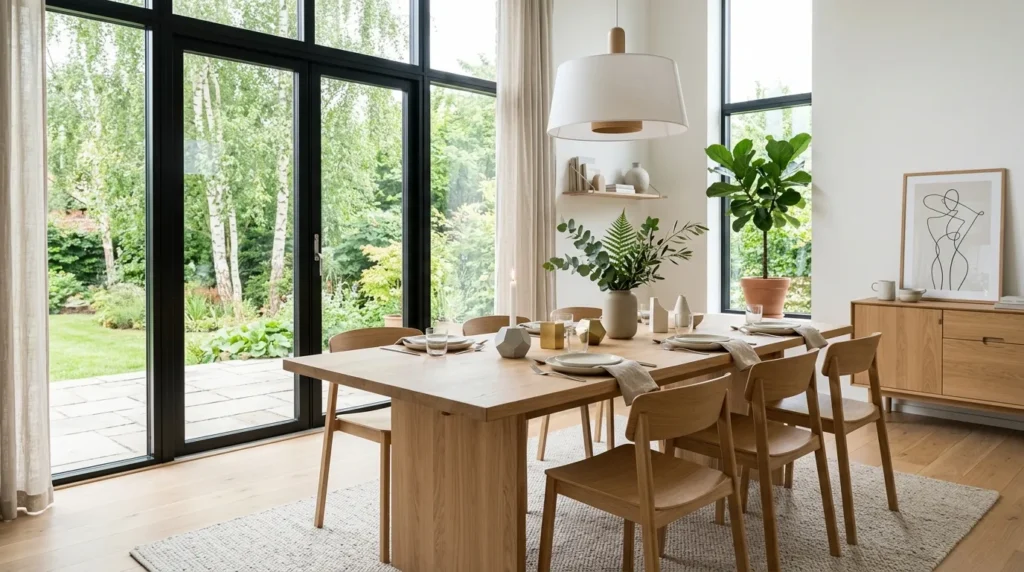
“Modern” in design doesn’t simply mean new. It refers to a specific design sensibility rooted in the modernist movement one that prizes function, clean lines, and honest use of materials. A modern centerpiece typically avoids ornate detailing, favors neutral or earth-toned palettes, and earns its place on the table by being either visually striking or genuinely useful.
The core principles that define modern centerpiece design:
- Minimalism and clean lines: Fewer objects, thoughtfully chosen. Negative space is part of the composition.
- Functionality: A centerpiece that also serves a purpose storing napkins, housing herbs, or holding condiments aligns perfectly with modern values.
- Natural elements and textures: Raw wood, stone, ceramic, linen, and living plants bring warmth to pared-back aesthetics.
- Restrained color palettes: Whites, grays, warm terracottas, muted greens, and black are common. Pops of color come from natural sources fruit, flowers, foliage.
With these principles in mind, here are 10 modern dining table centerpiece ideas to inspire your next refresh.
10 Modern Dining Table Centerpiece Ideas
Idea 1: Sculptural Greenery
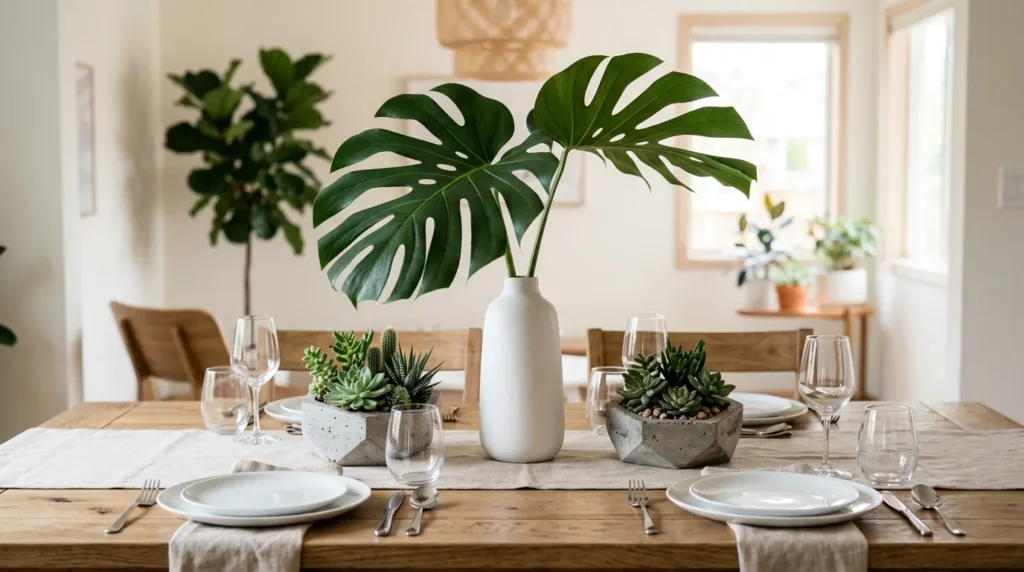
Plants are one of the most versatile tools in a modern decorator’s kit. As centerpieces, they add life, color, and organic texture without demanding much attention.
The key is choosing plants with strong visual structure. Single large leaves such as a monstera cutting placed in a tall, narrow vase make a bold statement with minimal effort. Succulents grouped in a shallow concrete tray offer a lower-profile option with long-lasting appeal. Air plants (tillandsia) work beautifully in geometric metal or glass terrariums, requiring no soil and very little maintenance.
Container choice matters as much as the plant itself. Concrete planters feel architectural. Matte ceramic adds softness. Geometric metal frames introduce an industrial edge. Match the vessel to your existing furniture finishes for a cohesive look.
Idea 2: Geometric and Abstract Forms
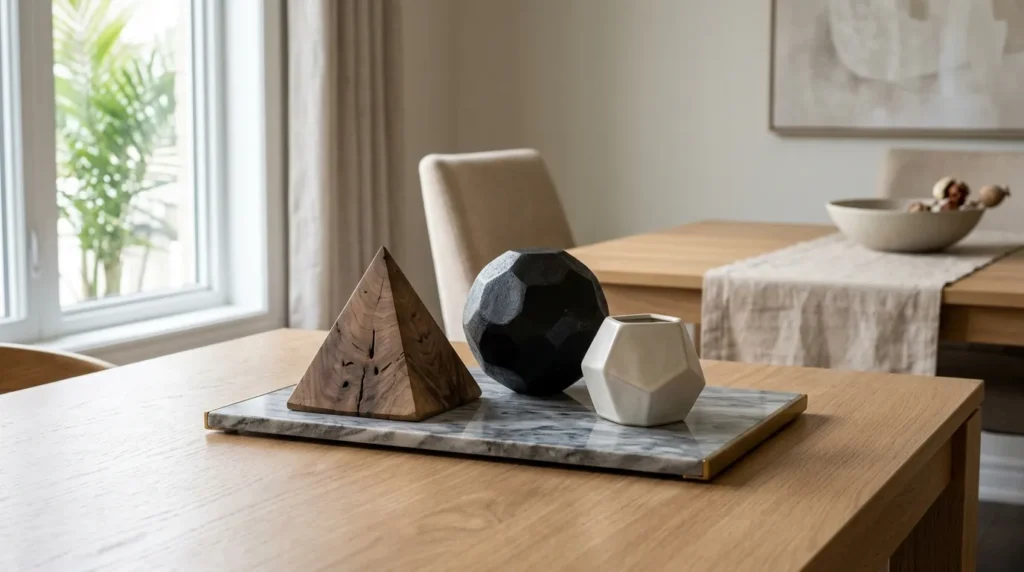
Sculpture doesn’t belong only in galleries. Geometric objects orbs, pyramids, angular abstract forms bring visual weight and artistic credibility to a dining table without introducing clutter.
These pieces work best in threes: vary the height, keep the material palette consistent. A cluster of matte black metal spheres alongside a low wooden pyramid creates rhythm and contrast. Alternatively, a single oversized ceramic orb in a warm neutral glaze can anchor the whole table on its own.
Materials to explore: brushed brass, raw wood, matte-glazed ceramic, and powder-coated steel. Avoid anything too shiny or ornate the goal is quietly confident, not loud.
Idea 3: Elevated Fruit Displays
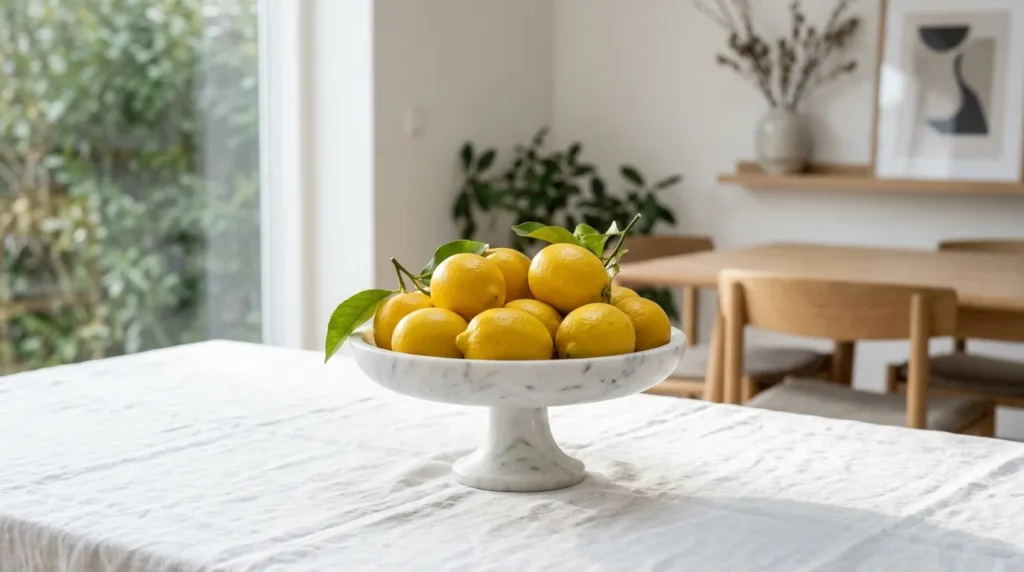
The fruit bowl is one of the oldest centerpiece traditions and one of the most underrated. Updated for a modern aesthetic, it becomes something genuinely striking.
Swap the generic bowl for a tiered stand, a pedestal dish, or a long, low tray. Instead of a mix of whatever’s in season, focus on a single fruit type for a monochromatic effect: a pile of lemons, a cluster of figs, a stack of blood oranges. The repetition is what makes it feel intentional rather than improvised.
Citrus fruits work particularly well their color pops against neutral table linens and they last longer than most cut flowers. Pomegranates, with their deep reds and complex texture, add drama in autumn and winter months.
Idea 4: Industrial Chic Touches
Industrial design brings raw, unfinished materials into domestic spaces and the effect on a dining table can be surprisingly warm when balanced correctly.
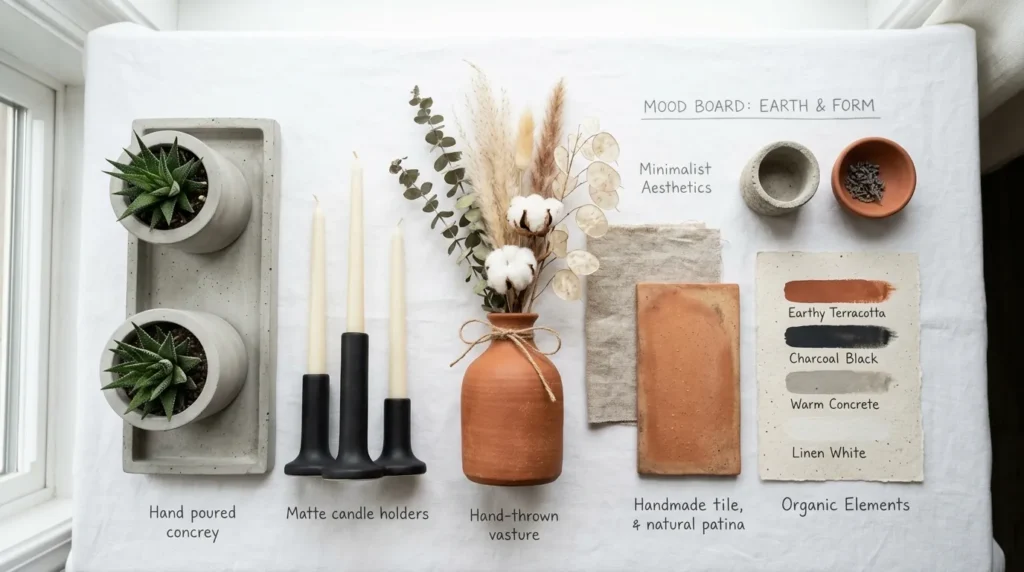
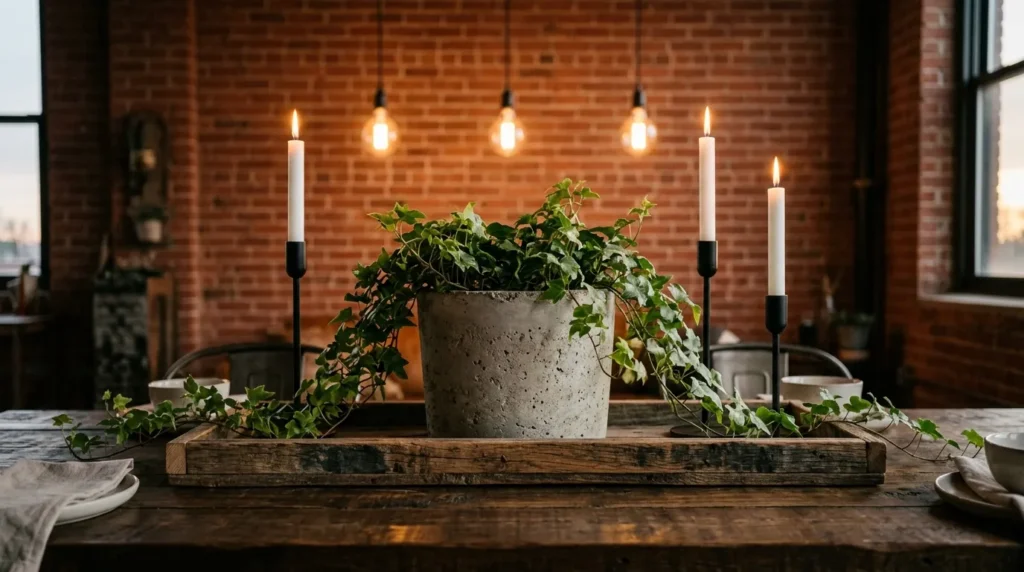
Think concrete planters paired with a simple trailing vine. A cluster of Edison-style bulb candle holders in matte black metal. A slab of unfinished walnut used as a tray for smaller objects. These textures have weight and character that mass-produced decor often lacks.
The trick with industrial styling is softening. A concrete centerpiece alone feels cold; paired with a linen table runner and a sprig of dried eucalyptus, it becomes grounded and livable.
Idea 5: Layered Textures with Trays and Runners
A tray is one of the most practical tools in centerpiece design. It defines the centerpiece zone, keeps objects from migrating, and makes it easy to clear the table in one move.
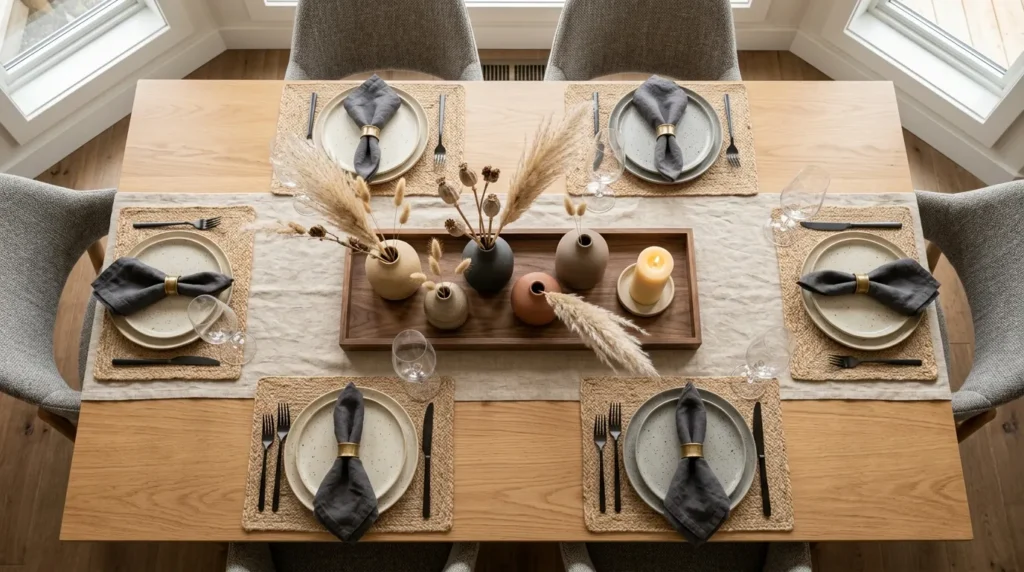
Start with a foundation: a wooden tray, a marble slab, or a woven rattan base. Lay a linen runner beneath it for additional texture. Then layer objects of varying heights a short candle here, a small ceramic vessel there, a dried stem or two for height. The arrangement should feel relaxed, not fussy.
Materials mix well when they share a tonal relationship. Light oak, cream linen, and pale stone belong together. Dark walnut, black metal, and deep terracotta form an equally strong combination.
Idea 6: Minimalist Candle Arrangements
Candles are the most forgiving centerpiece element. They add ambiance, warmth, and vertical interest and they’re endlessly adjustable.
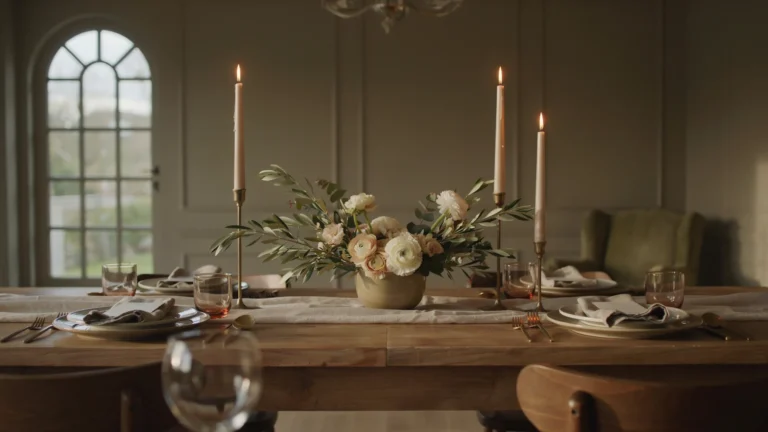
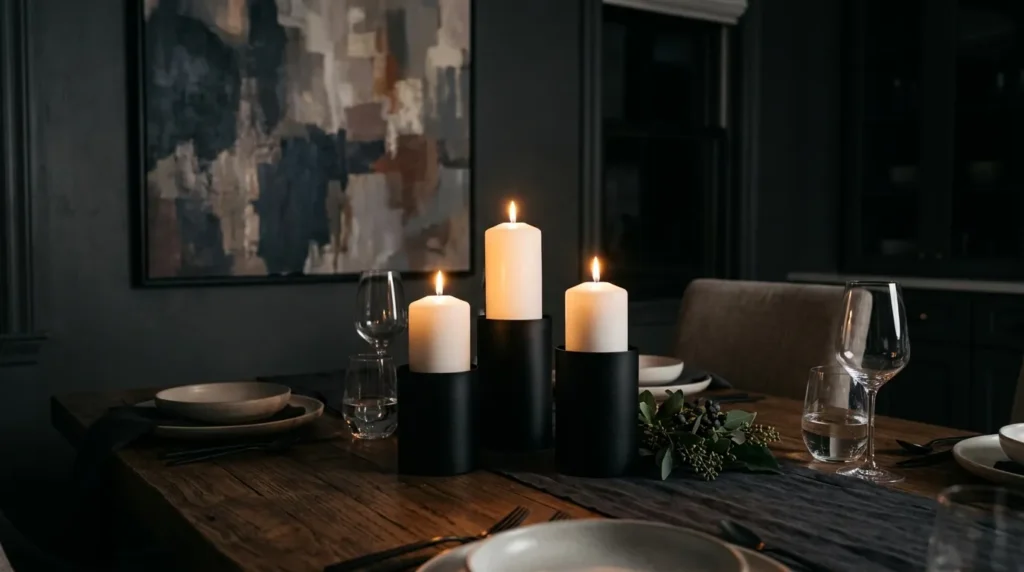
For a modern look, simplicity is everything. Three pillar candles of varying heights grouped together beats a symmetrical candelabra every time. Tapered candles in a single matte black holder have a quiet elegance. Floating candles in a low glass bowl add movement and softness to more formal settings.
Holder finishes to consider: frosted glass, matte black, brushed brass, and raw concrete. Avoid overly decorative holders the candle itself is the feature.
Idea 7: Artisanal Pottery and Ceramics
Handcrafted ceramics bring something no factory-made object can: visible evidence of a human hand. The slight irregularities in shape, the variance in glaze these details make a piece feel alive on a table.
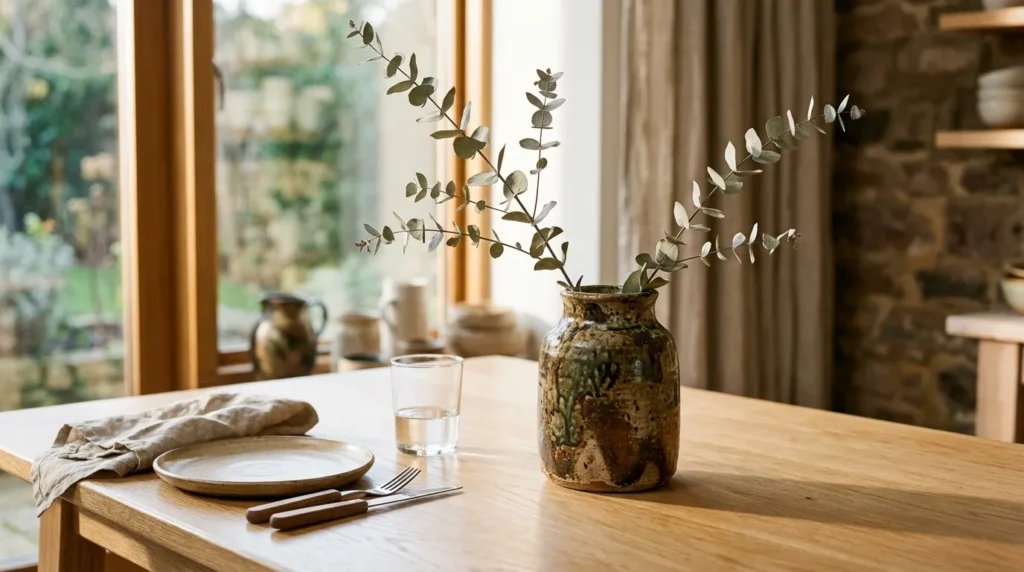
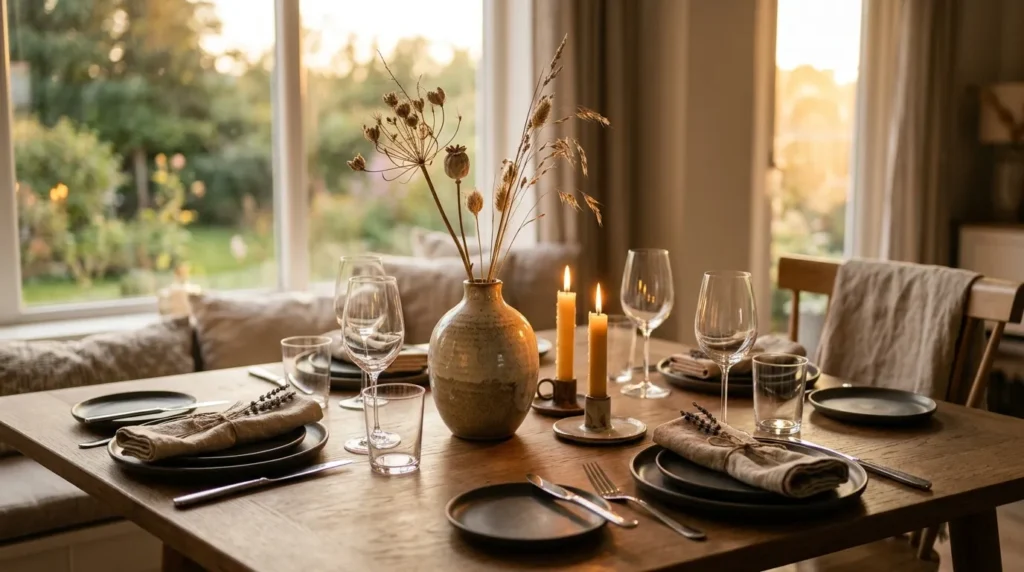
A single tall vase with an unusual glaze can anchor a minimal centerpiece without any supporting objects. A cluster of small ceramic bowls in complementary earthy tones works beautifully on a longer table. Pair artisanal ceramics with a single stem arrangement one dramatic branch or a few dried seed heads to let both the vessel and the botanical breathe.
Source from local ceramic artists or makers’ markets for pieces that feel genuinely unique.
Idea 8: Books and Curated Objects
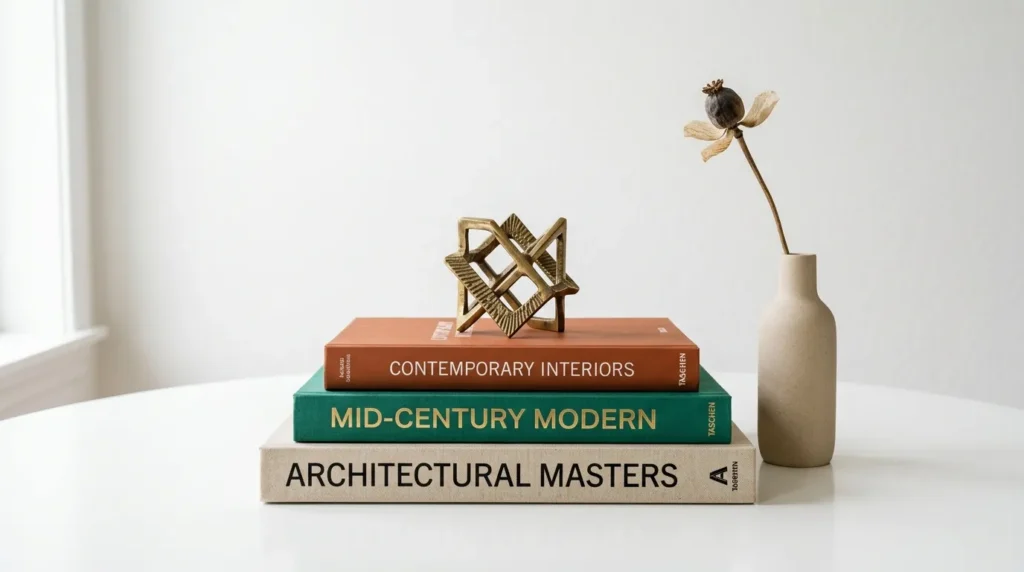
A small stack of design or art books makes for an unexpectedly sophisticated centerpiece particularly when paired with a sculptural object or two. This approach works especially well for those who find traditional centerpiece styling intimidating: the result feels personal, not performative.
Stack two or three large-format books horizontally. Place a small sculptural object on top a smooth stone, a brass paperweight, a tiny ceramic figure. Add a low vessel with a single flower or dried stem beside the stack.
The key is curation. Every object should feel chosen, not gathered. Limit yourself to five elements maximum, and make sure each one earns its place.
Idea 9: Seasonal and Foraged Elements
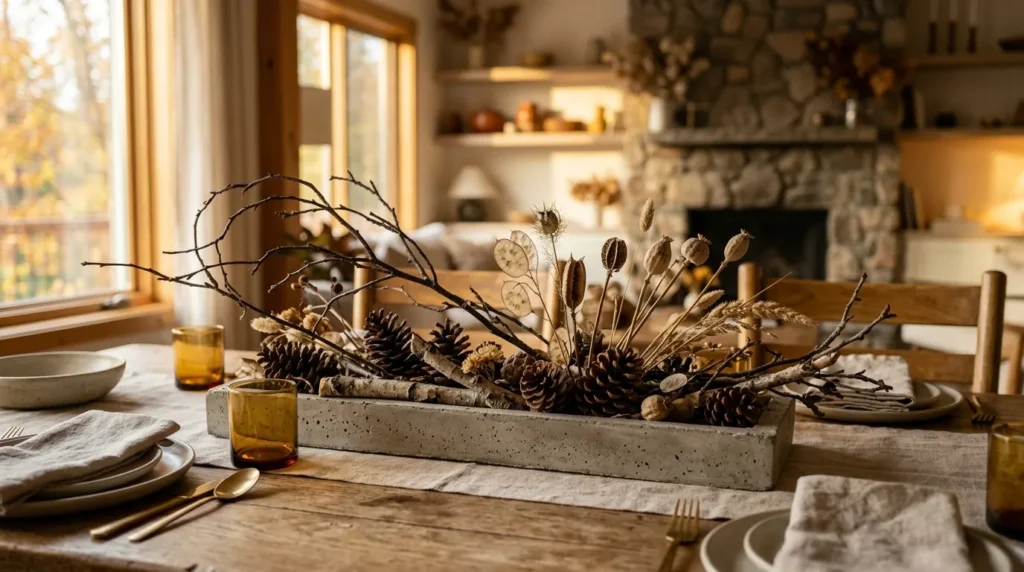
Bringing seasonal, foraged, or garden-gathered elements to the dining table is one of the most sustainable and deeply personal approaches to centerpiece design. It also changes automatically with the calendar, keeping your space feeling fresh without requiring a shopping trip.
Spring calls for wildflowers and fresh budding branches. Summer welcomes tall grasses and bold dahlias. Autumn is the season for bare branches, pinecones, and deep-colored dried foliage. Winter lends itself to evergreen cuttings, holly, and simple white candles.
When foraging, stick to abundant, non-protected species and avoid taking more than you need. Many items seed pods, dried grasses, autumn leaves can be preserved and reused across multiple seasons.
Idea 10: Interactive and Functional Centerpieces
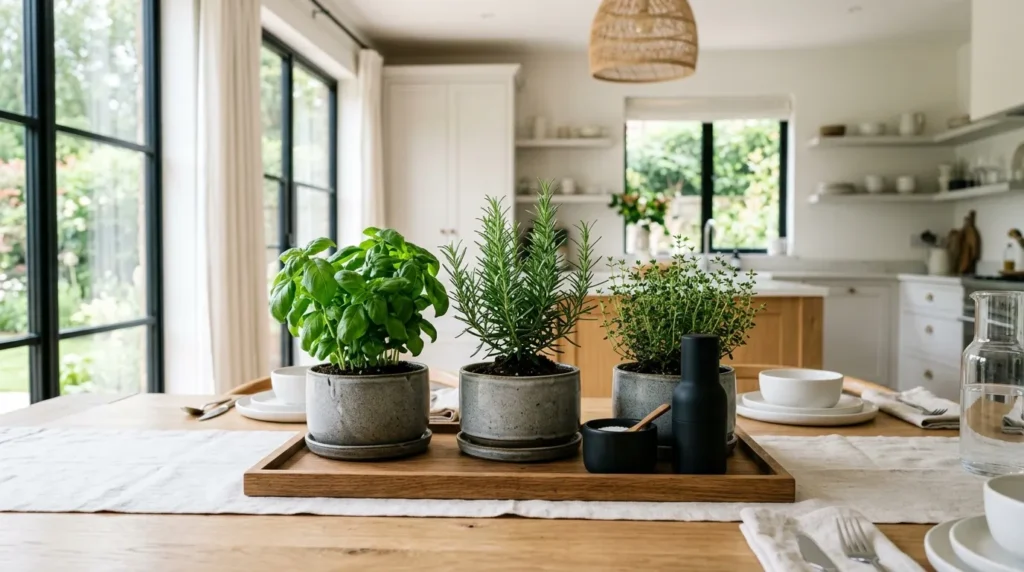
A centerpiece that serves a real purpose during the meal is both modern in philosophy and genuinely practical. Functionality as design is a core tenet of contemporary interiors and the dining table is an ideal place to apply it.
Small herb gardens in low terracotta or ceramic planters let guests snip fresh basil or rosemary directly into their dishes. A beautifully arranged collection of salt, pepper, and small condiment dishes selected for their visual appeal as much as their utility removes the need to interrupt a meal to search for seasonings. For casual gatherings, a conversation card deck or a compact game placed at the center of the table can set the tone for the evening.
The most successful functional centerpieces balance utility with restraint. Everything on the table should look deliberate.
How to Choose and Arrange a Modern Dining Table Centerpiece
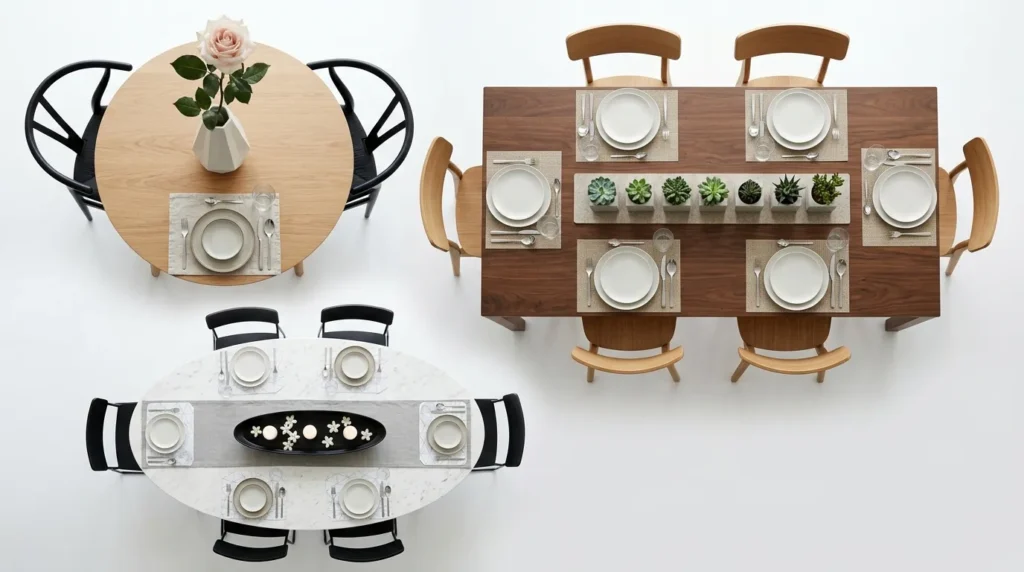
Great centerpiece design starts with proportion. A centerpiece that’s too tall blocks sightlines and conversation. One that’s too low disappears visually. A general rule: keep the tallest element below 12 inches for a standard dining table, or above 24 inches for tall arrangements that clear sightlines entirely.
Consider the scale of your table as a whole. A 12-seat farmhouse table can carry a longer, more complex arrangement. A four-seater round table needs a single strong focal point not a collection of objects fighting for attention.
Beyond scale, a few practical principles:
- Keep it moveable. A centerpiece that takes ten minutes to relocate will frustrate you every time guests need more table space.
- Reflect your personal style. The best centerpieces feel like an extension of the people who live there not a showroom display.
- Balance without symmetry. Perfect symmetry can feel stiff. Vary heights and textures while maintaining visual equilibrium.
Keeping Your Centerpiece Looking Its Best
Even the most well-chosen centerpiece requires occasional maintenance. The approach depends on the materials involved.
Living plants need regular watering, appropriate light, and seasonal replacement when they outgrow their vessels. Succulents and air plants are the lowest-maintenance options.
Ceramic and sculptural objects collect dust quickly on a dining table. A weekly wipe with a dry microfiber cloth keeps them looking clean without risking damage to delicate glazes.
Candles should be trimmed to a quarter inch before each use to prevent soot buildup on surrounding objects.
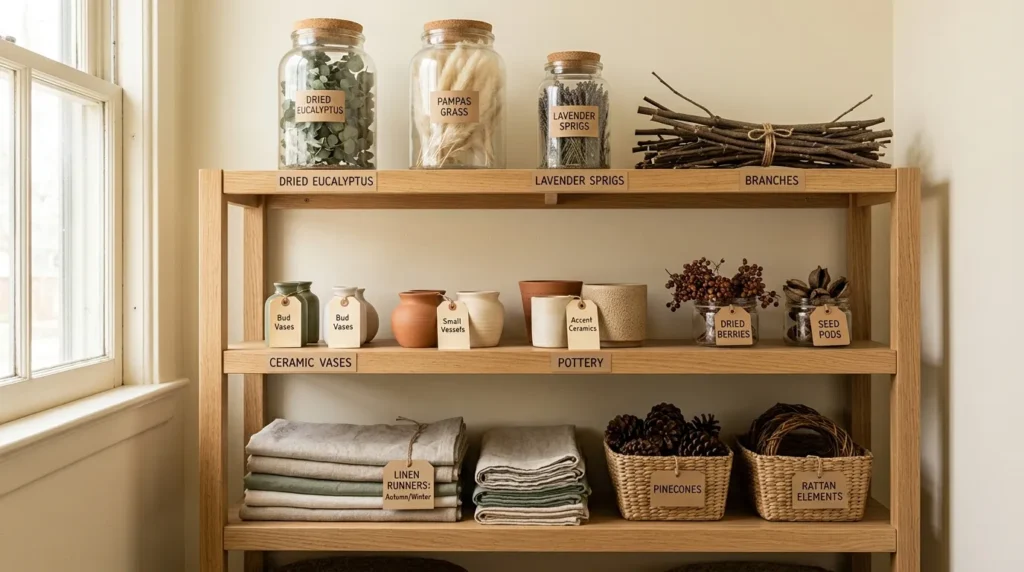
Seasonal updates don’t require a complete overhaul. Swapping one or two elements a different dried stem, a seasonal fruit, a new linen runner can refresh the whole arrangement without starting from scratch. Store off-season elements in a single dedicated box so everything is easy to find when the time comes.
Start Small, Edit Often
Modern centerpiece design rewards thoughtfulness over accumulation. The philosophy is simple: choose fewer things, choose them carefully, and let them breathe. A single ceramic vase with one striking branch will outlast any crowded arrangement on the table of visual memory.
Start with one idea from this list that resonates with your existing dining space. Live with it for a week. Edit it. Add one element, remove another, and observe how the table feels. That iterative approach trying, adjusting, refining is exactly how the most considered interiors come together.
Your dining table is worth the effort. It’s where meals are shared, conversations happen, and ordinary evenings become something worth remembering.
Frequently Asked Questions
What makes a good modern dining table centerpiece?
A good modern dining table centerpiece balances visual interest with restraint. It should complement not compete with the rest of the dining space. Key elements include natural textures, a cohesive color palette, appropriate scale, and either sculptural appeal or functional purpose.
How tall should a dining table centerpiece be?
For standard dining tables, keep centerpiece height below 12 inches to preserve sightlines across the table, or go above 24 inches for tall, slender arrangements that guests can see beneath. Mid-range heights between 12 and 24 inches tend to block eye contact and conversation.
What are the most low-maintenance modern centerpiece options?
Succulents, air plants, geometric sculptures, artisanal ceramics, and foraged dried botanicals are all low-maintenance options. They don’t wilt, require minimal cleaning, and can last for months or years without replacement.
How do I update my dining table centerpiece seasonally without spending much?
Focus on one or two swappable elements: a linen runner, a seasonal fruit, a foraged branch, or a new candle color. Keep a small box of off-season items stored away so you can rotate without buying new pieces each time.
Can a centerpiece be both decorative and functional?
Yes and combining both is a hallmark of modern design. Small herb gardens, curated condiment collections, and conversation card decks are all examples of centerpieces that serve a real purpose during the meal while remaining visually intentional.
What size centerpiece suits a small dining table?
For small tables (seating four or fewer), a single focal object works best one ceramic vase, a small sculptural cluster, or a low tray arrangement. Limit the number of elements to three or fewer so the table doesn’t feel crowded when place settings are added.