Frugal pantry organization means tidying and managing your food storage using items you already own, such as jars, boxes, and dollar store bins, instead of investing in expensive storage systems. Start with a pantry audit, declutter expired goods, group similar items into functional zones, and use the first-in, first-out method. The payoff is less food waste, lower grocery bills, and faster, stress-free meal preparation.
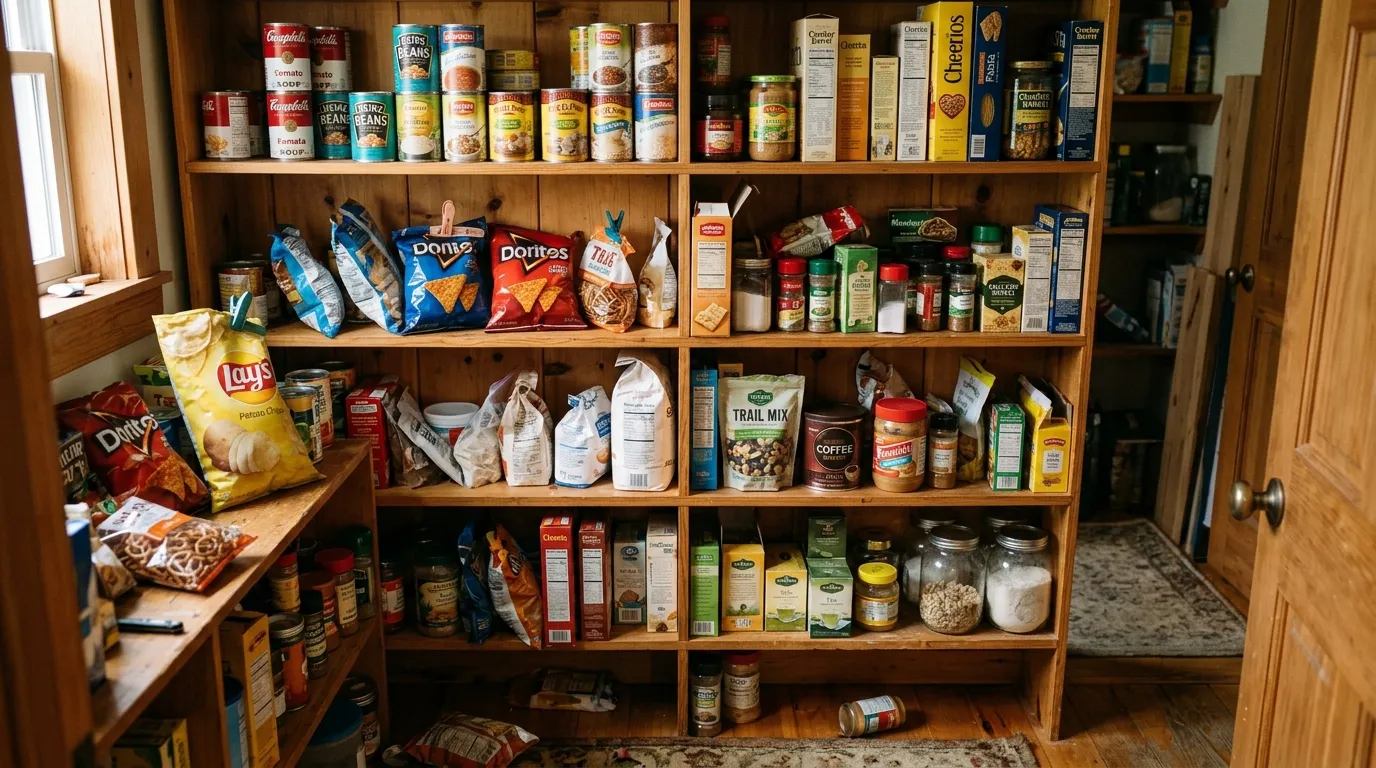
If you’re looking for practical ways to get started, The Smartest Frugal Pantry Organization Tips for Beginners will walk you through simple, budget-friendly strategies that really work. A messy pantry costs you more than you think. When you can’t see what you have, you buy duplicates, forget about food until it expires, and waste money on takeout because dinner feels like too much effort. The good news is that fixing this doesn’t require a Pinterest-worthy budget or matching containers from a fancy store.
Frugal pantry organization is about working smarter with what you already own. You’ll learn how to assess your current setup, create cheap storage solutions, stock staples wisely, and keep everything running smoothly long-term. These tips are beginner-friendly, so you don’t need any special skills just a free afternoon and a willingness to start.
By the end of this post, you’ll know exactly how to turn a chaotic shelf into an organized, money-saving system. Let’s dig in.
What is frugal pantry organization, and why does it matter?
Frugal pantry organization is the practice of arranging and managing your food storage using low-cost or free resources. Instead of spending hundreds on designer canisters and label makers, you repurpose containers you already have and shop smart for the few tools you need.
For beginners, an organized pantry is a game-changer. According to the U.S. Department of Agriculture, American households throw away roughly 30–40% of their food supply each year. A tidy pantry helps you see what you own, use it before it spoils, and stop buying things you already have.
The benefits go beyond a pretty shelf. An organized pantry saves money, cuts food waste, and makes cooking less stressful. When everything has a place, you spend less time digging and more time actually eating well.
How do you assess your current pantry before organizing?
Before you buy a single bin, you need to know what you’re working with. This first step is called a pantry audit, and it’s the foundation of the whole process.
What should you look for during a pantry audit?
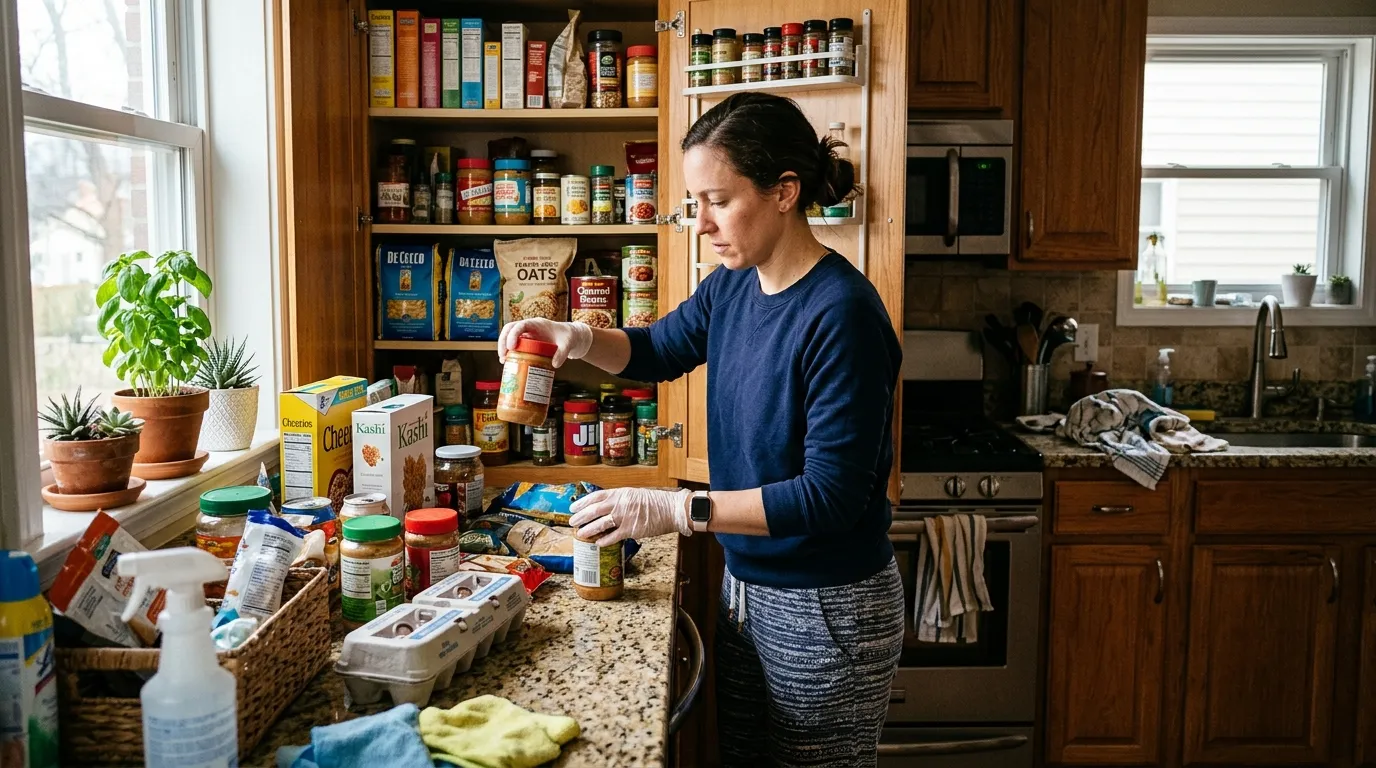
Pull everything out of your pantry and place it on a table or countertop. Yes, everything. This lets you see exactly what you own and spot duplicates, forgotten items, and hidden messes. You’ll likely find three half-empty bags of rice or that mystery can lurking in the back corner.
As you empty the shelves, wipe them down. A clean surface makes the fresh start feel real.
How do you declutter expired and unused items?
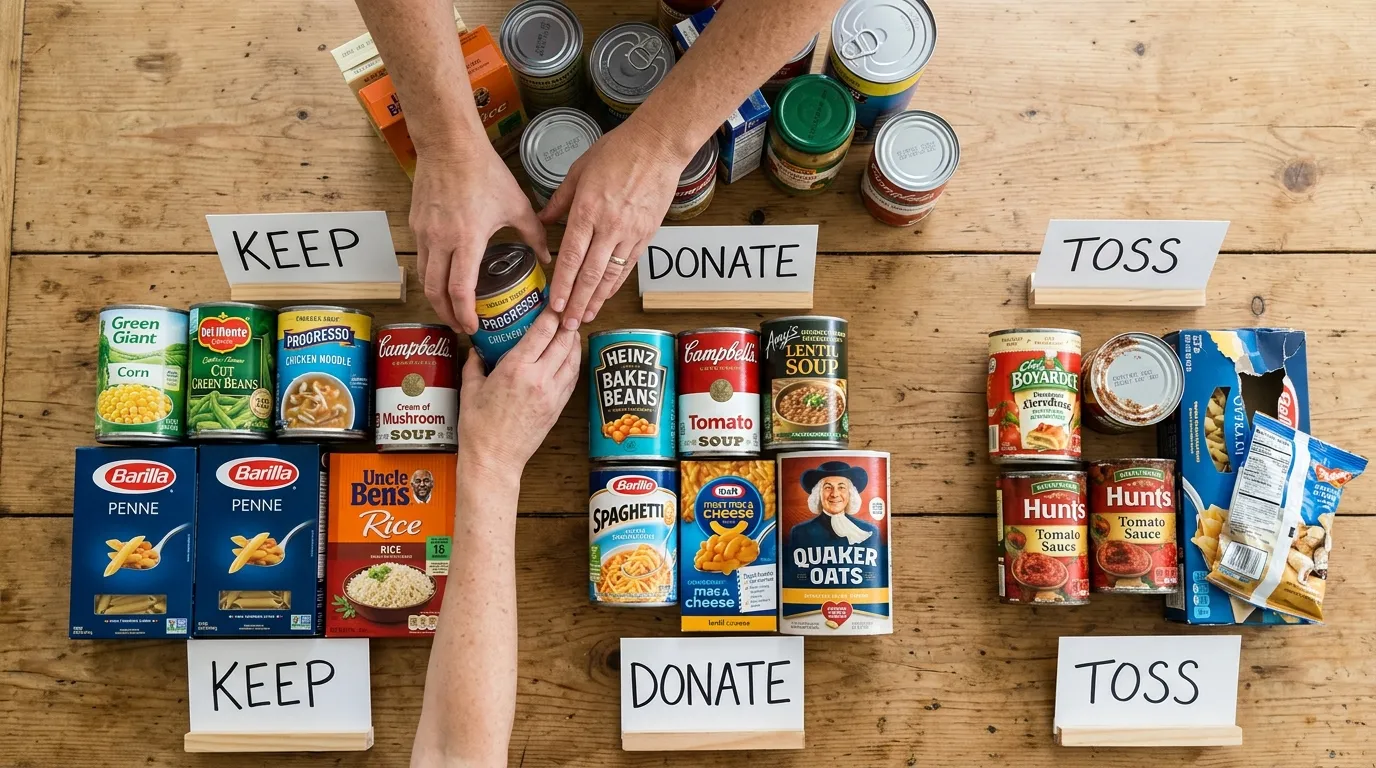
Now sort through everything with a critical eye. Check expiration dates and toss anything past its prime. Be honest about the items you bought on a whim but never used if that jar of specialty sauce has sat untouched for a year, it’s taking up valuable space.
Create three piles: keep, donate, and toss. Unopened, non-expired items you won’t use can go to a local food bank. This clears clutter and helps someone in need.
How should you categorize your pantry items?
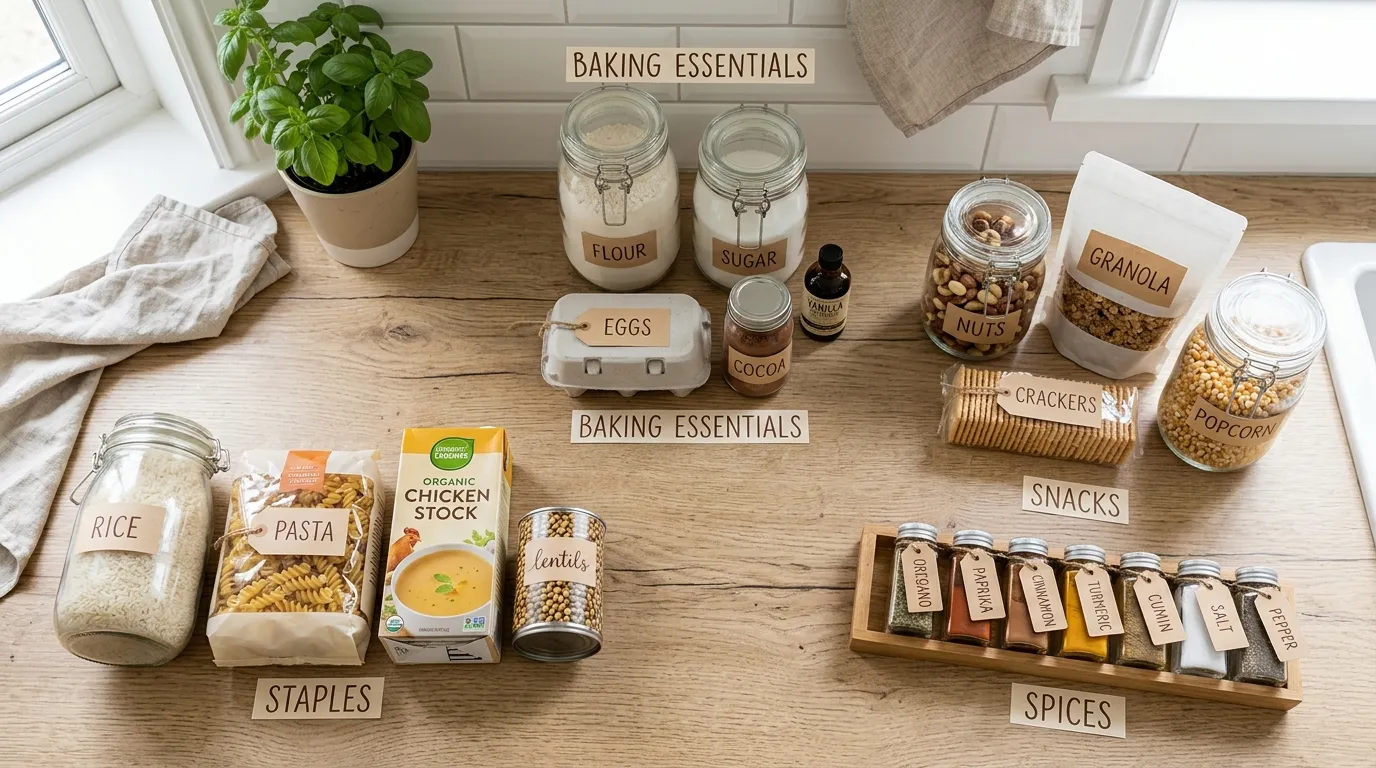
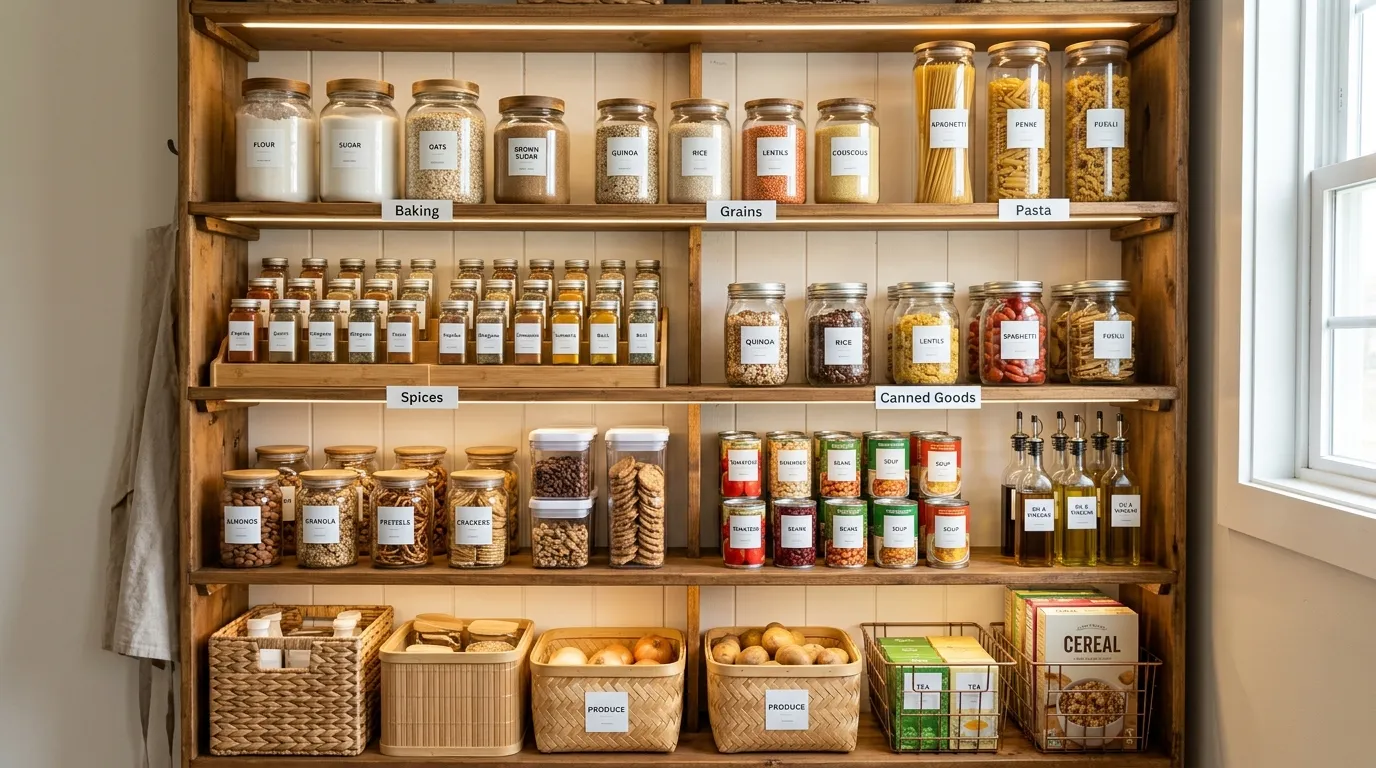
Group your keepers into clear categories. Common groupings include:
- Staples: rice, pasta, flour, sugar
- Baking: chocolate chips, baking soda, vanilla
- Snacks: crackers, chips, granola bars
- Spices: salt, pepper, dried herbs
- Canned goods: beans, tomatoes, soups
Categorizing now makes the next steps easier. When similar items live together, you’ll always know where to find and restock what you need.
What are the best budget storage solutions for a pantry?
You don’t need to spend much to get organized. Some of the most effective storage solutions cost nothing at all.
How can you repurpose containers you already own?
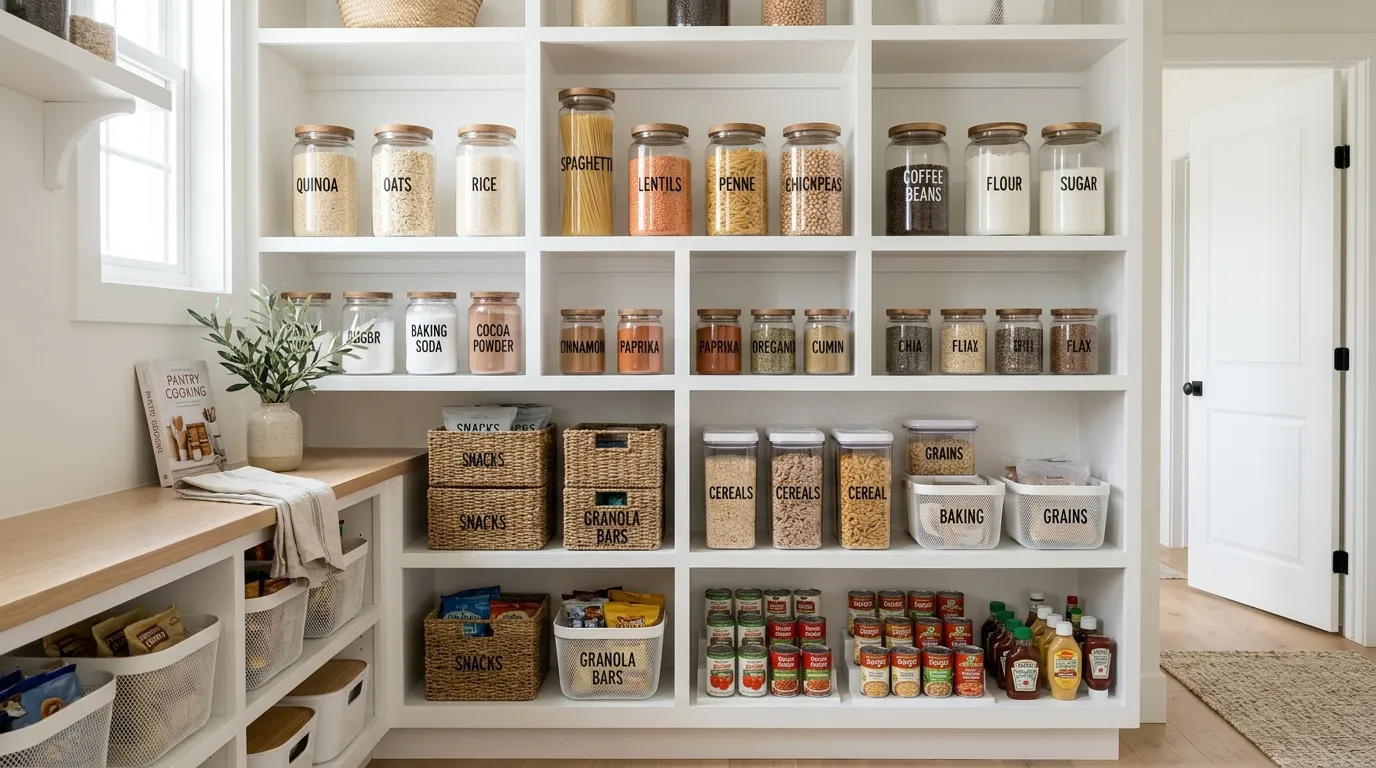
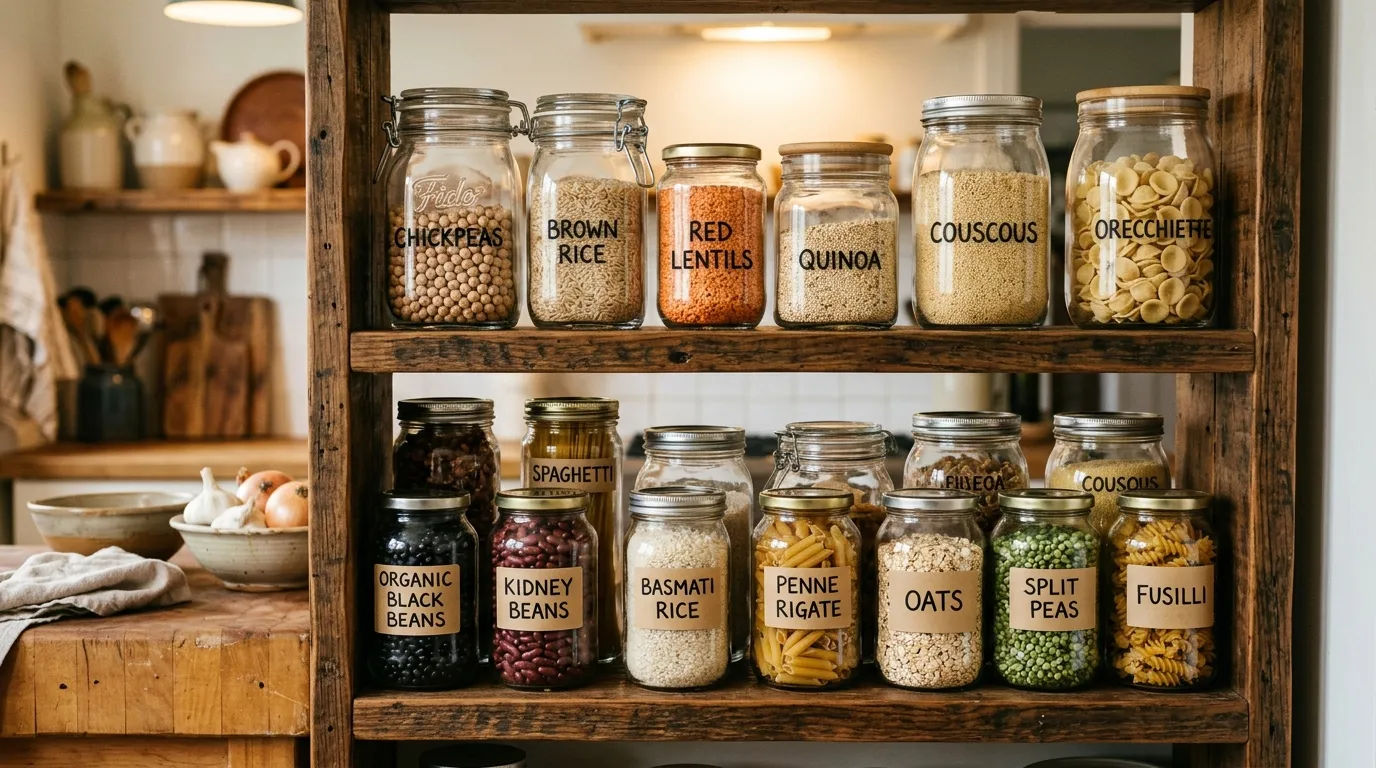
Look around your kitchen before shopping. Empty glass jars from pasta sauce or pickles make excellent containers for dry goods like beans, oats, and spices. Just wash them, peel the labels, and fill them up. Sturdy cardboard boxes can corral packets and pouches.
Repurposing saves money and keeps usable items out of the landfill a win for your wallet and the planet.
What are some easy DIY pantry storage ideas?
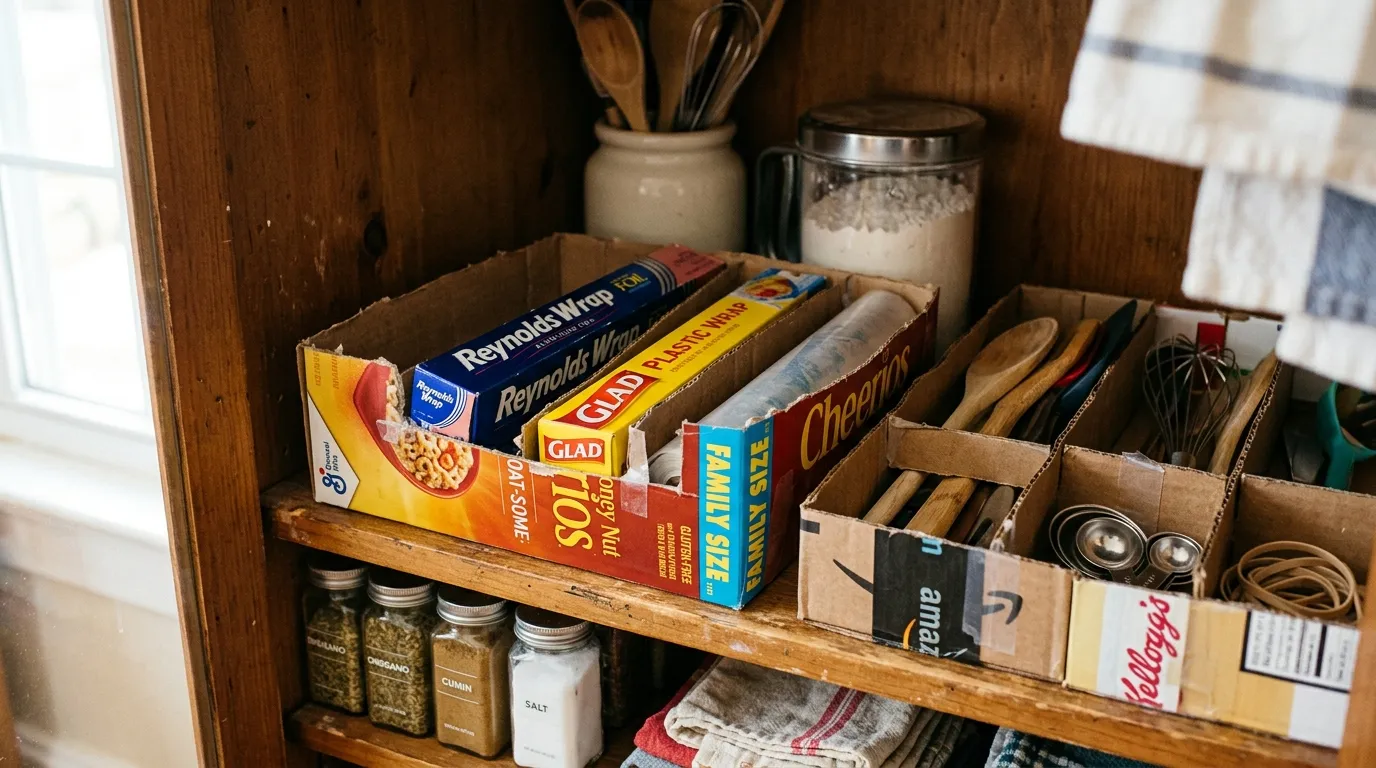
Get creative with materials you’d normally recycle. Cut down an empty cereal box at an angle to create a magazine-style holder for foil, plastic wrap, and snack packets. Cardboard inserts can divide a deep drawer into neat sections.
These DIY fixes won’t win design awards, but they work. And since they’re free, you can experiment without worrying about wasted money.
Which affordable organizing tools are worth buying?
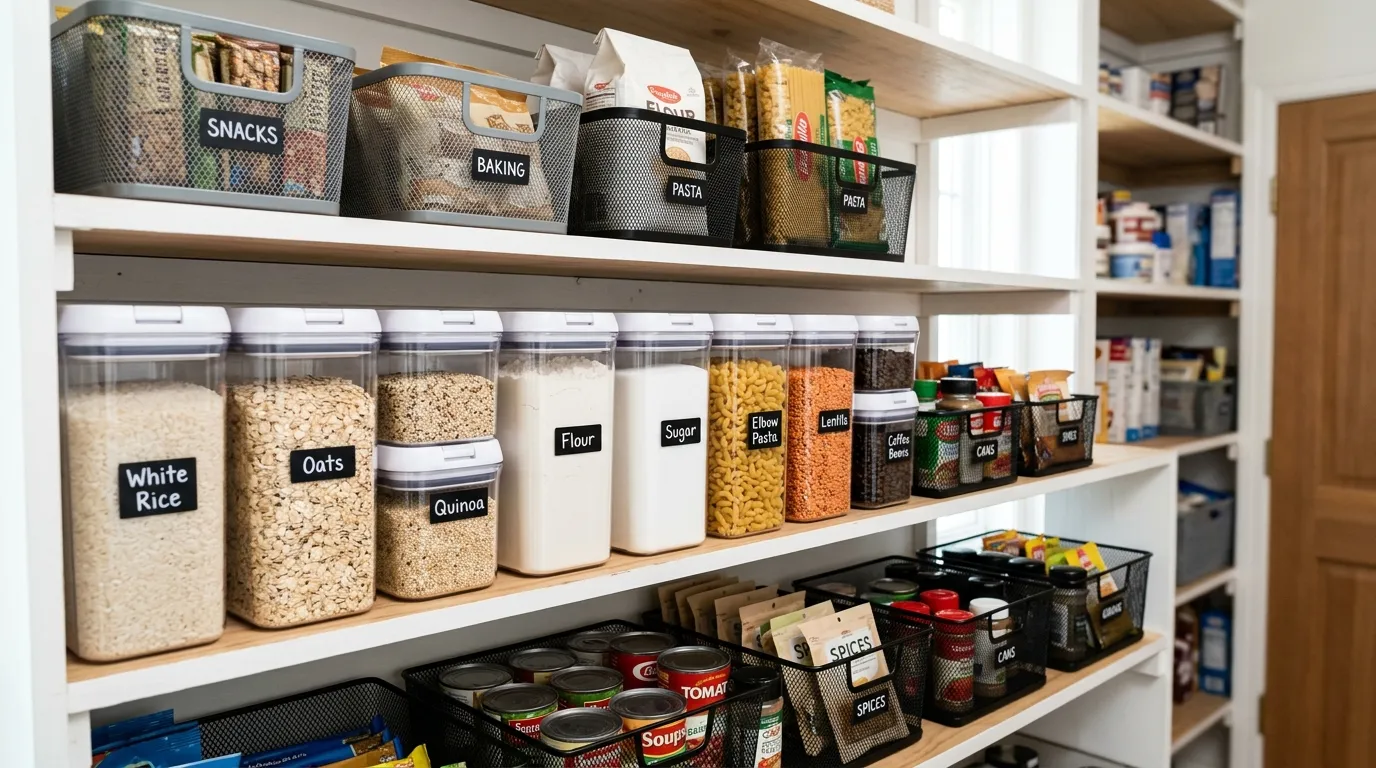
When you do want to buy a few items, head to the dollar store first. Mesh bins, clear plastic containers, and small baskets usually cost a dollar or two each. Clear containers are especially handy because you can see the contents at a glance.
Choose square or rectangular bins over round ones they fit together with less wasted space. Buy a few, test your system, and add more only if you need them.
How do you maximize pantry space and efficiency?
Once you have your containers, it’s time to arrange everything for maximum function. Smart placement makes a small pantry feel twice as big.
How can you use vertical space in your pantry?
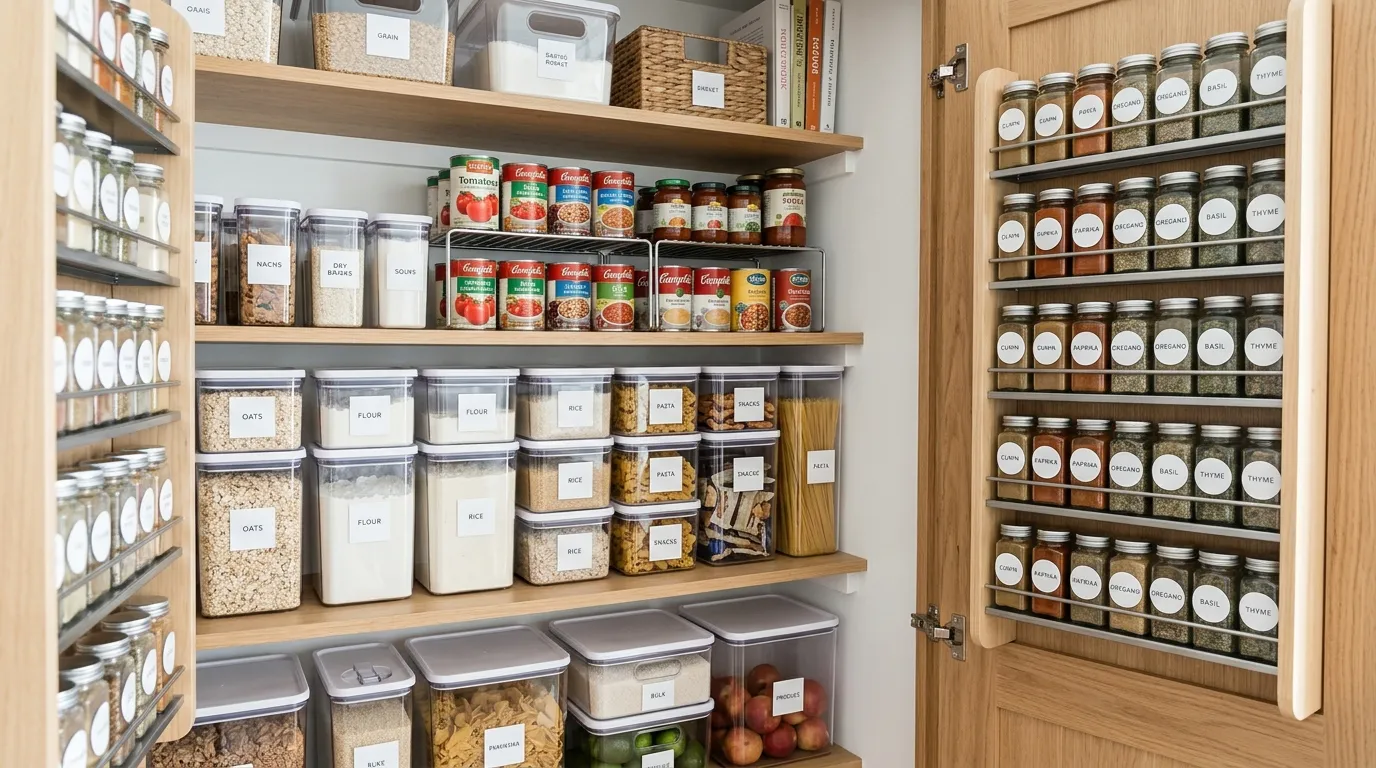
Most pantries waste the air above each shelf. Add stackable bins or an inexpensive wire shelf riser to double your usable space. Store lightweight, rarely used items up high and keep daily essentials at eye level.
If you have wall or door space, a hanging rack can hold spices or snacks without taking up shelf room.
What is pantry zoning, and how does it help?
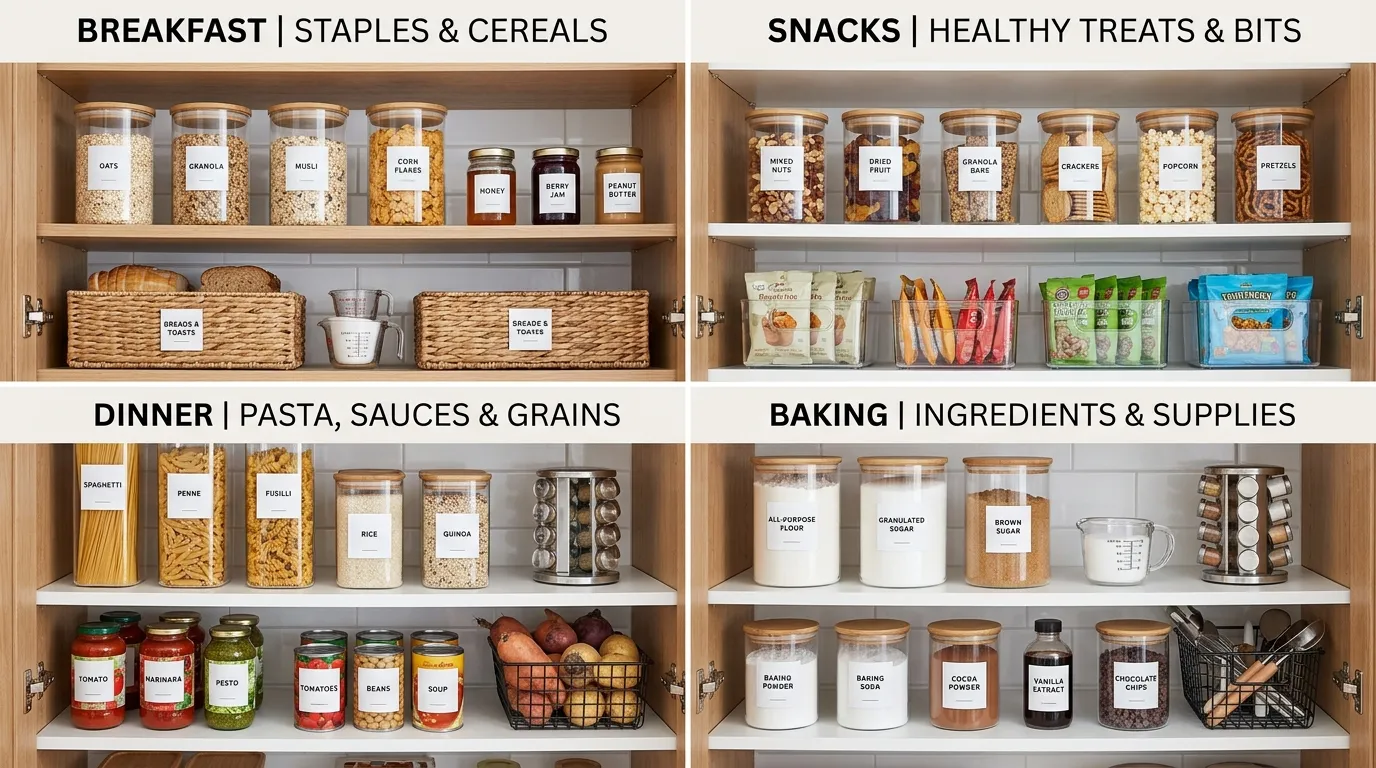
Zoning means creating dedicated areas for each type of food. Set up a breakfast zone with cereal and oatmeal, a dinner zone with pasta and sauces, a snack zone for the kids, and a baking zone for your supplies.
Zones make cooking faster because you always know where to look. They also make grocery unpacking quicker everything has an obvious home.
How does the first-in, first-out method reduce waste?
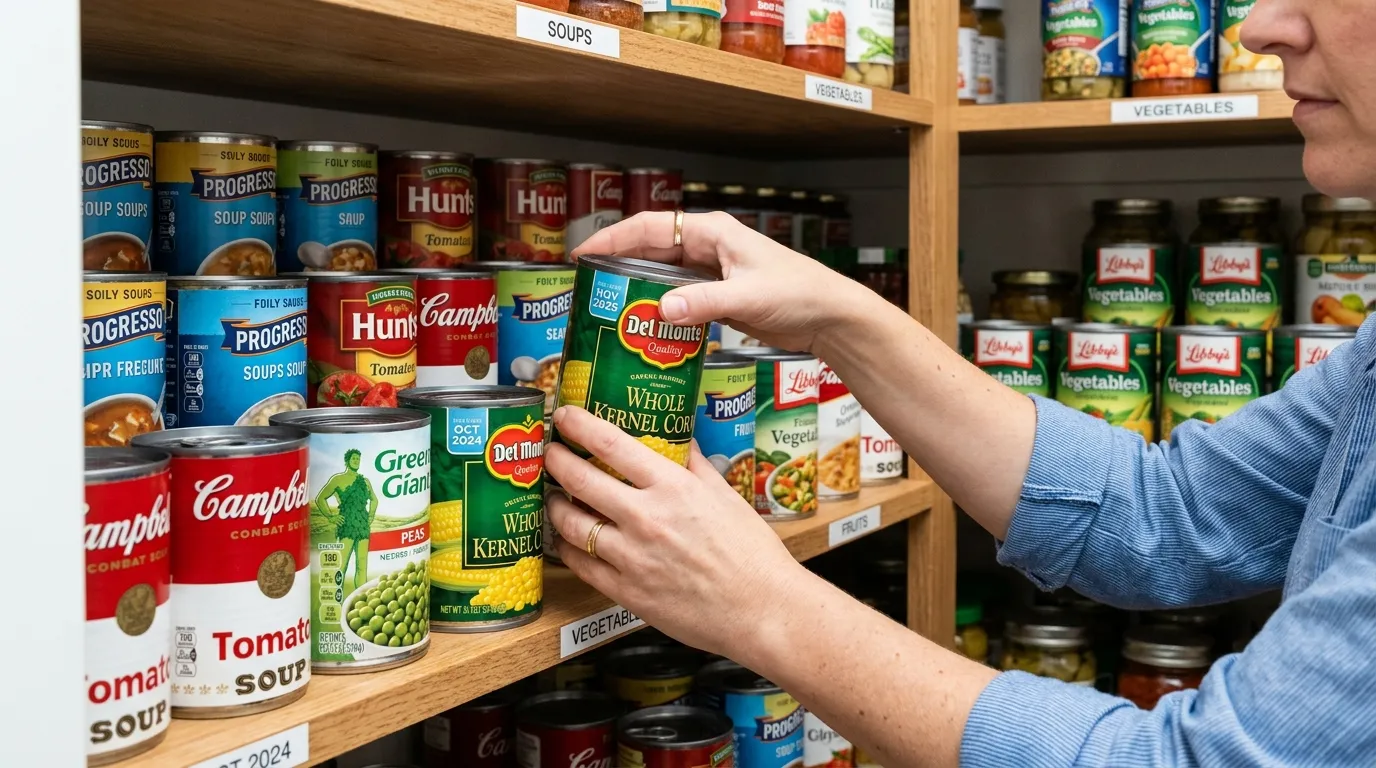
The first-in, first-out (FIFO) method is simple: place newer items behind older ones, so you use the oldest first. Grocery stores use this exact trick to keep stock fresh.
When you restock, push existing items forward and slide the new ones to the back. This small habit prevents food from expiring unnoticed and saves real money over time.
How do you stock a frugal pantry the smart way?
An organized pantry only saves money if you fill it wisely. The right staples stretch your budget and form the base of countless cheap, filling meals.
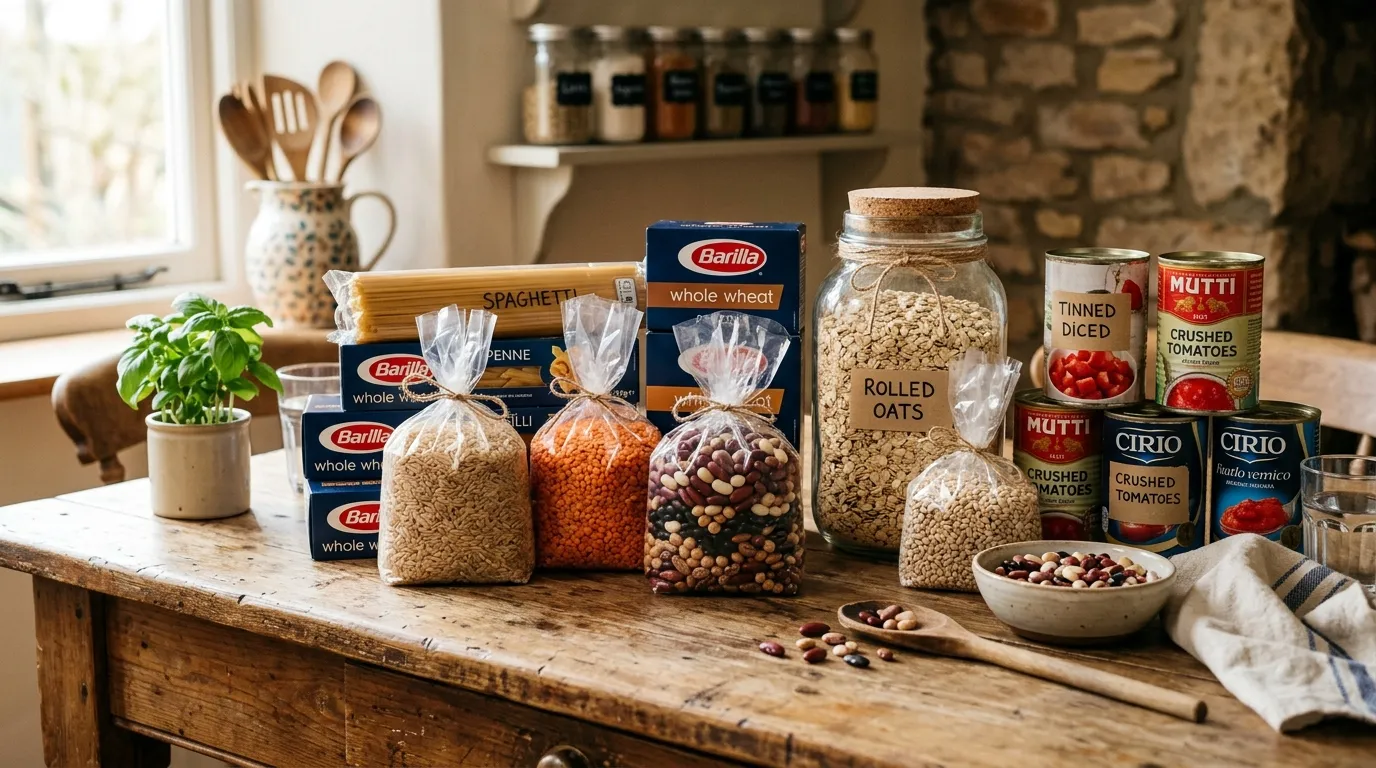
What are the best frugal pantry staples to keep?
Build your pantry around affordable, versatile basics:
- Rice: cheap, filling, and works in dozens of dishes
- Pasta: quick meals on busy nights
- Dried or canned beans: protein for pennies
- Oats: breakfast, baking, and snacks
- Canned tomatoes: the base for sauces and soups
These ingredients last a long time and combine into endless meals, giving you the most nutrition per dollar.
How do you buy in bulk without wasting food?
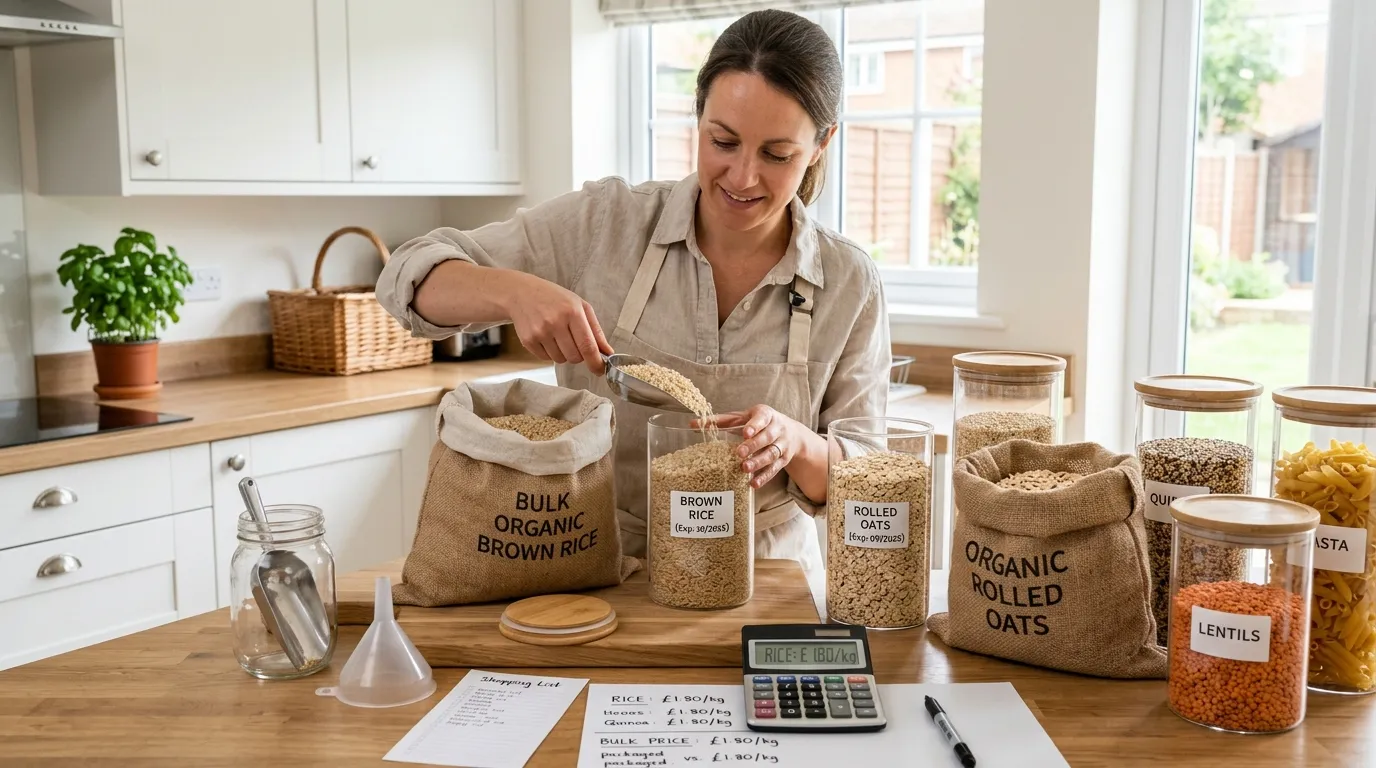
Buying in bulk saves money, but only if you’ll actually use what you buy. Stick to bulk purchases of non-perishables you know you eat often, like rice and pasta. Skip bulk amounts of items that spoil fast unless you can freeze portions.
Always check the unit price, not just the sticker price. Sometimes the smaller package is the better deal. And make sure you have proper storage to keep bulk goods fresh and pest-free.
How can meal planning around your pantry reduce waste?
Before shopping, look at what you already have and build meals around it. If you’ve got beans, rice, and canned tomatoes, that’s chili or a burrito bowl with little extra cost.
Planning meals this way uses up what you own before it expires. You’ll shop less often, spend less, and waste almost nothing.

What are advanced frugal pantry organization hacks?
Once the basics are in place, a few extra habits keep your pantry working hard for you.
Should you use a digital or physical pantry inventory?
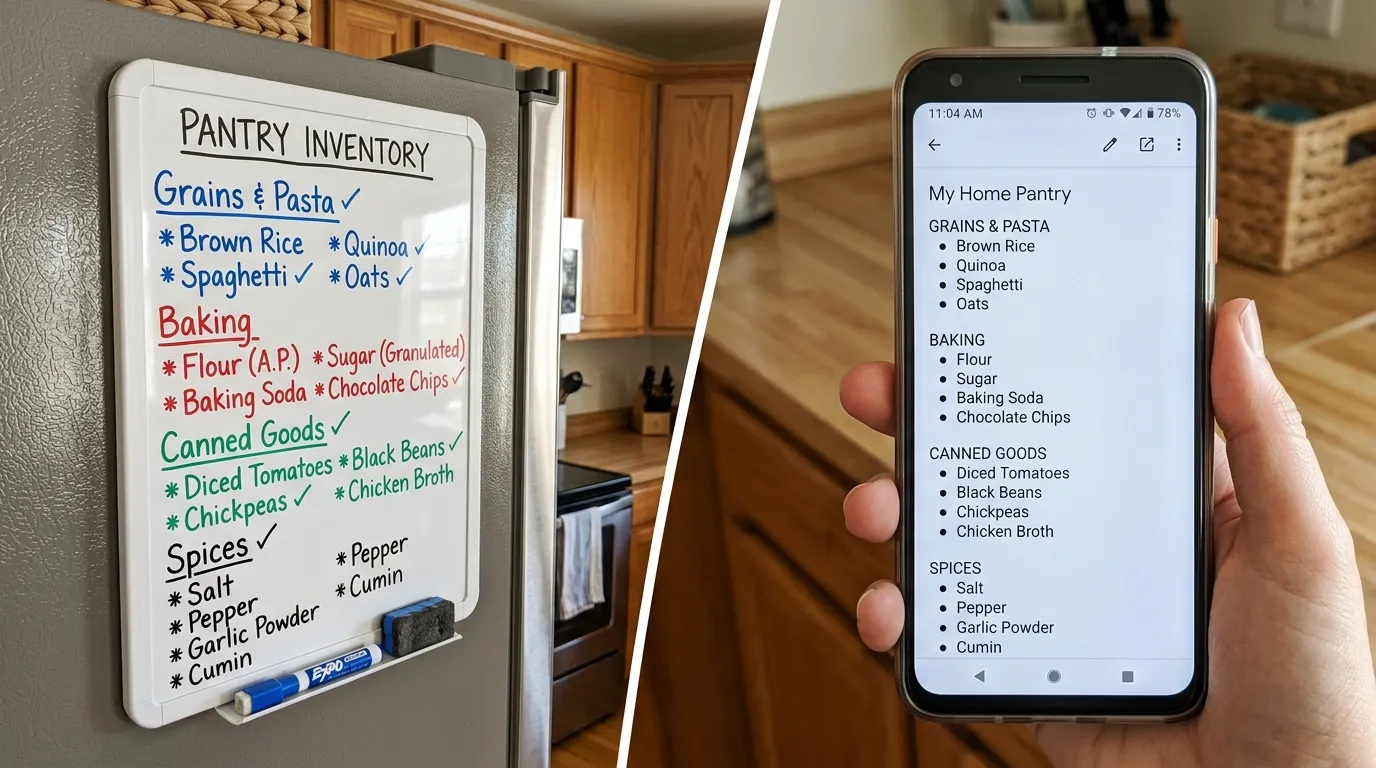
Keeping a running list of what you own prevents over-buying. A physical list on the fridge works well if you prefer pen and paper. A free notes app on your phone means your inventory is always with you at the store.
Choose whichever you’ll actually maintain. The best system is the one you stick with.
Why should you create a “use-it-up” basket?
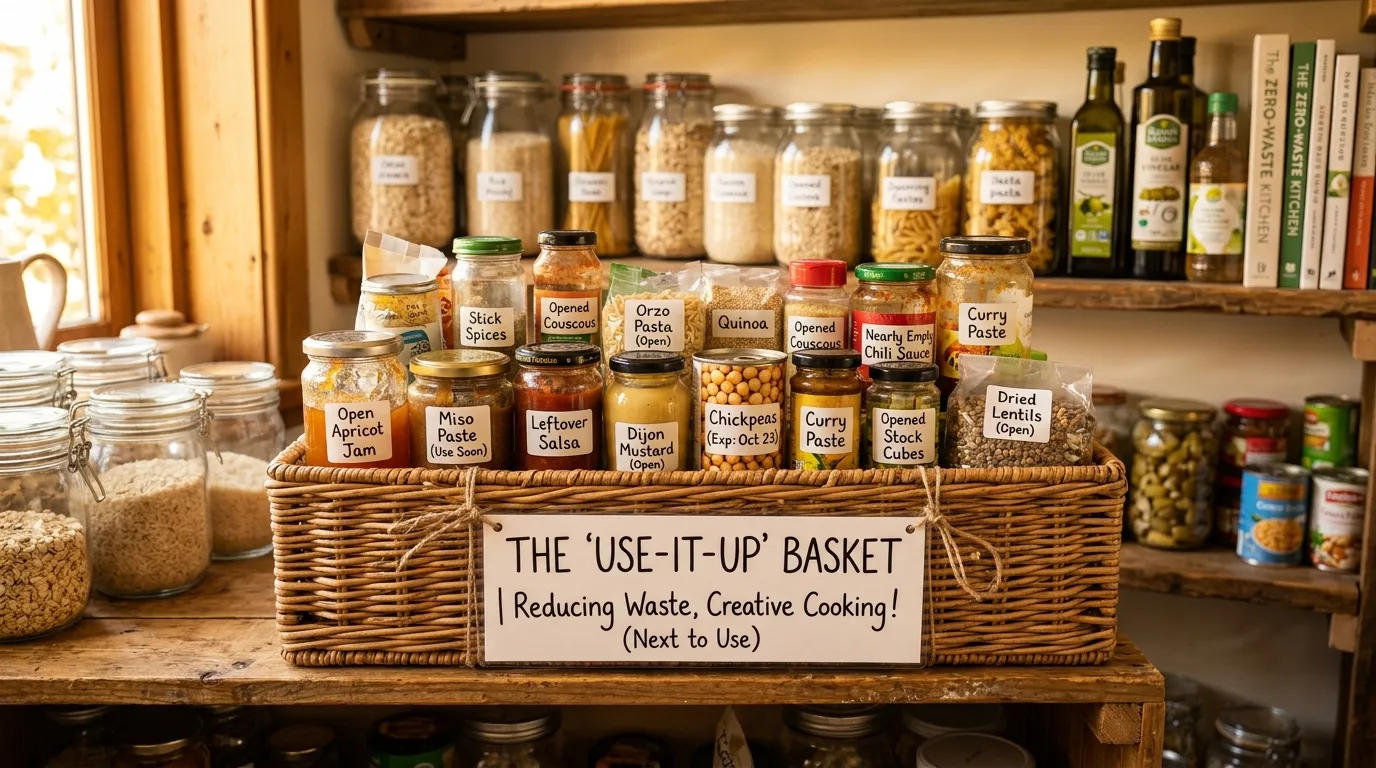
Designate one bin or shelf as your “use-it-up” zone. Place items nearing their expiration date or odds and ends here. Before planning meals, check this basket first and build around it.
This single trick rescues forgotten food and squeezes value out of every purchase.
How should you adjust your pantry by season?
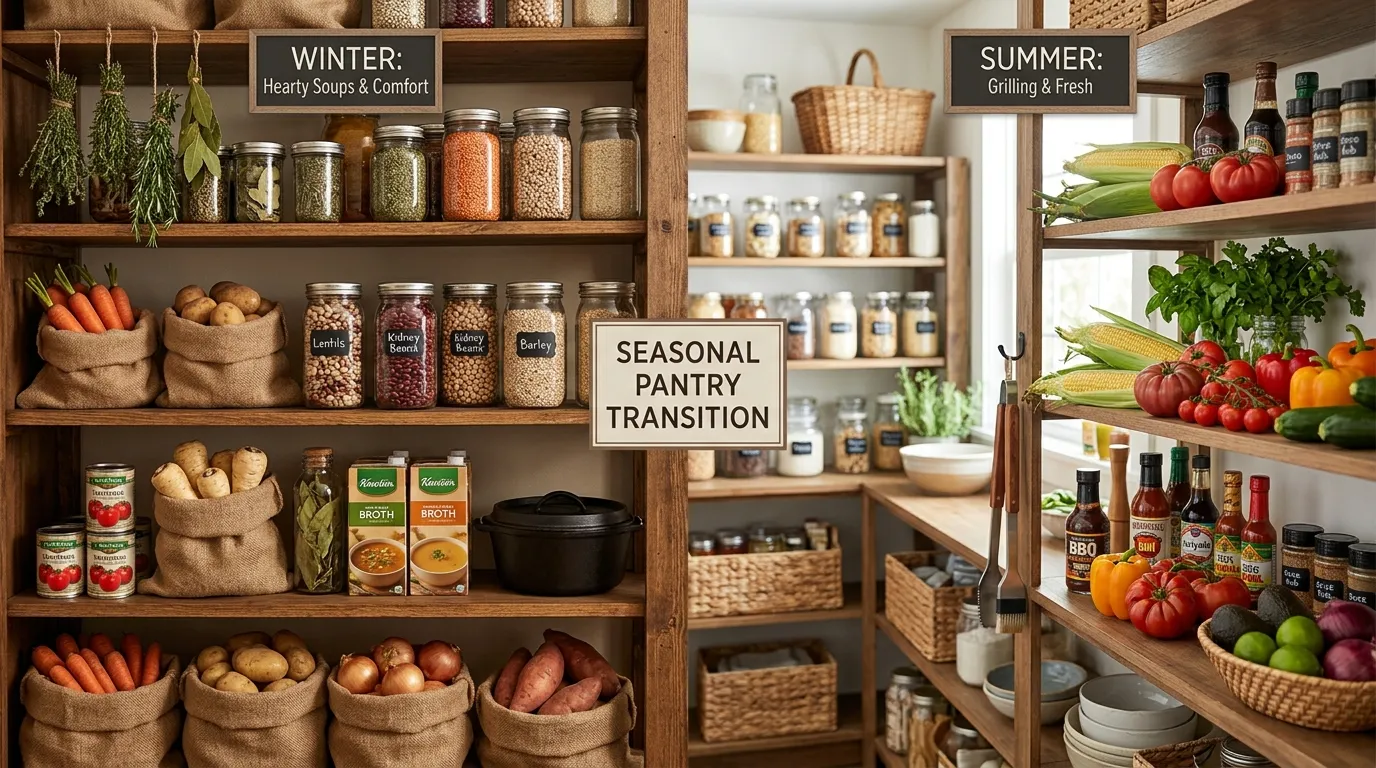
Your pantry needs to shift with the seasons. In winter, you might stock more soup ingredients and hearty grains. In summer, lighter staples and grilling basics make sense.
Rotate seasonal items to the front when they’re in heavy use and tuck off-season goods toward the back. This keeps your most-used items within easy reach year-round.
How do you maintain an organized pantry long-term?
Organizing once is easy. Keeping it that way takes a little upkeep but far less than you’d expect.
What quick tidy-ups keep your pantry in shape?
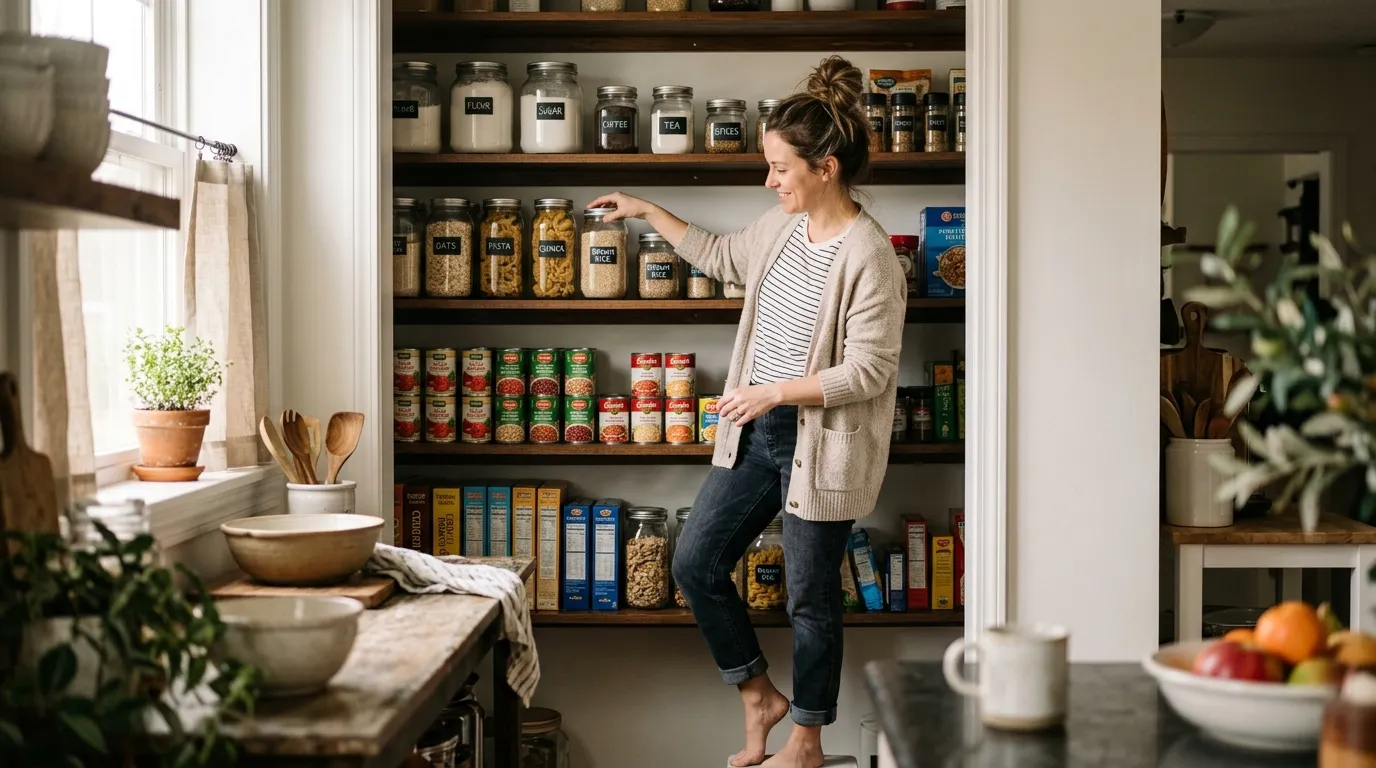
Spend two minutes a few times a week straightening shelves and returning stray items to their zones. When you unpack groceries, apply the FIFO method right away. These small habits stop clutter from creeping back.
How often should you deep clean your pantry?
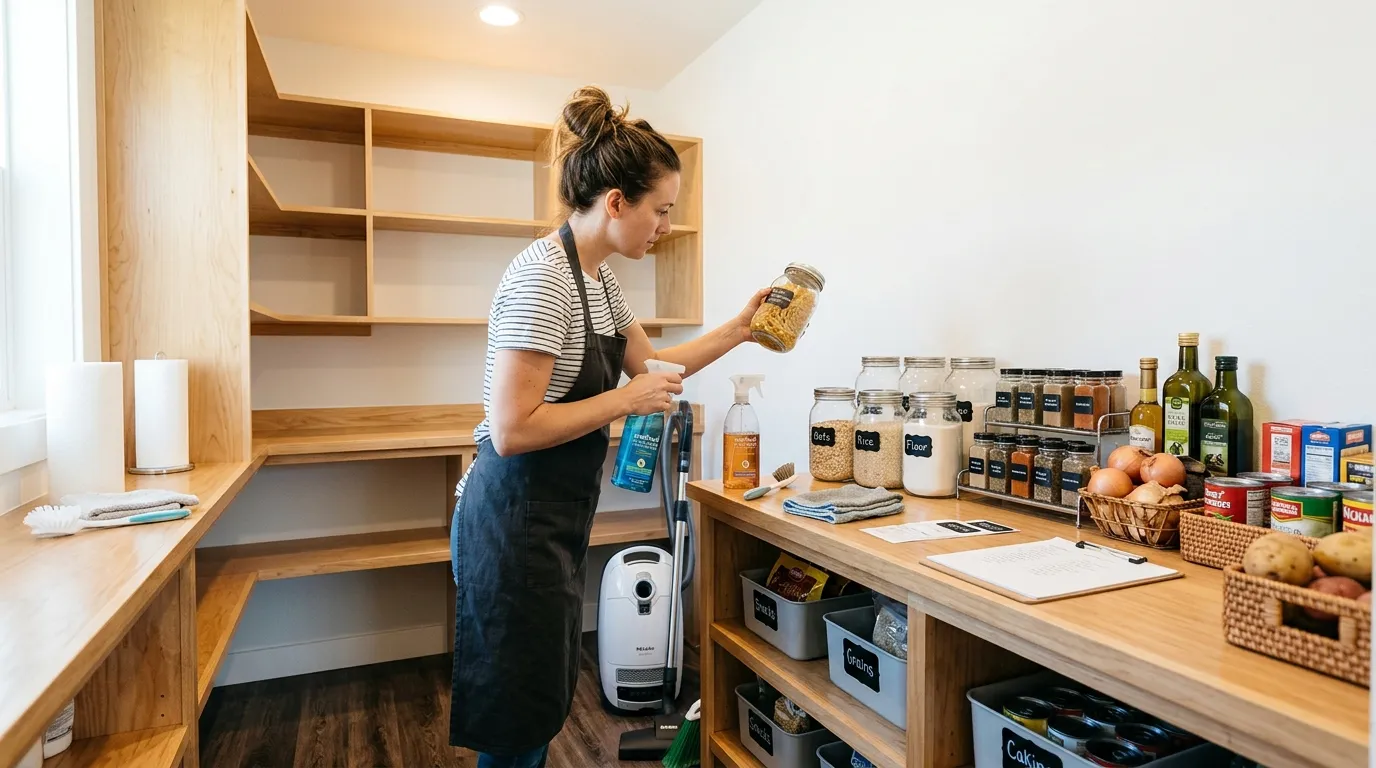
Plan a deeper clean every three to four months. Empty the shelves, wipe them down, check expiration dates, and reassess your categories. This seasonal reset catches anything that slipped through and keeps pests away.
How do you adapt your pantry as your needs change?
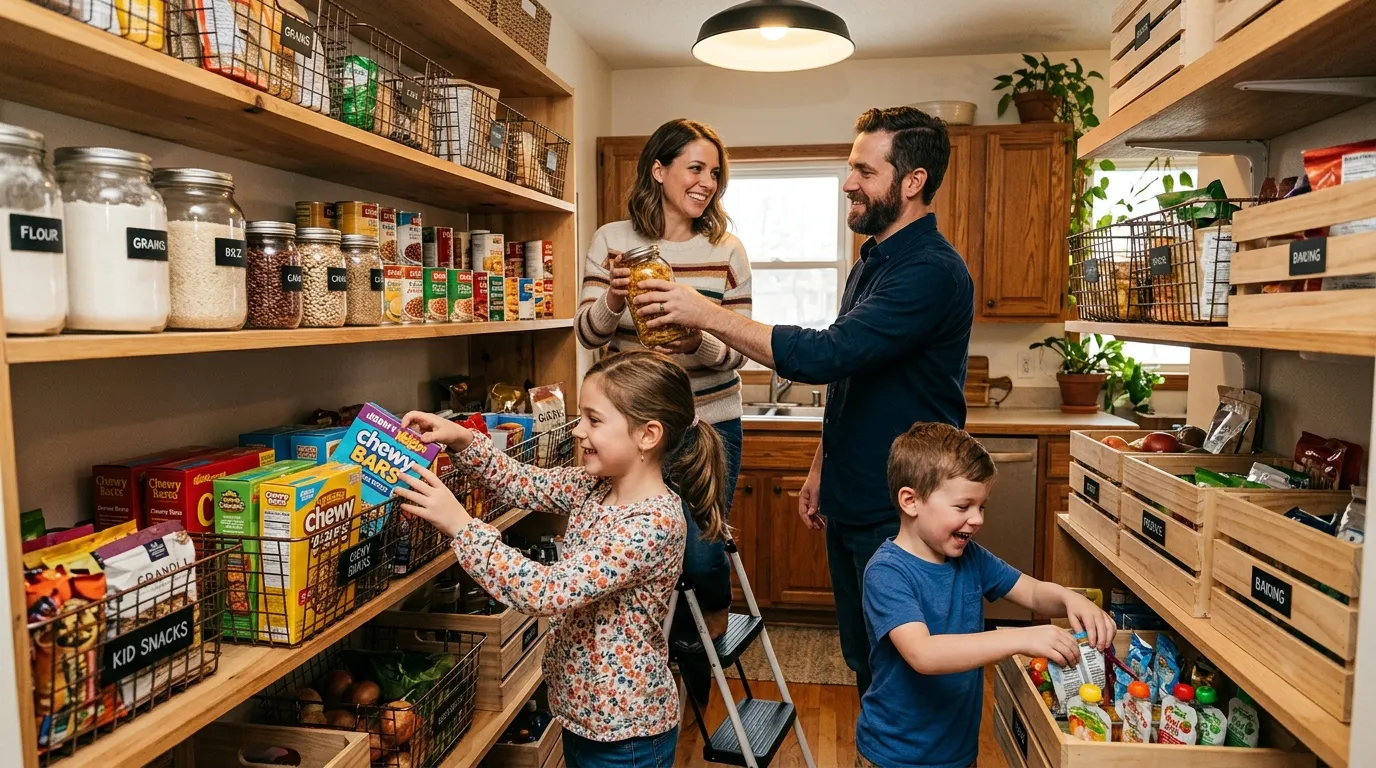
Your life changes, and your pantry should follow. A new diet, a growing family, or a different cooking routine all call for adjustments. Revisit your zones and staples now and then to make sure your system still fits your real habits.
What benefits come from an organized pantry beyond saving money?
The savings are just the start. An organized pantry improves your daily life in ways you’ll notice right away.
You’ll waste far less food because you can see and use what you own before it expires. Cooking becomes less stressful when ingredients are easy to find, so weeknight dinners come together faster. And because healthy staples are front and center, you’re more likely to reach for a home-cooked meal over takeout better for your body and your budget.
Your next step toward a tidier, cheaper pantry
Frugal pantry organization comes down to a few simple moves: audit and declutter your shelves, repurpose what you own, create clear zones, use FIFO, and stock smart staples. None of it requires a big budget just a bit of time and consistency.
Don’t try to do everything at once. Start small. Pick one shelf this weekend, empty it, sort it, and set it up the right way. That single win will motivate you to tackle the rest.
An organized pantry is one of the easiest ways to save money, cut waste, and make cooking enjoyable again. The sooner you start, the sooner you’ll feel the difference every time you open that door.
Frequently asked questions
How much does it cost to organize a pantry on a budget?
You can organize a pantry for under $20 or even for free. Repurposing jars and boxes you already own costs nothing. If you want a few bins or clear containers, dollar stores sell them for $1–$2 each. Skip expensive matching sets unless you truly want them.
How long does it take to organize a pantry for the first time?
For a typical home pantry, set aside two to four hours. The pantry audit and decluttering take the most time. If your pantry is large or very cluttered, break the job into a couple of shorter sessions over a weekend.
What are the cheapest pantry staples to stock?
The most budget-friendly staples are rice, dried beans, pasta, oats, and canned tomatoes. These cost very little, last a long time, and combine into dozens of filling meals. They give you the best nutrition and versatility per dollar.
What is the FIFO method in pantry organization?
FIFO stands for “first-in, first-out.” It means placing newer groceries behind older ones, so you use the oldest items first. This prevents food from expiring at the back of the shelf and reduces waste, saving you money over time.
Is it better to use a digital or paper pantry inventory?
Both work well the best choice is the one you’ll actually keep up. A paper list on the fridge is simple and visible. A phone notes app travels with you to the store. Pick whichever fits your routine and stick with it.