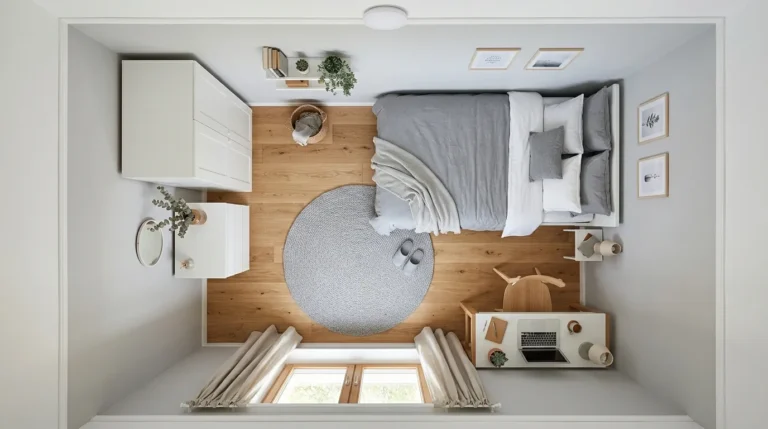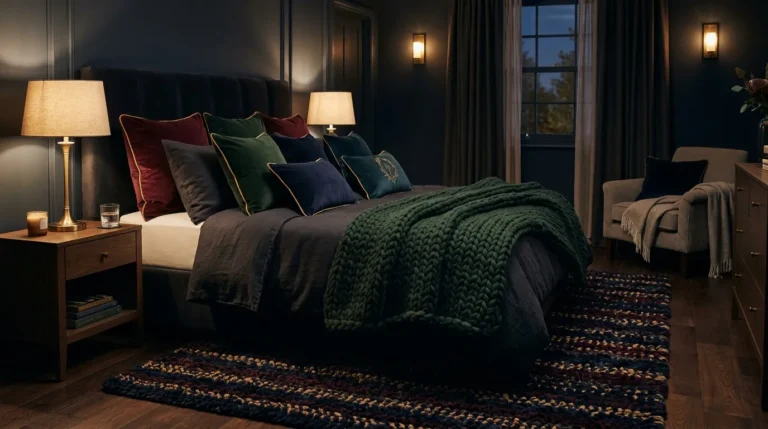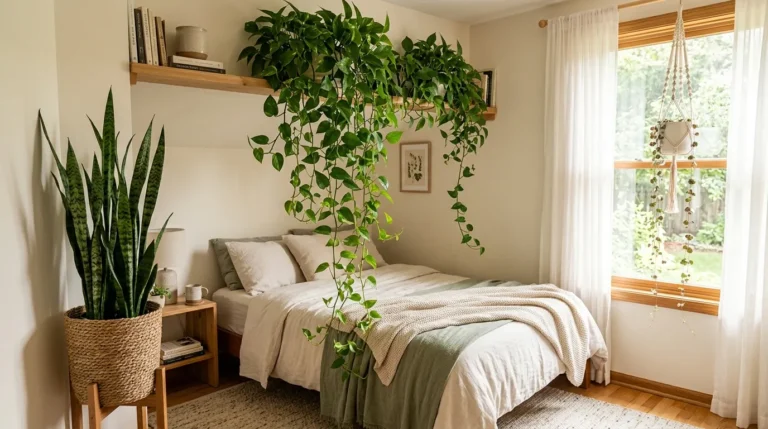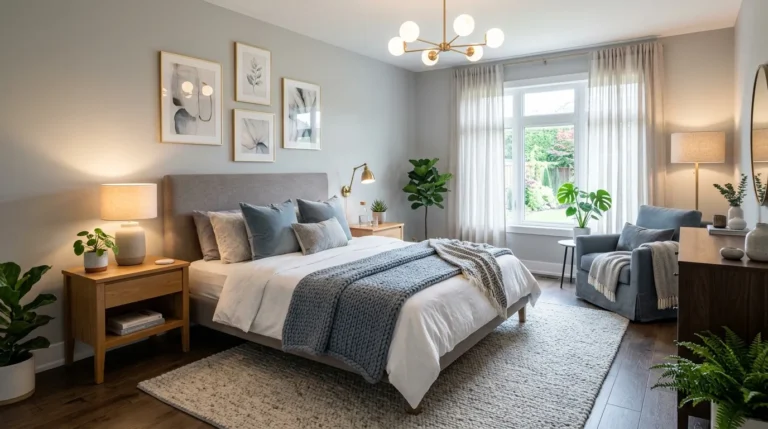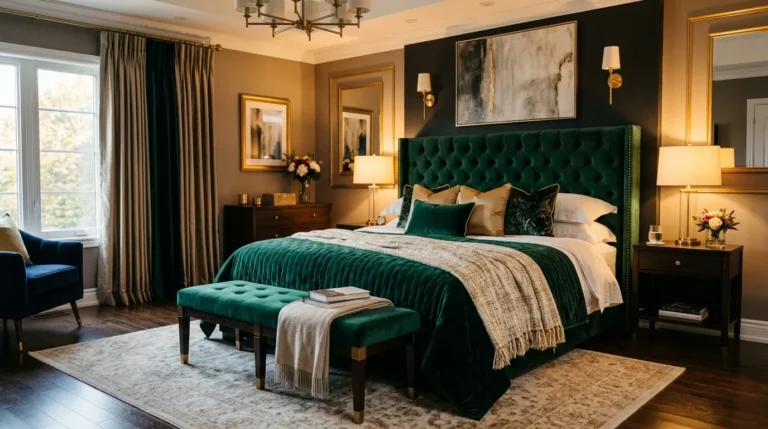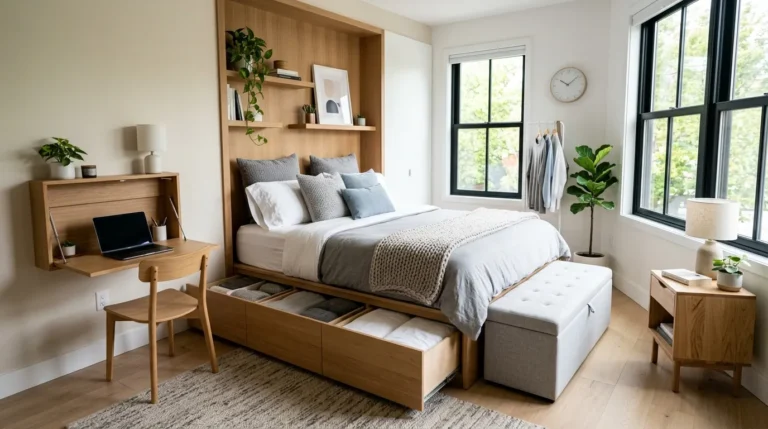
A relaxing main bedroom makeover starts with defining your style, choosing calming colors, and layering lighting. Add comfortable furniture, soft textiles, and personal touches like art and plants. Smart tech and a phased budget plan help you build your dream retreat without stress or overspending.
Master Bedroom Makeover Ideas: Design a Relaxing Retreat begin with creating a space that reflects your personality while promoting comfort and relaxation. Your bedroom should be the one room in your home that feels completely yours. It’s where you unwind after a long day, recharge overnight, and start each morning feeling refreshed. Yet for many people, the main bedroom becomes a dumping ground for laundry, half-finished projects, and clutter that drains energy instead of restoring it. By following thoughtful design ideas and practical upgrades, you can transform your bedroom into a peaceful retreat that supports better rest and everyday well-being.
A thoughtful makeover can change all of that. By focusing on comfort, color, lighting, and a few personal touches, you can turn an ordinary room into a calming sanctuary that supports better sleep and a clearer mind.
This guide walks you through every step of a main bedroom makeover from finding your style to setting a realistic budget. You’ll get practical tips, real-world examples, and ideas you can adapt to any space or price point. Let’s build a retreat you’ll actually look forward to coming home to.
Why your main bedroom is more than a place to sleep
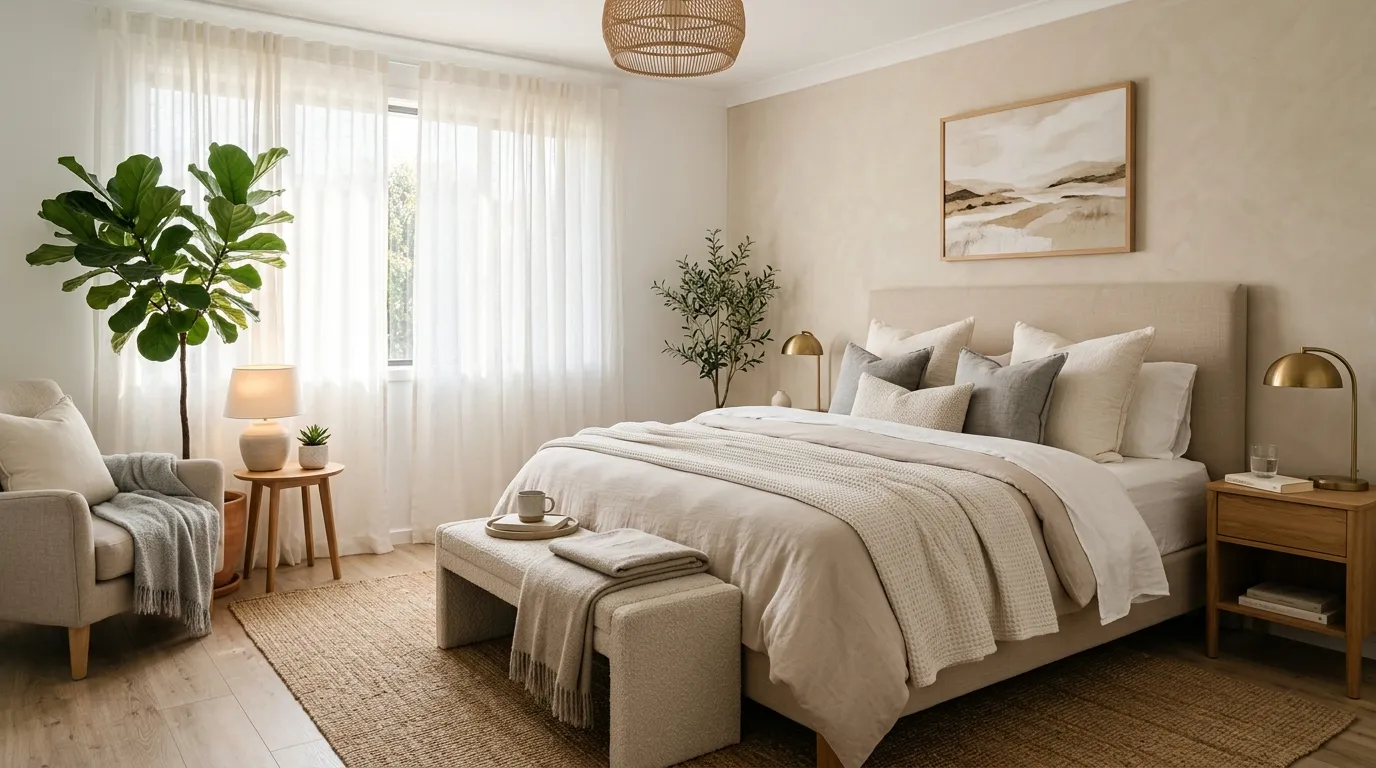
A bedroom does double duty. It’s a practical space for rest, but it also shapes how you feel each day. Studies on sleep and environment consistently show that a calm, uncluttered room helps people fall asleep faster and wake up more refreshed.
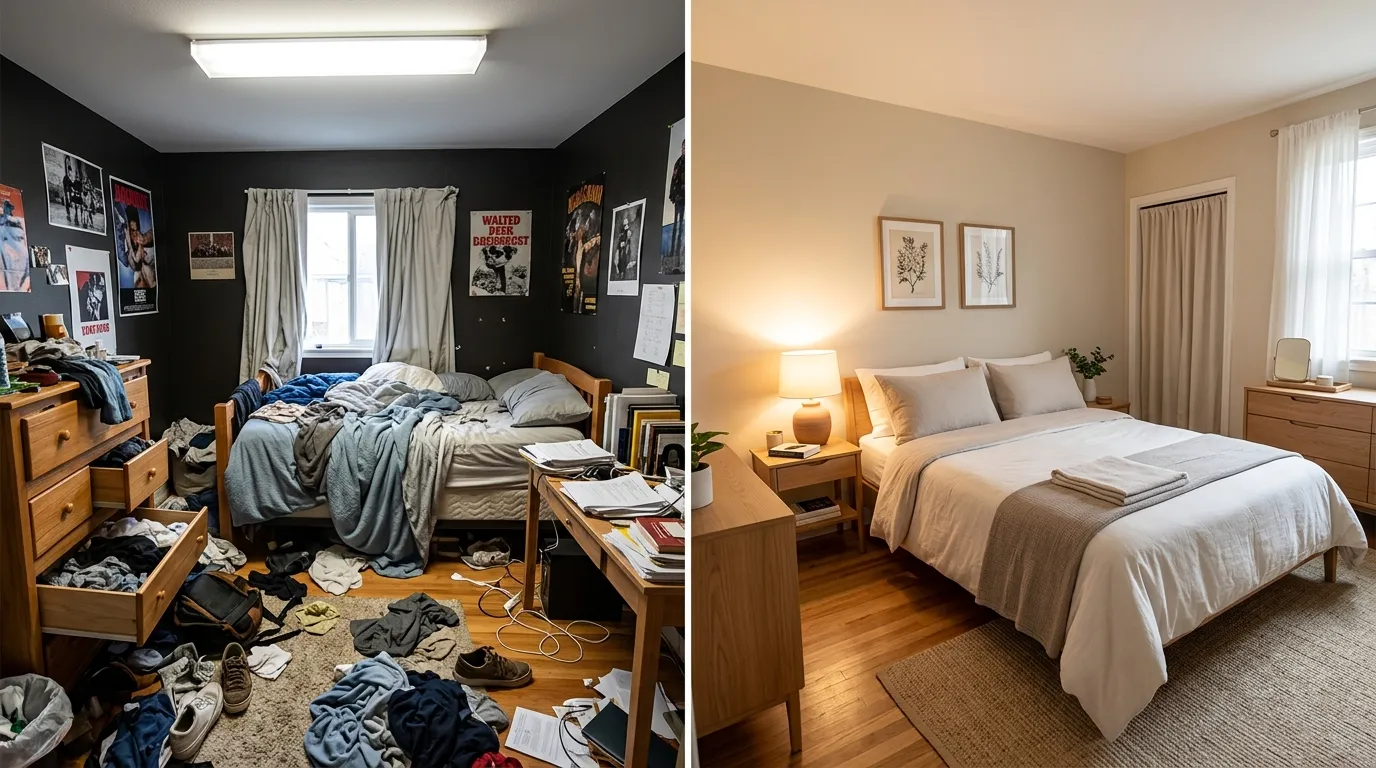
Think about the difference between walking into a messy, harshly lit room versus a tidy space with soft lighting and cozy bedding. The second one signals your brain to relax. That signal matters more than most people realize your surroundings directly affect your stress levels and mood.
Good design isn’t about spending a fortune or copying a magazine spread. It’s about making intentional choices that match how you want to feel. When your bedroom supports relaxation, the benefits spill over into better sleep, lower stress, and more energy for everything else.
How do you define your bedroom style and vision?
Before buying a single throw pillow, get clear on what “relaxing” means to you. For some people, that’s a minimalist room with clean lines and almost nothing on the surfaces. For others, it’s a cozy, layered space full of warm textures and personal mementos.
Start with self-reflection
Ask yourself a few simple questions. What colors make you feel calm? Do you sleep better in a cool, airy room or a warm, enclosed one? What activities happen in your bedroom besides sleep reading, stretching, working? Your answers will guide every decision that follows.
Explore popular design styles.
It helps to know the basic styles so you can mix and match what appeals to you:
- Modern: Clean lines, neutral colors, and minimal clutter.
- Bohemian: Layered textures, rich patterns, and plenty of plants.
- Minimalist: Only the essentials, with lots of open space.
- Rustic: Natural wood, earthy tones, and a cozy, lived-in feel.
- Scandinavian: Light woods, soft neutrals, and functional simplicity.
You don’t have to pick just one. Many of the best rooms blend two styles say, modern furniture softened with bohemian textiles.
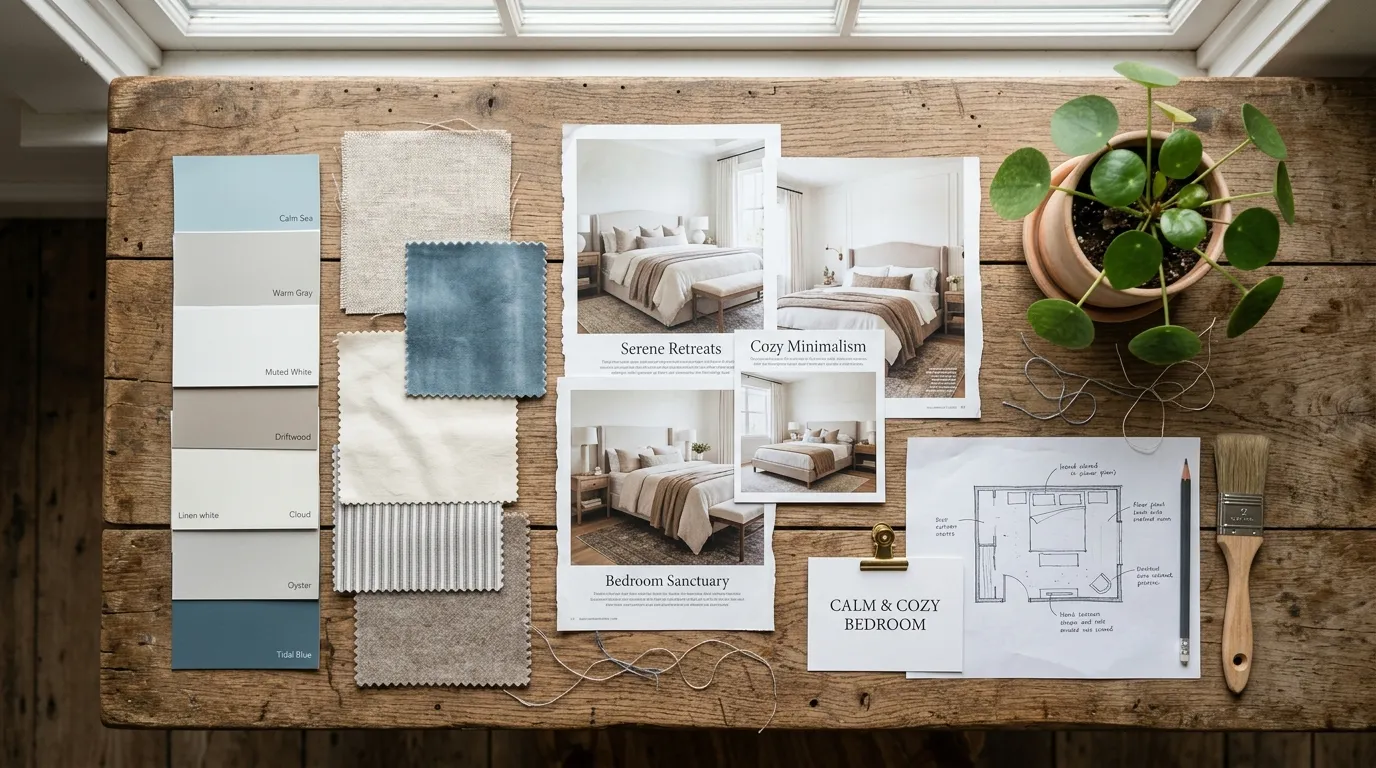
Build a mood board
Collect images that inspire you. Save photos on Pinterest, tear pages from magazines, or snap pictures of rooms you love. Once you have 15 to 20 images, look for patterns. You’ll likely notice recurring colors, materials, and moods. That collection becomes your visual roadmap.
What colors and lighting create a calming bedroom?
Color and light set the entire mood of a room. Get these two elements right, and everything else falls into place more easily.
Choosing calming colors
Soft, muted tones tend to feel the most restful. Neutrals like warm white, greige, and soft taupe create a soothing base. Pastels such as sage green, dusty blue, and blush pink add gentle color without overwhelming the senses. If you prefer drama, deep tones like navy, forest green, or charcoal can feel cozy and cocoon-like when balanced with lighter accents.
The psychology of color
Color affects emotion in measurable ways. Blue is linked to lower heart rates and a sense of calm, which makes it a favorite for bedrooms. Green connects us to nature and feels balancing. Warm earth tones create comfort and grounding. Avoid bright reds and intense oranges in large doses they stimulate rather than soothe.
Layer your lighting
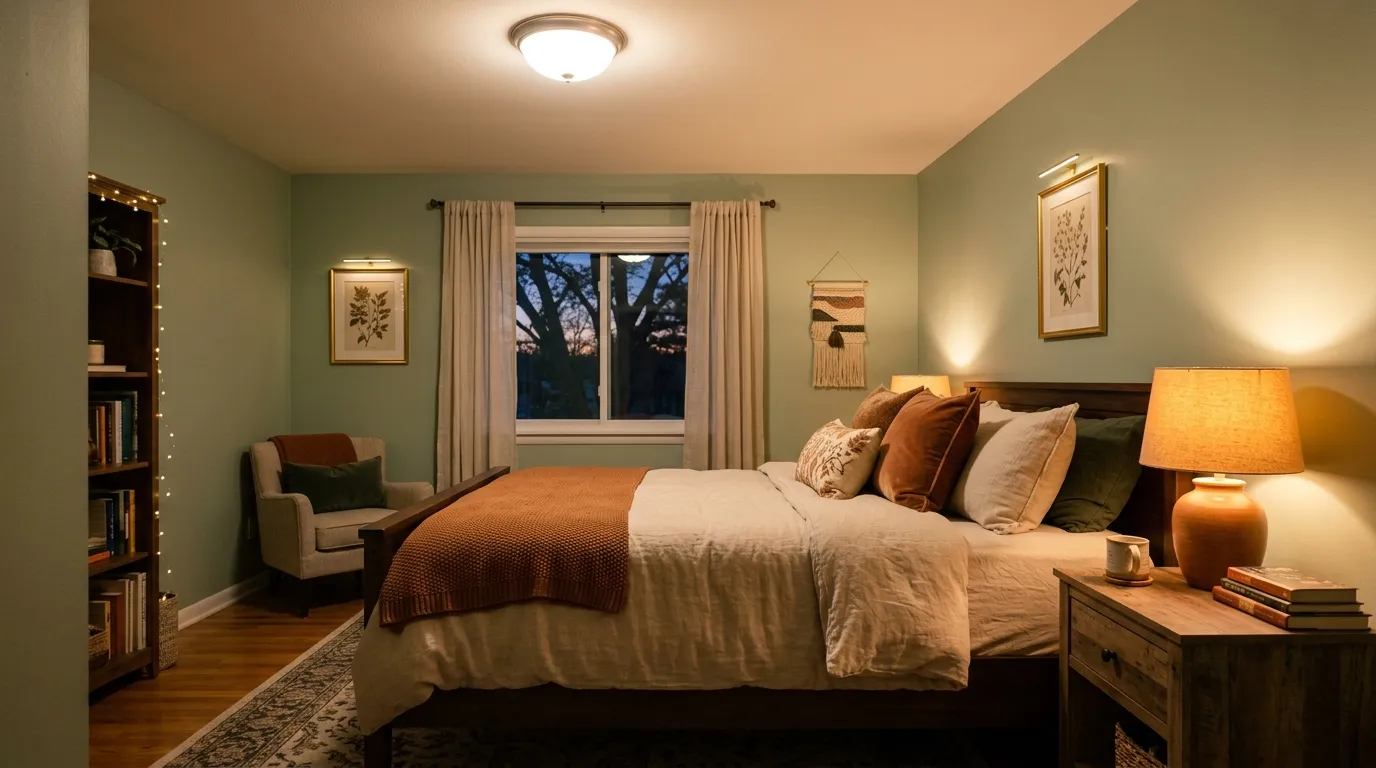
One overhead light rarely does the job. Aim for three layers:
- Ambient lighting: Your main source, like a ceiling fixture or recessed lights.
- Task lighting: Focused light for reading, such as bedside lamps.
- Accent lighting: Soft glows from string lights, candles, or wall sconces that add atmosphere.
Add dimmers and smart controls.
A dimmer switch is one of the cheapest upgrades with the biggest payoff. Lowering the lights in the evening tells your body it’s time to wind down. Smart bulbs take this further, letting you set warm tones at night and cooler, brighter light in the morning all from your phone.
How do you choose furniture that’s both comfortable and functional?
Furniture forms the backbone of your bedroom. Each piece should earn its place by being useful, comfortable, or beautiful ideally all three.
The bed: your sanctuary’s centerpiece
The bed deserves the most attention since you spend roughly a third of your life on it.
- Mattress and pillows: Invest in a quality mattress suited to your sleep position. Side sleepers usually need softer support, while back and stomach sleepers do better with firmer options. Replace pillows every one to two years for proper neck support.
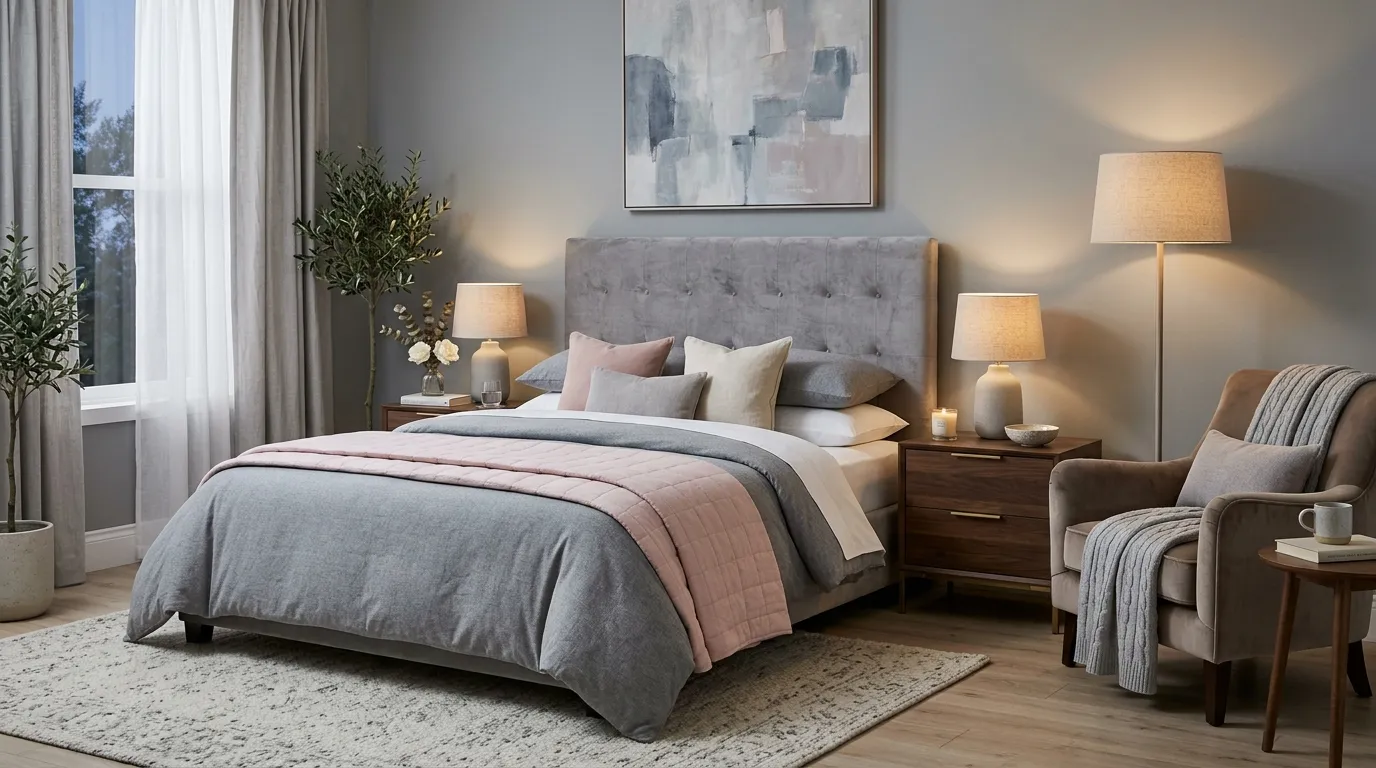
- Headboard: An upholstered headboard adds softness and a luxurious feel, while a wood or rattan one brings warmth and texture. Choose a style that anchors the room.
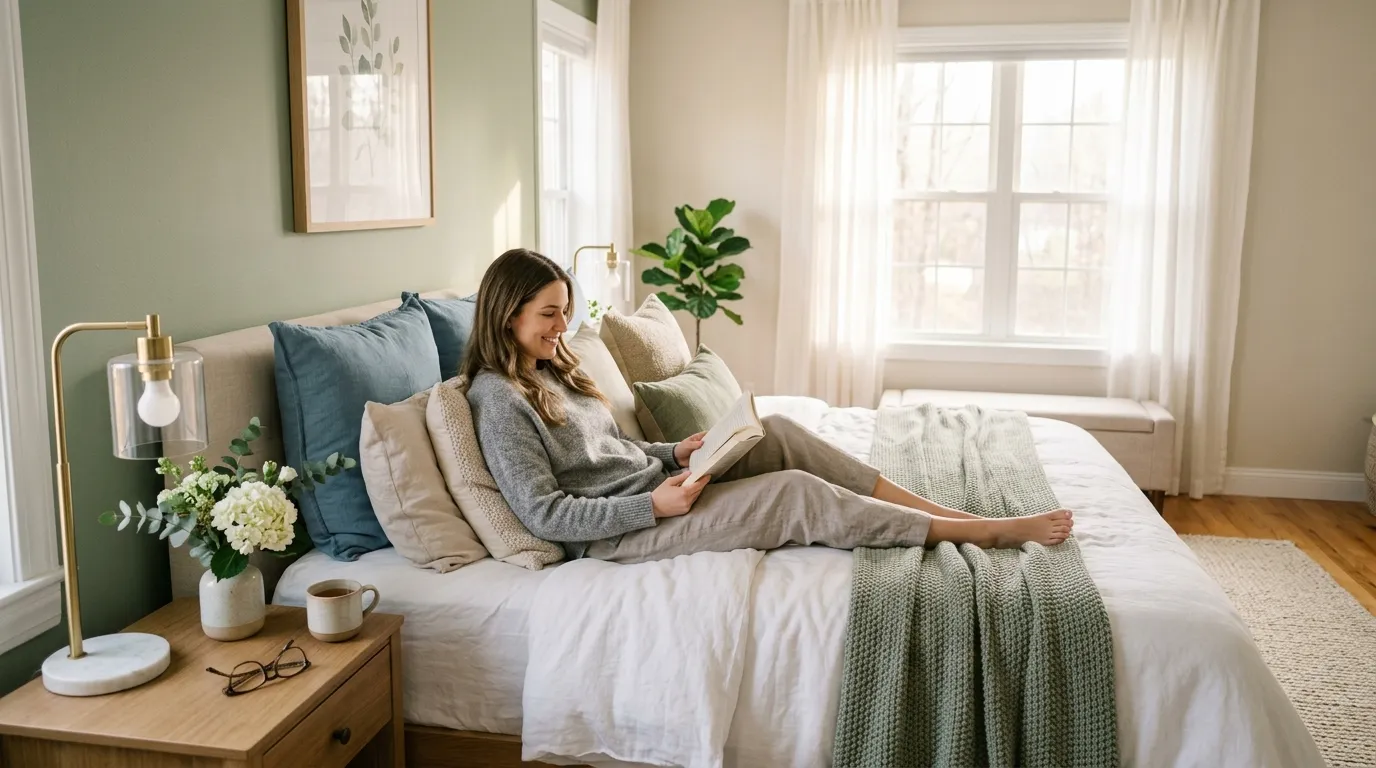
- Bedding: Layer it for both comfort and looks. Start with quality sheets in natural fibers like cotton or linen, then add a duvet, a few pillows, and a throw. Mixing textures makes the bed feel inviting.
Smart storage solutions
Clutter is the enemy of calm. Good storage keeps surfaces clear and your mind at ease.
- Nightstands and dressers: Pick pieces with drawers to hide small items. Matching nightstands create symmetry, but mismatched ones can add character.
- Closet organization: Use slim hangers, drawer dividers, and shelf risers to maximize space. A tidy closet makes getting dressed faster and less stressful.
- Hidden storage: Ottomans with lift-up lids, under-bed storage bins, and bed frames with built-in drawers tuck belongings out of sight.
Create a seating or reading zone.
If you have room, a small seating area transforms how you use the space. A comfortable armchair, a small bench at the foot of the bed, or a chaise in a corner gives you a spot to read, relax, or sip morning coffee. Pair a chair with a side table and a floor lamp to build a cozy reading nook.
How do textiles and textures add warmth to a bedroom?
Soft materials make a room feel finished and inviting. They also absorb sound, which adds to the sense of calm.
Rugs
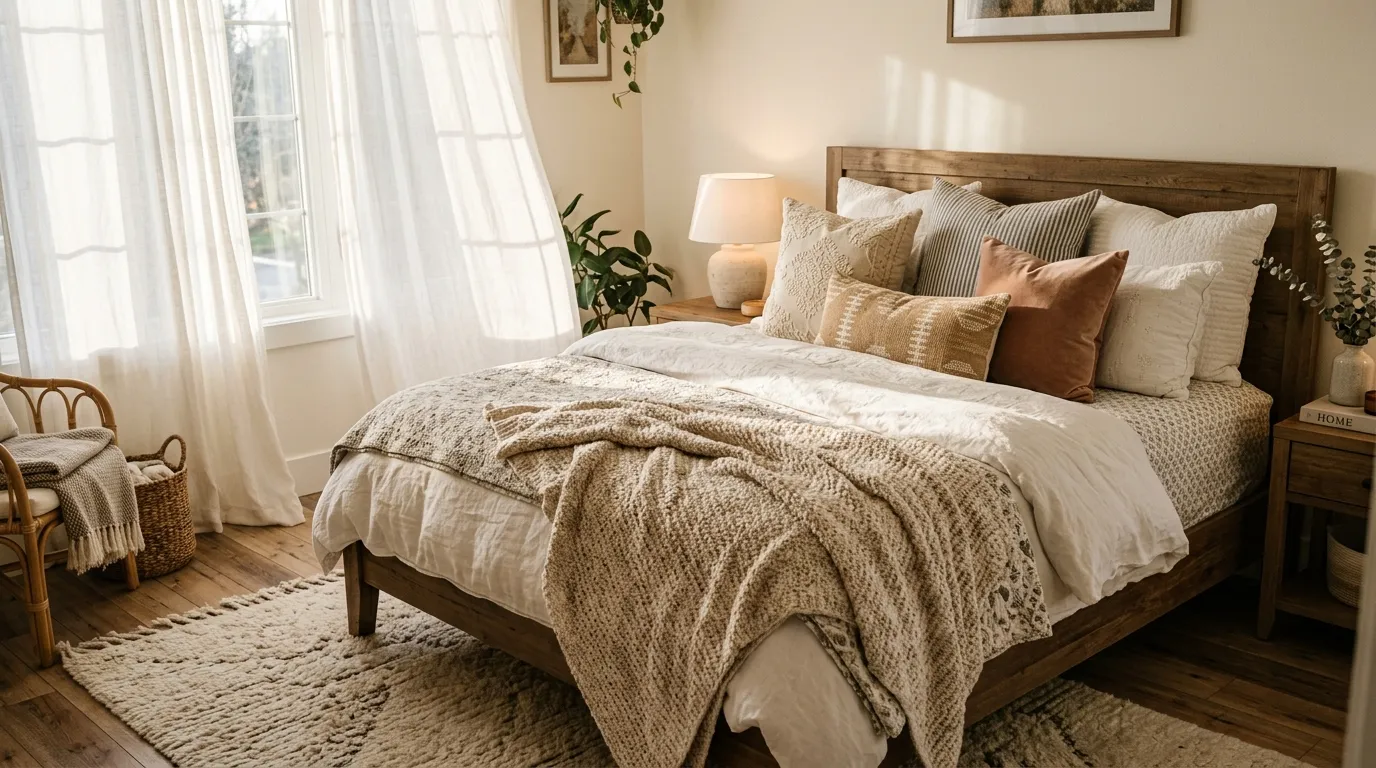
A rug grounds the space and feels wonderful underfoot on cold mornings. Place a large rug partly under the bed so it frames the sleeping area, or use smaller runners on either side. Wool and natural fibers add both warmth and durability.
Curtains and drapes
Window treatments control light and privacy while softening hard walls. Sheer curtains diffuse daylight beautifully, while blackout drapes help you sleep in on weekends. For a luxe look, hang curtains higher and wider than the window to make the room feel taller and bigger.
Throws and decorative pillows
These small touches add color, texture, and coziness. Drape a chunky knit throw over the bed or a chair, and mix pillow sizes and fabrics for a layered, inviting look. Stick to your color palette so the result feels curated, not cluttered.
What decor and personal touches make a bedroom feel like yours?
This is where your personality shines. Personal touches turn a well-designed room into a space that feels truly yours.
Art and wall decor
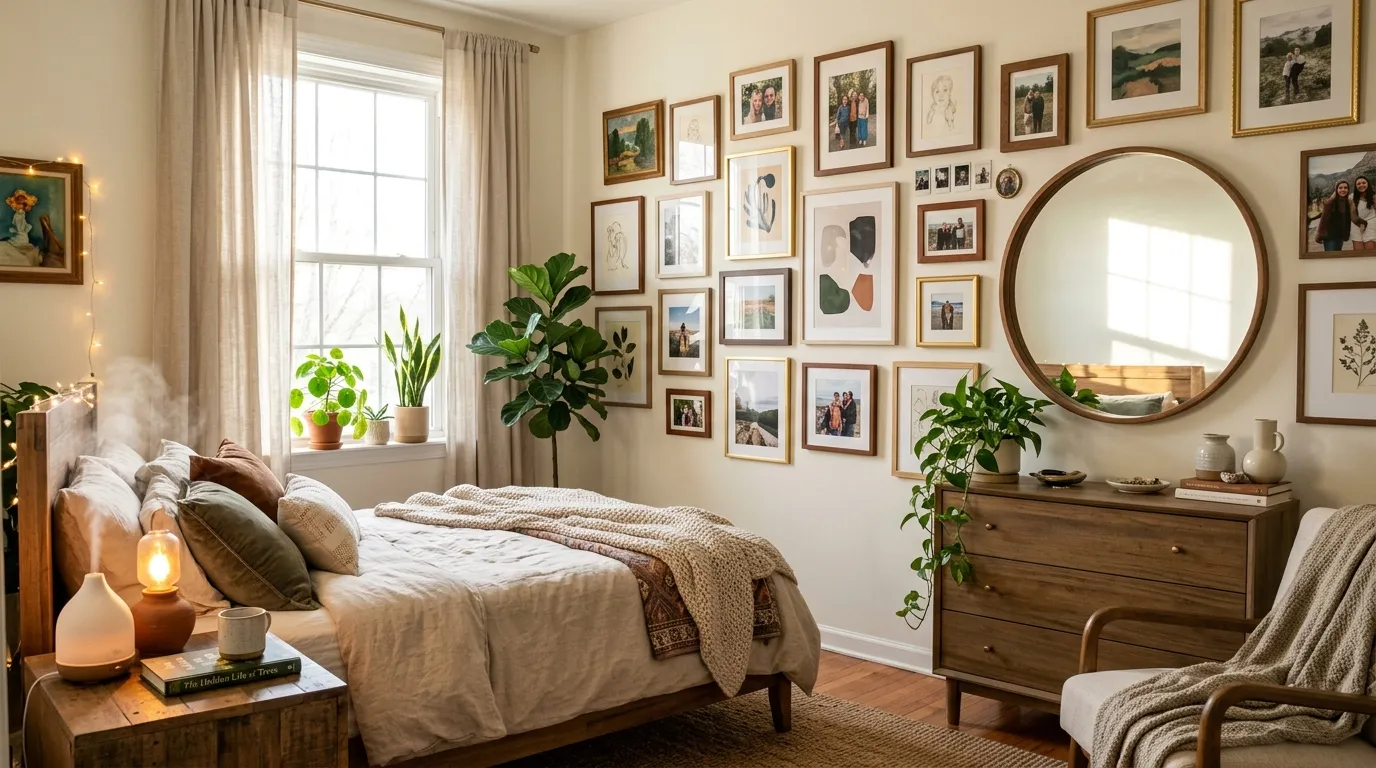
Hang pieces that make you happy a favorite print, a gallery wall of photos, or a single large statement piece above the bed. Keep the scale right; art that’s too small looks lost on a big wall.
Mirrors
A well-placed mirror bounces light around and makes a room feel larger. Position one opposite a window to reflect natural light deeper into the space.
Greenery
Plants bring life and a touch of nature indoors. Low-maintenance options like snake plants, pothos, and peace lilies thrive in bedrooms and can help freshen the air. Fresh flowers add an easy, instant lift.
Scent and sound
Engage all your senses for true relaxation. An essential oil diffuser with lavender or chamomile creates a calming aroma. Candles add warmth and a gentle scent. For sound, a white noise machine or a playlist of soft music can drown out distractions and ease you into sleep.
How can smart technology improve your bedroom retreat?
Technology, used thoughtfully, can make your room more comfortable and your sleep more restful without turning it into a gadget showroom.
Smart home integration
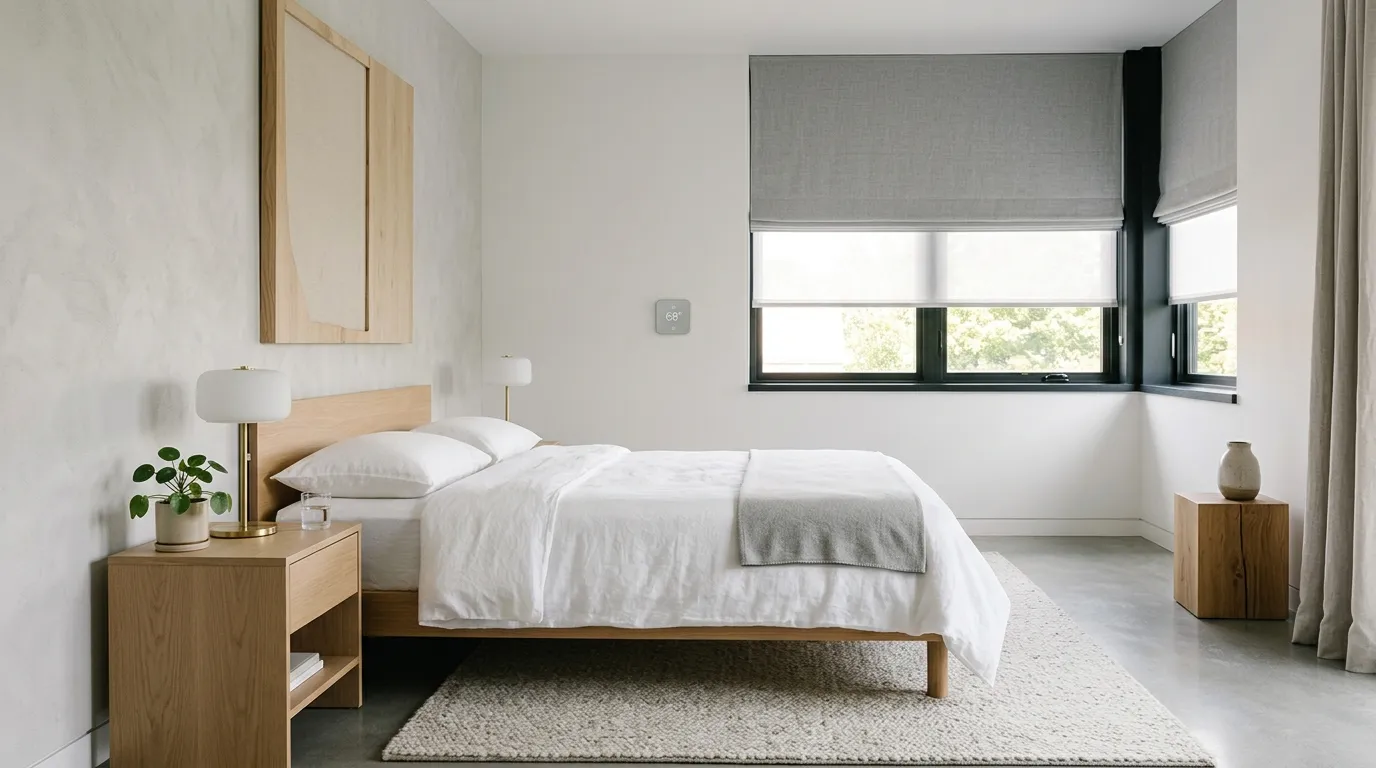
A smart thermostat keeps the room at your ideal sleeping temperature, usually between 60 and 67 degrees Fahrenheit. Smart shades open gently with the sunrise, and smart lighting shifts to warm tones at night to support your natural sleep cycle.
Sleep and wellness devices
Sleep trackers, whether wearable or placed under your mattress, give you data on your sleep patterns. Over time, this information helps you spot what’s helping or hurting your rest.
Keep tech discreet
The goal is calm, not clutter. Hide cords with cable organizers, choose devices with minimal displays, and keep screens out of direct view. Many people sleep better when their phones charge across the room rather than on the nightstand.
How do you budget and plan a bedroom makeover?
A makeover doesn’t have to drain your savings. With smart planning, you can build your dream room over time.
Set a realistic budget.
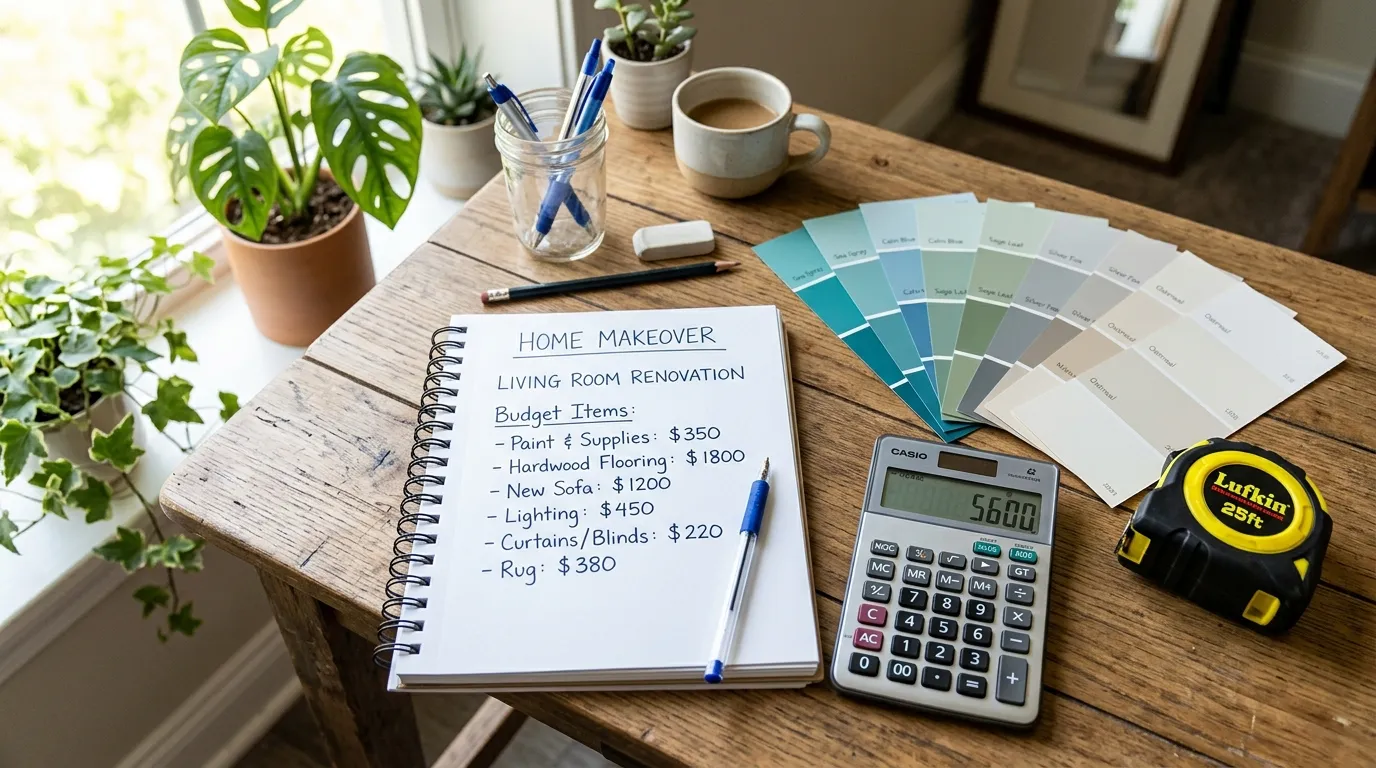
List everything you want, then sort it into needs and wants. Allocate the biggest share to items that affect comfort and sleep most usually the mattress and bedding. Set aside a small cushion for surprises.
DIY versus professional help
Many projects are perfect for a weekend of DIY: painting walls, styling shelves, or assembling furniture. Bring in professionals for tasks that involve safety or skill, such as electrical work for new lighting or custom-built-in storage. Knowing when to call an expert saves money and frustration in the long run.
Take a phased approach.
You don’t have to do everything at once. Start with the changes that matter most maybe a new mattress and fresh paint. Add furniture, textiles, and decor in later phases as your budget allows. A phased plan keeps the project manageable and the costs spread out.
How do you maintain your bedroom retreat over time?
A beautiful room stays that way only with a little regular care. The good news is that upkeep gets easier once everything has a place.
Cleaning and organization tips
Make your bed every morning it instantly tidies the whole room. Wash bedding weekly, dust surfaces regularly, and do a quick five-minute reset each evening to keep clutter from building up. The “one in, one out” rule helps prevent new clutter: when something new comes in, something old goes out.
Seasonal updates
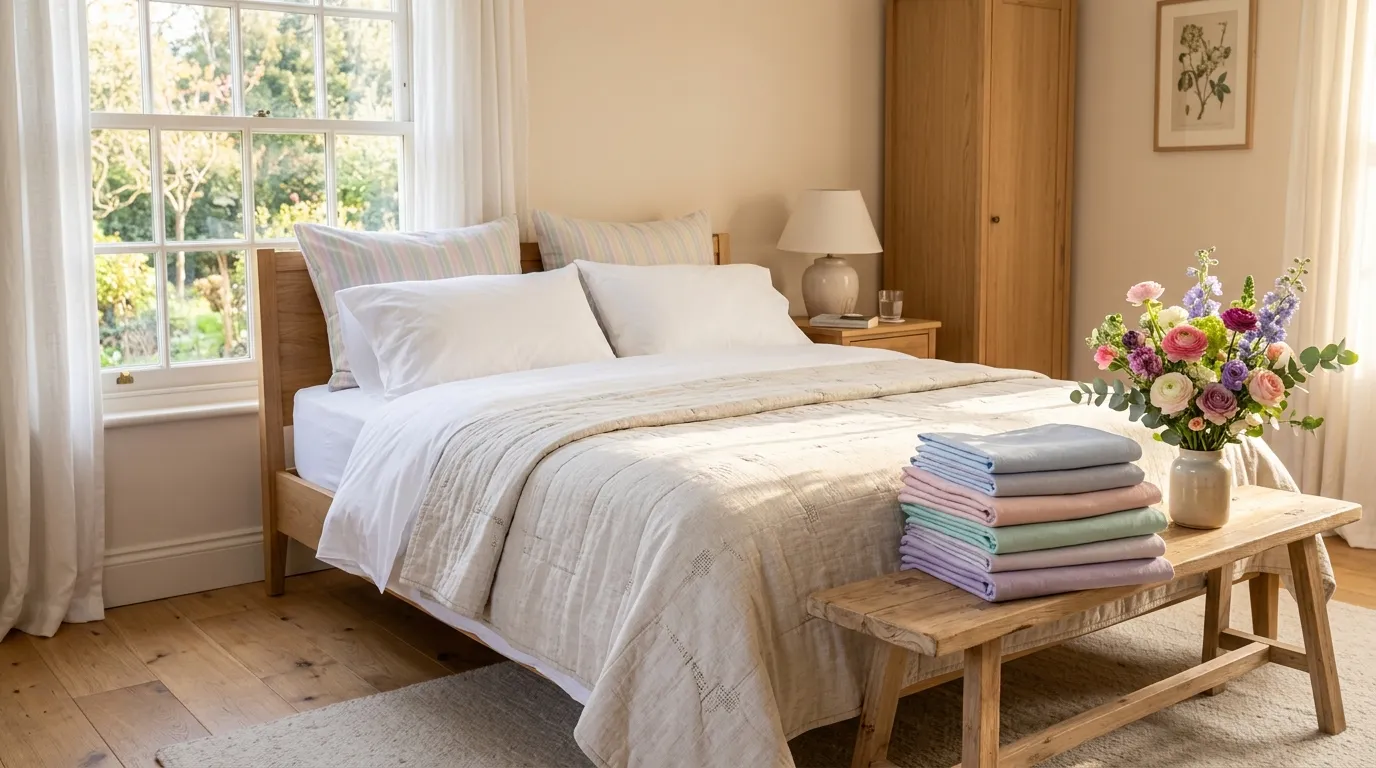
Refresh your space with the seasons. Swap lightweight linens for cozy flannels in winter, and bring in warmer colors. In spring, add fresh flowers and lighter fabrics. These small changes keep the room feeling new without a full overhaul.
Start building your relaxing retreat today.
A master bedroom makeover comes down to a few key principles: define a style that feels like you, choose calming colors and layered lighting, invest in comfort, and add personal touches that bring you joy. Keep clutter under control with smart storage, and use technology to support rather than distract.
The payoff is real. A well-designed bedroom helps you sleep better, stress less, and start each day feeling restored. That’s an investment in your well-being that keeps giving back night after night.
You don’t need to tackle everything this weekend. Pick one change fresh paint, new bedding, or a dimmer switch and start there. Each small step brings you closer to a retreat you’ll love coming home to.
Frequently asked questions
How much does a master bedroom makeover cost?
Costs vary widely based on scope. A budget refresh with paint, bedding, and decor can run $300 to $1,000. A mid-range makeover with new furniture and lighting typically falls between $2,000 and $5,000. A full renovation with custom storage or structural changes can exceed $10,000. Spreading the project over phases helps manage the expense.
What colors are best for a relaxing bedroom?
Soft, muted tones work best. Blues and greens are especially calming because they’re linked to lower stress and a sense of nature. Warm neutrals like greige and taupe create a soothing base, while deep tones like navy or charcoal feel cozy when balanced with lighter accents. Avoid bright, stimulating colors like vivid red.
How long does a bedroom makeover take?
A simple refresh can be done in a weekend. A makeover involving new furniture and paint usually takes one to two weeks, factoring in delivery times. Larger projects with electrical work or custom builds can take a month or more. A phased approach lets you enjoy progress without waiting for everything at once.
Should I hire a professional or do it myself?
It depends on the task. DIY works well for painting, styling, and assembling furniture. Hire professionals for electrical work, plumbing, or custom carpentry where safety and precision matter. Many people do a mix handling cosmetic updates themselves and bringing in experts for technical jobs.
What’s the most important element of a relaxing bedroom?
Comfort comes first, and that starts with the bed. A quality mattress, supportive pillows, and soft bedding affect your sleep and comfort more than any decor choice. After that, calming colors and good lighting have the biggest impact on how relaxed the room feels.