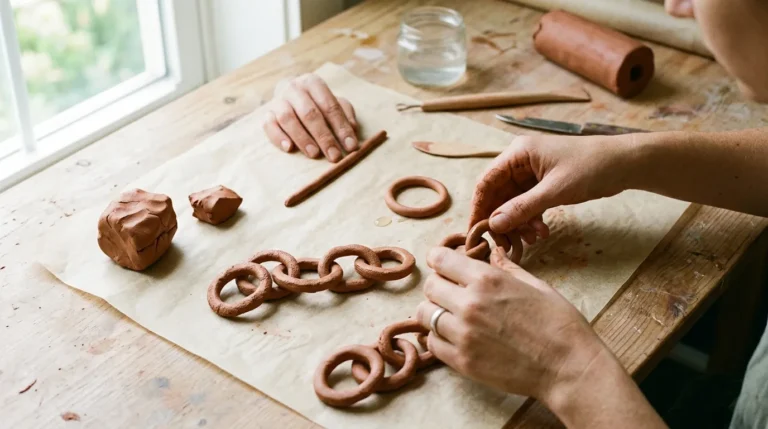
Finding your decorating style starts with self-reflection, not shopping. Study what already makes you happy—your clothes, favorite places, and saved images—then look for repeating patterns in color, texture, and mood. AI style tools can speed this process by spotting themes and creating mood boards, helping you decorate with confidence instead of guesswork.
How to Find Your Decorating Style Without the Overwhelm is about discovering what truly reflects your personality and turning those ideas into a home you love. Staring at a blank room can feel exciting and overwhelming at the same time. You know you want a space that feels like you, but where do you even begin? With thousands of design trends, endless inspiration boards, and conflicting advice everywhere, it’s easy to feel stuck before you’ve moved a single chair. This guide will help you simplify the process and decorate with clarity and confidence.
The good news? Finding your decorating style doesn’t have to be stressful. It’s a process of discovery, and once you understand the building blocks, the choices get easier. Your home should tell your story, and you don’t need a design degree to make that happen.
In this guide, you’ll learn how to deconstruct popular styles, dig into your own preferences, and use modern AI tools to bring clarity to the whole process. By the end, you’ll have a practical roadmap for creating a space that feels cohesive, comfortable, and unmistakably yours.

Why Does Having a Defined Decorating Style Actually Matter?
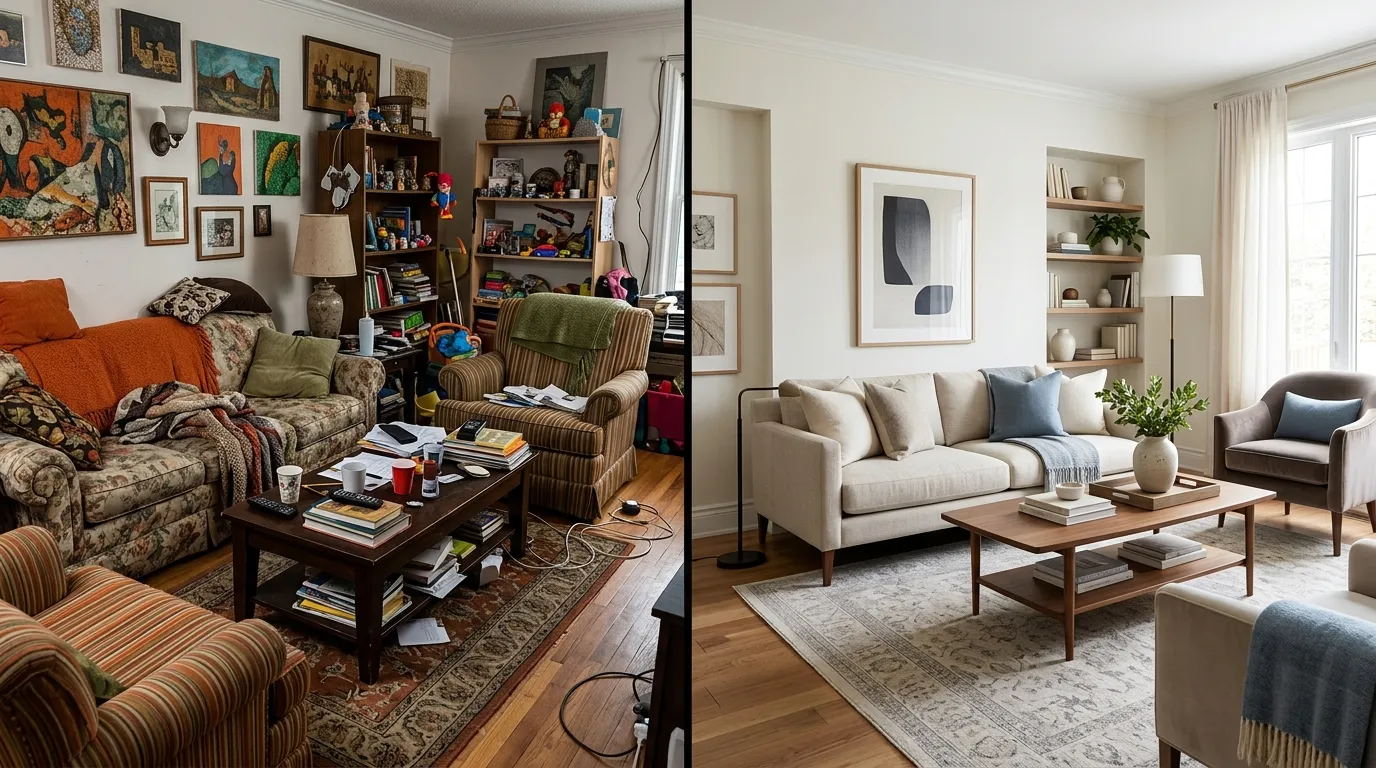
A clear decorating style is more than a buzzword it’s a filter that makes every decision faster. When you know your aesthetic, you stop buying random pieces that clash and start building a home that feels intentional.
Without that clarity, most people fall into a few common traps. They chase trends that fade within a year. They buy impulsively, then regret it. Or they get so overwhelmed by options that they buy nothing at all, leaving rooms half-finished for years.
A defined style protects your time, your money, and your sanity. It turns “I have no idea what I want” into “that doesn’t fit my look” a simple, confident answer that saves you from costly mistakes.
What Are the Most Popular Decorating Styles?
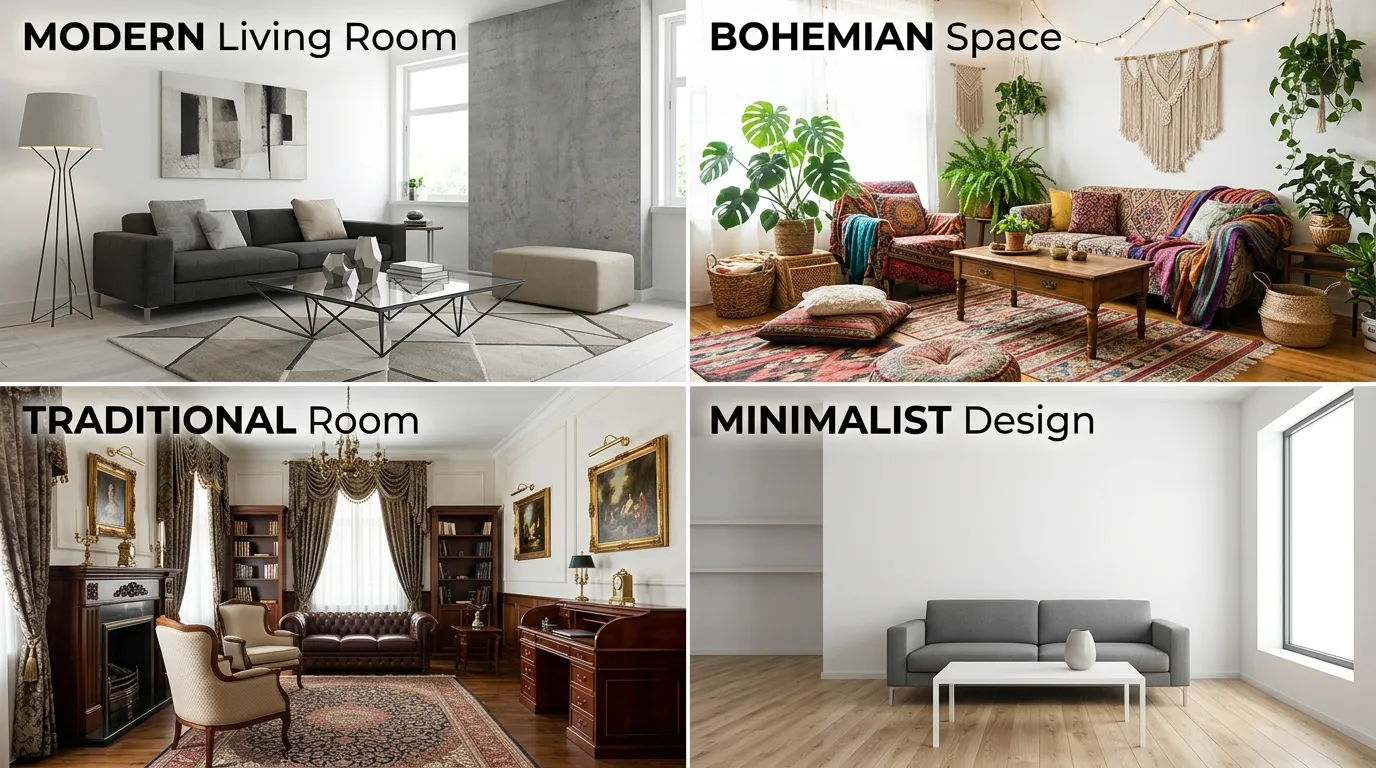
Before you can name your style, it helps to understand the main options. Most interiors borrow from a handful of recognizable styles, each with its own personality.
Modern and Contemporary
Modern style favors clean lines, open spaces, and a “less is more” attitude. Think neutral palettes, sleek furniture, and minimal clutter. Contemporary style is similar but more fluid, always shifting with current trends.
Bohemian
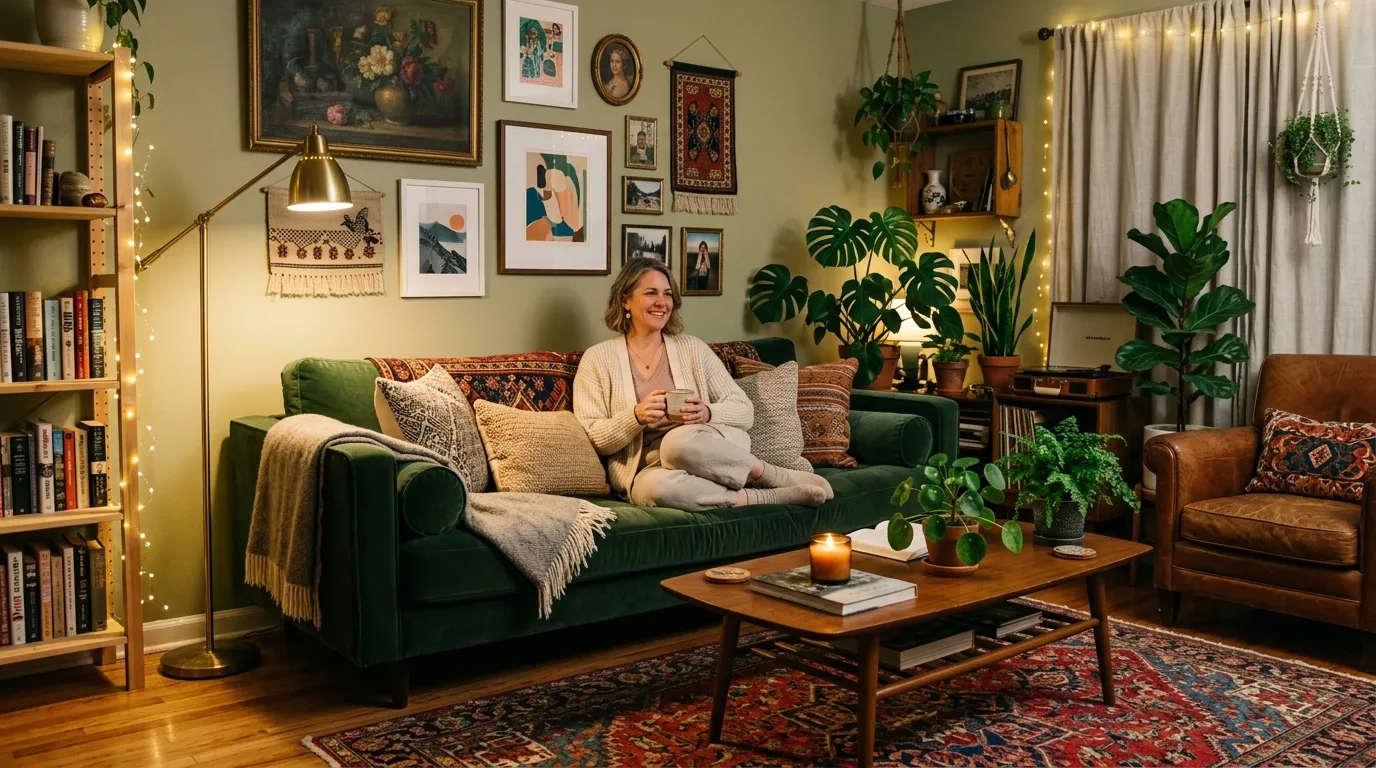
Boho is relaxed, layered, and full of personality. It celebrates rich colors, global textiles, plants, and a mix-and-match approach. If you love patterns and a collected-over-time feel, this might speak to you.
Traditional
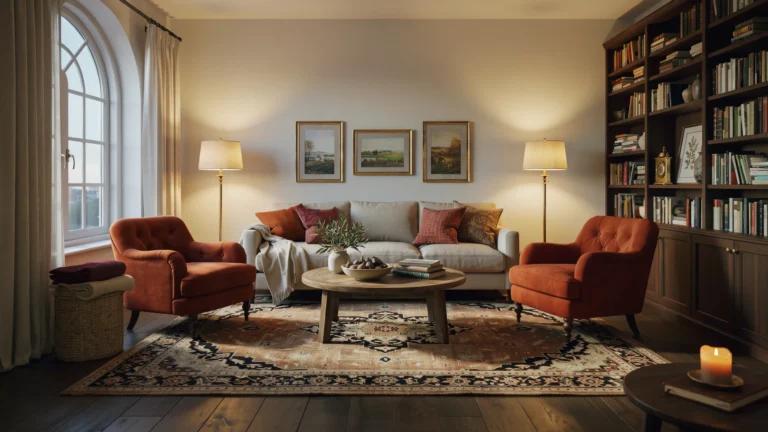
Traditional design draws from classic European décor. Expect symmetry, rich wood tones, elegant fabrics, and timeless furniture shapes. It feels warm, established, and comfortable.
Minimalist
Minimalism strips everything down to the essentials. Every item earns its place, surfaces stay clear, and the palette stays calm. It’s ideal for people who find peace in simplicity.
Most people don’t fit neatly into one box and that’s perfectly fine. You might love modern lines with bohemian warmth. Naming these styles gives you vocabulary to describe what you want.
How Do Color, Texture, and Scale Shape a Room?
Style isn’t only about furniture. Three elements quietly do most of the work in any room: color, texture, and scale.
The Psychology of Color
Color sets the mood before you notice anything else. Warm tones reds, oranges, yellows make a space feel cozy and energetic. Cool tones blues, greens, grays feel calm and spacious.
Saturation and brightness matter too. A deep, muted navy creates drama, while a soft, pale blue feels airy. Pay attention to how certain shades make you feel, not just how they look.
Texture and Materials
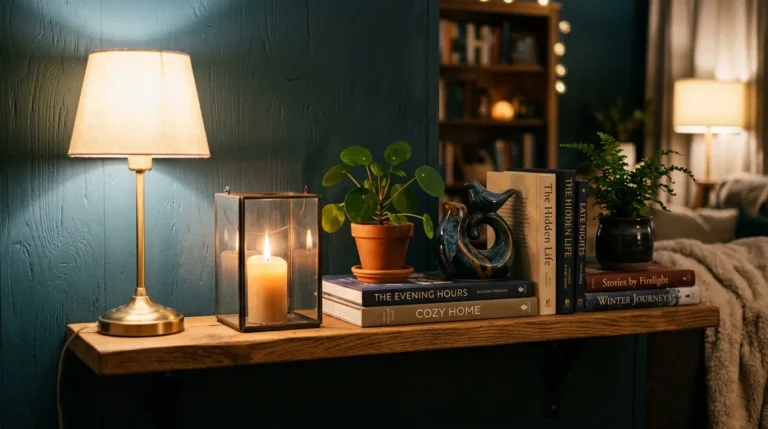
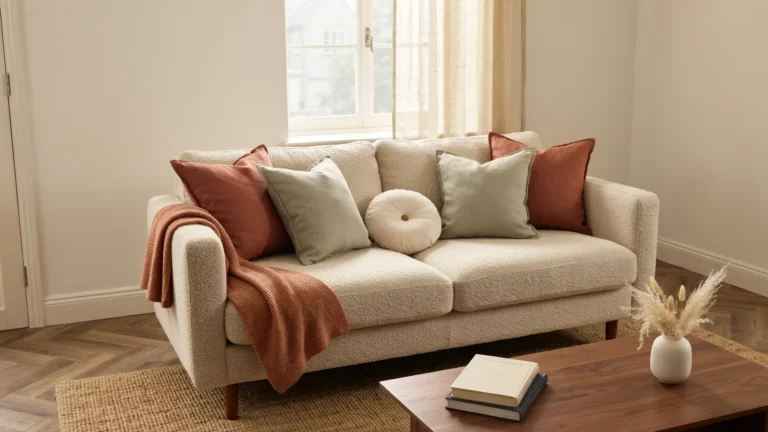
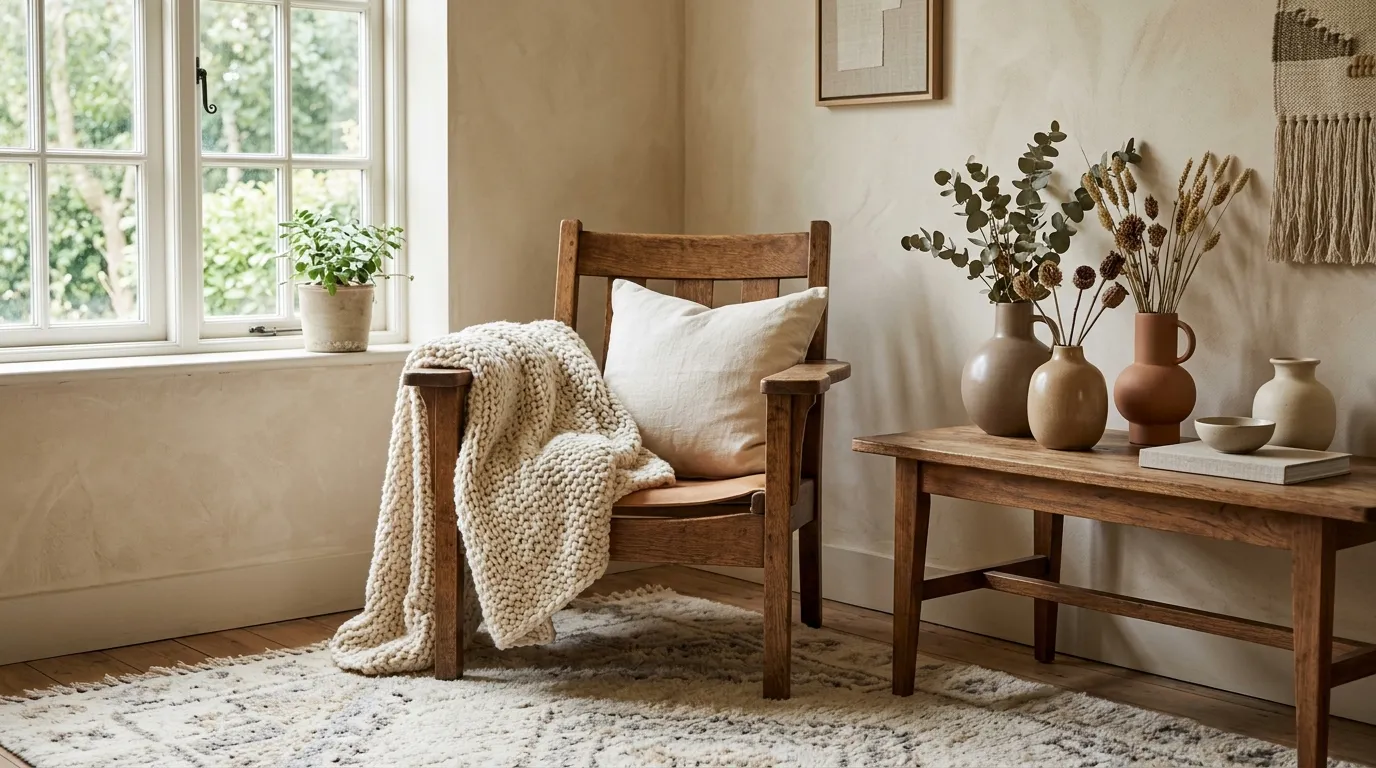
Texture adds depth that color alone can’t. A room full of smooth surfaces can feel cold, while mixing materials a chunky knit throw, a smooth ceramic vase, a rough wooden table creates richness and warmth. Layering textures is one of the easiest ways to make a space feel finished.
Scale and Proportion
Even beautiful pieces fall flat if the scale is off. A tiny rug under a large sofa looks lost. An oversized lamp on a small table feels clumsy. A good proportion creates balance, so each element relates comfortably to the others.
How Do You Discover Your Own Aesthetic Preferences?
This is where the real magic happens. Your style already exists you need to uncover it. A little introspection reveals patterns you’ve been drawn to all along.
Look at What You Already Own
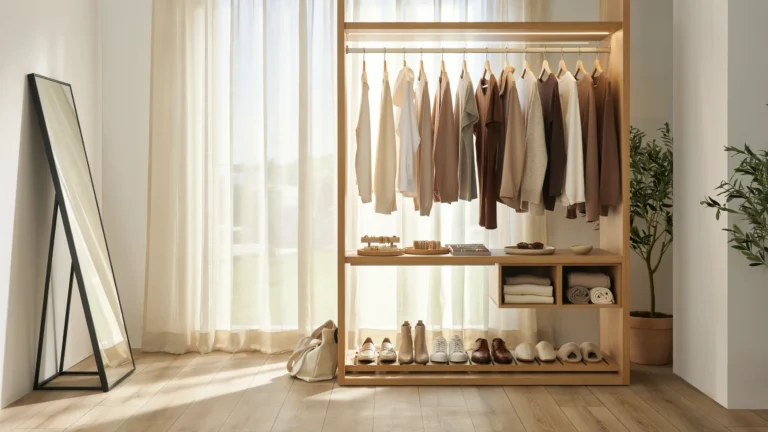
Open your closet. Are you drawn to soft neutrals or bold colors? Tailored pieces or flowing fabrics? Your wardrobe is a free-style quiz you’ve been filling out for years. The same goes for objects you treasure books, art, souvenirs. They hold clues.
Recall Places That Made You Feel Good
Think about a hotel, café, or home that felt amazing to be in. What made it special? Maybe it was the warm lighting, the plants, or the cozy reading nook. Those memories point straight to your preferences.
Use the “Love It or Leave It” Filter
As you gather inspiration, be ruthless. For every image or item, ask: do I genuinely love this, or do I think I should? This curatorial approach trims the noise and reveals your true taste.
Identify Your Non-Negotiables
Some things are deal-breakers. Maybe you can’t stand fluorescent lighting, or you refuse to give up your vintage armchair. Naming these boundaries early keeps you focused and protects what matters most.

How Can AI Help You Find Your Decorating Style?
Self-discovery gives you the raw material AI helps you organize it. Used well, AI acts like a patient design assistant that never gets tired of your questions.
AI-Powered Style Quizzes and Image Analysis
Many AI tools offer style quizzes that turn your answers into a clear style profile. Others use image recognition: feed them rooms you love, and they detect repeating patterns maybe you gravitate toward earthy tones and natural wood without even realizing it.
Personalized Mood Boards in Minutes
Building a mood board by hand takes hours. AI tools can generate personalized visualizations almost instantly, showing how your chosen colors, furniture, and textures might work together. Seeing the vision come to life makes decisions far easier.
Beating Decision Fatigue
When you’re overwhelmed by choices, AI offers data-driven suggestions. It can recommend a complementary palette, propose furniture that fits your theme, or flag pieces that clash. That gentle guidance helps you move forward instead of stalling.
Use AI Wisely
AI is a powerful starting point, but it shouldn’t replace your judgment. Treat its suggestions as inspiration, not rules. The goal is a home that reflects you so let your instincts have the final say.

How Do You Put Your Discovered Style Into Practice?
Knowing your style is one thing living in it is another. Here’s how to translate insight into a real, finished space.
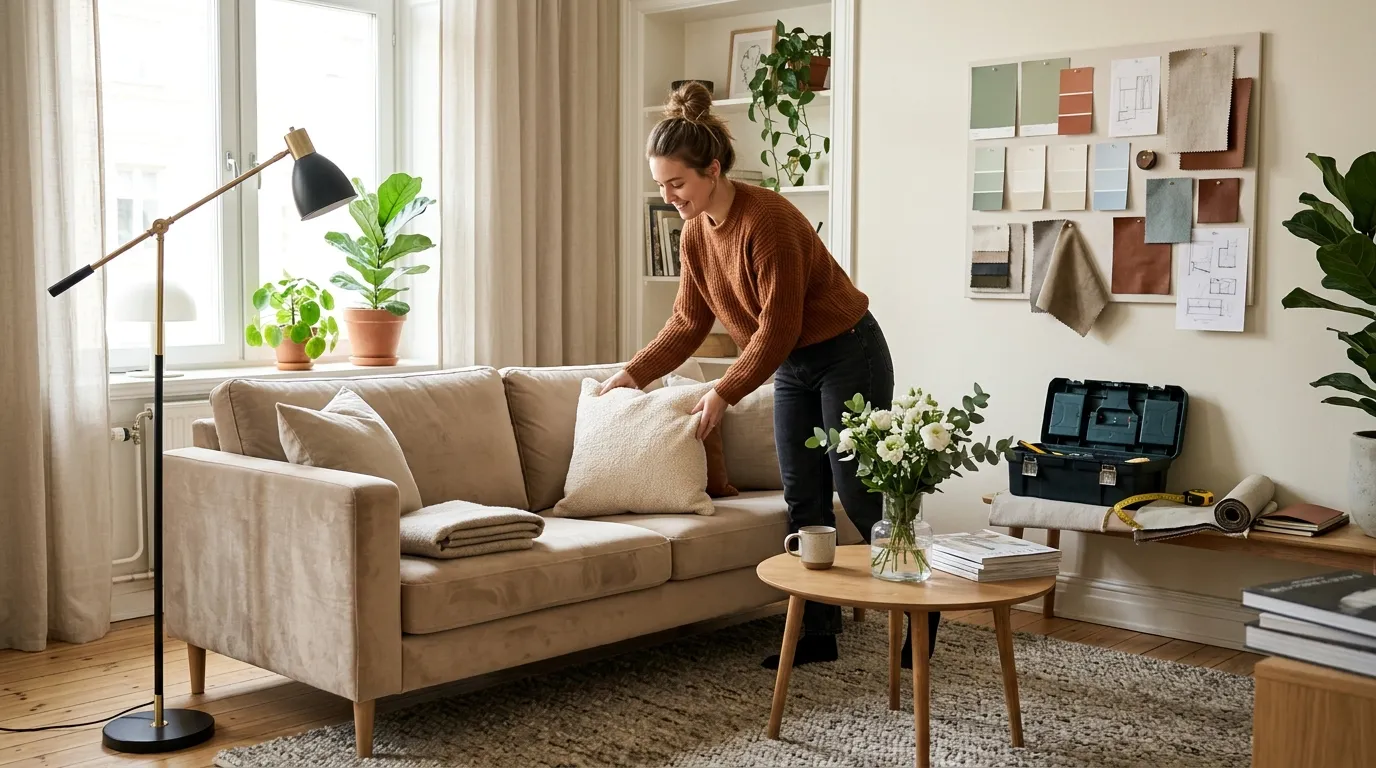
Build a Color Palette and Material Board
Start by locking in three to five core colors and a few key materials. This board becomes your reference for every future purchase, keeping everything cohesive.
Prioritize Investment Pieces First
Spend your budget on items that anchor the room a quality sofa, a solid dining table, a great bed. These workhorses set the tone, so they’re worth the investment.
Accessorize for Personality
Once the big pieces are in place, layer in personality with pillows, art, plants, and lighting. Accessories are easy to swap, so they’re the perfect place to experiment.
Start Small
You don’t have to redo your whole home at once. Pick one room or even one corner and finish it well. A single completed space builds confidence and momentum for the rest.
How Do You Maintain and Evolve Your Style Over Time?
Your home isn’t a finished product it’s a living space that grows with you. The best interiors evolve as your life, taste, and needs change.
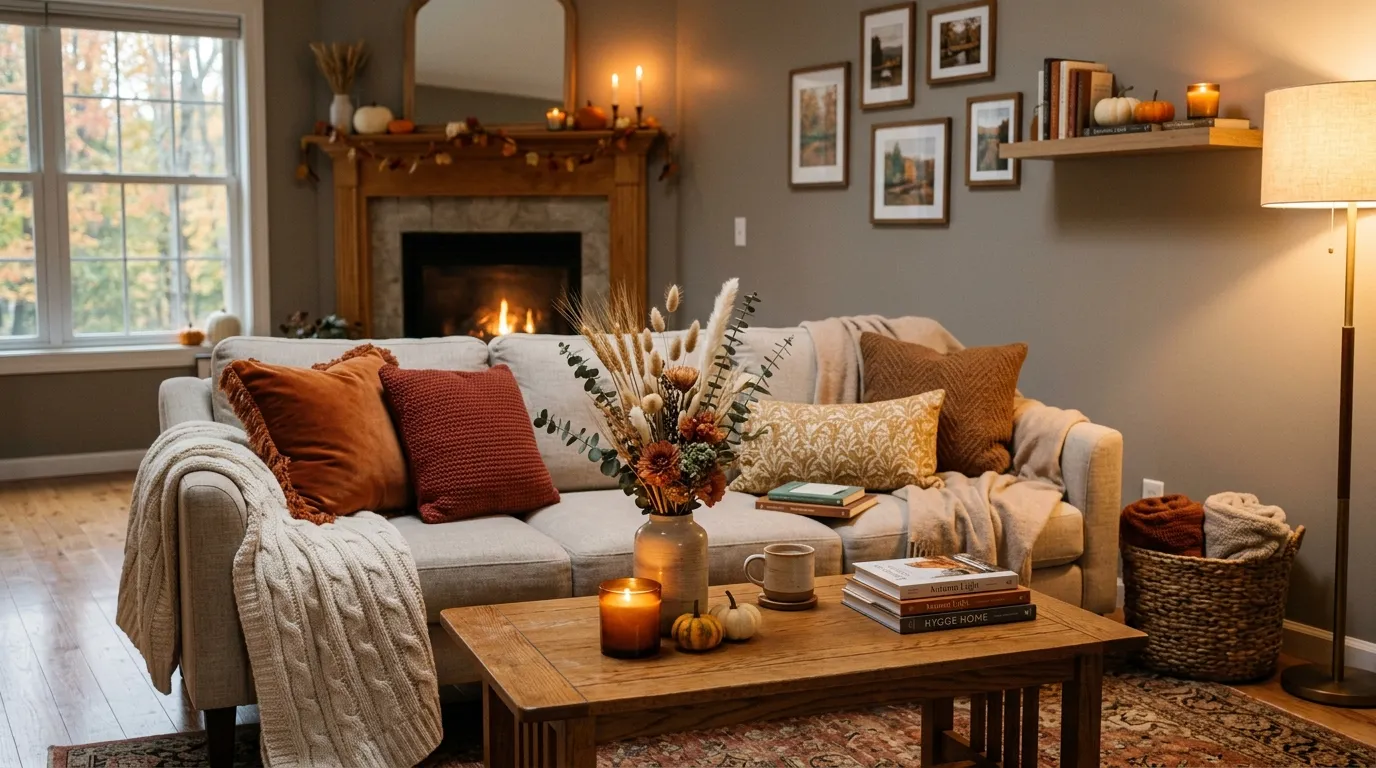
Don’t feel pressured to keep everything static. Small seasonal refreshers new throw pillows in autumn, lighter linens in summer keep your space feeling alive without a full overhaul. As you discover new things you love, let them in.
The joy of a personal style is that it’s never truly “done.” Each small change makes your home feel a little more like you, and that’s exactly the point.
Your Home, Your Story
Finding your decorating style isn’t about following rules or chasing trends it’s about paying attention to what already makes you happy. When you understand the basics of color, texture, and scale, study your own preferences, and lean on smart tools like AI for clarity, the overwhelm fades away.
Start where you are. Look at what you love, name your non-negotiables, and let one room lead the way. Your home is your story and you’re the only one qualified to tell it.
Ready to begin? Pick one space today, gather a few images that spark joy, and take your first confident step toward a home that feels truly yours.
Frequently Asked Questions
How long does it take to find your decorating style?
There’s no fixed timeline. Some people identify their style in a weekend of focused reflection, while others refine it over months. Using AI-style quizzes and mood board tools can speed up the process to just a few hours.
Can you mix two different decorating styles?
Yes. Blending styles like modern and bohemian is one of the best ways to create a unique, personal look. The key is to find a common thread, such as a shared color palette, that ties the styles together cohesively.
Do you need to spend a lot of money to have a defined style?
No. A defined style actually saves money because it stops impulse buying and costly mistakes. Start by prioritizing one or two investment pieces, then build out with affordable accessories you can swap over time.
What’s the first step if I feel completely overwhelmed?
Start small and start with yourself. Open your closet, look at items you already love, and notice patterns in color and texture. Then pick just one room or corner to focus on rather than tackling your entire home at once.
Is AI reliable for interior design decisions?
AI is a helpful starting point for organizing ideas, generating mood boards, and spotting patterns in your preferences. However, treat its suggestions as inspiration rather than strict rules your personal instincts should always make the final call.