Affordable Homework Station Ideas: Desks & Chairs Under $250 You can build a complete, comfortable homework station for under $250 by pairing a budget desk ($60–$150) with an ergonomic chair ($80–$150). Focus on space-saving designs, adjustable seating, and good lighting. Shopping secondhand, timing sales, and using AI price-comparison tools help stretch your budget even further.
Setting up a study space that works without spending a fortune feels tricky for a lot of families. Kids need somewhere to focus, parents want a tidy corner that doesn’t take over the living room, and nobody wants to drop hundreds of dollars on furniture that might be outgrown in a year.
The good news? A great homework station doesn’t require a big budget. With smart planning and the right picks, you can create a space that boosts focus and keeps backs happy, all for under $250 total.
This guide walks through affordable desks and chairs under $250, plus practical tips for organization, lighting, and even using AI tools to find the best deals. Whether you’re outfitting a corner for a first grader or a dorm setup for a college student, you’ll find ideas that fit your space and wallet.
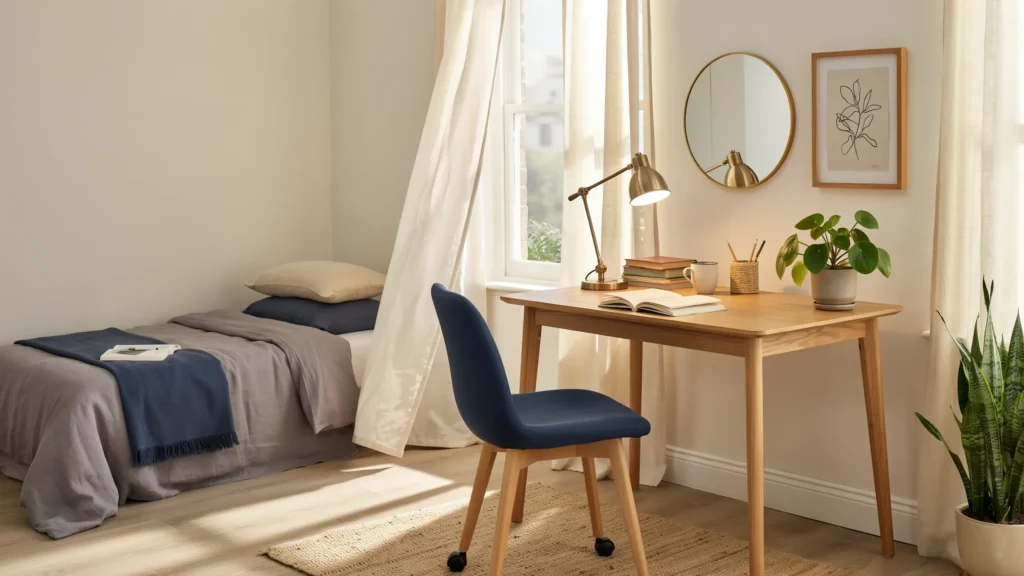
Why does a dedicated homework station matter?
A set study space does more than hold pencils and notebooks. It signals to a child’s brain that it’s time to focus.
For students, a dedicated spot improves concentration and organization. When supplies live in one place, there’s less time wasted hunting for a calculator or charger. Studies on study habits consistently link a quiet, organized workspace with better academic performance.
For parents, a homework station creates clear boundaries. Study time happens at the desk; downtime happens elsewhere. That separation cuts down on the daily “go do your homework” battles and lowers stress for everyone.
Comfort plays a big role, too. A child slumped over a kitchen table will fidget, lose focus, and may develop poor posture over time. A proper desk and chair support good posture, which makes longer study sessions easier to handle.

What should you consider before buying a desk or chair?
A little planning prevents wasted money and returns. Here’s what to think through first.
How much space do you actually have?
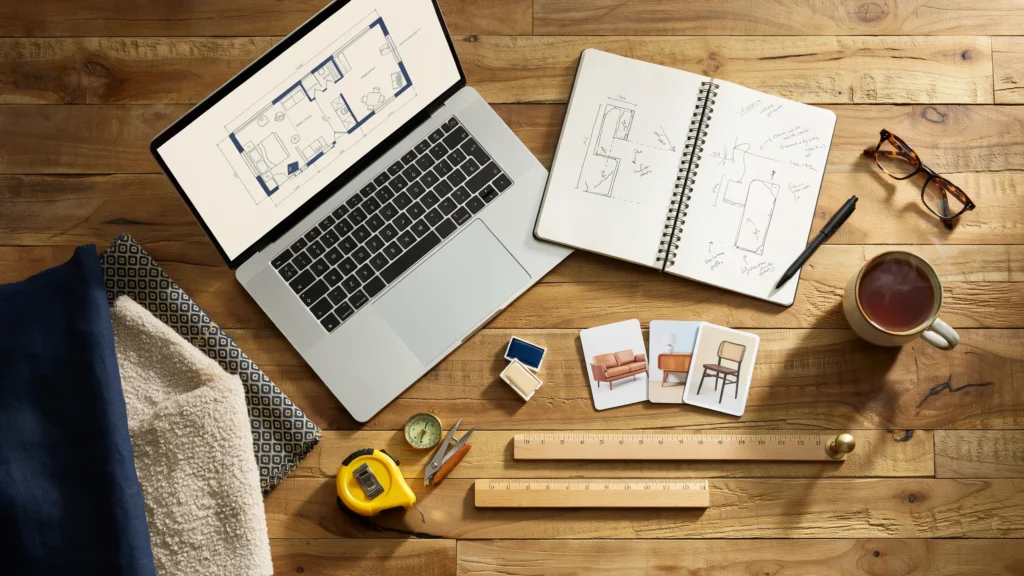
Measure your space before shopping. Note the width, depth, and height available, and leave room to pull a chair out comfortably. A desk that looks perfect online can swallow a small bedroom in real life.
What does your child’s age and grade level require?
Needs change with age:
- Elementary students do well with a small desk and simple storage for crayons, paper, and books.
- Middle and high schoolers need more surface space for laptops, textbooks, and notebooks open at once.
- College students often want compact, portable options that fit dorm rooms and move easily.
What’s your child’s learning style?
A visual learner may want wall space for charts and a whiteboard nearby. A kinesthetic learner might prefer a standing desk converter that allows movement. Matching the setup to how your child learns keeps them engaged.
What functionality do you need?
Think about storage drawers, cable management for chargers, and whether the desk needs to double as a craft table or gaming spot. Multi-purpose desks earn their keep in small homes.
Should you plan for smart home integration?
If your home uses smart speakers or plugs, leave a little room near the desk for them. A smart plug lets you set a lamp on a schedule, and a voice assistant can set study timers hands-free. Planning for this now future-proofs the space.
What are the best affordable desks under $250?
Plenty of solid desks cost well under $250. The right type depends on your space and how your child works.
Which desk type fits your space?
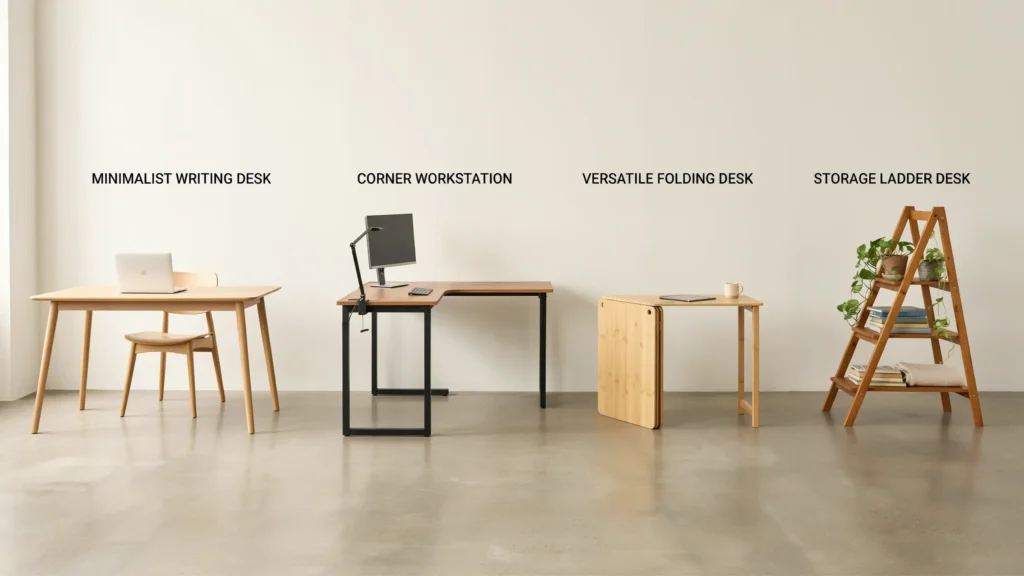
- Compact/writing desks ($60–$120): Slim and simple. Great for small rooms, though limited surface space can crowd a laptop plus textbooks.
- Corner desks ($100–$180): Use awkward corners well and offer more surface area. They take up two walls, so plan placement carefully.
- Folding desks ($50–$100): Fold flat when not in use ideal for shared or tiny spaces. They tend to be less sturdy for heavy daily use.
- Desks with built-in storage ($120–$220): Shelves and drawers keep supplies close. They’re bulkier and cost a bit more, but cut clutter.
- Standing desk converters ($80–$150): Sit on top of an existing surface to allow standing. Budget models exist, but check the weight limit before buying.
What materials should you expect at this price?
Most affordable desks use particle board or MDF with a laminate finish. These look clean and cost little, but they don’t handle moisture or rough use as well as solid wood. Metal-framed desks offer better durability for a similar price. Basic solid wood costs more but lasts longer worth it if the desk will see years of use.
Where can you find the best desk deals?
Check online retailers like Amazon, Wayfair, and IKEA for budget lines. Discount stores such as Target and Walmart often carry sub-$150 options. For the best value, browse secondhand on Facebook Marketplace, Craigslist, or local thrift stores a sturdy used desk often beats a flimsy new one at the same price.
How can AI shopping assistants help you buy smarter?
AI-powered shopping tools compare prices across stores in seconds and summarize hundreds of reviews into quick takeaways. Ask an AI assistant something like, “Find a corner desk under $150 with good reviews for durability,” and it can surface options you’d otherwise miss. This saves hours of scrolling and helps you spot the best deal.
Which budget-friendly chairs under $250 are worth it?
A good chair matters as much as the desk. Poor seating leads to back pain, fidgeting, and lost focus during long study sessions.
What chair features should you prioritize?
Look for:
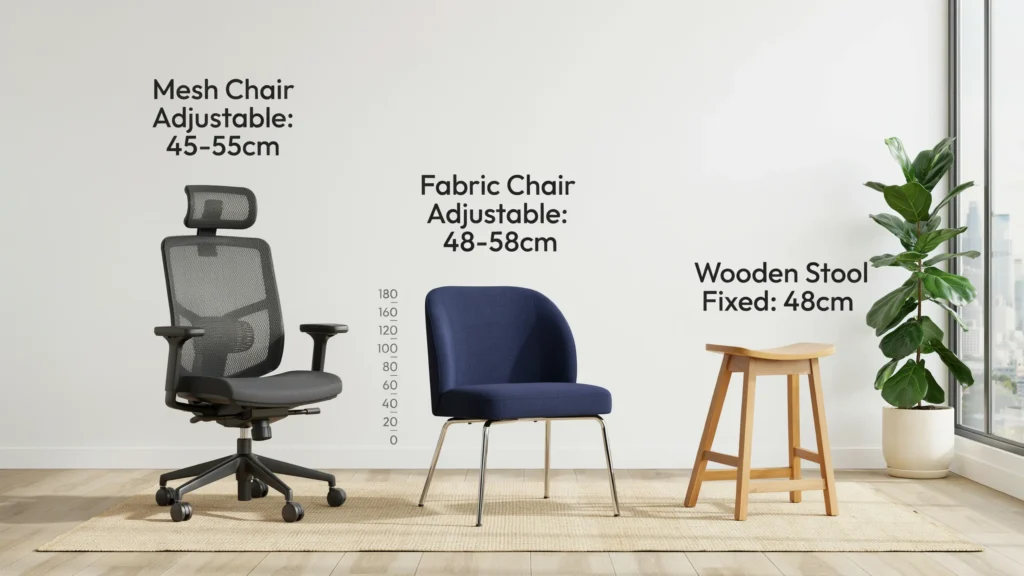
- Adjustable height so feet rest flat and elbows sit at desk level.
- Lumbar support to protect the lower back during long sitting.
- Breathable material to stay comfortable for hours.
- Armrests (optional) that ease shoulder strain, ideal for older students.
Which chair type suits your setup?
- Task/office chairs ($60–$120): Affordable, adjustable, and widely available. Basic models may lack strong lumbar support.
- Ergonomic desk chairs ($120–$220): Built for posture with better back support and adjustability the best pick for teens who study for hours.
- Stools ($40–$90): Compact and encourage active sitting. They lack back support, so they suit short sessions or standing-desk pairings.
What chair materials work best on a budget?
Mesh chairs breathe well and stay cool, making them great for long sittings. Fabric chairs feel cozy but trap heat and can stain. Basic PU leather wipes clean easily but may peel over time. For daily study, mesh usually offers the best comfort-to-price ratio.
How can AI help you pick the right chair?
Describe your needs to an AI assistant”an ergonomic chair under $150 with lumbar support for a tall teenager, and it can match products to those specifics while flagging reviews that mention comfort and durability. This targeted approach beats guessing from a product photo.
How can you stretch your budget even further?
Smart shopping habits free up money for the things that matter most comfort and durability.
Can DIY upgrades save you money?
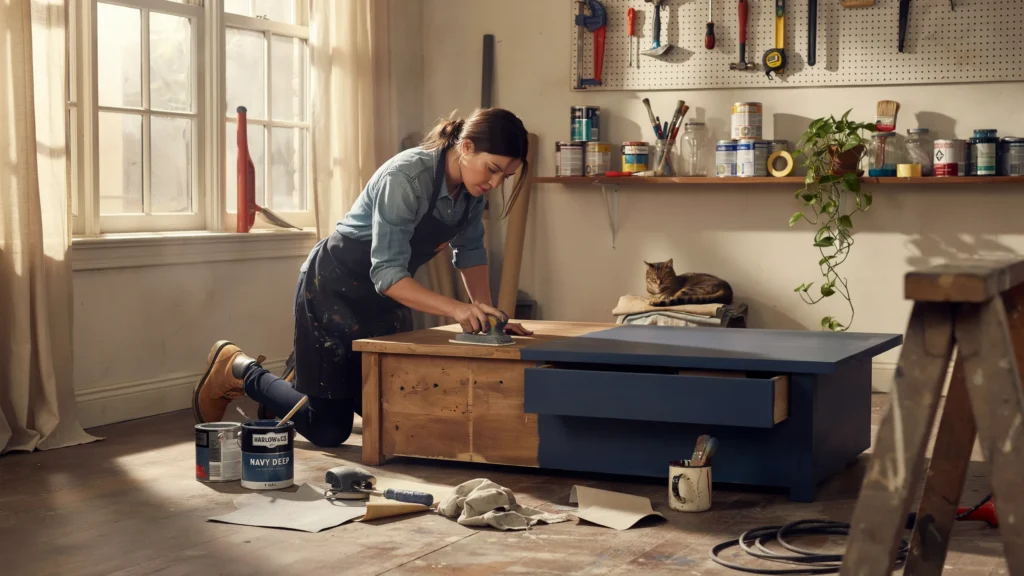
Yes. Repurpose a sturdy table you already own and add a desktop organizer. A coat of paint can refresh a dated desk for a few dollars. A rolled towel or small cushion adds lumbar support to a basic chair until you upgrade.
Are secondhand finds worth it?
Often, secondhand furniture offers the best value. Thrift stores, garage sales, and online marketplaces regularly list quality desks and chairs at a fraction of retail. Inspect for stability and check that drawers and adjusters still work before buying.
When are the best times to buy?
Time purchases around sales. Back-to-school season (July–August), Black Friday, and post-holiday clearances bring the deepest discounts on furniture. Setting a price alert helps you pounce when an item drops.
How do you decide between needs and wants?
List must-haves first: a stable desk, an adjustable chair, and good lighting. Treat extras built-in USB ports, premium finishes, fancy storage as bonuses to add only if the budget allows.
What else makes a great study environment?
A desk and chair are the foundation. These finishing touches turn a corner into a space that invites focus.
How important is lighting?
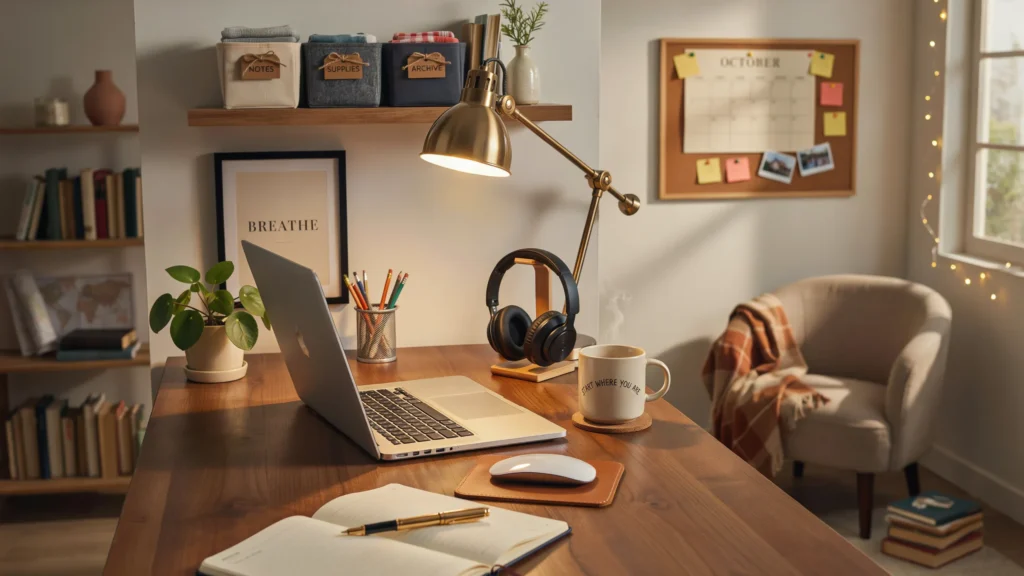
Very. Place the desk near a window for natural light when possible. Add a task lamp with adjustable brightness for evening study good lighting reduces eye strain and keeps energy up. Aim for light that hits the work surface without casting shadows.
What organization tools help most?
Use bins, shelves, and wall organizers to keep supplies within reach but off the desktop. Labeled drawers help younger kids put things back. A clutter-free surface makes it easier to start working.
How do you cut down on distractions?
Position the desk away from the TV and high-traffic areas. Noise-canceling headphones help in busy homes. Keep the visible area simple too many decorations pull attention away from work.
How can you personalize the space?
Let your child pick a color theme, a small plant, or a favorite poster. A space that feels like their own encourages them to use it. Just balance personality with a clean, focused layout.
Which AI tools boost study focus?
Focus apps powered by AI can block distracting sites, set Pomodoro timers, and track study time. Tools like these help students build steady habits and make the most of their station.
How can AI tools support homework and study?
Beyond shopping and setup, AI helps with the actual work of studying.
For students, AI tools assist directly. Grammar checkers polish essays, research assistants summarize long articles, and math solvers explain step-by-step solutions. Used well, these tools build understanding rather than replace effort.
For parents, AI is a planning ally. It can compare furniture prices, build a study schedule around extracurriculars, and even suggest age-appropriate learning apps. A quick prompt can turn hours of research into a short, useful list.

Build a study space that works without overspending.
A great homework station comes down to thoughtful planning, not a big budget. With a desk and chair under $250 combined, the right lighting, and a little organization, you can create a space that helps your child focus and feel comfortable.
Start by measuring your space and listing your must-haves. Compare a few budget desks and ergonomic chairs, check secondhand options, and time your purchase around a sale. Lean on AI tools to compare prices, read reviews fast, and keep study sessions on track.
The payoff is real: a tidy, inspiring corner that makes homework a little easier for kids and parents alike.
Frequently asked questions
How much should I spend on a homework desk and chair?
A complete setup fits comfortably under $250. Expect to spend $60–$150 on a desk and $80–$150 on an ergonomic chair. Spending more on the chair often pays off, since comfort directly affects focus during long study sessions.
What is the best desk for a small bedroom?
Compact writing desks and folding desks work best in small bedrooms. A corner desk is another smart choice, since it uses an unused corner while still offering decent surface space. Measure your area first to confirm the desk fits in the room with room to pull out the chair.
Are ergonomic chairs worth it for kids?
Yes, especially for middle and high schoolers who study for long stretches. An ergonomic chair with adjustable height and lumbar support promotes good posture and reduces back strain. For young children or short sessions, a basic adjustable task chair is usually enough.
Where can I find the cheapest study furniture?
Secondhand sources Facebook Marketplace, Craigslist, and thrift stores typically offer the lowest prices. For new furniture, IKEA, Target, and Walmart carry reliable budget lines. Shopping during back-to-school season or Black Friday brings the deepest discounts.
Can AI really help me set up a homework station?
Yes. AI shopping assistants compare prices across retailers and summarize reviews in seconds, helping you find the best desk and chair for your budget. AI can also build study schedules and recommend focus apps once the station is set up.