DIY textile art is a cost-effective way to create high-end home decor and clothing. By mastering fundamental techniques like embroidery and appliqué, and using accessible materials like cotton and linen, beginners can craft professional-looking throw pillows, wall hangings, and wearable art directly from home. Textile art has a unique way of adding warmth, texture, and personality to any space or wardrobe high-end boutiques often charge hundreds of dollars for embroidered pillows or woven wall hangings, but creating these pieces yourself allows you to achieve that coveted designer look without the premium price tag. This is the essence of Easy DIY Textile Art Ideas: Create Designer Decor at Home.
Crafting your own fabric masterpieces serves as a highly therapeutic and rewarding creative outlet, giving you complete control over the colors, textures, and patterns so every piece perfectly matches your personal style. This guide covers easy DIY textile art ideas to create designer decor at home from choosing the right materials and mastering foundational techniques to executing specific projects for your home and wardrobe.
What materials are essential for starting DIY textile art?
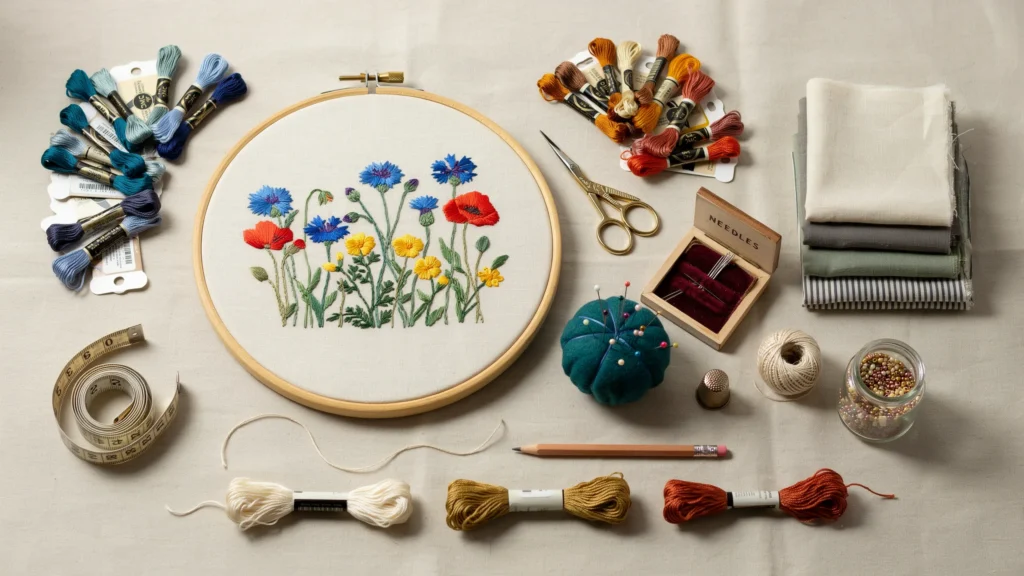
Building a solid toolkit is the first step toward creating high-quality pieces. You do not need an expensive setup to get started, but choosing the right foundational items makes the process much smoother.
Fabrics
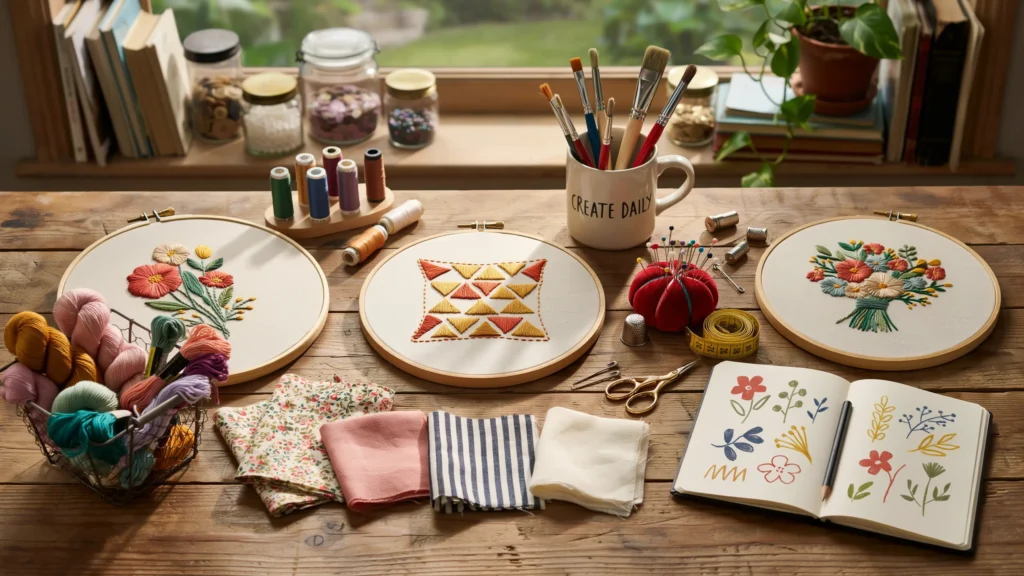
Begin with stable, easy-to-work-with fabrics. Basic cotton is incredibly forgiving for beginners practicing embroidery or painting. If you want a more luxurious, designer aesthetic, choose mid-weight linen. It offers a beautiful natural texture that elevates simple designs.
Threads and Yarns
Stock up on cotton embroidery floss in a variety of colors. For adding texture, wool yarns or chunky acrylic blends work wonderfully for weaving or tufting projects. Choose high-quality threads that will not snap under tension.
Embellishments and Tools
Gather small decorative elements like glass beads, sequins, and wooden buttons to add depth to your work. For your hardware, you will need sharp fabric scissors, a variety of embroidery needles, and a wooden embroidery hoop to keep your fabric taut while you work.
What basic techniques form the foundation of textile art?
Before tackling large projects, you need to understand how to manipulate fabric and thread. Mastering a few simple methods will allow you to execute almost any design.
Embroidery
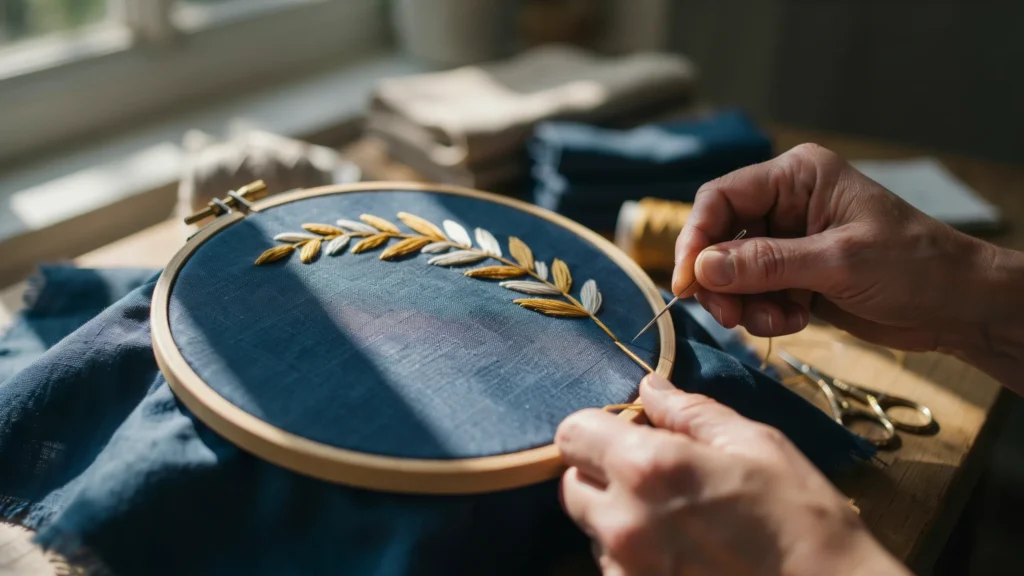
Embroidery involves stitching designs directly onto fabric. Start by learning the backstitch for creating solid lines, the satin stitch for filling in shapes, and French knots for adding small, raised dots of texture.
Appliqué
Appliqué is the process of sewing smaller pieces of fabric onto a larger background to create a picture or pattern. You can use a simple running stitch to attach the pieces, instantly giving your project a layered, three-dimensional look. Choose appliqué if you want to cover large areas with color quickly without using hundreds of embroidery stitches.
Fabric Painting and Dyeing
Fabric paints and dyes allow you to add broad strokes of color. You can use stencils for precise geometric shapes or try freehand watercolor techniques on wet fabric for a soft, abstract effect. Always heat-set your paint with an iron so the design survives the washing machine.
Weaving
Weaving creates entirely new textiles by interlocking threads. Using a simple cardboard or wooden frame loom, you can weave thick yarns, fabric strips, and even natural materials to create highly textured mini-tapestries.
How can you elevate your home decor with designer-inspired projects?
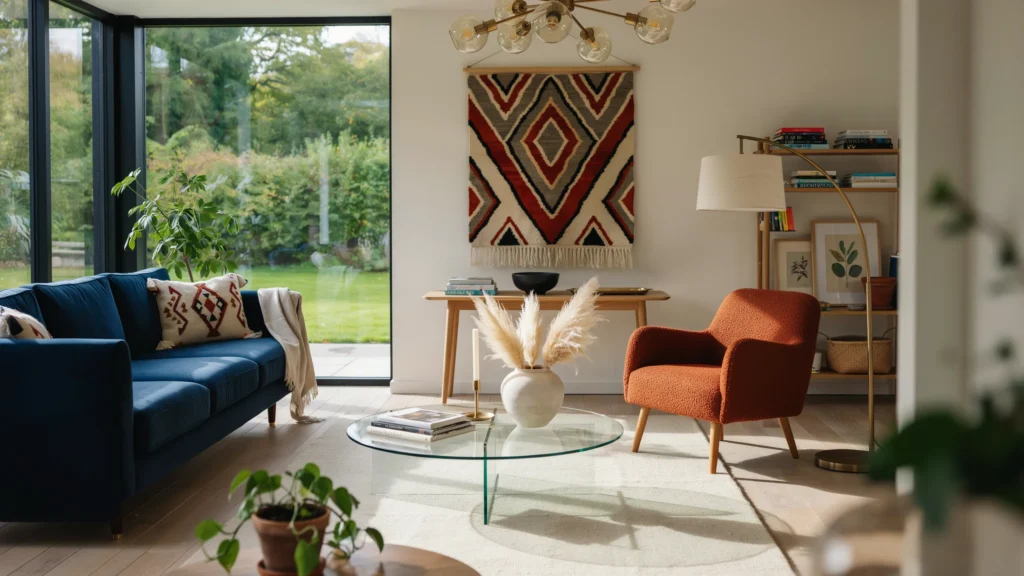
Your home is the perfect canvas for your new skills. Custom textile decor adds a bespoke touch that store-bought items cannot replicate.
Chic Embroidered Throw Pillows
Transform a plain cotton or linen pillow cover by embroidering a minimalist continuous-line face or a geometric pattern. A few hours of stitching can turn a five-dollar cover into something that looks like it belongs in a luxury catalog.
Abstract Fabric Wall Art
Stretch a piece of canvas or heavy linen over a wooden frame. Use fabric paint to create an abstract background, then layer contrasting appliqué shapes over the top. Finish with a few bold embroidery stitches for added texture.
Personalized Table Runners and Coasters
Elevate your dining room by adding subtle embroidery to the ends of a table runner. You can also create heavy, quilted coasters using scrap fabrics. Sewing multiple layers of fabric together not only looks beautifully rustic but also protects your wooden furniture from hot mugs.
How do you create wearable textile art to match your unique style?
Textile art does not have to stay confined to your home. You can transform your everyday wardrobe into a walking gallery of your own designs.
Embellished Denim Jackets
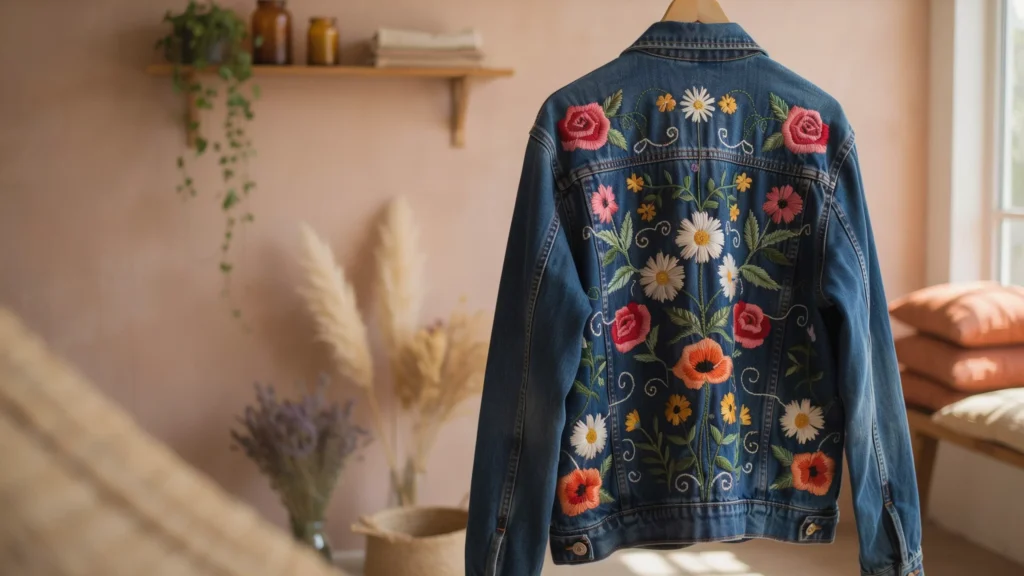
Denim is a fantastic, sturdy canvas. Stitch a large, colorful floral design across the back panel of a jean jacket, or add a cluster of embroidered stars near the collar. This technique breathes new life into thrifted or old clothing.
Embroidered Patches and Jewelry
Create custom patches by embroidering designs onto stiff felt, then sewing them onto backpacks or hats. You can also wrap small wooden hoops or metal bangles with colorful thread and fabric scraps to create sustainable, upcycled jewelry.
Custom Tote Bags
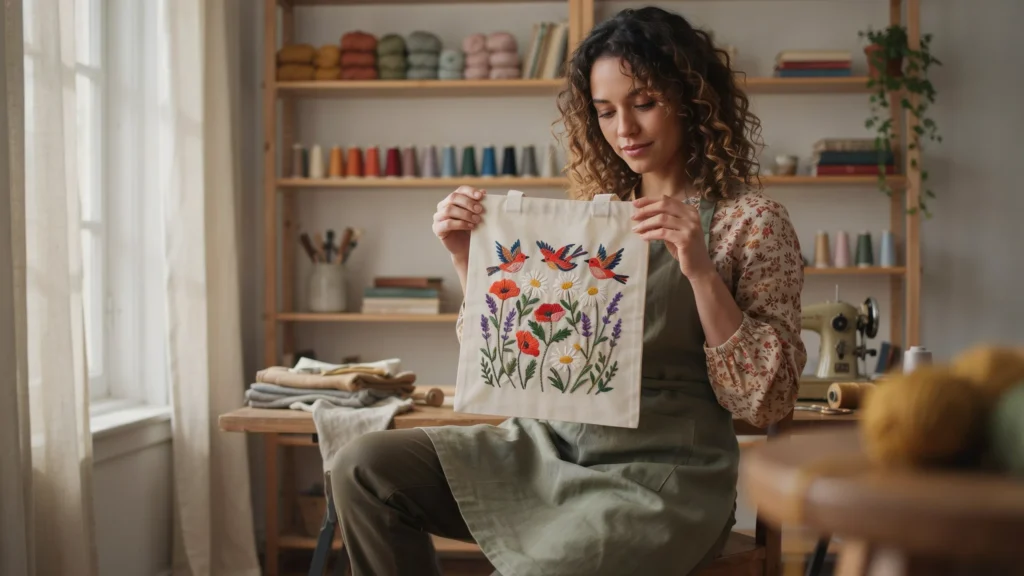
Canvas tote bags are inexpensive and incredibly practical. Use fabric paint to stamp a bold pattern, or embroider an intricate design on the front pocket. Because canvas is heavy-duty, it holds stitches exceptionally well and can carry your groceries in style.
What are the best tips for achieving professional-looking textile results?
Taking your work from looking “homemade” to “designer-made” relies on careful planning and attention to detail.
Plan Your Design and Colors
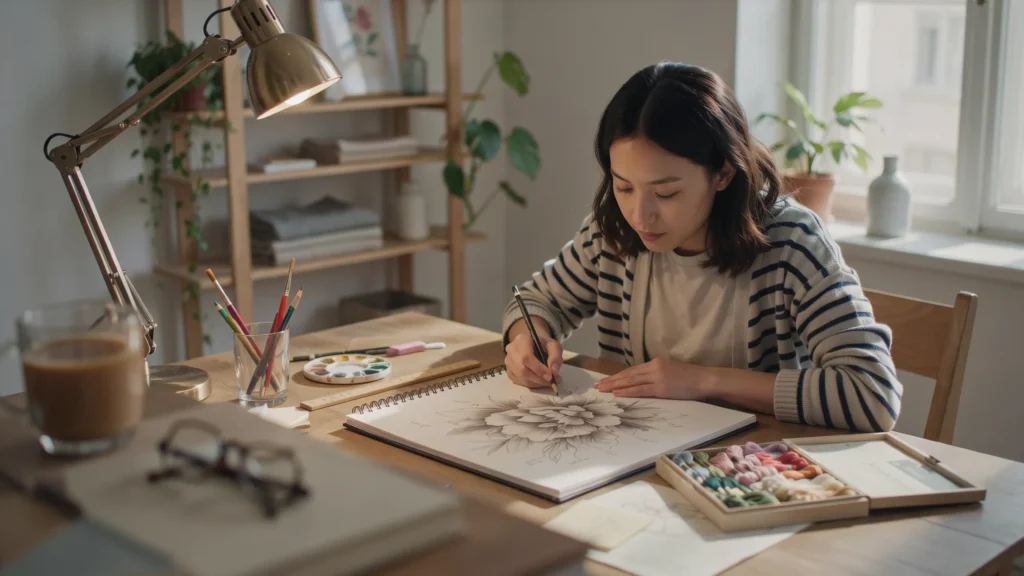
Never start stitching without a plan. Sketch your ideas on paper first or create a digital mood board. Choose a cohesive color palette before you begin. Sticking to three or four harmonious colors plus one metallic or contrasting pop ensures your final piece looks intentional and refined.
Apply Finishing Touches
The back of your work matters just as much as the front. Secure all loose threads so your stitches do not unravel. If you are creating wall art, trim the excess fabric and glue it neatly to the inside of your embroidery hoop, or frame the piece behind glass for a polished presentation.
Troubleshoot Mistakes
If a stitch looks crooked, carefully cut it out and try again. If fabric paint bleeds beyond your stencil, use a thicker embroidery thread to outline the shape and cover the mistake. Learning how to pivot when things go wrong is a crucial skill for any artist.
How should you care for and preserve your textile creations?
Proper maintenance ensures your hard work lasts for years to come.
Washing and Drying
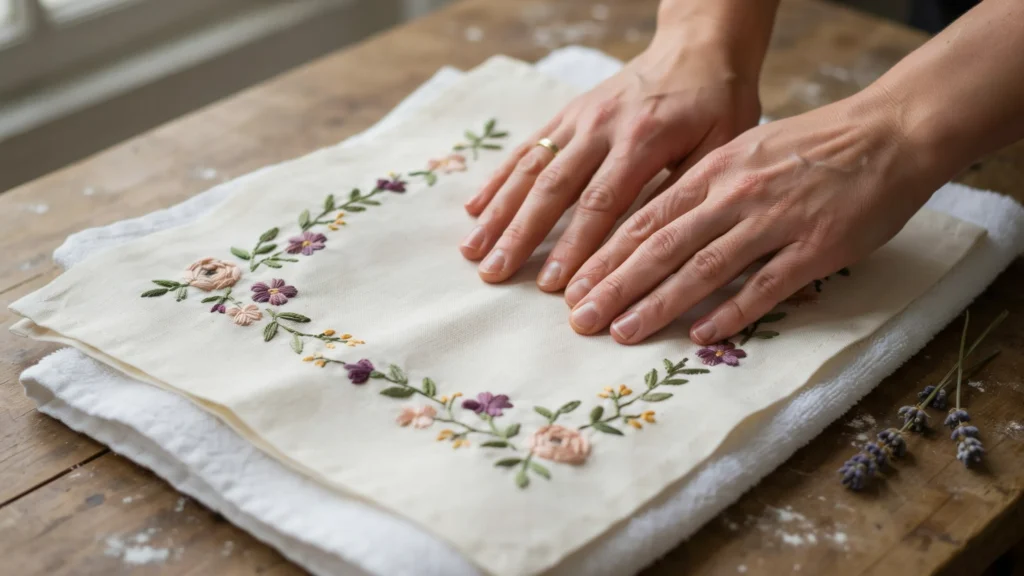
Hand-wash delicate items like embroidered shirts or hand-dyed runners using cold water and a mild detergent. Never wring out the fabric. Instead, press the item flat between two clean towels to remove excess moisture, then lay it flat to dry.
Storage and Preservation
Store seasonal textile decor in breathable cotton bags rather than plastic bins, which can trap moisture and cause mildew. Keep wall hangings out of direct, harsh sunlight to prevent the threads and fabric dyes from fading over time.
What advanced textile art forms can you explore next?
Once you feel confident with the basics, challenge yourself by combining techniques or working in three dimensions.
Quilting and Macramé
Quilting involves sewing together small pieces of fabric to tell a visual story, creating warm, intricate blankets. Macramé uses complex knotting techniques with thick cords to build structured plant hangers and large, flowing wall pieces.
Mixed Media and Sculptural Textiles
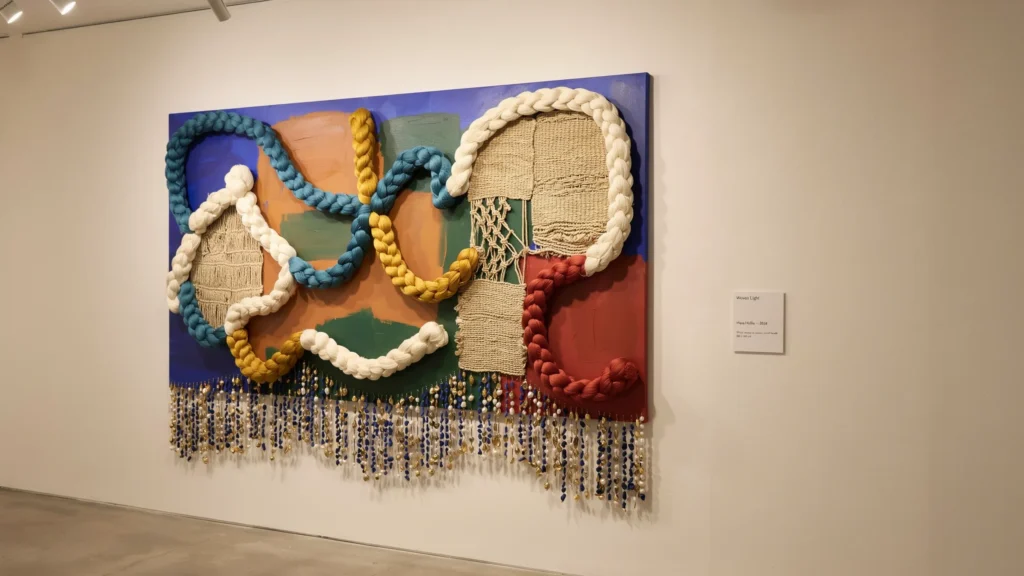
Combine different arts by painting a canvas, embroidering over the paint, and attaching woven elements. You can also stiffen fabrics using specialty mediums to mold three-dimensional sculptures and bowls.
Where can you find textile art ideas and community support?
Inspiration is everywhere if you know where to look. Connecting with others accelerates your learning and keeps you motivated.
Online Platforms and Local Workshops
Instagram and Pinterest are visual goldmines for discovering contemporary textile artists. Search for specific hashtags like #EmbroideryArt or #ModernWeaving. Check your local craft stores or community centers for weekend workshops where you can learn directly from experienced instructors.
Connecting with Fellow Artists
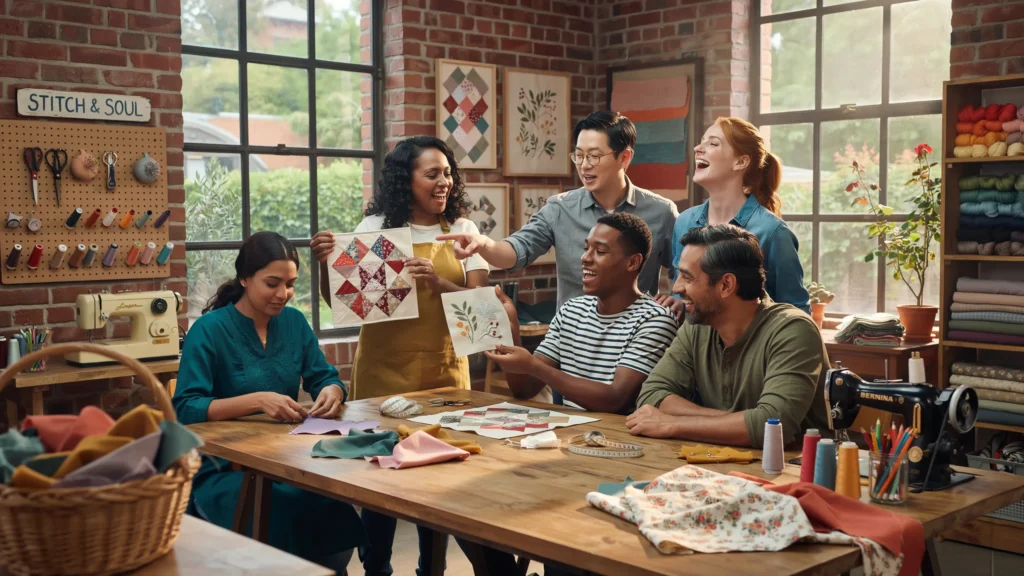
Join online forums or social media groups dedicated to fiber arts. Sharing your progress, asking for feedback on your color choices, and celebrating your completed projects with a supportive community make the process incredibly fulfilling.
Begin your DIY textile art journey today.
Creating designer-quality textile art requires patience, but the barrier to entry is incredibly low. By starting with simple stitches on basic cotton and gradually incorporating new textures and colors, you can completely transform your living space and wardrobe. Embrace the inevitable mistakes as learning opportunities, and enjoy the quiet, therapeutic rhythm of working with your hands. Pick up a needle, thread your favorite color, and see where your creativity takes you.
Frequently Asked Questions (FAQ)
Is textile art expensive to start?
No, textile art is very budget-friendly for beginners. You can start with an inexpensive embroidery hoop, a few skeins of cotton floss, a needle, and scrap fabric from old clothing for under twenty dollars.
How long does it take to learn basic embroidery?
Most beginners can learn foundational stitches like the backstitch and satin stitch in a single afternoon. Muscle memory develops quickly, allowing you to complete simple projects within your first week of practicing.
Can I wash clothes that have hand embroidery on them?
Yes, but you must do so carefully. Always hand-wash embroidered clothing in cold water with gentle soap and lay them flat to dry. Avoid the washing machine and dryer, as the agitation can snap delicate threads.
What is the best fabric for beginner textile artists?
Medium-weight, non-stretch cotton is the best fabric for beginners. It holds its shape well in an embroidery hoop and does not warp or pucker easily when pierced with a needle.
What is the difference between embroidery and appliqué?
Embroidery uses thread to stitch a design directly into the base fabric. Appliqué involves cutting out shapes from separate pieces of fabric and sewing those shapes onto the base fabric to create a design.