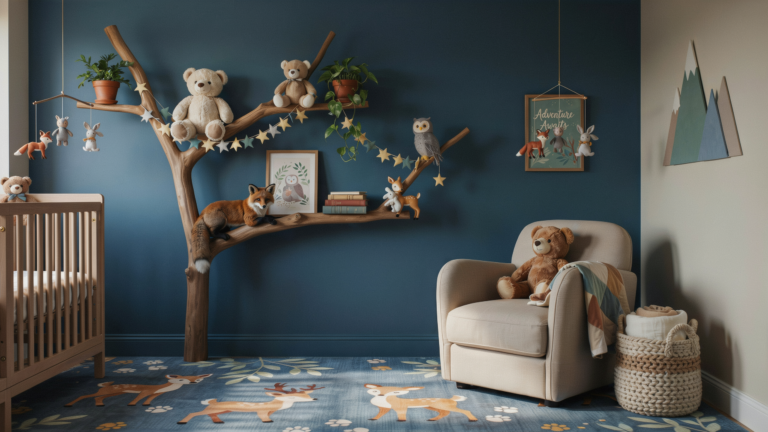
Pairing minimalist baby essentials with vintage toys means choosing fewer, higher-quality items that last longer, spark imagination, and reduce clutter. New parents are often told they need hundreds of products before the baby even arrives, but the truth is simpler: a child thrives with a handful of well-made essentials and toys that invite real play, not flashing lights and batteries. This approach saves money, cuts waste, and creates a calmer, more meaningful environment for your child to grow and play.
This guide on minimalist baby essentials meets vintage toys combines two powerful ideas: minimalist parenting and the timeless charm of vintage toys. You’ll learn what your baby actually needs, why old-school wooden trains and tin robots often beat modern plastic, and how to build a play space that feels peaceful rather than chaotic with practical steps for curating essentials, sourcing safe vintage finds, and creating a childhood rich in connection and creativity with much less stuff.
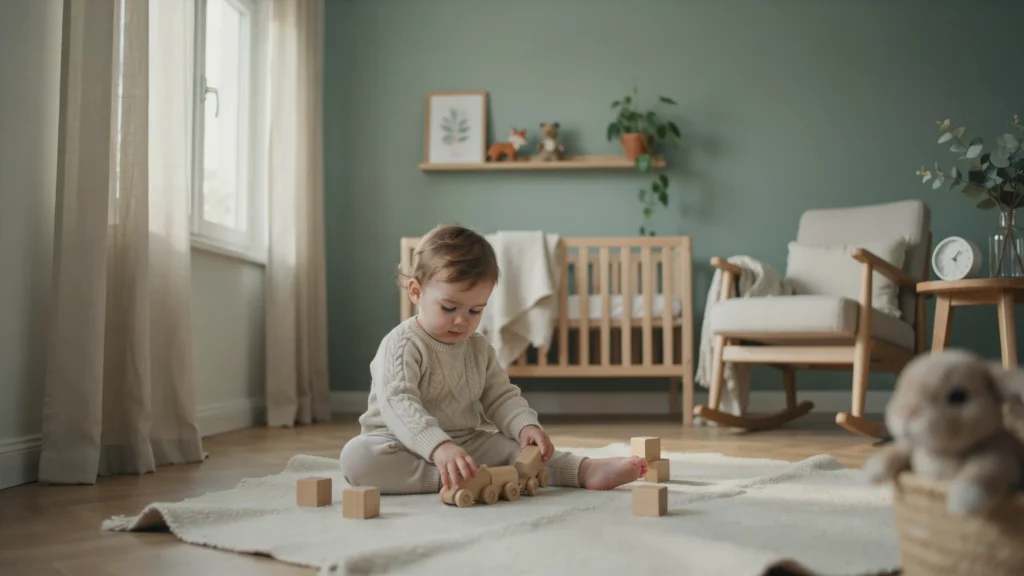
Why do minimalism and vintage toys work so well together?
Minimalism in parenting isn’t about deprivation. It’s about removing the excess so the good stuff stands out. When you stop buying every gadget marketed to new parents, you free up money, space, and mental energy for what matters most: time with your child.
Vintage toys fit this philosophy perfectly. A wooden train from the 1970s was built to survive decades of play. It has no app, no charging cable, and no off switch just open-ended fun that depends on your child’s imagination. Choosing fewer, better things gives kids a childhood built on quality rather than quantity.
The intersection of these two ideas creates something special. A simple nursery with a few cherished toys feels intentional. Each item has a purpose and often a story. That sense of meaning is hard to replicate with a closet stuffed full of forgotten plastic.
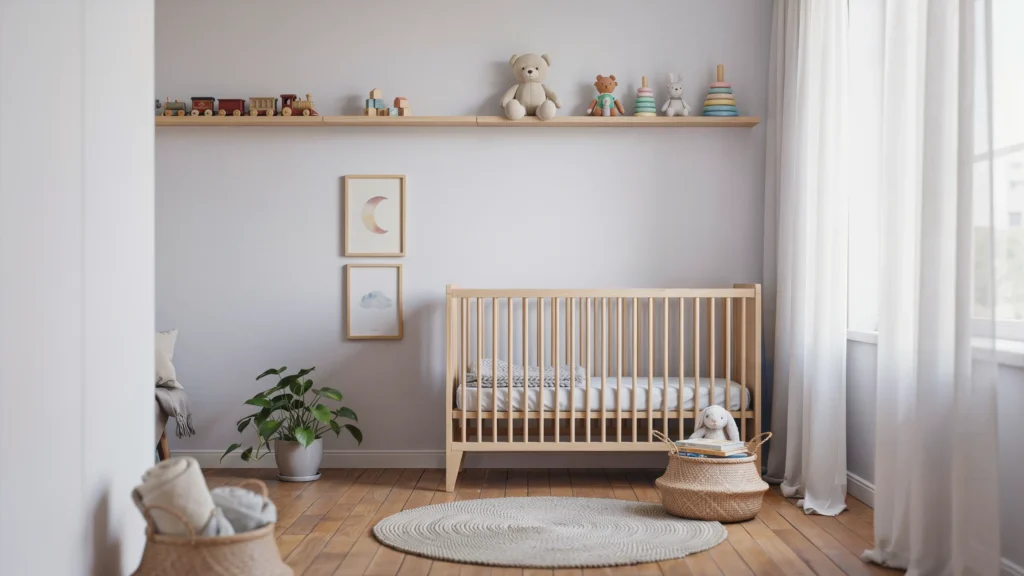
What truly counts as a minimalist baby essential?
Marketing convinces parents that more equals better. In reality, babies need surprisingly little. A “true” essential is something you’ll use daily, and that serves a clear function not a wipe warmer or a fifth swaddle in a pattern you liked online.
What are the real must-haves for a new baby?
Focus your spending on these categories:
- Clothing: A small rotation of comfortable, neutral pieces that mix and match. Babies grow fast, so quantity wastes money.
- Sleep: A safe crib or bassinet and a few breathable sleep sacks.
- Feeding: Whether you breastfeed or use formula, you need only the basics a couple of bottles, burp cloths, and a comfortable feeding spot.
- Diapering: A changing area, diapers, and wipes. Skip the elaborate stations.
- Transport: One reliable car seat and a stroller or carrier that suits your lifestyle.
Why does a minimalist approach help new parents?
Less clutter means less to clean, organize, and trip over. It also lowers decision fatigue. When you own five baby outfits instead of fifty, getting dressed takes seconds. Parents who adopt a minimalist mindset often report feeling calmer and more present, because their home isn’t overflowing with things they never use.
A practical tip: wait before you buy. Many “essentials” turn out to be unnecessary once your baby arrives. Borrow, accept hand-me-downs, and add items only when a genuine need appears.
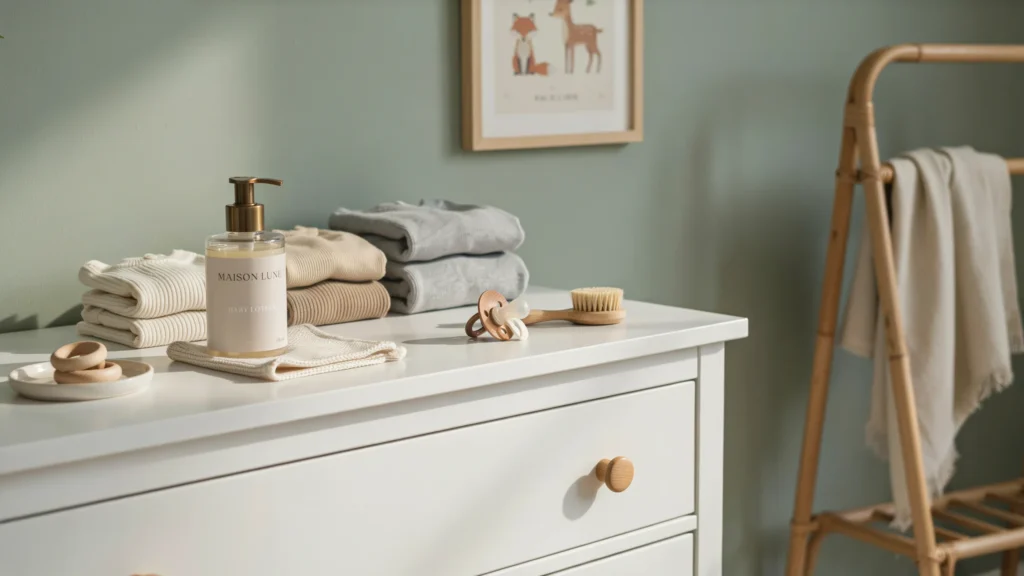
What makes vintage toys more than just playthings?
Walk into a thrift store, and you’ll often find toys decades old that still work perfectly. That durability is no accident. Older toys were frequently made from solid wood, metal, and natural materials designed to last a stark contrast to many modern toys built for short attention spans and quick replacement.
Why are vintage toys built to last?
Craftsmanship is the key difference. A classic wooden block set or a tin wind-up toy can survive being dropped, chewed, and passed between siblings. This durability means one toy can serve a child for years and then move on to the next generation, rather than ending up in a landfill after a few months.
How do vintage toys boost imagination?
Open-ended play is where vintage toys shine. A wooden train becomes a rocket, a snake, or a bridge depending on the day. Because these toys don’t dictate how to play, children fill the gaps with their own ideas. Studies on child development consistently show that open-ended play strengthens creativity and problem-solving more than toys that do all the “thinking” for the child.
What are the environmental and money-saving benefits?
Buying secondhand keeps toys out of landfills and reduces demand for new plastic production. It’s also gentler on your wallet. A vintage toy often costs a fraction of a new equivalent, and its resale value holds up far better. Choosing vintage is one of the simplest ways to make your parenting more sustainable.
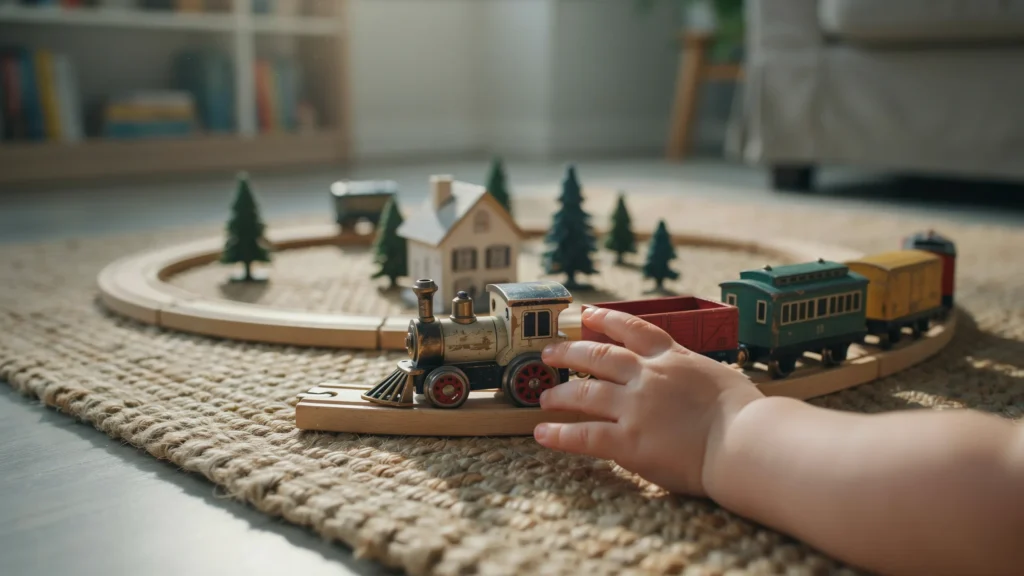
How do you add vintage toys to a minimalist nursery?
Bringing vintage finds into a clean, simple space takes a little planning. The goal is to keep the room calm while letting a few special toys shine.
How do you choose safe vintage toys?
Safety comes first, always. Older toys sometimes predate modern safety standards, so inspect each one carefully:
- Check for small parts that could be choking hazards for babies and toddlers.
- Avoid toys with chipped paint, as older paint may contain lead.
- Look for sharp edges, loose pieces, or unstable joints.
- Research recalls if you’re unsure about a specific brand or item.
When in doubt, save the toy for an older child or display it out of reach until your child is ready.
How should you display and store vintage treasures?
A simple open shelf works beautifully. Arrange three or four toys at eye level so they double as decor. Store the rest in a basket or closed cupboard. This keeps surfaces clear and prevents the visual chaos that comes from every toy being out at once.
What is a toy rotation system, and why use it?
A rotation system means keeping most toys stored and offering only a few at a time. Every week or two, swap them out. Children stay engaged because the “new” toys feel fresh, and you avoid the overwhelm of a giant toy pile. This single habit keeps a minimalist play space working long term.
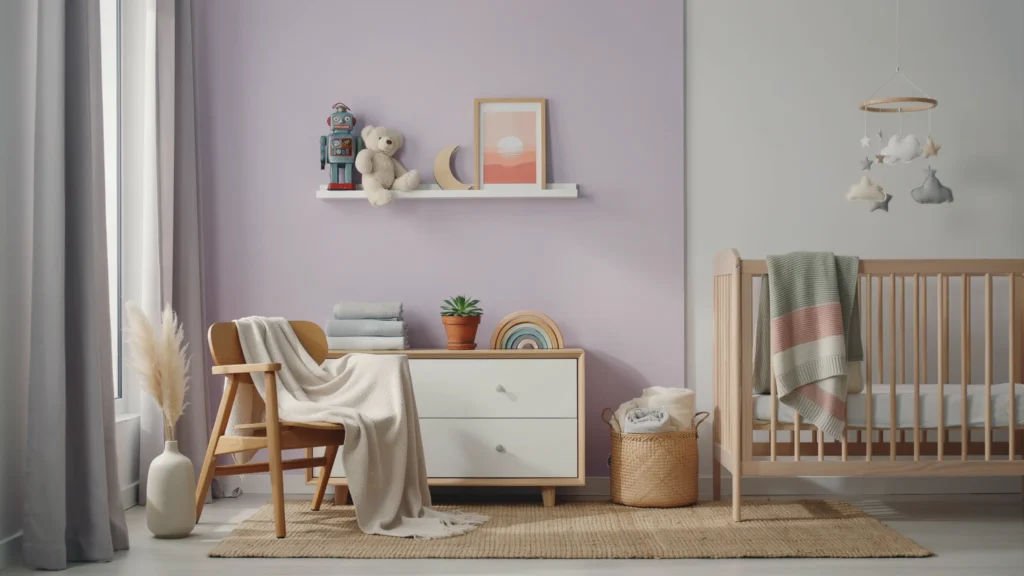
What developmental benefits do simple toys offer?
Beyond the charm, vintage and minimalist toys deliver real benefits for growing minds.
How do these toys support problem-solving and motor skills?
Stacking wooden blocks, fitting puzzle pieces, and winding a tin toy all build fine motor skills and hand-eye coordination. Because simple toys require effort and focus, children practice patience and problem-solving naturally. There’s no shortcut button just trial, error, and the satisfaction of figuring it out.
How do vintage toys connect generations?
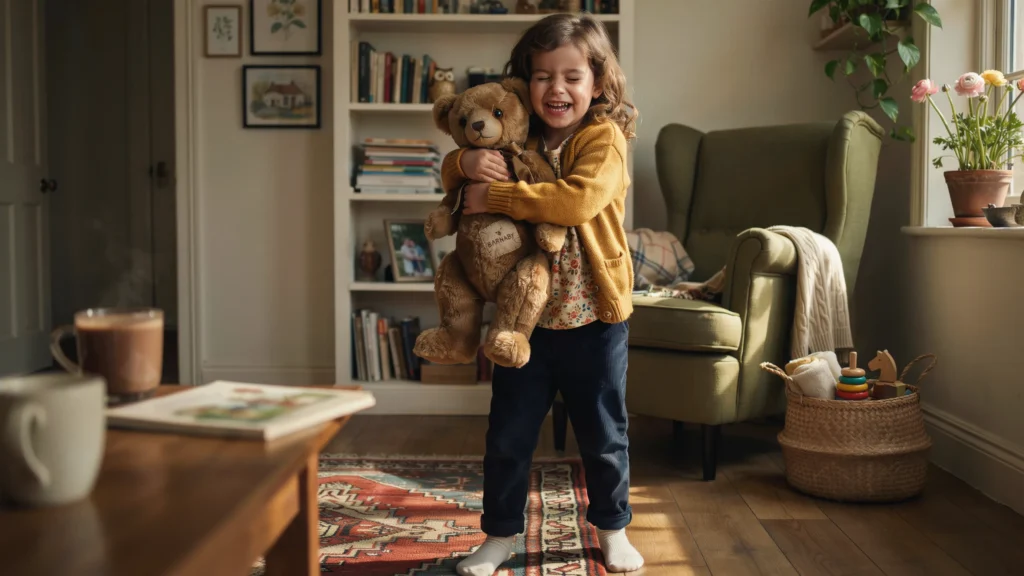
A toy you played with as a child carries a story. Handing it to your own kid sparks conversation: “I had this exact bear when I was your age.” These moments build family bonds and give children a sense of history. Storytelling around old toys is a small tradition with a big emotional payoff.
Can simple toys reduce overstimulation?
Yes. Many modern toys bombard children with lights, sounds, and rapid feedback that can overwhelm developing brains. Quiet, simple toys let children set their own pace. The result is often calmer, more focused play a welcome relief in a household already full of screens and noise.
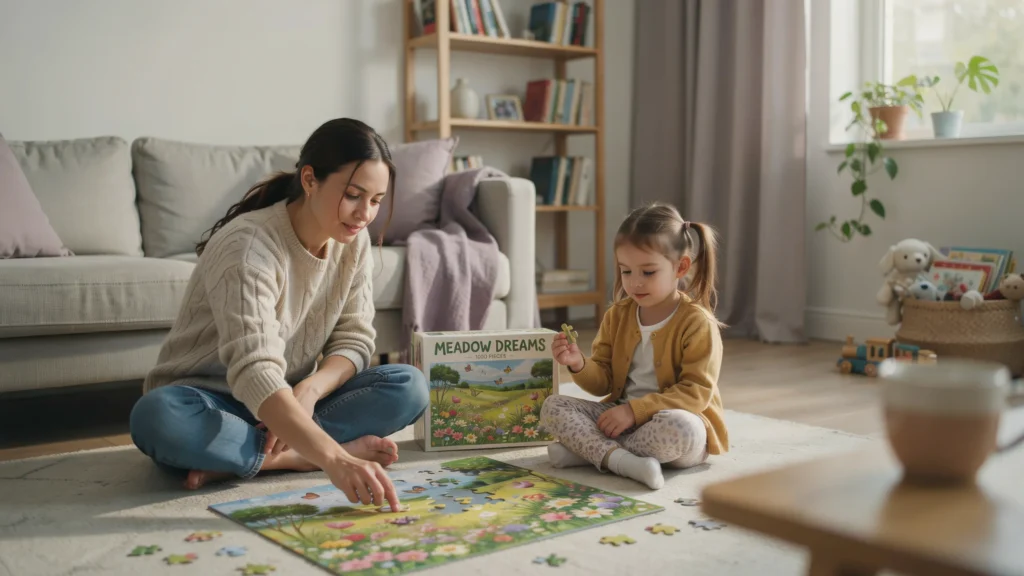
Where can you find and care for vintage toys?
Building a vintage collection is part of the fun. With a little patience, you can find treasures almost anywhere.
What are the best places to source vintage toys?
Try these spots:
- Flea markets and garage sales: Often the cheapest source, with room to negotiate.
- Antique shops: Higher prices, but curated and usually in good condition.
- Online marketplaces: Sites like eBay, Etsy, and Facebook Marketplace offer huge selections. Read descriptions carefully and ask for extra photos.
- Family attics: The best toys may already be in your relatives’ storage, waiting to be passed down.
How do you assess condition and authenticity?
Examine each toy for structural soundness and signs of wear that affect safety. For collectible items, research the brand and era to confirm authenticity a quick search of markings or logos usually does the trick. Don’t pay collector prices for a reproduction.
How do you clean and maintain vintage toys?
Cleaning depends on the material. Wipe wooden toys with a damp cloth and mild soap, then dry them fully to prevent warping. Clean metal toys gently and check for rust. Wash fabric toys by hand if the material allows. Avoid soaking anything, and store toys away from direct sunlight and damp to keep them in good shape for years.
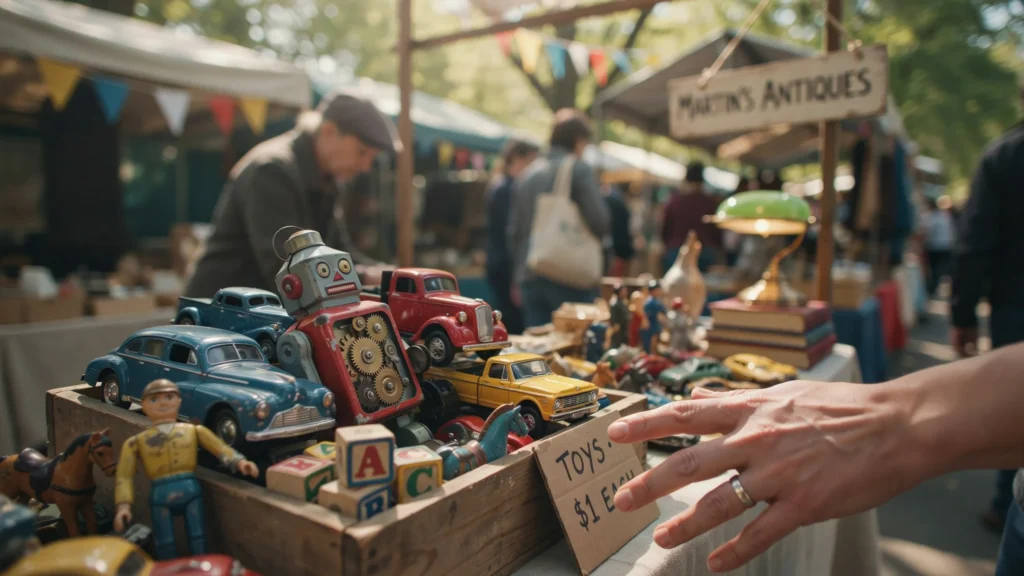
How do vintage toys become a family legacy?
Some of the most meaningful gifts aren’t new at all. Vintage toys carry history, and passing them down builds traditions that outlast any trend.
Why do vintage toys make thoughtful gifts?
A carefully chosen vintage toy shows real thought. It says you searched for something special rather than grabbing whatever was on the shelf. These gifts often become a child’s favorite precisely because they feel unique and personal.
What makes hand-me-downs so meaningful?
A toy that survived your own childhood carries sentimental value money can’t buy. Handing it down connects your child to family history and teaches that good things are worth keeping. It’s sustainability and sentiment rolled into one.
How can playing become a family tradition?
Set aside regular time to play with these toys together. A weekly block-building session or a shared puzzle becomes a ritual your child remembers for life. Traditions like these turn simple objects into lasting memories.
A simpler path to a richer childhood
Combining minimalist baby essentials with vintage toys offers a clear set of rewards: less clutter, lower costs, reduced waste, and a stronger sense of connection. You spend less, your home feels calmer, and your child gets toys that truly encourage creativity.
Start small. Pick one area maybe your baby’s clothing or the toy shelf and pare it down to the items that genuinely add value. Hunt for one well-made vintage toy on your next thrift trip. Over time, these small choices add up to a childhood built on quality, meaning, and memories rather than mountains of stuff.
The best childhoods aren’t measured by how much kids own. They’re measured by how they play, what they imagine, and the people they share it with.
Frequently asked questions
Are vintage toys safe for babies and toddlers?
Vintage toys can be safe if you inspect them carefully. Check for small parts, chipped paint that may contain lead, sharp edges, and loose pieces. Toys made before modern safety standards need extra scrutiny. When unsure, display the toy out of reach until your child is older.
How much money can a minimalist approach save new parents?
Savings vary, but buying fewer items and choosing secondhand can cut baby costs significantly. Vintage toys often cost a fraction of new ones, and skipping unnecessary “essentials” avoids hundreds of dollars in waste. Borrowing and accepting hand-me-downs reduces spending even further.
What are the best first vintage toys to buy?
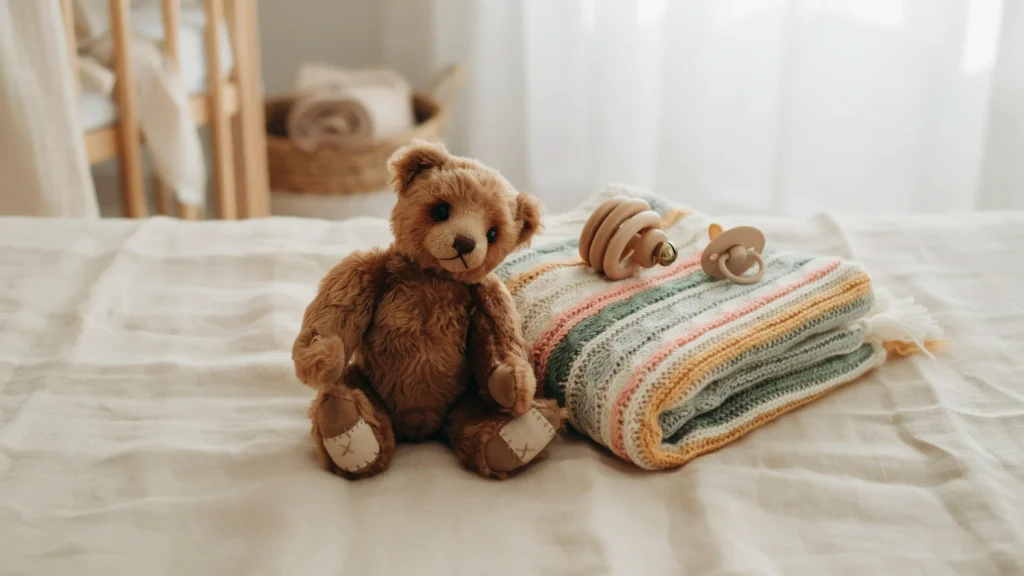
Start with simple, open-ended classics: wooden blocks, a wooden train set, a sturdy puzzle, or a classic stuffed animal. These offer durability, safety, and broad play value, making them ideal first additions to a minimalist collection.
How do I clean a vintage wooden toy?
Wipe wooden toys with a damp cloth and mild soap, then dry them completely to prevent warping or cracking. Avoid soaking them in water. Store wooden toys away from direct sunlight and humidity to keep them in good condition.
Is the minimalist vintage approach right for every family?
This approach works best for families who value sustainability, want to reduce clutter, and prefer quality over quantity. If you enjoy the hunt for special items and don’t mind cleaning secondhand finds, it’s an excellent fit. Families who prefer brand-new convenience may adapt it partially instead.