
To keep pumpkins fresh all fall, soak them in a diluted bleach solution (1 tablespoon of bleach per gallon of water) for about 20 minutes, then dry them completely. The bleach kills mold and bacteria, helping pumpkins last several weeks longer than untreated ones. This simple yet effective method is the secret behind How to Keep Pumpkins Fresh All Fall With One Trick that every home decorator should know.
There’s something special about decorating your porch with pumpkins when the air turns crisp. They signal cozy sweaters, warm drinks, and the start of the holiday season. But few things deflate that autumn joy faster than walking outside to find your once-perfect pumpkin caving in on itself, covered in fuzzy mold.
If you’ve spent good money on pumpkins only to watch them rot within a week, you’re not alone. The good news? A simple bleach bath can dramatically extend their life. This guide walks you through exactly why pumpkins spoil, the quick trick that keeps them fresh, and a handful of extra tricks to make your fall display last all season long.
By the end, you’ll know how to choose the right pumpkins, treat them properly, display them smartly, and dispose of them responsibly when the season ends.
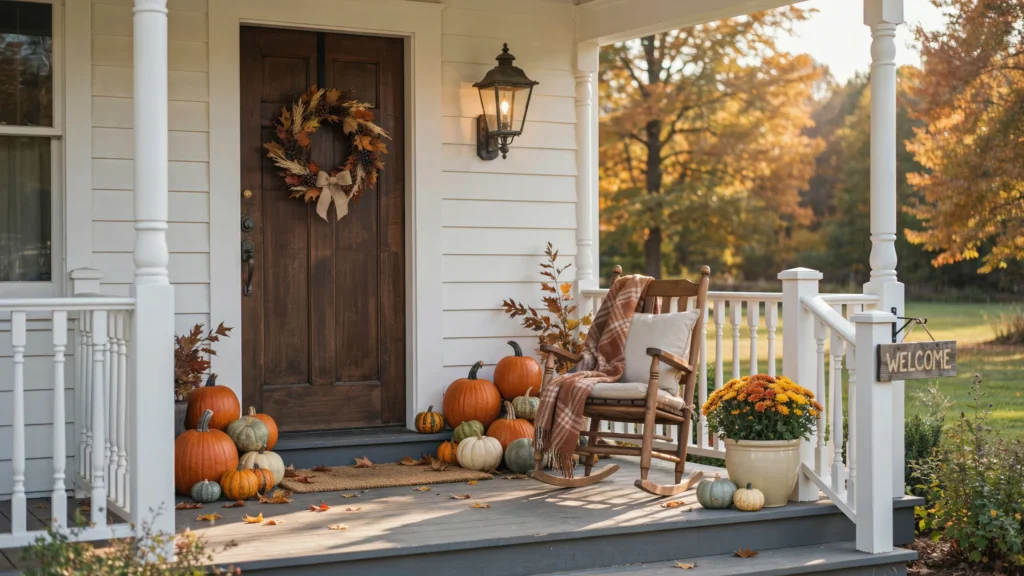
Why Do Pumpkins Rot So Quickly?
Pumpkins are living plant material, and once they’re picked, they begin breaking down. Three main culprits speed up the process: bacteria, fungi (mold), and moisture. These thrive on the pumpkin’s natural sugars and water content, slowly turning a firm shell into a soft, mushy mess.
Several factors make decay happen faster:
- Cuts and punctures: Carving a pumpkin exposes the moist inner flesh, giving bacteria and mold an open invitation. Carved pumpkins often last only 5 to 10 days.
- Warm temperatures: Heat accelerates the growth of microorganisms. A pumpkin baking in the sun will spoil much faster than one kept cool.
- Excess moisture: Damp surfaces, rain, and humidity create the perfect breeding ground for rot.
- Surface bruises: Even small bumps from handling can become weak spots where decay begins.
The takeaway is simple: if you can reduce the mold, bacteria, and moisture working against your pumpkin, you can keep it fresh much longer. That’s where prevention comes in.
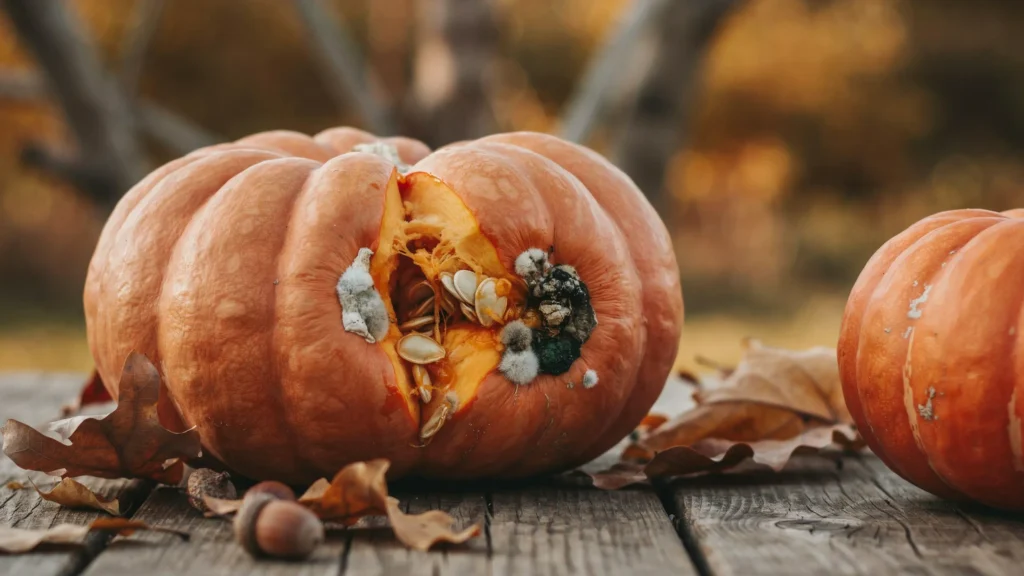
Can You Preserve Pumpkins Without Bleach?
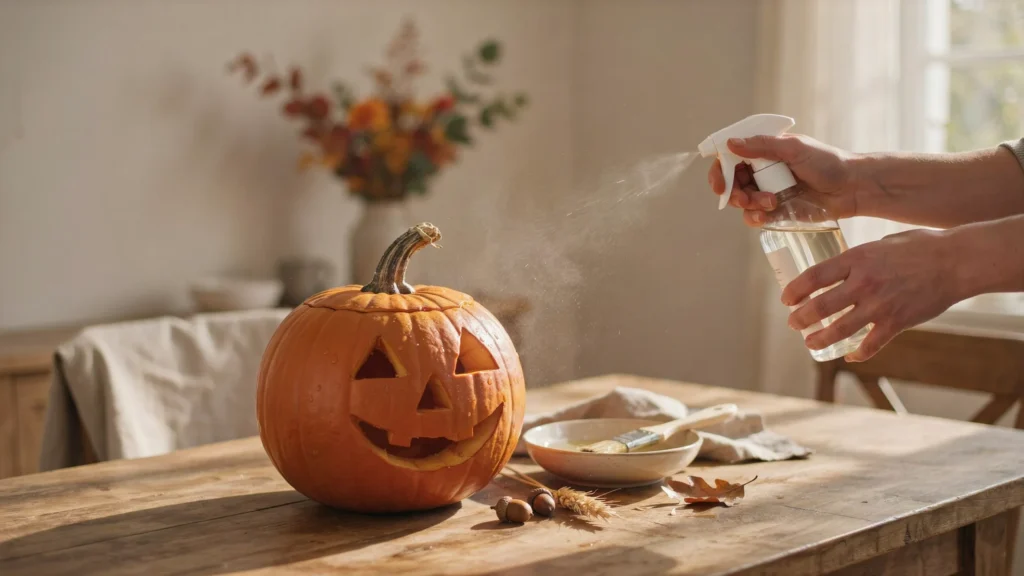
If you’d rather skip bleach altogether, a natural alternative works nearly as well for whole and carved pumpkins alike. Mix 1 part white vinegar or hydrogen peroxide with 2 parts water, then spray it generously over every surface of your pumpkin, inside and out if it’s carved. This solution inhibits mold growth in much the same way bleach does, just with a gentler, more natural formula. Once the pumpkin is dry, seal any carved edges with a thin coat of vegetable, olive, or coconut oil to lock in moisture and slow shriveling. Keep in mind these oils are flammable, so stick with a battery-operated light rather than a real candle if you go this route.
How Do You Prevent Pumpkins From Rotting on the Vine?
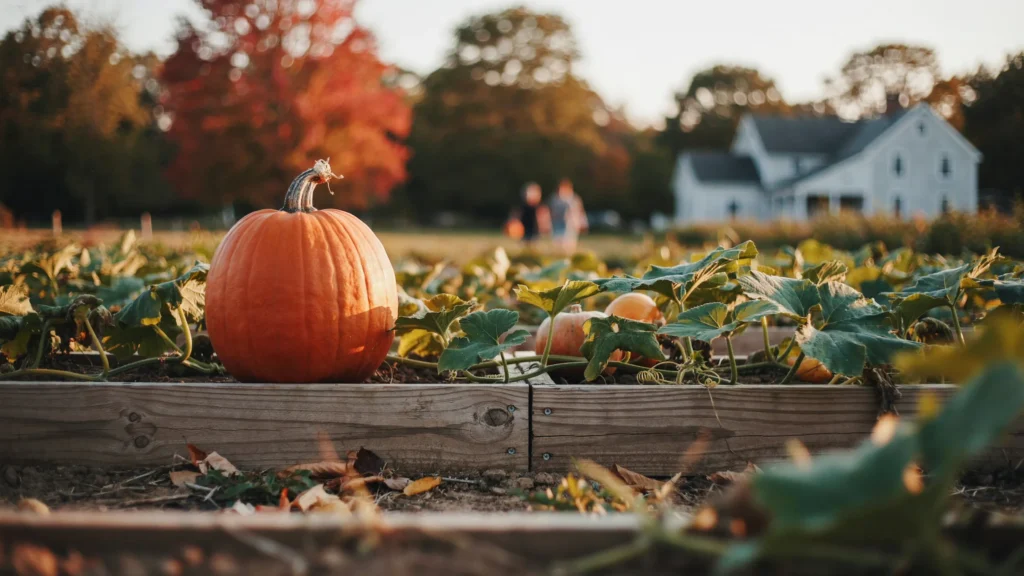
If you’re growing your own pumpkins, preservation starts long before harvest. Keep a steady watering schedule through the flowering stage when fruit is developing, then cut back on water once the pumpkins begin to turn color, since excess moisture at this stage increases the risk of rot. It also helps to gently lift healthy, ripening pumpkins off the damp ground and rest them on a small wooden board, straw, or pallet so they aren’t sitting directly on wet soil. For gardens with recurring rot problems, raised beds or hills that let excess water drain away can make a noticeable difference, and smaller gardens can even train pumpkin vines vertically on a trellis with netting to support the fruit.
Should You Etch Instead of Carve for a Longer-Lasting Pumpkin?
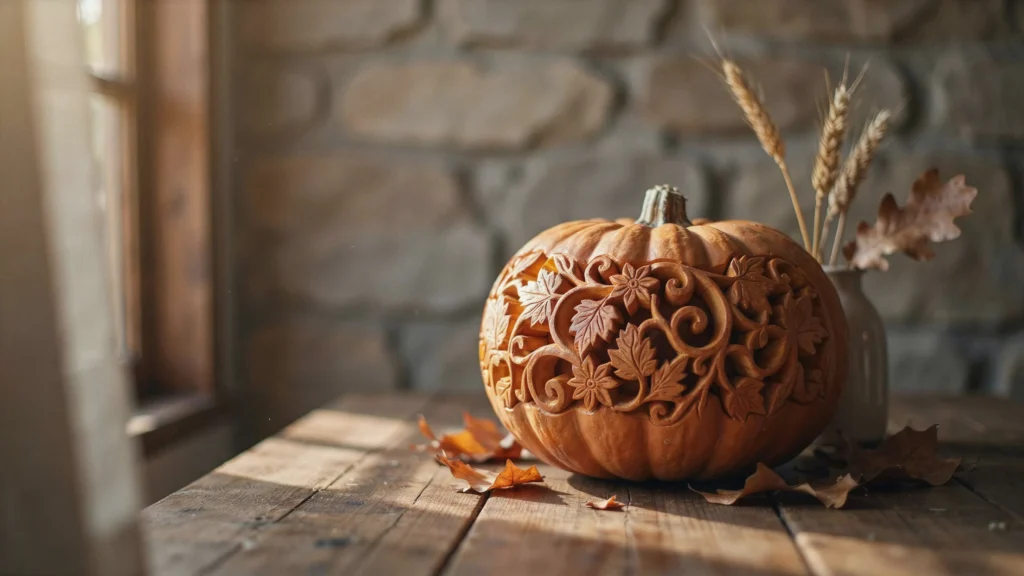
Traditional carving isn’t the only way to decorate a pumpkin, and it isn’t the gentlest option either. Etching, where you use small clay or sculpting tools to create a design on just the outer skin without cutting all the way through, leaves the pumpkin’s protective flesh mostly intact. Because the interior stays sealed off from air and bacteria, etched pumpkins typically last significantly longer than fully carved ones, often ten to fourteen days compared to just five to seven for a deep carve. It’s a great option if you want an intricate design without sacrificing longevity, and painting your design on top of an etched or uncarved pumpkin extends its life even further.
When Should You Carve or Display Your Pumpkin to Make It Last Until Halloween?
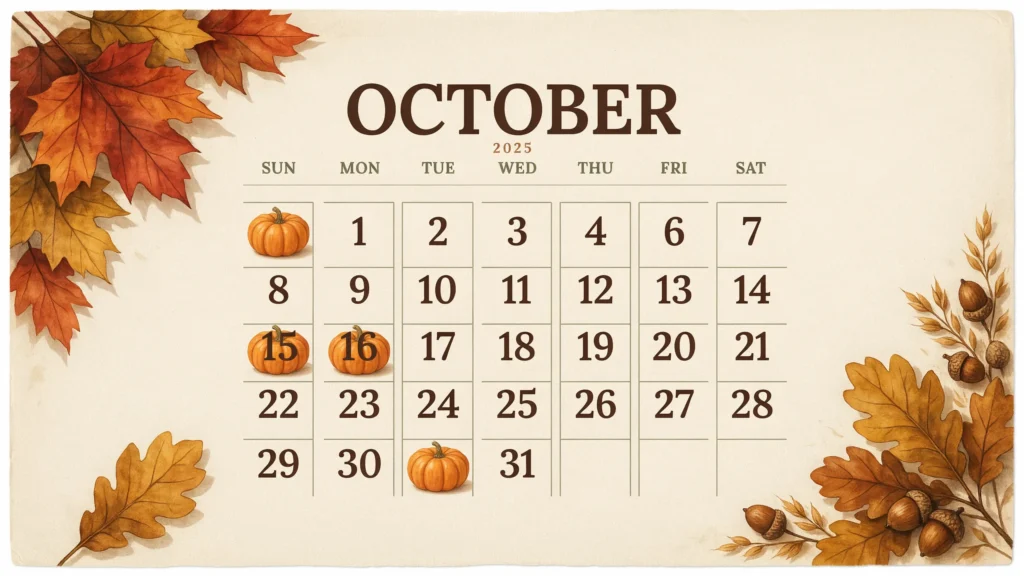
| Pumpkin Type | Without Preservation | With Preservation | Best Time to Display |
|---|---|---|---|
| Uncarved / Painted | 2–3 weeks | 4–8 weeks | Early October |
| Etched | 5–7 days | 10–14 days | Around Oct 18–21 |
| Fully Carved | 2–4 days | 5–7 days | Oct 25–28 |
Uncarved and painted pumpkins hold up the longest, so they’re the safest choice if you want fall decor that lasts the entire season. Etched designs land in the middle, while fully carved pumpkins are the most delicate and should go up just a few days before the big night for the best appearance on Halloween itself.
Does It Matter How You Handle Your Pumpkin’s Stem?
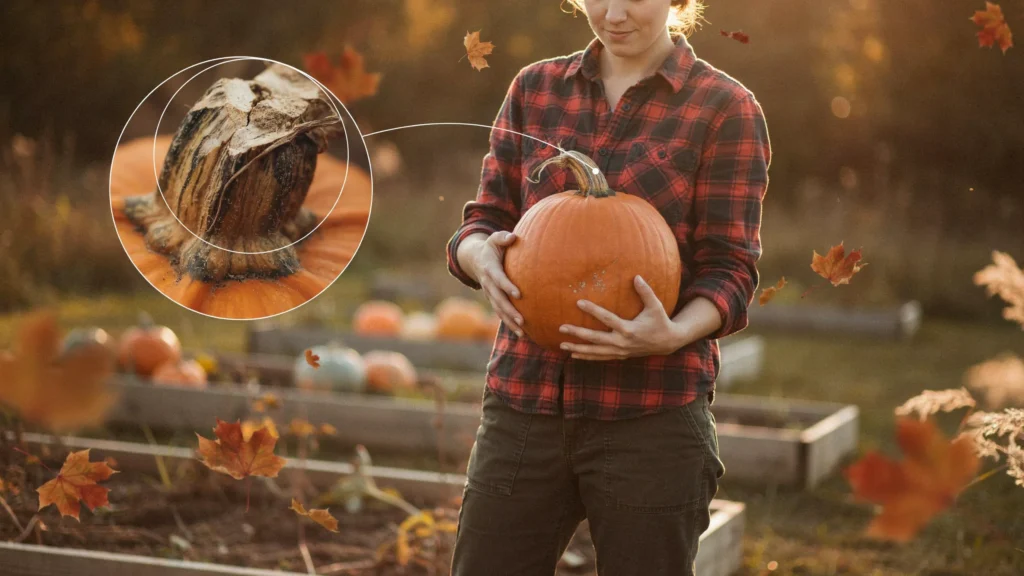
The stem isn’t just decorative it continues feeding the pumpkin nutrients even after it’s been cut from the vine, which is part of why pumpkins with a healthy, intact stem tend to last noticeably longer than ones without. Always lift and carry your pumpkin by supporting its sides rather than gripping the stem, since a broken or damaged stem speeds up decay. When shopping for pumpkins, skip any with a missing, cracked, or moldy stem, as these are already on a faster track to spoiling no matter how well you treat them afterward.
The Quick Trick: A Bleach Bath
The single most effective way to preserve uncut pumpkins is a diluted bleach bath. It sounds unusual, but the science is solid. Bleach is a powerful disinfectant that kills the mold spores and bacteria sitting on the pumpkin’s surface. With fewer microorganisms present, decay slows down dramatically.
A bleach-treated pumpkin can stay fresh for several weeks, compared to just one or two weeks for an untreated one. The solution is gentle enough not to damage the pumpkin’s skin but strong enough to wipe out the germs that cause rot.
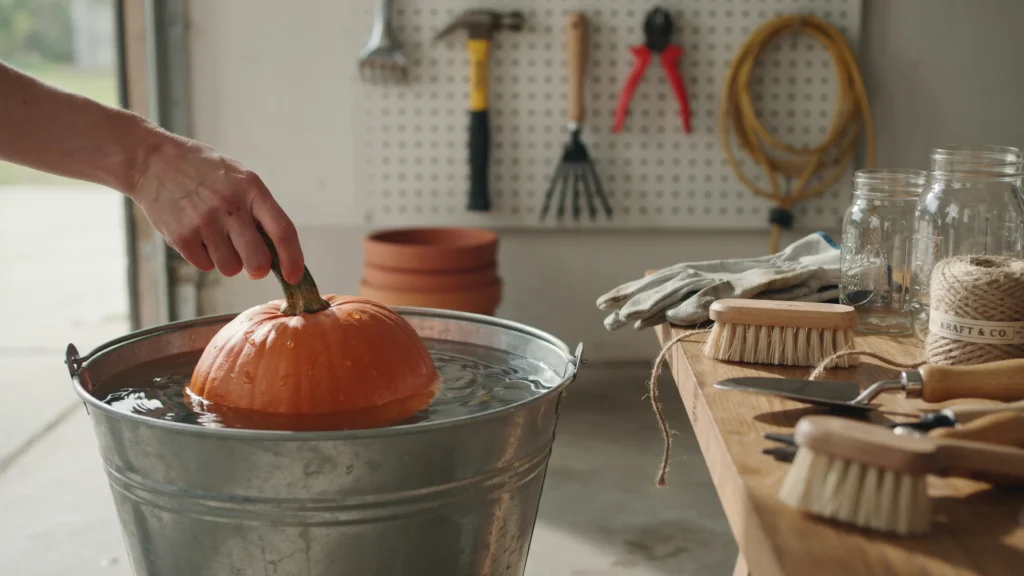
Here’s the basic recipe: mix 1 tablespoon of bleach per gallon of water. Soak the pumpkin for about 20 minutes, then let it dry completely. That’s the whole trick. Below, we’ll break it down step by step.
Step-by-Step Guide to Pumpkin Preservation
Follow these five steps to give your pumpkins the best shot at lasting all fall.
Step 1: Choose the Right Pumpkin
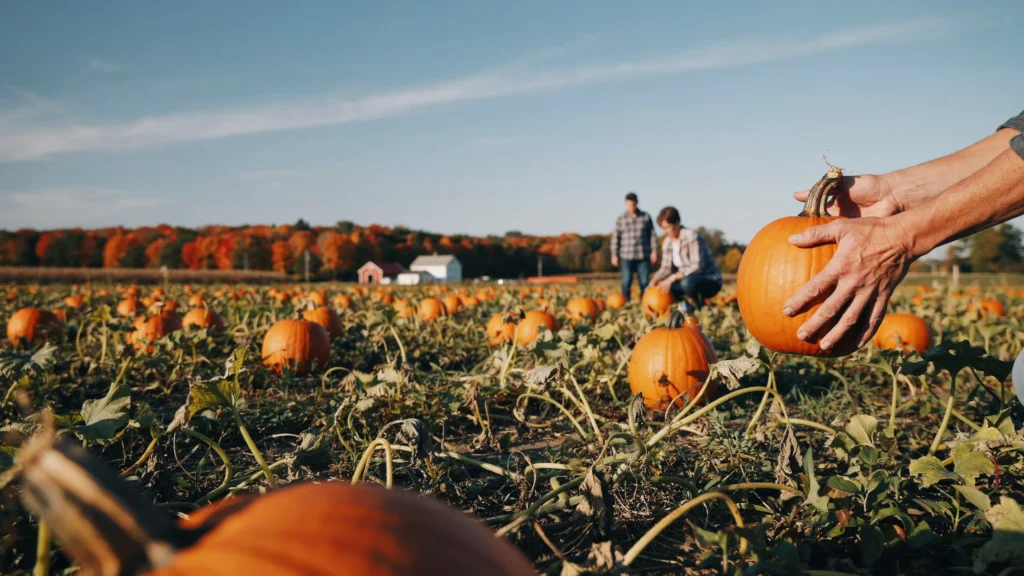
Preservation starts at the pumpkin patch. Pick pumpkins that are firm, heavy for their size, and free of soft spots, cuts, or bruises. Check the bottom carefully, since that’s where rot often begins. A healthy stem is another good sign; avoid pumpkins with missing or moldy stems, as these spoil faster.
Step 2: Clean Your Pumpkin
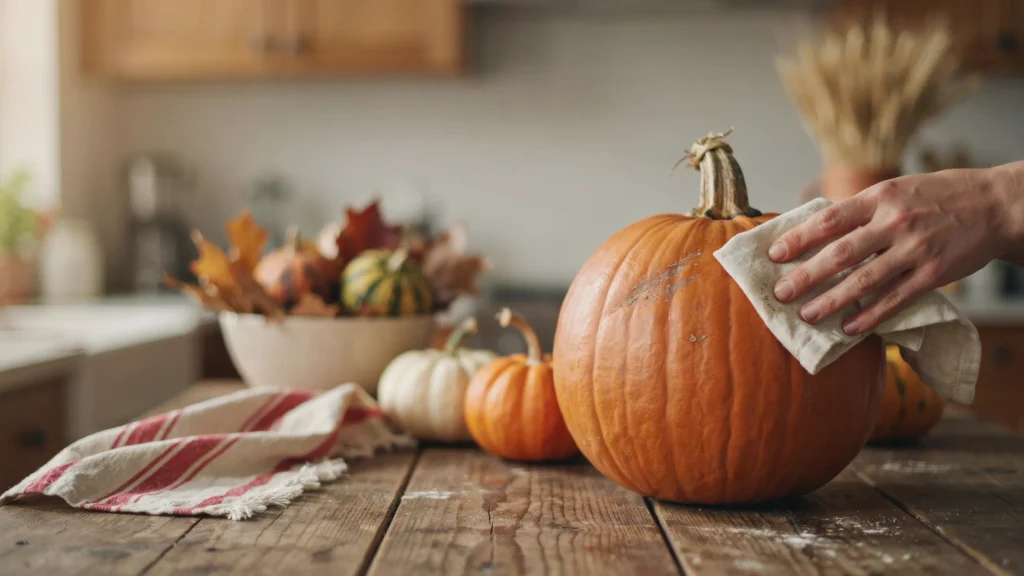
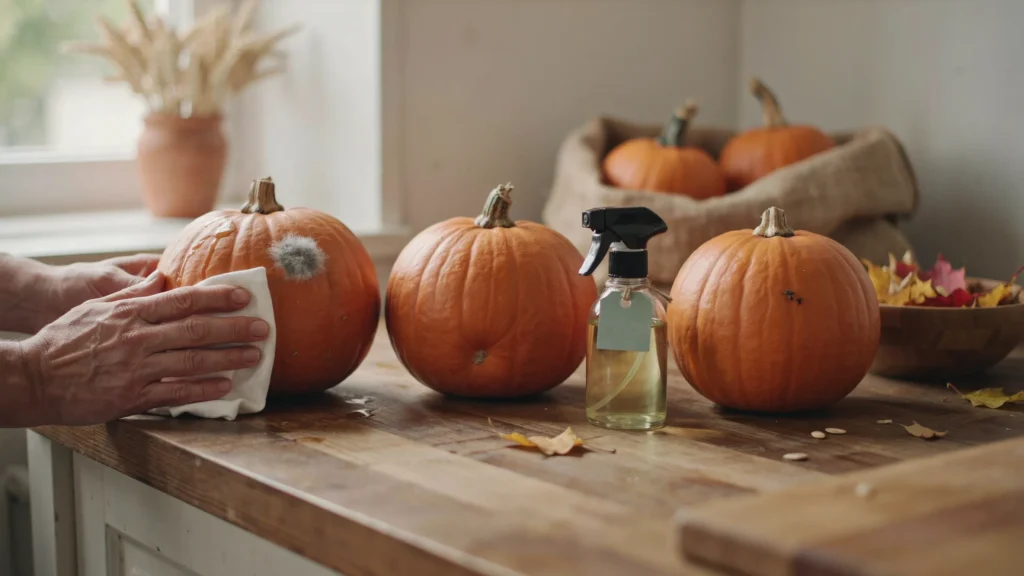
Before treatment, wipe down the pumpkin to remove dirt, debris, and any garden grime. A damp cloth works fine for this initial cleaning. Removing surface dirt helps the bleach solution reach the skin directly and do its job.
Step 3: Prepare the Bleach Solution
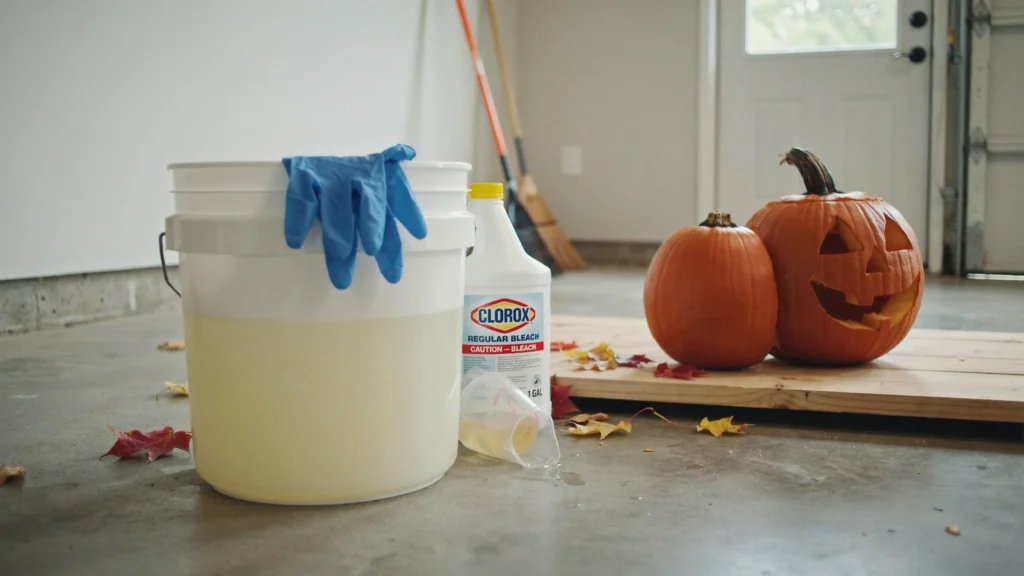
In a clean bucket large enough to hold your pumpkin, mix 1 tablespoon of bleach for every gallon of water. Wear gloves to protect your hands, and work in a well-ventilated area. If you’re treating multiple pumpkins, scale up the recipe while keeping the same ratio.
Step 4: Soak the Pumpkin
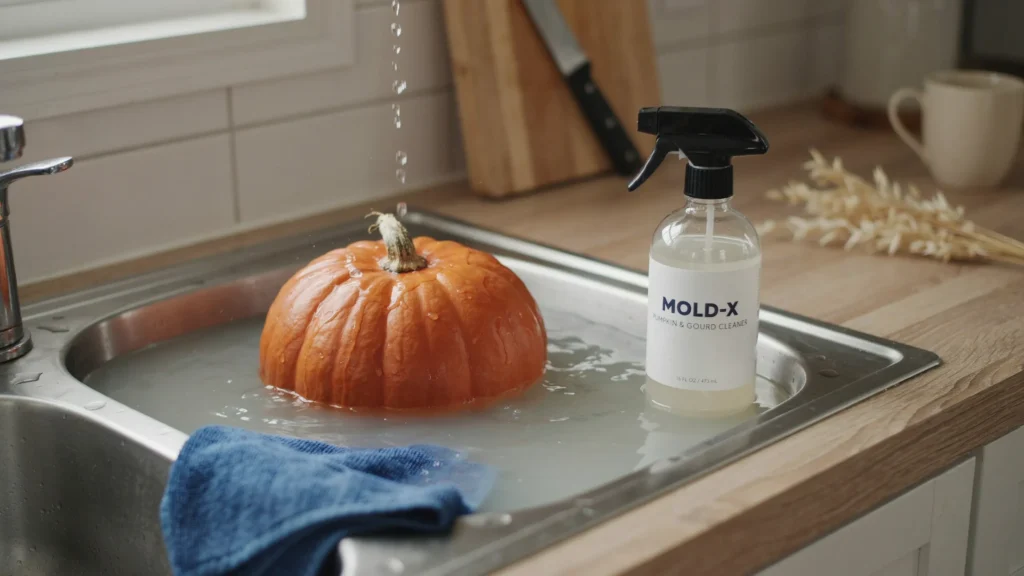
Submerge the pumpkin fully in the solution and let it soak for about 20 minutes. If your pumpkin floats or is too big to submerge fully, rotate it halfway through or spray the solution generously over any exposed areas. Full coverage is key to killing mold on every surface.
Step 5: Dry and Cure
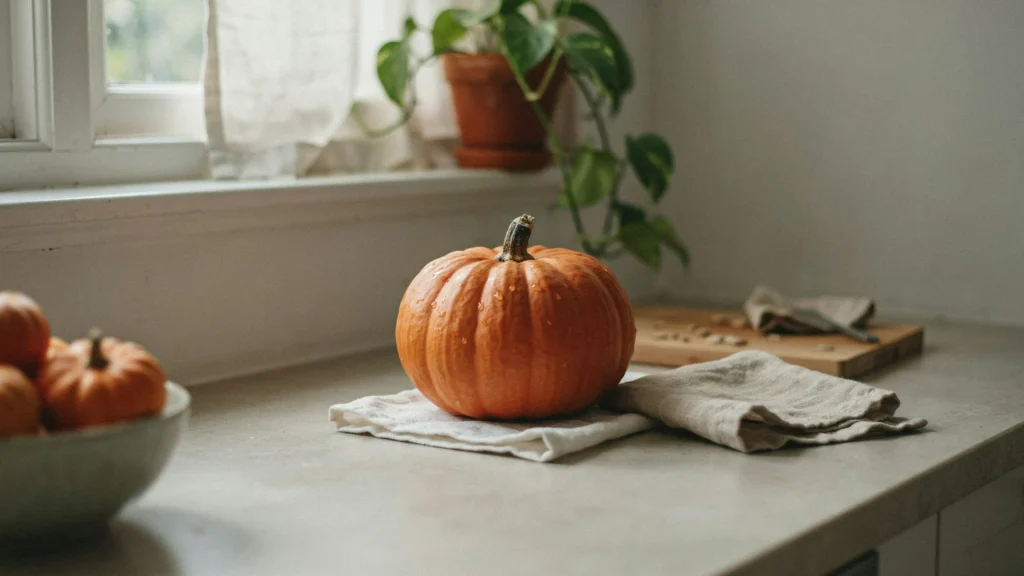
After soaking, remove the pumpkin and pat it dry with a towel, then let it air dry completely. A dry surface is essential, since leftover moisture invites the very mold you just removed. Set the pumpkin in a shaded, airy spot for a few hours until the skin feels completely dry to the touch.
Beyond the Bleach Bath: Advanced Preservation Techniques
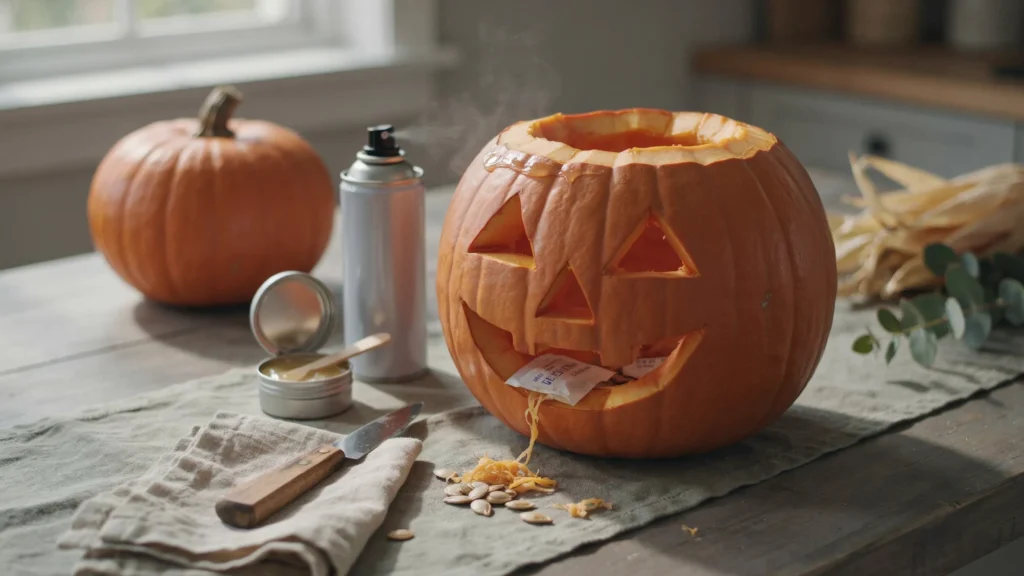
The bleach bath works wonders for whole pumpkins, but carved pumpkins need extra care. Once you cut into a pumpkin, the exposed flesh dries out and rots quickly. These techniques help carved pumpkins last longer.
- Petroleum jelly: After carving, rub a thin layer of petroleum jelly (like Vaseline) over the cut edges and inside surfaces. This seals in moisture and slows shriveling.
- Acrylic spray sealant: A light coat of clear acrylic spray creates a protective barrier that locks out air and moisture. Apply it outdoors and let it dry fully.
- Silica gel packs: Tuck a few silica gel packets inside a carved pumpkin to absorb internal moisture and discourage mold growth.
Choose petroleum jelly if you want a quick, low-cost fix. Reach for acrylic sealant if you want longer-lasting protection and don’t mind an extra step.
What Are the Best Storage Conditions for Pumpkins?
Where you keep your pumpkins matters as much as how you treat them. The ideal environment is cool, dry, and shaded. Aim for temperatures between 50°F and 60°F if possible.
Direct sunlight is one of the worst enemies of a fresh pumpkin. The heat softens the flesh and speeds up rot, so keep your display out of harsh afternoon sun. Extreme cold can be just as harmful; a frost can cause pumpkins to collapse overnight. Good air circulation also helps, since stagnant, humid air encourages mold. If you’re storing pumpkins before display, keep them in a single layer with space between each one.
How Do You Display Pumpkins to Keep Them Fresh?
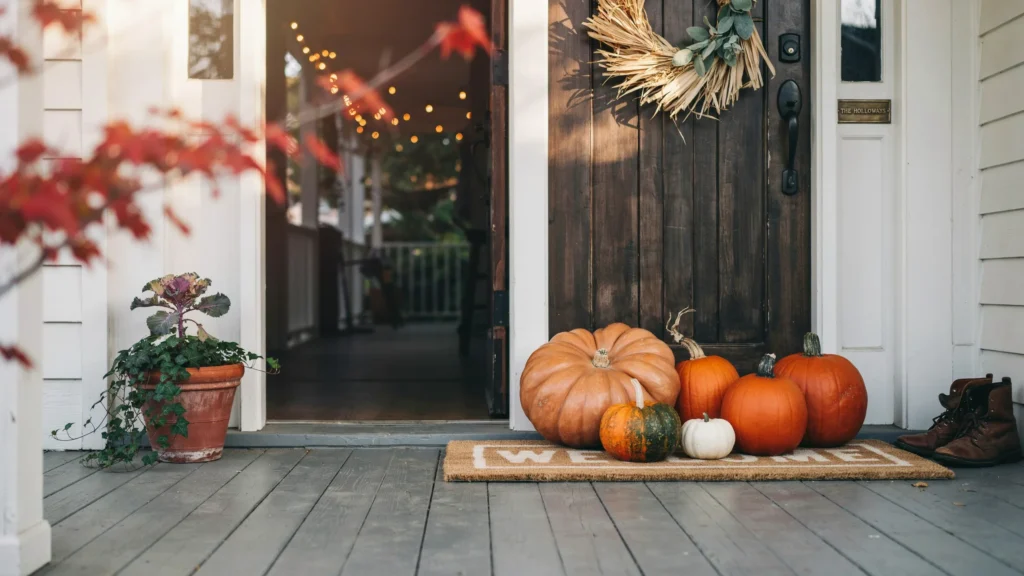
A smart display setup can add days or even weeks to your pumpkins’ lives. The biggest threat outdoors is moisture from the ground and damp surfaces.
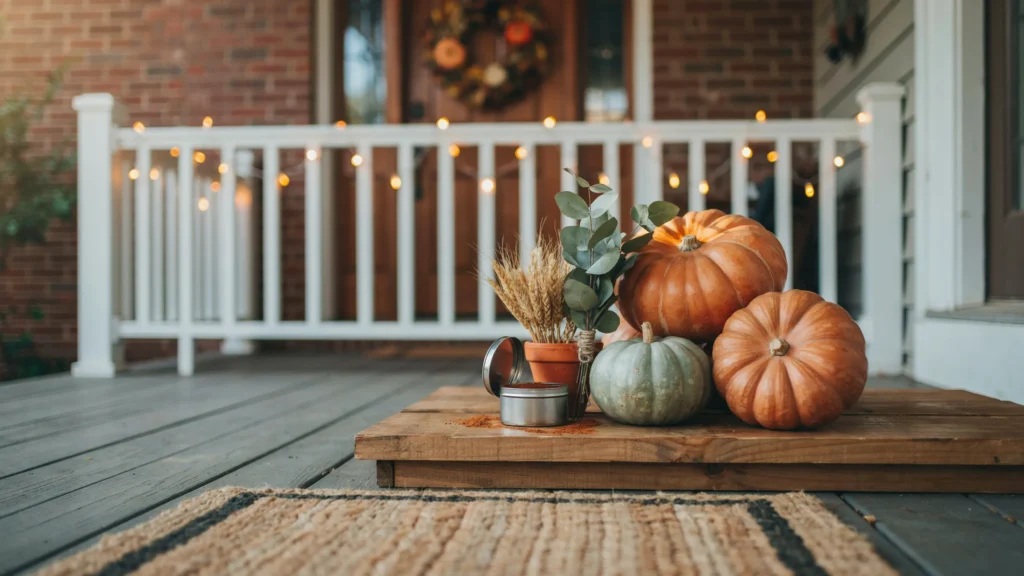
- Elevate them: Place pumpkins on a wooden board, plate, or porch step rather than directly on damp soil or concrete. This keeps the bottom dry and prevents rot from starting underneath.
- Protect from pests: Squirrels, insects, and other critters love to nibble on pumpkins. A light sprinkle of cinnamon or a pet-safe repellent can help deter them.
- Indoor vs. outdoor: Indoor pumpkins last longer because they’re shielded from rain, frost, and pests. If you display outdoors, bring carved pumpkins inside overnight or during bad weather to extend their life.
Troubleshooting Common Pumpkin Problems
Even with the best care, problems can pop up. Catching them early makes all the difference.
- Mold spots: At the first sign of fuzzy mold, wipe the area with a cloth dipped in the bleach solution. Early intervention can stop mold from spreading across the whole pumpkin.
- Soft spots: A small soft area might be manageable, but once a pumpkin develops widespread mushiness or a foul smell, it’s time to discard it. A rotting pumpkin can spread bacteria to nearby healthy ones.
- Insect infestations: If you spot insects, move the pumpkin away from others and clean it with the bleach solution. Keeping the display area tidy and free of fallen debris helps, too.
When Should You Carve Your Pumpkin?
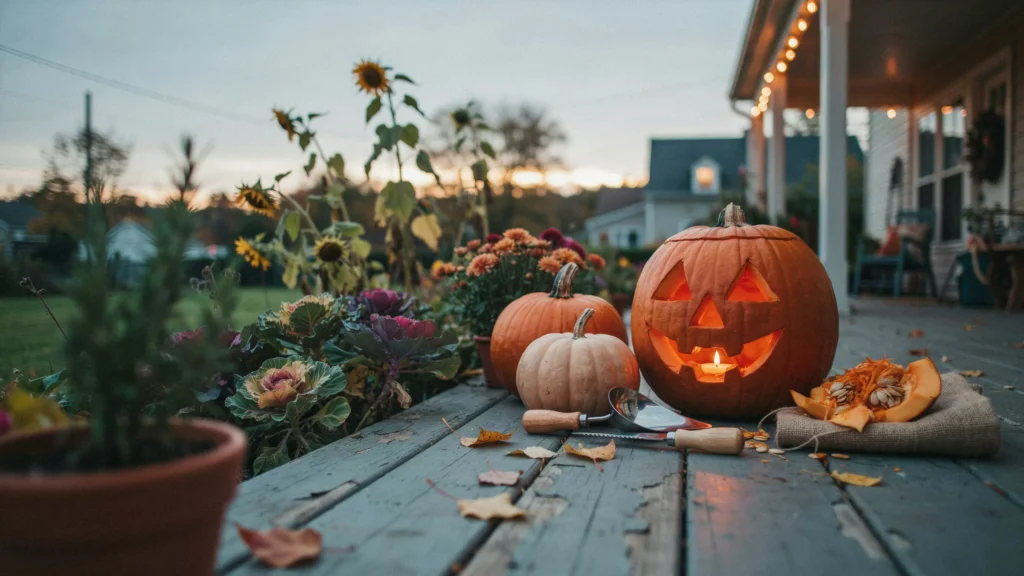
Timing is everything when it comes to carving. Because carved pumpkins last only 5 to 10 days, it’s best to carve close to the event you’re decorating for. If Halloween is your target, aim to carve no more than a few days beforehand for the best appearance.
To stretch a carved pumpkin’s life, combine the techniques above: give the whole pumpkin a bleach bath before carving, seal the cut edges with petroleum jelly afterward, and bring it indoors overnight. Storing a carved pumpkin in the refrigerator overnight can also slow decay if you have the space.
How Do You Dispose of Pumpkins Responsibly?
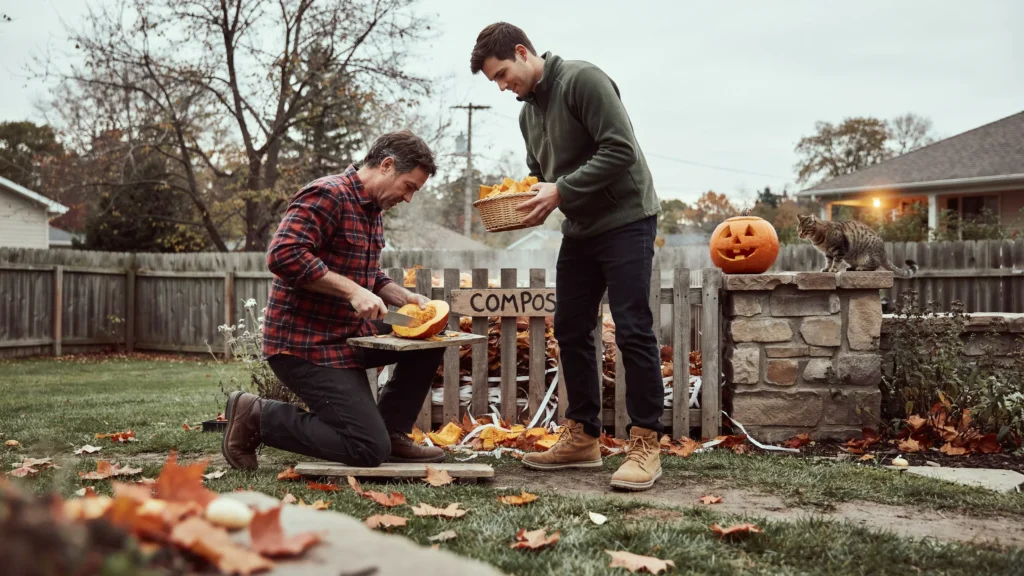
When the season winds down, skip the trash can if you can. Pumpkins are organic material and make excellent compost. Composting returns nutrients to the soil and keeps food waste out of landfills, where it produces harmful methane gas.
To compost, remove any candles, wax, or non-organic decorations first. Break the pumpkin into smaller pieces to speed up decomposition, then add it to your compost pile or bin. If you don’t compost, check whether your community offers a pumpkin recycling or collection program. Wildlife also enjoys leftover pumpkins; be sure to remove any treated or painted sections before offering them to animals.
Enjoy a Long-Lasting Fall Display
Keeping pumpkins fresh comes down to a few simple habits: choose healthy pumpkins, give them a bleach bath to kill mold and bacteria, store them somewhere cool and dry, and display them away from damp surfaces. For carved pumpkins, seal the edges and carve close to your big event.
With these steps, your pumpkins can stay bright and firm for weeks instead of days. That means more time to enjoy your porch display, fewer trips back to the pumpkin patch, and a fall season that looks as festive at the end as it did at the start.
So go ahead, pick out your favorites, and put these tricks to work. Your future self, and your front porch, will thank you.
Frequently Asked Questions
How long do pumpkins last after a bleach bath?
A pumpkin treated with a diluted bleach bath can stay fresh for several weeks, often two to three times longer than an untreated one. Exact timing depends on storage conditions, with cool, dry, shaded spots giving the best results.
Will a bleach bath harm my pumpkin or the environment?
A diluted solution of 1 tablespoon of bleach per gallon of water is gentle on the pumpkin’s skin and won’t damage it. Wear gloves while handling it and work in a ventilated area. Because the solution is so diluted, it’s a low-risk method when used as directed.
How long do carved pumpkins last compared to whole ones?
Carved pumpkins typically last only 5 to 10 days because the exposed flesh dries out and rots quickly. Whole, untreated pumpkins last one to two weeks, while bleach-treated whole pumpkins can last several weeks.
Can I use these methods on painted or decorated pumpkins?
Yes. A bleach bath works best before painting or decorating. Once decorated, focus on keeping pumpkins cool, dry, and out of direct sunlight. Remember to remove paint and non-organic decorations before composting.
What’s the best temperature to store pumpkins?
Pumpkins keep best in cool conditions between 50°F and 60°F. Avoid direct sunlight, which softens the flesh, and protect them from frost, which can cause them to collapse overnight.